A Beginners Guide to Trail Running Gear
1 January 2026
So, you're thinking about hitting the trails and giving trail running a solid go? Welcome to the dirt-loving, hill-climbing, nature-obsessed side of running! Whether you're dipping your toes into the world of trail running or you've already fallen face-first into a muddy puddle (hey, it happens), the right gear can make a world of difference.
Trail running isn't just road running with a few more roots and rocks thrown in. Nope—it’s a different beast altogether. It’s about embracing unpredictability, dodging tree branches, climbing up (and slipping down) hills, and maybe even spotting a deer or two along the way.
Before you lace up and hit that first trail, let’s talk gear. In this beginner's guide to trail running gear, we'll break down everything you need to run smarter, safer, and with way more fun.
Why Trail Running Gear Actually Matters
You might be thinking, “Do I really need all this special gear just to run on a dirt path?” Great question!Well, in the same way you wouldn’t wear flip-flops on a snowy hike, you wouldn’t want your everyday road running shoes or floppy cotton tees stuffing your trail game. Trail running gear is specially designed to handle the ever-changing terrain, unpredictable weather, and the wild side of running.
It’s not about looking the part—it’s about staying comfortable, avoiding injuries, and getting the most out of your trail experience.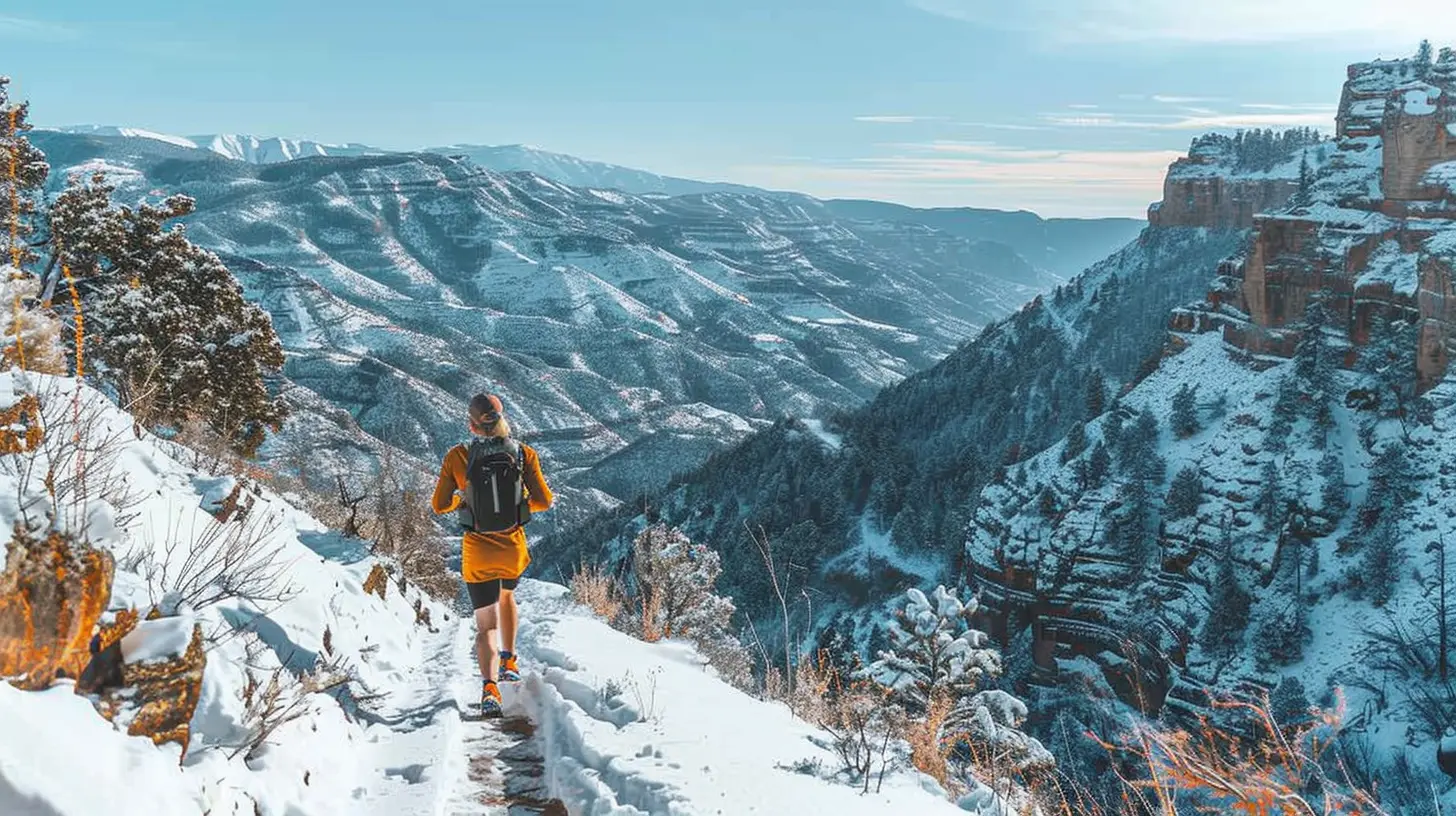
1. Trail Running Shoes – Your First (and Most Important) Investment
If you only buy one thing before your first trail run, make it a solid pair of trail running shoes. Seriously.What Makes Trail Running Shoes Different?
These bad boys are designed with rugged soles for better grip, sturdier construction to fend off rocks and branches, and plenty of support to handle uneven terrain. Road shoes can’t cut it. They’ll slip, they’ll tear, and they’ll make your ankles cry.Key Features to Look For:
- Aggressive tread for traction on mud, rocks, and roots- Rock plates to protect your feet from sharp objects
- Toe bumpers for the inevitable stubs
- Water resistance or drainage features depending on the climate
Pro Tip: Fit is everything. Your trail shoes should feel snug but not tight—enough room for your toes, but not so loose that you slide around on a descent.
2. Performance Apparel – Ditch the Cotton
You wouldn’t go swimming in jeans, right? So don’t run trails in cotton. It holds sweat, causes chafing, and stays cold when wet. It’s a recipe for discomfort.Think Breathable and Quick-Drying
Go for moisture-wicking, breathable fabrics like polyester or merino wool. These keep you dry, regulate temperature, and are much comfier on the move.Must-Have Apparel:
- Running shorts or tights – pick what feels best for you- Technical t-shirts or long sleeves – weather-dependent
- Lightweight running jacket – wind and rain protection
- Wool or synthetic socks – blister protection champs
Don’t forget layers! Mountain weather loves a good mood swing. A cool morning can turn into a sweaty afternoon—and back again.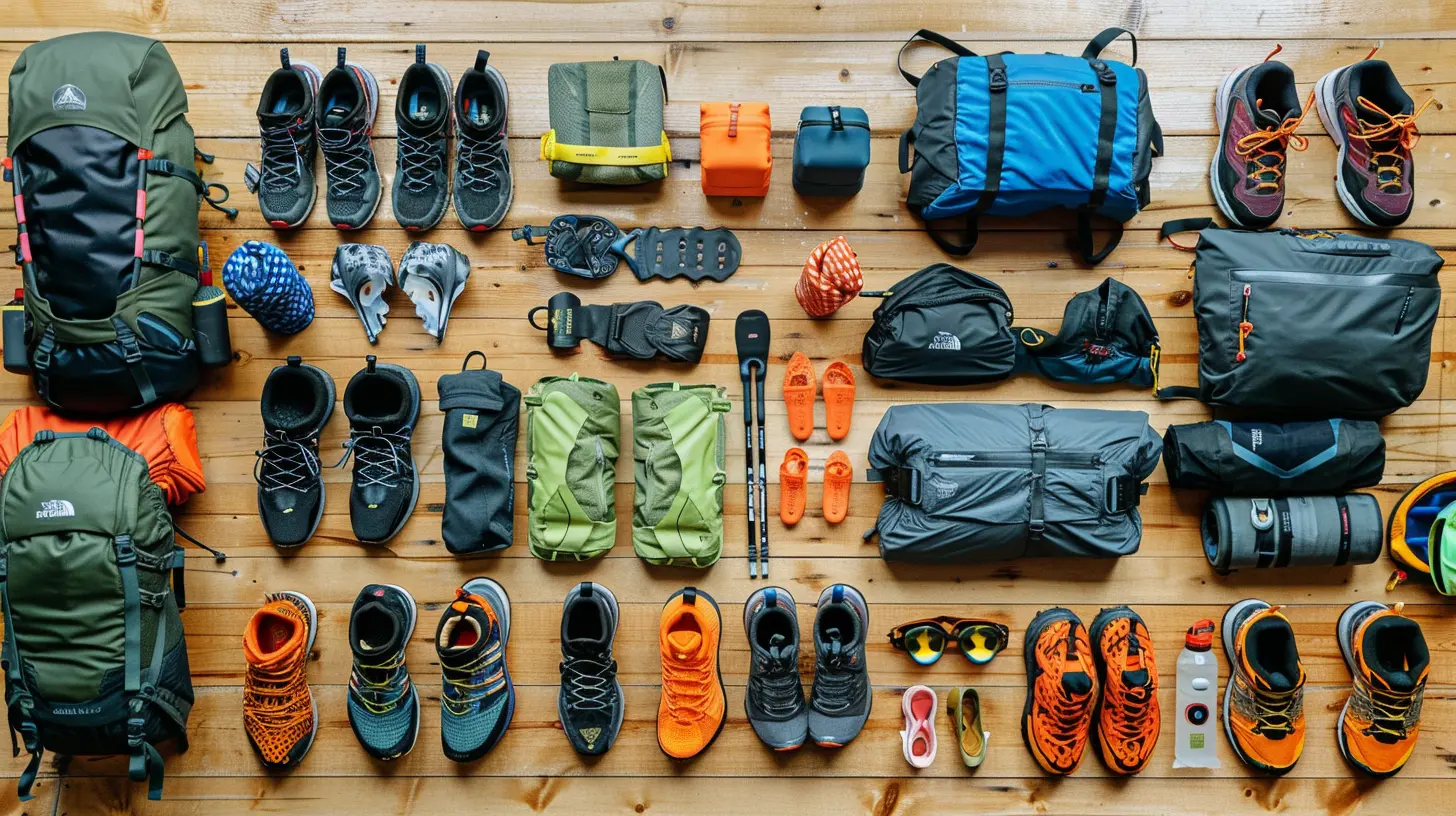
3. Hydration Gear – Don’t Be That Dehydrated Runner
Trail runs can be longer and more isolated than your average pavement jog. Water fountains? Not likely. That’s why carrying hydration is non-negotiable.Options for Carrying Water:
- Handheld water bottles – minimalist and great for short runs- Hydration belts – small bottles that sit around your waist
- Running vests – the go-to for longer or remote runs
Hydration vests often come with hydration bladders (kind of like a backpack with a straw) and storage for snacks, a phone, keys, even a jacket.
Pro Tip: Test your gear before a long run. The wrong vest can bounce like a bad karaoke song.
4. Nutrition – Fuel For the Long Haul
You don’t need to be stuffing energy gels into your pockets for a 2-mile jaunt. But if you're going long or hitting a technical route, nutrition matters.Easy Trail Snacks:
- Energy gels (quick carbs)- Chews or gummies
- Trail mix or nut bars
- Bananas (if you're cool with carrying them)
Keep it simple and stick with foods your stomach already knows. Trust me, the last place you want tummy troubles is halfway up a mountain.
5. Trekking Poles – For the Climb (and the Descent)
Okay, these aren’t essential for all runners, but for longer runs or steep terrain, trekking poles are a game-changer. Think of them as four-wheel drive for your legs.Benefits of Trekking Poles:
- Help with balance- Reduce strain on knees during downhills
- Provide extra push on uphills
And honestly? There's something kind of badass about powering up a hill with poles like you're leading a mountain expedition.
6. Safety Gear – Better Safe Than Sorry
Nature is beautiful, but it doesn’t come with streetlights or cell reception. Safety gear could save your life—or at least help avoid a really bad day.Don’t Leave Home Without:
- A whistle – for emergencies- Trail map or GPS watch – to avoid getting lost
- Basic first aid – band-aids, blister patches, etc.
- ID & emergency contact info
- Headlamp – in case the run goes longer than planned
Pro Tip: Let someone know your route and expected return time. It’s Trail Running 101.
7. GPS Watch – Know Your Trail Stats
Is it a must-have? Not really. Is it really nice to have? Absolutely.A GPS watch can track your distance, elevation, pace, heart rate, and even guide you along trail maps. It’s like having a personal coach on your wrist. Plus, who doesn’t love checking out their run stats after a tough climb?
8. Sunglasses, Hats, and Sunscreen – Trail Style, Baby
Accessories aren’t just for style points (though they definitely help you look trail-savvy).- Sunglasses – protect your eyes from UV rays, bugs, and branches
- Hats – shield you from sun and rain
- Sunscreen – because mountain sunburns are sneaky
Oh, and if bugs are a problem in your area? Toss a small bug repellent into your pack. Trust me, your ankles will thank you.
9. Trail Running Packs – The Mobile Basecamp
Once you start running longer trails, you'll find yourself needing a little more cargo space. Enter the trail running pack.These packs are lightweight, usually come as vests, and have places for water, snacks, gear, and more. Some even have loops for trekking poles.
Thing to look for:
- Multiple pockets
- Bladder compatibility
- Adjustable fit for zero bounce
It turns you from a casual runner into a self-sufficient mountain machine.
10. Optional but Nice-to-Haves
These aren’t deal-breakers, but once you fall in love with trail running (and you will), you’ll probably want them:- Gaiters – to keep rocks and dirt out of your shoes
- Compression sleeves – for extra calf support
- GoPro or action camera – capture those epic views
- Portable charger – for your phone or GPS watch
- Portable toilet kit – nature calls, even on the trail
A Few Trail Running Tips for Beginners
To wrap things up, let’s hit a few quick, non-gear tips that go hand in hand with your new setup:- Start slow – Trail running is tougher than road running. Your muscles will feel it.
- Watch your step – Literally. Look 5-10 feet ahead to avoid tripping.
- Run with someone – For safety, motivation, and company.
- Respect nature – Leave no trace. Pack out trash, stay on marked trails.
- Celebrate the journey – It’s not about pace or distance. It’s about adventure.
Final Thoughts: Gear Up and Get Out There
The trails are calling, and now you’re officially ready to answer. Trail running is one of the best things you can do for your body, mind, and soul—and the right gear helps you enjoy every mud-splattered, elevation-packed, breathtaking step of the way.You don’t need to buy everything all at once. Start with what you need most (a good pair of shoes!) and build from there. Each piece of gear adds a bit more comfort, safety, and fun to your runs.
So what are you waiting for? Lace up, gear up, and go get dirty.
all images in this post were generated using AI tools
Category:
Sports GearAuthor:

Ruben McCloud
Discussion
rate this article
2 comments
Spike Heath
Beyond the trails lies a world of secrets—gear that whispers of adventure and paths that hint at the unknown. Ready to uncover what awaits?
February 13, 2026 at 1:47 PM
Ruben McCloud
Absolutely! The right gear opens up new adventures and hidden paths. Let’s explore what you need to get started!
Farrah Abbott
Trail running offers freedom and connection with nature, but the right gear is essential for safety and comfort. Invest wisely in quality footwear and gear, and embrace the journey of each step on the trail.
January 7, 2026 at 12:30 PM
Ruben McCloud
Thank you for highlighting the importance of quality gear! Safety and comfort are indeed key to enjoying the trail running experience. Happy trails!