A Complete Guide to Winter Sports Gear
29 January 2026
Winter is more than just hot cocoa, snowmen, and Netflix binges. For adrenaline junkies, it’s the ultimate season of action, adventure, and heart-pounding sports. Whether you're shredding the slopes snowboarding, carving down on skis, or strapping on snowshoes for a quiet hike in the backcountry—your gear can make or break your experience.
And let’s face it, nobody wants frozen toes or fogged-up goggles when the mountain is calling. That’s why having the right winter sports gear is an absolute game-changer.
Stick with me, and I’ll walk you through everything you need to know—from the essentials to the extras. We’re talking head to toe, cold to cozy, beginner to pro. Whether you're new to winter sports or you're a seasoned snow beast looking to upgrade, this guide’s got your back.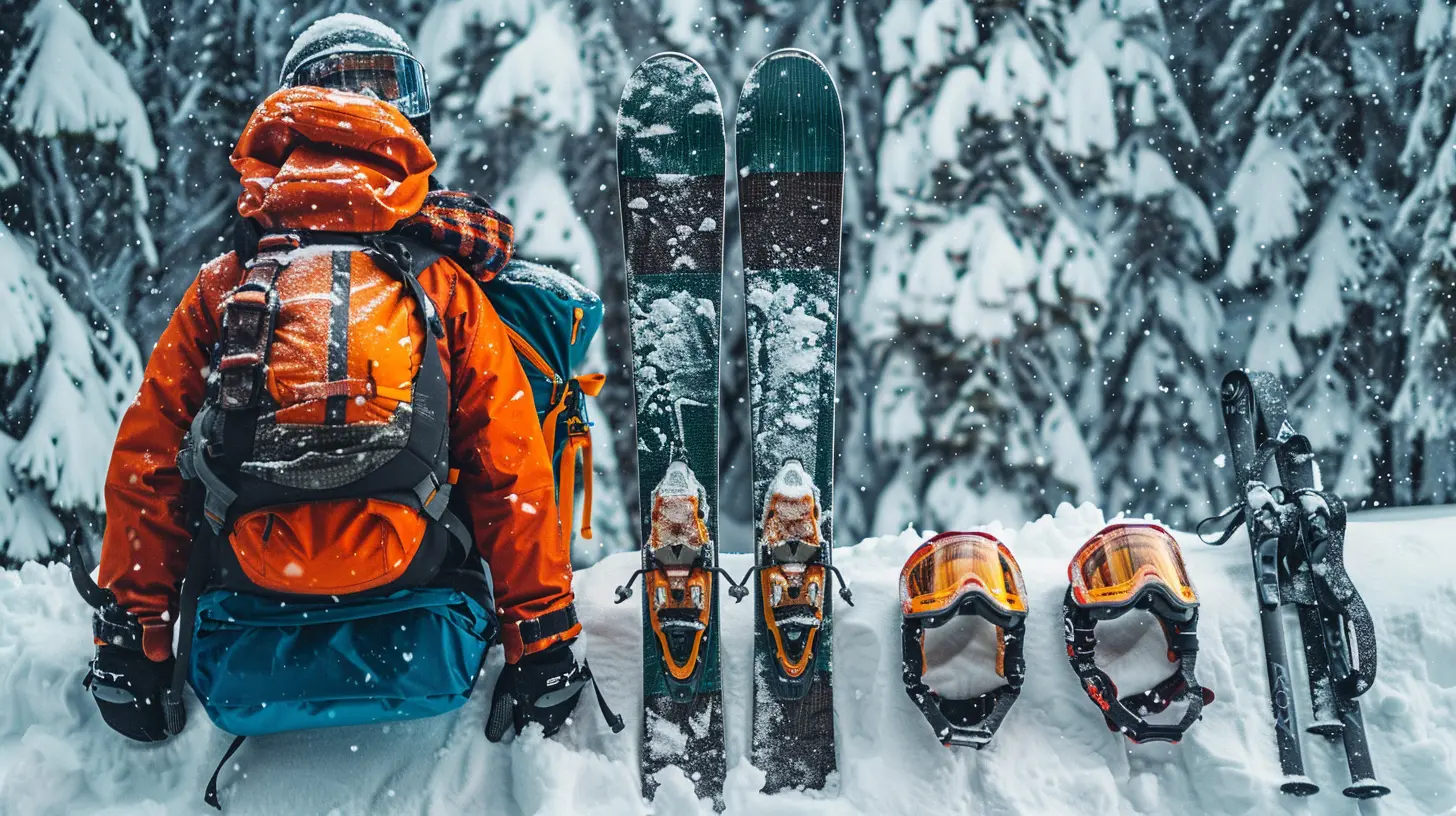
Why Winter Sports Gear Matters
Ever tried walking through two feet of powder in regular boots? Or flying down a slope in a cotton hoodie? Not fun.Winter sports gear isn't just about style points (though let’s be honest, looking slick never hurts). It's designed specifically to keep you warm, dry, safe, and agile—so you can focus on having fun, not freezing your face off.
The right equipment improves your performance, protects you from injury, and makes your whole winter experience smoother. It’s like having a pit crew for your snow life.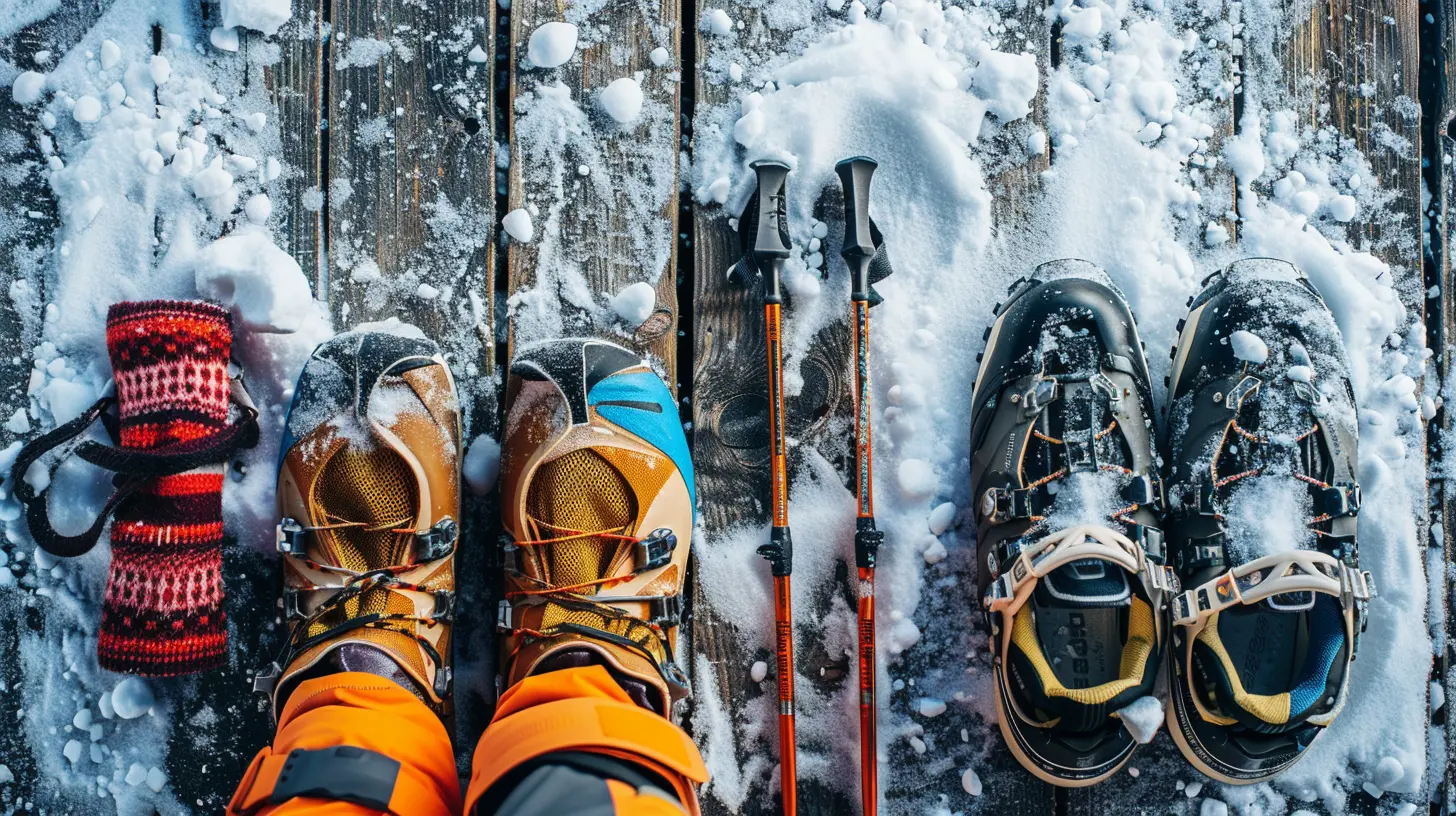
Let’s Start At the Top: Headgear
Helmet
Safety first, right? A helmet is not optional—it's essential. Whether you're snowboarding, skiing, or even sledding at high speed, your head needs protection. Look for helmets with adjustable ventilation, moisture-wicking liners, and of course, proper certification (ASTM F2040 or CE EN1077).Bonus points if it fits snugly without squeezing your brain like a vice.
Beanie or Balaclava
Under your helmet, you’ll want a thin beanie or balaclava. Go for moisture-wicking materials like merino wool or synthetic blends. These keep you warm without turning your head into a sweat lodge.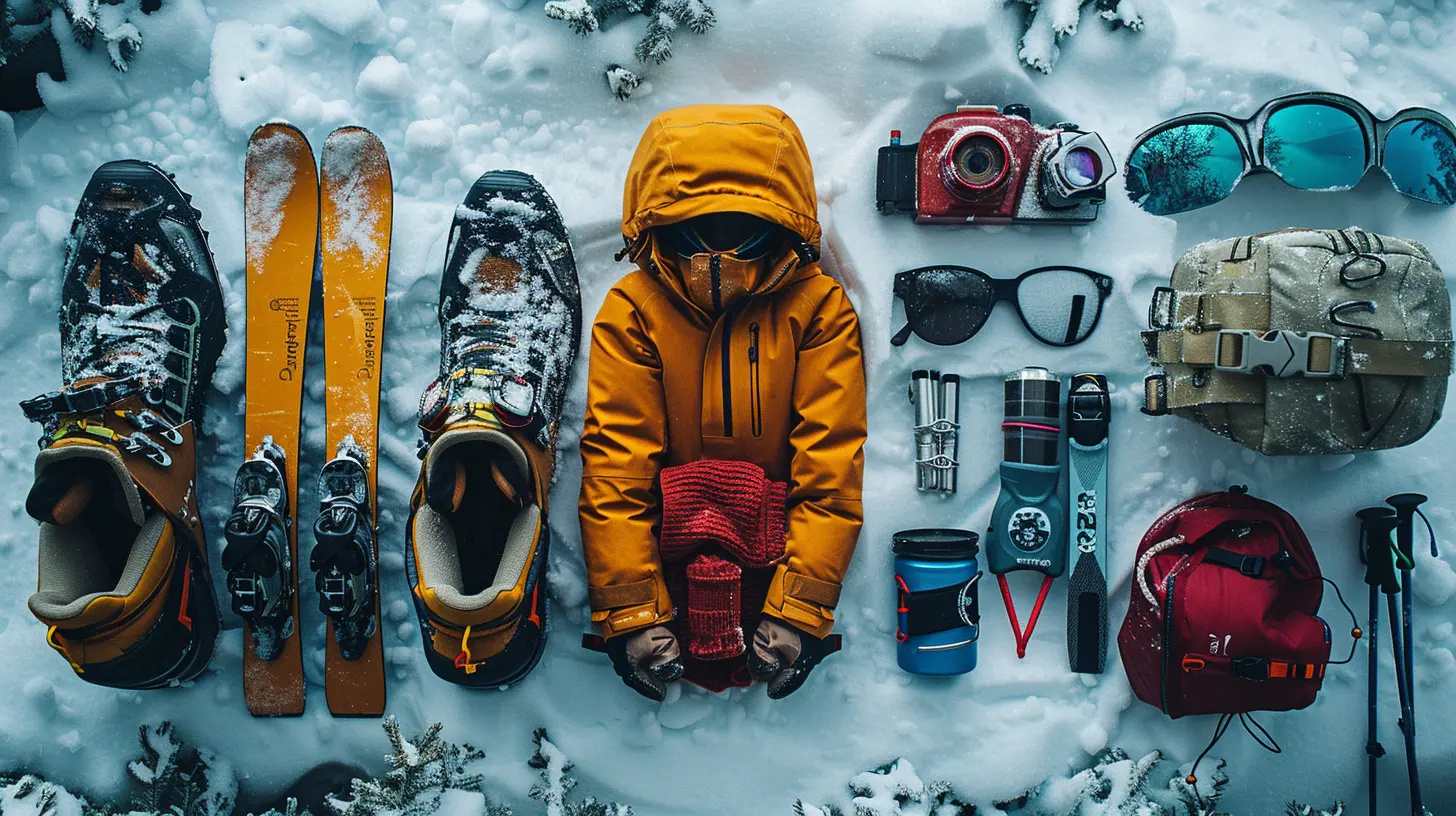
Eyewear That Sees Beyond
Goggles
If you've ever had your eyes water while bombing down a slope at 40 mph, you already know why goggles matter. They shield your eyes from wind, glare, and harmful UV rays—yes, the sun reflects off snow like nobody’s business.Pick goggles with anti-fog technology, interchangeable lenses for different light conditions, and a wide field of vision. Pro tip: Match your goggles with your helmet for a seamless fit. Nobody wants a forehead gap. Trust me.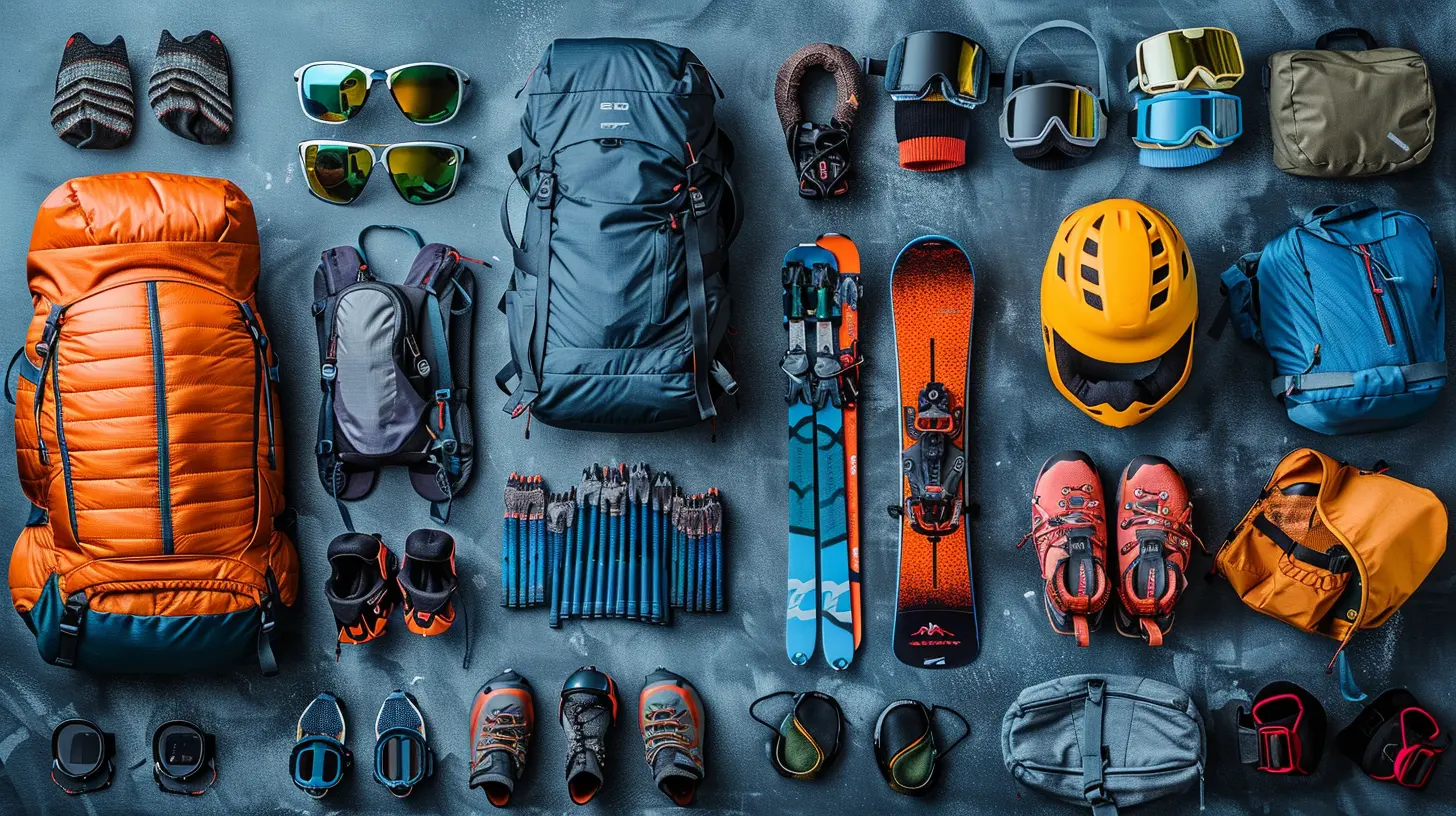
Upper Body Armor: Jackets & Layers
Base Layer (Like Your Skivvies, But Smarter)
This is layer #1—your second skin. It's responsible for wicking sweat away before it turns to ice. Look for materials like merino wool or synthetic fabrics. Stay away from cotton (it holds moisture and makes you feel like a frozen sponge).Mid Layer (Warmth Booster)
The middle layer traps body heat like a fleece-lined oven. Think fleece jackets, lightweight puffers, or insulated vests. Down is great, but synthetic insulation wins when it’s wet.Outer Layer (The Shell Game)
Your outer layer is your shield against Mother Nature. It should be waterproof, windproof, and breathable. Look for high ratings—at least 10,000mm waterproofing and 10,000g for breathability if you're getting serious.Features worth investing in? Pit zips, snow skirts, and plenty of pockets (because snacks).
Hands Matter More Than You Think
Gloves or Mittens?
Gloves give you dexterity; mittens give you warmth. Choose based on your sport and how cold it gets. For skiing, gloves are often the go-to. If you’re not fiddling with gear, go mitten mode.Look for waterproof, insulated, and breathable options with wrist cinches to keep snow out. Bonus: touchscreen compatibility so you can snap that selfie at the summit.
Lower Body: Pants That Perform
Base Layer (Again With The Layers)
Just like on top, your bottom half needs a moisture-wicking base. Merino wool long johns or synthetic thermal tights are your best bets. Keep it breathable, stretchy, and comfy.Insulated or Shell Pants?
Here’s the deal:- Insulated pants are great for freezing conditions or beginners who fall (a lot).
- Shell pants are better for backcountry pros who want control over layering.
Make sure your pants have sealed seams, waterproof zips, boot gaiters, and reinforced cuffs. The snow will find a way in if you don’t block it.
Footwear: Don’t Mess Around Here
Socks
No, your cotton gym socks won’t cut it. Go for merino wool or synthetic ski socks. Not too thick, not too thin. Padding on the shin, heel, and toes helps with comfort and performance. And never—seriously, never—layer socks. It just cuts off circulation and makes things worse.Boots
Boots depend on your sport:- Ski boots: Should fit snugly but not painfully. Custom molds are worth the splurge.
- Snowboard boots: Softer and comfier, but still need to lock your foot in.
- Snowshoeing/hiking: Go waterproof and insulated with ankle support.
Make sure your boots are compatible with your bindings (for skiing or snowboarding), and break them in before long treks.
Equipment Essentials by Sport
Let’s break it down.Skiing
- Skis: Choose your length and width based on ability, terrain, and style. Beginners often start with shorter skis for maneuverability.- Bindings: Critical for safety. They release when you fall to prevent injury.
- Poles: Help with balance and rhythm. Make sure they're the right height.
- Boots: Arguably the most important. Get fitted by a pro if possible.
Snowboarding
- Board: Your board choice depends on style (freeride, freestyle, all-mountain). Beginners should aim for a softer flex for easier turns.- Bindings: Strap in right. Fit matters here—even a half-inch off can cause pain or a lack of control.
- Boots: Go for snug but comfy. Be ready to adjust your lacing system depending on terrain and comfort.
Ice Skating
- Skates: Pick hockey skates for agility or figure skates for precision.- Blade guards: For walking around without damaging the blades.
- Padding: Knee, wrist, and elbow pads are smart if you're just starting out.
Snowshoeing/Cross-country Skiing
- Shoes/skis: Go lighter for groomed trails, wider for backcountry.- Poles: Essential for balance and propulsion.
- Backpack: Carry extra layers, hydration, snacks, and a first-aid kit.
Don’t Forget These Game-Changers
Avalanche Safety Gear
If you're heading into the backcountry, don't mess around. Carry an avalanche beacon, probe, and shovel—and know how to use them. Safety courses are worth every penny.Hydration Packs
You sweat more than you think. A hydration pack with insulated tubes keeps your water from freezing.Hand & Foot Warmers
Stick ‘em in gloves or boots. Cheap, simple, and effective. Especially for those with circulation issues.Action Cameras
Relive the glory and share your epic fails. Just make sure it’s mounted securely and doesn’t mess with your gear.Gear Maintenance: Treat It Right
Winter gear isn’t cheap, so take care of it:- Dry everything after use—boots, gloves, base layers, the whole lot.
- Wax your skis or board regularly for smoother rides.
- Check bindings, zippers, and seams for wear and tear.
- Store gear properly, in a cool, dry place—not the back of your car for six months.
Budget Tips: Ballin' on a Budget?
The good news? You don’t have to sell a kidney to gear up.- Buy off-season: Get huge discounts in spring and summer.
- Look for bundles: Brands often package skis with bindings or jackets with pants.
- Rent or borrow: Try before you buy—especially if you’re new to the sport.
- Used gear: Check forums, sports shops, or community boards. Just inspect carefully.
Your Winter Adventure Starts Now
Alright, there you have it. A complete, no-fluff guide to winter sports gear. Whether you’re tackling terrain parks, cruising groomers, or trekking through snowy forests—you’re now better equipped than 90% of weekend warriors out there.Remember: comfort, safety, and performance are the name of the game. Don’t skimp where it counts, and invest in gear you trust. Winter’s wild, but with the right setup, it can also be wildly fun.
So zip up, strap in, and hit that snow like a pro.
all images in this post were generated using AI tools
Category:
Sports GearAuthor:

Ruben McCloud
Discussion
rate this article
2 comments
Abram Martinez
Great guide! Essential tips for choosing the right gear can make your winter sports experience safer and more enjoyable.
March 7, 2026 at 12:25 PM
Ruben McCloud
Thank you! I'm glad you found the tips helpful for a safer and more enjoyable winter sports experience.
Phoenix Lozano
Great article! Your insights on winter sports gear are both informative and accessible. I appreciate the detailed recommendations and practical tips. Looking forward to hitting the slopes with this gear!
January 30, 2026 at 11:32 AM
Ruben McCloud
Thank you for your kind words! I'm glad you found the article helpful. Enjoy your time on the slopes!