Behind the Fame: The Daily Routines of World-Famous Athletes
20 May 2026
Ever wonder what it takes to stay on top of the game when the whole world’s watching? Spoiler alert: it’s not just about natural talent or flashy endorsements. Behind every highlight reel and record-breaking performance is a behind-the-scenes grind that would leave most of us breathless.
From Olympic gold medalists to global football icons, the world’s top athletes don’t just stumble into greatness — they earn it daily. Their routines are a mix of discipline, recovery, training, and yes, even some downtime. But we're not talking about your average 9-to-5 agenda. These folks run on a completely different level.
In this article, we’re peeling back the curtain on the real lives of the world’s most famous athletes. What fuels their performance? How do they structure their day? Let’s break it down — hour by hour.
Morning: Winning Starts at Sunrise
1. Early Bird Gets the Gains
Most elite athletes don’t hit snooze. Take Cristiano Ronaldo, for example—his day often kicks off around 6 a.m. That early start is all about maximizing productivity. He might not be lifting weights at dawn, but his body is already in “go mode.”Why so early? Because physical training isn’t the only thing on the agenda. Mental prep, hydration, and a solid breakfast are mission-critical. A typical morning meal? Think lean protein, complex carbs, and maybe a green smoothie on the side.
2. Hydration and Mobility Work
Ever seen a sports star chugging smoothies in documentaries? That’s because hydration is non-negotiable. Before any action begins, athletes load up on water and electrolyte-rich drinks. Then comes mobility work — a combo of stretching, foam rolling, and maybe a bit of light yoga to ease into the day.Even LeBron James swears by 20–30 minutes of mobility before hitting the hardwood. It’s all about getting the body firing on all cylinders.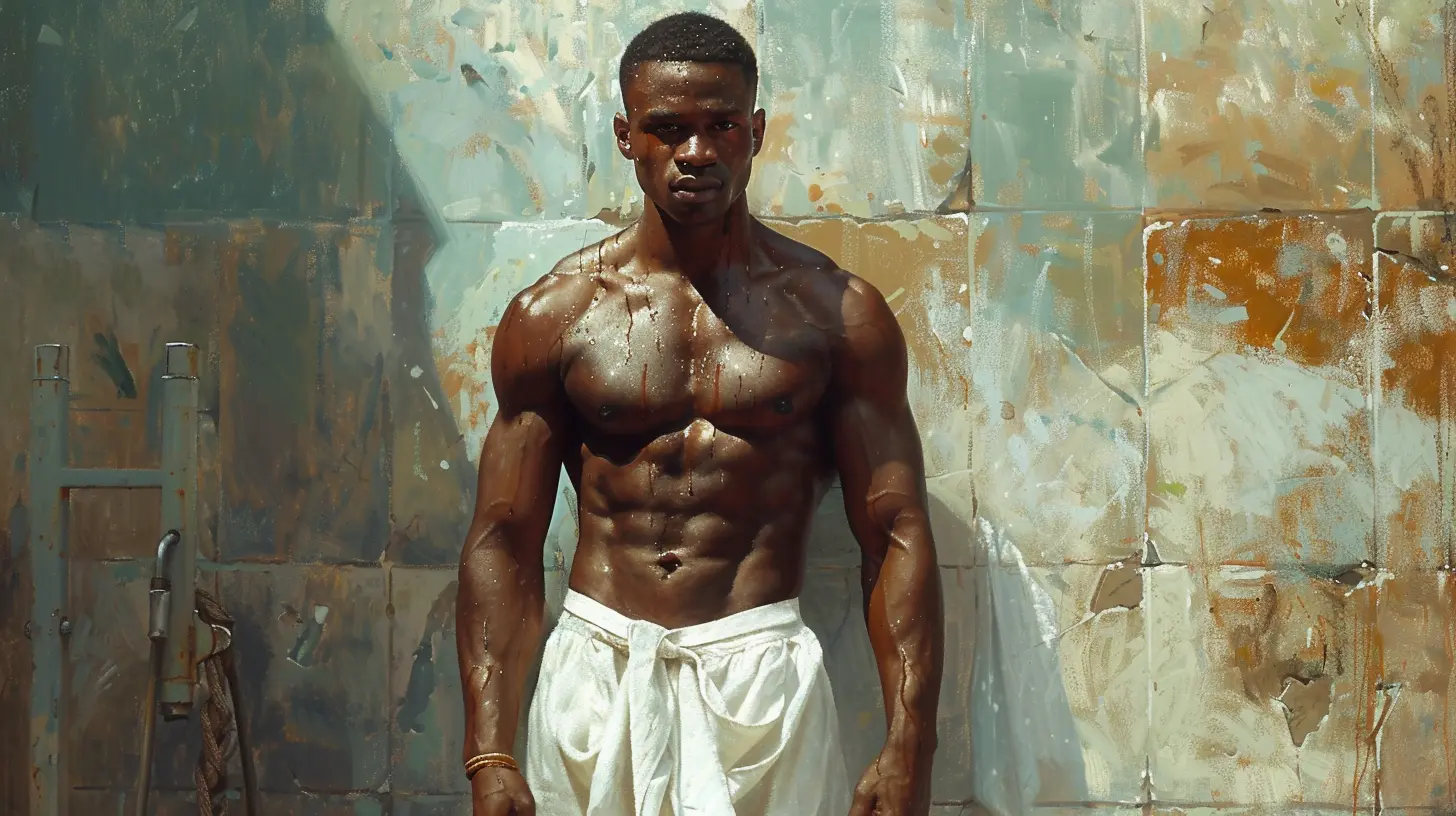
Mid-Morning: Grind Mode Activated
3. Intense Training Blocks
Once the body’s warmed up, it’s time for the real work. Training sessions can range from 90 minutes to 3 hours, depending on the sport and season. NFL stars like Tom Brady spend hours perfecting not only physical skills but also mental performance.What’s in a training block? It depends:
- Basketball players hone shooting drills, agility work, and court awareness.
- MMA fighters mix grappling, striking, and cardio circuits.
- Sprinters focus on explosive starts, technique, and speed endurance.
The key? Purposeful practice. Every rep counts. There’s no such thing as “just showing up.”
4. Fueled by Performance-Based Nutrition
Let’s talk meals. You won’t find these athletes bingeing on fast food. Their post-training fuel is laser-focused on recovery: lean protein for muscle repair, whole grains for sustained energy, and healthy fats to support cell function.Take Serena Williams, who’s a big fan of nutrient-rich meals with a balance of carbs, protein, and greens. For her, food isn’t just fuel — it’s a performance tool.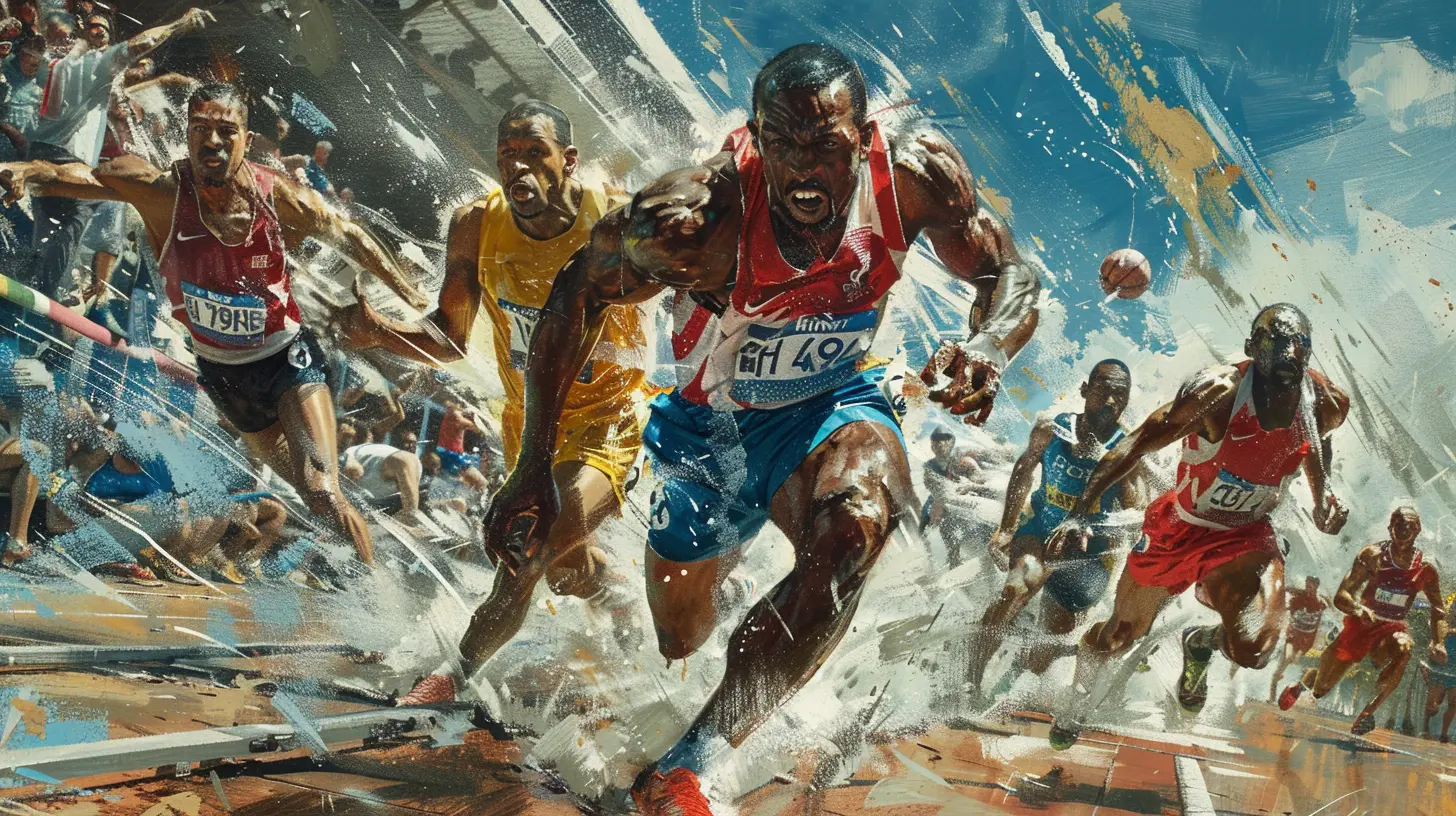
Early Afternoon: Recovery Isn’t Lazy, It’s Strategy
5. Ice Baths, Massages, and Naps
You might think recovery means downtime… well, kind of. But it’s a different kind of active. Top-level athletes treat recovery with as much seriousness as game day. We're talking ice baths, deep tissue massages, and yes, scheduled naps.Usain Bolt famously loved his power naps. And why not? A 30–60 minute nap can restore energy, improve memory, and reboot muscle function.
There’s also the tech side of recovery – cryotherapy chambers, compression boots, and infrared saunas are pretty standard these days.
6. Rehabilitation and Prehab
Even when they’re not hurt, athletes spend time in the training room. Why? Prevention is better than cure. “Prehab” routines focus on building resilience in joints, ligaments, and muscles. Steph Curry reportedly spends hours doing balance work and small-muscle activation drills to avoid injury.
Late Afternoon: The Mind Game
7. Mental Training and Visualization
Physical strength is half the battle. The other half? It’s all in the head. That’s why many top athletes dedicate time each day to mental training. Meditation apps, breathing routines, or even working with sports psychologists—they’ve got the playbook.Michael Phelps famously visualized every stroke before races. He didn’t just imagine winning; he imagined the worst-case scenarios too. That way, nothing caught him off guard.
8. Film Study and Strategy Sessions
Especially in team sports, athletes spend part of their afternoon studying game footage. Think of it like a chess player analyzing past matches. Footballers watch how their opponents press, basketball players look for weaknesses in defensive setups, and fighters dissect sparring clips.This step helps them stay one step ahead — it’s not just about reacting; it's about anticipating.
Evening: Closing Strong
9. Second Sessions or Skill Work
For many, the day isn’t over yet. Some athletes go for a second lighter workout in the evening — focused more on skills than strength. This might include:- Free throw practice for hoopers.
- Light jogs or swims to aid recovery.
- Yoga or pilates to improve flexibility.
It’s not about intensity; it’s about consistency. These second sessions are often lower-pressure and more technical.
10. Family, Food, and Downtime
Finally — dinner time. And no, it's not all kale and quinoa. Even the strictest athletes allow a bit of balance. Lionel Messi might enjoy an occasional Argentinian steak. Balance is key, not perfection.Spending time with family, engaging in hobbies (yes, some gamers among them), and disconnecting from social media rounds out the day. Sleep prep begins hours before they hit the pillow — think blue light blockers, yoga, journaling, or blackout curtains.
Nighttime: Rest Like a Champion
11. Sleep Isn’t Optional — It’s a Weapon
If there’s one thing every world-class athlete agrees on, it’s this: sleep is sacred. They aim for 8–10 quality hours. Why so much? Because growth hormone production peaks during deep sleep. That’s when repairs happen, muscles grow, and the nervous system reloads.Roger Federer once said he sleeps up to 12 hours a night during training. That’s half the day spent recharging. Not lazy — strategic.
What We Can Learn From Them
So, can you or I start training like a world-class athlete overnight? Probably not. But there’s a lot we can borrow from their playbook:- Prioritize recovery as much as effort.
- Dial in your nutrition — even small changes matter.
- Stay consistent. Improvement compounds over time.
- Respect your sleep like your life depends on it (because it kinda does).
- Focus not just on physical goals, but mental ones too.
They may have million-dollar contracts and elite coaching staff, but their core habits? Those are things we can all strive for.
Final Thoughts
It’s easy to see the glitz and glamor — podiums, press conferences, and Instagram fame. But behind the fame lies the grind: early mornings, grueling workouts, and boring discipline repeated every single day. That’s what separates the greats from the rest.The daily routines of world-famous athletes are a masterclass in intentional living. They don’t guess their way to success. They plan, they execute, and they recover with precision. So the next time you catch a buzzer-beater or Olympic gold moment, just remember — that’s the tip of the iceberg.
What lies beneath? Relentless routine. And a champion mindset.
all images in this post were generated using AI tools
Category:
Sports CelebritiesAuthor:

Ruben McCloud
Discussion
rate this article
1 comments
Dash McQuade
The article reveals that fame often overshadows the grueling discipline behind an athlete's success. It's a reminder that talent alone isn't enough; relentless dedication fuels greatness.
May 26, 2026 at 12:03 PM