Behind the Scenes: A Day in the Life of a Professional Athlete
9 March 2026
We all see the glory—those slow-motion replays, the highlight reels, the champagne-worthy wins. But what we don’t see is the grind. The sweat. The sacrifices. Being a professional athlete isn't just about those adrenaline-pumping game-day moments; it's a lifestyle built on discipline, passion, and a relentless drive to be the best.
Let’s pull back the curtain and walk through a day in the life of a pro athlete. Spoiler alert: it’s a lot more than just tossing a ball or scoring a goal.
The Early Bird Catches the Gains: Morning Habit and Wake-Up Routine
Ever hit snooze four times on a Monday morning? Yeah, that luxury doesn’t exist in an athlete’s world. Most pros start their day before the sun even peeks over the horizon—somewhere between 5:00 and 6:30 AM.Why so early? Because the road to peak performance starts with structure and routine.
Hydration comes first. No coffee. No protein shake. Just good old H₂O. After that, it’s usually a quick meditation session, ice bath (yep, really!), or stretching to wake up the body gently. Think of it as nudging a race car engine before hitting the gas.
Then it’s breakfast—high-protein, balanced macros, and very few indulgences. Oatmeal, eggs, avocados, and maybe a smoothie fortified with the usual suspects: protein powder, kale, and the ever-famous banana.
They don’t eat for taste. They eat for fuel. Big difference.
Morning Workouts: Where Champions Are Made
Once the body’s charged, it’s straight to the gym or training facility. This isn’t your casual 30-minute elliptical spin while watching reruns. We’re talking intense, focused, and highly customized sessions.Strength and conditioning are the main events. Olympic lifts, explosive drills, resistance training, and core stability work. For example:
- Deadlifts for power
- Sled pushes for endurance
- Plyometrics for explosiveness
Every rep is purposeful. Every drop of sweat counts. And every coach in the room is watching like a hawk, ready to correct form or push a little harder.
Oh, and let’s not forget the recovery in-between sets—foam rolling, stretching, and hydration breaks are non-negotiable.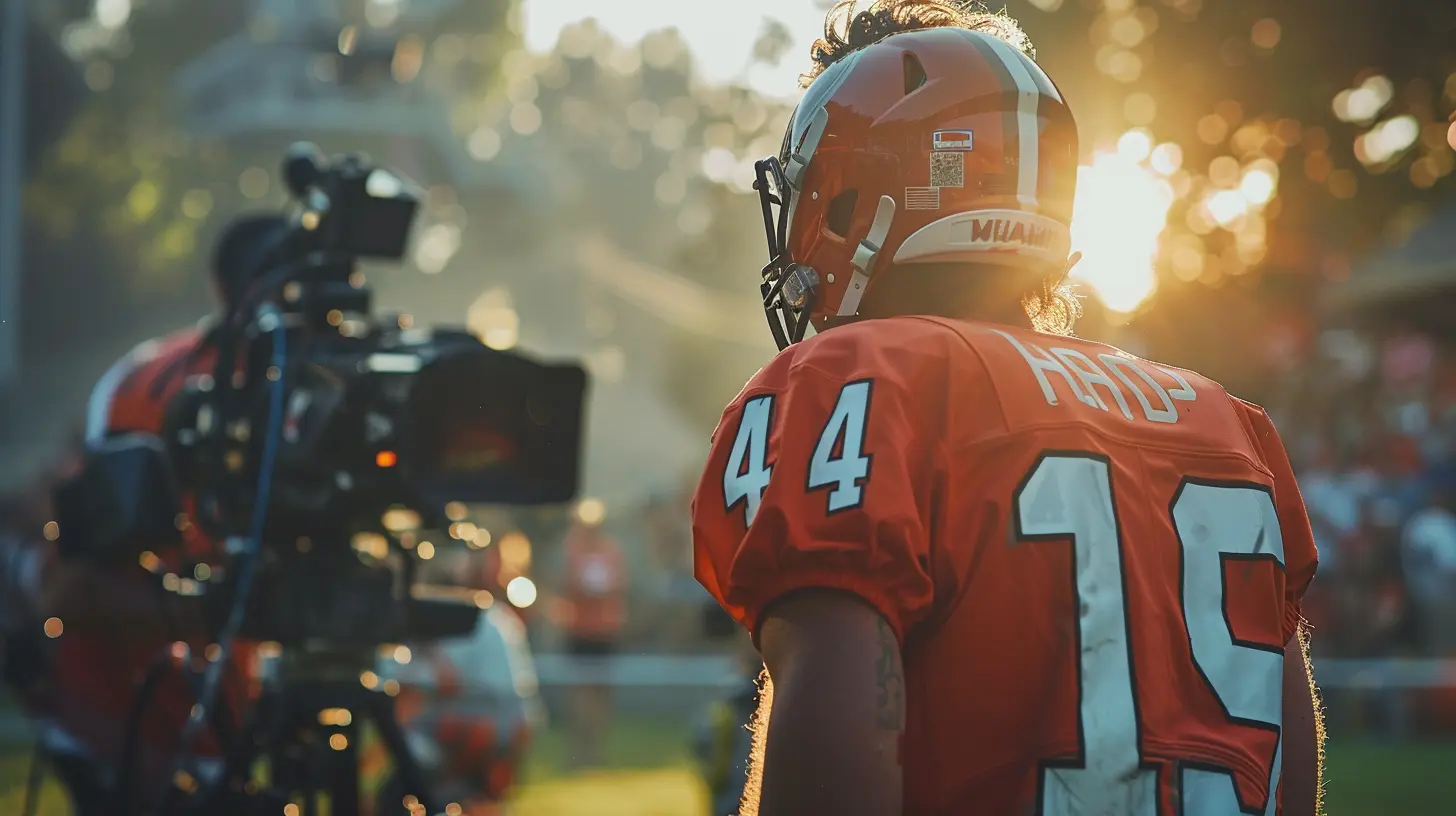
Physical Therapy and Injury Prevention: The Unseen Battle
Here’s the harsh truth: pain is part of the game. But injury? That’s the enemy every athlete tries to outmaneuver.After workouts, athletes usually head straight to the physio room, where specialists work on mobility, alignment, and muscle recovery. Think massages, dry needling, cupping, cryotherapy, and hours of rehab work. It’s like going to the mechanic to tune up a race car.
This isn’t luxury—it’s survival. A tiny misstep, an ignored soreness, or a tight hamstring can sideline a career. So, athletes don't just train to perform. They train not to break.
Fueling the Machine: Nutrition Like Clockwork
Midday calls for refueling the tank. And no, that doesn’t mean swinging by a burger spot.Professional athletes eat between 4 to 6 meals a day. Each one is calculated to help with muscle recovery, maintain energy, and reduce inflammation.
You’re looking at:
- Lean proteins: chicken, fish, eggs
- Complex carbs: quinoa, brown rice, sweet potatoes
- Healthy fats: nuts, olive oil, avocado
- A rainbow of veggies for micronutrients
It’s scientifically tailored and often designed by a sports dietitian. Every calorie has a job to do. Eating like a pro is less about joy and more like fueling a rocket before liftoff.
Mental Training: Sharpening the Mind
Talent gets you in the game. But mindset? That’s what wins championships.Many athletes dedicate part of their day to mental training. That includes:
- Meditation and visualization
- Working with sports psychologists
- Reviewing game footage to identify areas for improvement
Visualization is huge. Imagine closing your eyes and running through the next game—move by move, shot by shot—as if you're already playing it. It’s like rehearsing greatness before it goes live.
The mind doesn’t just react during pressure, it remembers. And that memory is built through consistency.
Afternoon Practice: Craft Before Glory
After lunch and a quick nap (yes, recovery naps are sacred), it’s time for on-the-field or on-the-court training. This phase is where the magic gets refined.Drills, tactics, scrimmage, repetition. Whether it’s perfecting a free throw, a corner kick, or a sprint start—it’s all about muscle memory.
Coaches are very hands-on during this phase. Technologies like GPS trackers and performance monitors keep tabs on speed, distance covered, and work rate. Data meets grind.
And the team chemistry? That’s built here, not during the game.
Media, Branding, and Off-the-Field Responsibilities
Now, this part might surprise you.Being a professional athlete isn’t just about playing well. It’s about representing. There's media to attend to—interviews, press conferences, podcasts, social media content shoots. In today’s digital age, every athlete is their own brand.
And managing that brand takes effort. Sponsors want visibility. Fans want stories. The team wants engagement.
Athletes often have media training just so they know how to handle tough questions or go viral for the right reasons.
It's a full-time job in itself.
Evening Wind-Down: Recovery, Rehab, and Rest
By the time dinner rolls around (usually eaten earlier than most of us), the athlete's body is beat. But rest isn't as simple as hitting the couch and flipping on Netflix.Evenings often include:
- Light mobility work or yoga
- Another short physio session
- Contrast baths (hot-cold therapy)
- Wearing compression gear
- Journaling or meditation to decompress
Sleep is treated like another workout—taken seriously and scheduled religiously. Most athletes clock 8–10 hours of sleep, often in pitch-black, tech-free rooms with white noise or eye masks.
Why? Because recovery is where gains are made.
The Human Side: Sacrifices and Struggles
Let’s keep it real.Being a pro athlete isn’t just physically demanding—it’s emotionally heavy. There’s constant performance pressure, scrutiny from fans and media, and the ever-looming threat of injury or being replaced.
They miss birthdays, weddings, family dinners. They live out of suitcases, jump time zones like it’s nothing, and often battle loneliness.
And even when they’re not training, their mind is still running plays, watching film, or thinking about the next game. In many ways, their sport becomes their identity.
It’s not complaining. It’s just the tradeoff they accept for chasing greatness.
Why It Matters: Respect the Grind
Next time you watch a game and catch yourself yelling at the TV because your favorite player missed a shot, take a second.Remember their day started before yours. That they spent hours preparing for that one moment. That behind every play is a story of pain tolerance, sacrifices, and insane hard work.
Athletes aren’t superheroes. They're humans doing super things because they dedicate their lives to it.
So, yeah—that missed goal might sting. But behind it is a story of someone who’s given up almost everything for the chance to step on that field.
Final Thoughts: More Than Just a Game
Behind every game-winning shot, every touchdown, and every lap around the track is an invisible mountain of effort. A day in the life of a professional athlete isn’t glamorous. It’s exhausting. It’s intense. And it’s beautiful in its own brutal way.It’s not just the training or the diet. It’s the mindset. The obsession. The focus. The resilience.
And those rare moments of victory? They’re not luck. They’re earned—in the early mornings, the missed parties, the silent battles, and the unseen hours.
So whether you're an aspiring athlete or a lifelong fan, let this give you a deeper appreciation. Because being a pro isn’t about one game. It’s about every moment that led up to it.
all images in this post were generated using AI tools
Category:
Sports CelebritiesAuthor:

Ruben McCloud
Discussion
rate this article
2 comments
Sienna Summers
Great insight into the dedication of athletes—truly inspiring!
April 5, 2026 at 4:51 AM
Ruben McCloud
Thank you! I'm glad you found it inspiring!
Carson McGovern
Great insight into the dedication and discipline required in professional sports! It truly highlights the athlete's commitment to excellence.
March 10, 2026 at 5:17 AM
Ruben McCloud
Thank you! I'm glad you found the article insightful. The commitment of athletes is truly inspiring!