Can a Player Negotiate Their Own Contract? A Look at Self-Representation
13 May 2026
Let's face it—when we think about professional athletes and contracts, we usually imagine high-powered agents in expensive suits, making complex deals behind closed doors. But what if an athlete decides to take matters into their own hands? Can a player negotiate their own contract? Is it bold or just plain risky?
The short answer is: yes, athletes can negotiate their own contracts. But whether they should is a whole different conversation. So, buckle up. We're diving deep into the world of self-representation, the pros and cons, famous examples, and why some players are ditching agents altogether.
What Does Self-Representation Mean?
Before we get into the nitty-gritty, let’s break down what self-representation actually means in sports.Self-representation is when an athlete chooses to handle their own contract negotiations instead of hiring a professional sports agent. That means they’re the ones sitting at the negotiating table, reviewing legal language, discussing salary terms, and even handling endorsement deals.
In short, they’re doing everything an agent would do—solo.
Sounds empowering, right?
Why Would an Athlete Choose to Go Solo?
It’s a fair question—why risk messing up a multi-million-dollar deal?1. Saving That Agent Fee ?
The biggest motivator? Money. Agents typically charge 1% to 5% of the player’s contract. For top-tier athletes, that’s a huge chunk of change going out the door.Let’s say you sign a $50 million contract, and your agent gets a 3% cut. That’s $1.5 million gone, just like that.
By negotiating your own deal, you keep that cash in your own pocket.
2. Full Control Over Decisions
Some players just want to be in control. They don’t want someone else speaking for them when their future is on the line.Self-representation means you’re calling the shots, setting the tone, and shaping every term to fit your needs—not your agent’s priorities.
3. Trust Issues
Believe it or not, not all athletes trust agents. Stories about agents prioritizing their commissions or having conflicts of interest aren’t uncommon. Some players feel more secure knowing they’re not being manipulated or misled.4. Simpler Contracts
Depending on the sport and league, some contracts are actually pretty straightforward. If you’re a veteran with a solid reputation, you might not need any bells and whistles in your contract.So why pay an agent to do something you can handle?
Risks Involved in Self-Negotiation
Alright, now for the other side of the coin. Self-representation might sound appealing, but it’s not all sunshine and touchdowns.1. Lack of Expertise
Even if you’re brilliant on the field, negotiating legal contracts is a whole different ball game. There are clauses, bonuses, guarantees, and legal jargon that most people just don't understand.Miss one detail, and you could lose millions—or worse, tie yourself into a deal you regret.
2. Emotional Attachment
Negotiating your own contract can get personal. Think about it—you’re sitting across from a team executive who might be undervaluing you, questioning your worth, or even bringing up your flaws.That can sting. And emotions don’t mix well with business decisions.
Agents act as buffers. They take the heat so the player doesn’t have to.
3. Time and Focus
Athletes are paid to perform, not to become contract lawyers. The time and energy it takes to prepare for negotiations can distract from training and focus.Add in travel, media duties, family life—it adds up quick.
4. No Access to Networks
Agents come with connections. They know general managers, team owners, and other agents. They can leverage those relationships to get better deals.If you’re going solo, you’re also cutting off access to those behind-the-scenes conversations.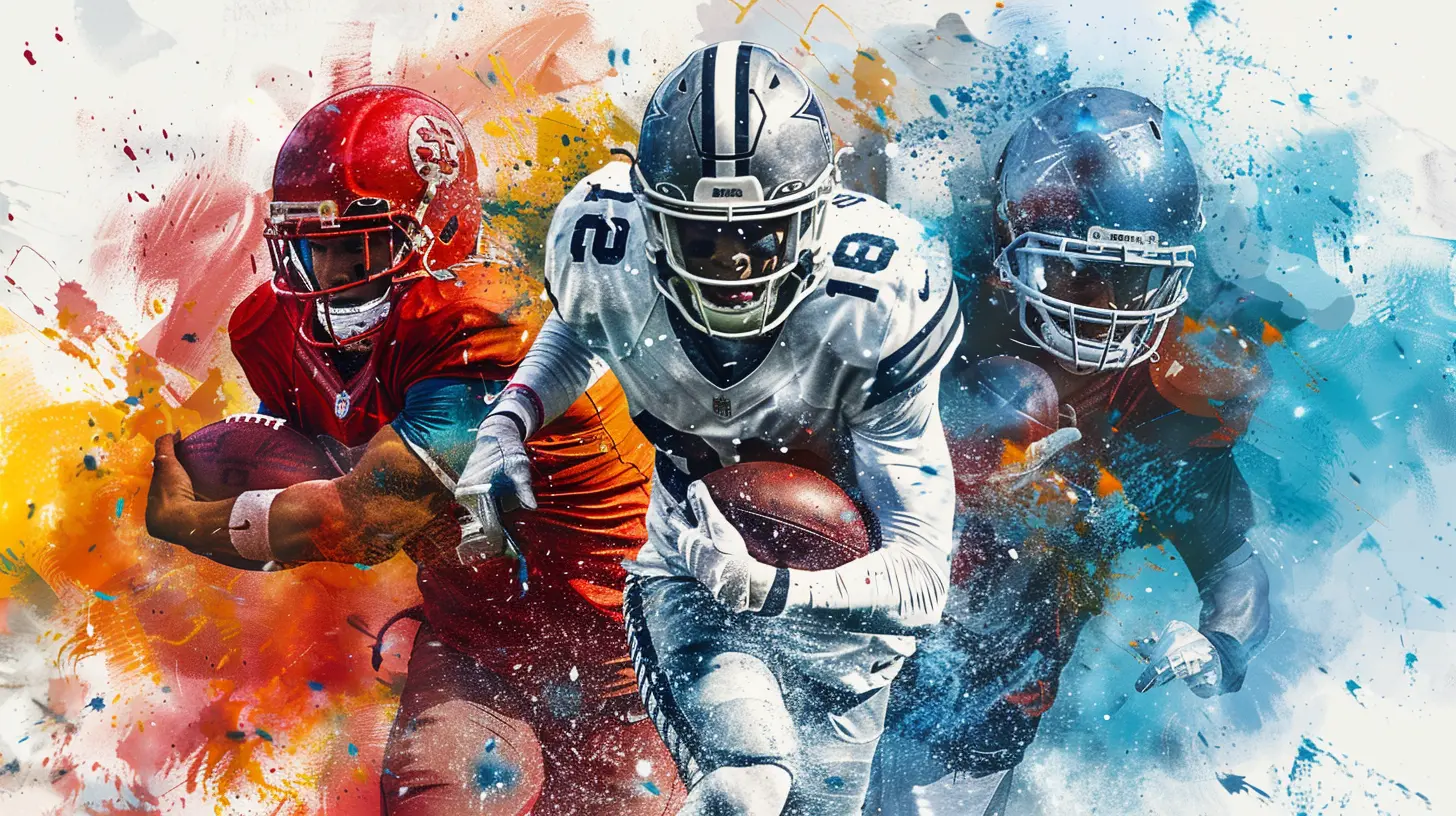
Famous Athletes Who Negotiated Their Own Contracts
Despite the risks, several athletes have famously said “thanks, but no thanks” to agents. Let’s look at a few of the boldest examples.1. Richard Sherman – NFL
Probably the most famous self-representing athlete in recent years, former Seattle Seahawks cornerback Richard Sherman negotiated his own deal with the San Francisco 49ers in 2018.He signed a three-year, $39 million deal loaded with incentives. Though some critics called it risky, Sherman earned $31 million of it and later called it one of the best deals of his career.
2. Lamar Jackson – NFL
In 2023, Baltimore Ravens QB Lamar Jackson turned down traditional agent representation and negotiated a five-year, $260 million contract with $185 million guaranteed. That made him the highest-paid player in NFL history at the time.Pretty impressive, right?
3. Laremy Tunsil – NFL
Houston Texans offensive tackle Laremy Tunsil negotiated not one, but two record-setting contracts by himself. His latest? A $75 million extension in 2023, making him the highest-paid offensive lineman in the league.So, Is It Worth It?
That’s the million-dollar question (sometimes literally).If you’re smart, confident, good with numbers, and not afraid of confrontation—self-representation might be right up your alley. You could save a boatload of cash and take full control of your career.
But—and it’s a big but—if you’re not experienced with legal contracts or don’t have the time to study every possible outcome, you're better off with an agent. A good one can unlock value that more than makes up for their cut.
How Players Can Prepare to Represent Themselves
Thinking about going solo? Here’s what you gotta do:1. Know the Collective Bargaining Agreement (CBA)
Every major league (NFL, NBA, MLB, NHL) has a CBA that outlines the rules, salary caps, and contract structures. You don’t need to memorize it, but you should understand the parts that apply to your role.2. Hire a Lawyer (Not an Agent)
You don’t need an agent, but you do need a lawyer. A good sports attorney can vet contracts, explain complex terms, and make sure you’re not getting short-changed.It’s a lot cheaper than a full-time agent and still gives you a safety net.
3. Study Market Value
You’ve got to know what players like you are getting paid. Look at comparable contracts, ages, stats, injury history—everything.That way, you’ll walk into negotiations knowing your worth.
4. Hone Your Communication Skills
When you’re negotiating, your communication needs to be rock-solid. Clear, confident, and professional. No rambling. No personal jabs.Think of it like a job interview—with a couple million bucks on the line.
The Trend: Is Self-Representation on the Rise?
Believe it or not, it kinda is.With more resources available online, increased athlete empowerment, and a growing distrust in the agent system, more players are at least considering self-representation.
Don’t expect it to become the norm overnight, but in a world where athletes are also entrepreneurs, influencers, and brand managers, taking control of contract negotiations doesn’t seem so far-fetched anymore.
Final Thoughts
So, can a player negotiate their own contract? Absolutely. Should they? That depends on the player.If you’re someone who loves control, hates middlemen, and is willing to do the homework—go for it. But understand the possible pitfalls. One wrong move could cost you millions, your career momentum, or future opportunities.
Think of it like fixing your own car. Sure, you might save money by doing it yourself. But if you don’t know what you're doing, you could wreck your engine and end up paying way more in the long run.
Whether you’re an aspiring athlete or just a curious fan, one thing's for sure: self-representation is shaking up the sports world—and it’s not going away anytime soon.
all images in this post were generated using AI tools
Category:
Sports ContractsAuthor:

Ruben McCloud
Discussion
rate this article
1 comments
Astra McGovern
Intriguing perspective on player autonomy.
May 22, 2026 at 3:38 AM
Ruben McCloud
Thanks for your thoughts! Player autonomy is crucial in shaping modern contracts.