Crowd Noise Rules and Their Effect on Fair Play
28 November 2026
Crowd noise is one of the most misunderstood forces in sport. Fans treat it as atmosphere. Players treat it as fuel. Officials treat it as interference. Governing bodies treat it as a variable to be regulated, sometimes aggressively, sometimes barely at all. The truth is that crowd noise sits at the intersection of competitive fairness, player safety, and the commercial identity of a sport, and the rules built around it are rarely as clean as they appear on paper.
This article looks at how crowd noise is actually governed, why those rules exist, where they fail, and what players, coaches, officials, and event organizers should understand before they assume the noise around them is neutral. It is not. Noise shapes decisions, and the rules that manage it shape who wins.
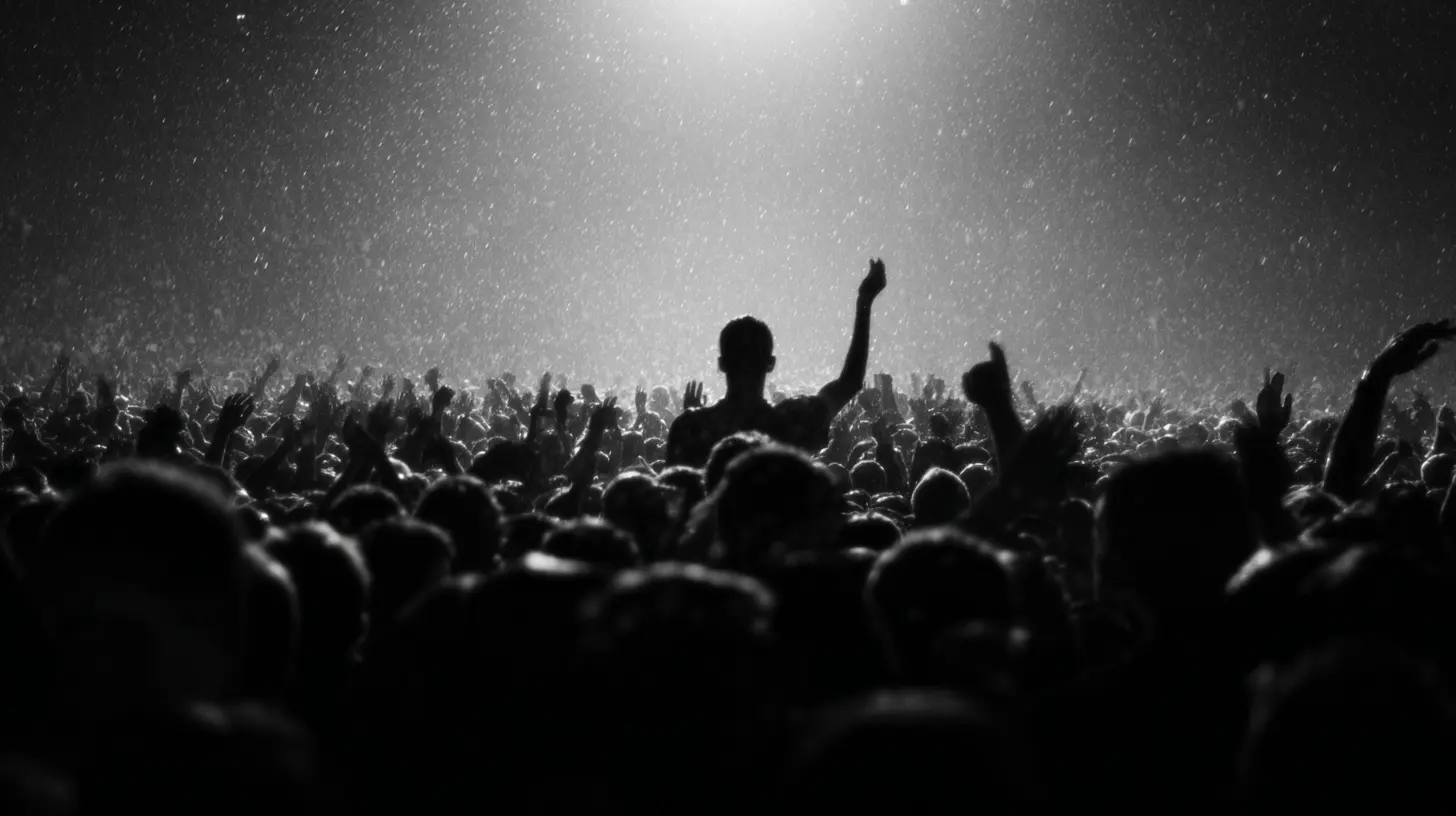
What "Crowd Noise Rules" Actually Covers
The phrase sounds simple, but it bundles several distinct regulatory areas that are often confused with one another.Artificial noise versus organic noise
Most sports distinguish between noise a crowd makes naturally and noise introduced through amplification. Organic noise, such as cheering, jeering, or singing, is usually tolerated or embraced. Artificial noise, delivered through speakers or devices, is frequently restricted or banned because it can be calibrated, timed, and weaponized in ways a human crowd cannot.Timing-based restrictions
Many sports restrict when a crowd may be loud. Tennis and golf are the clearest examples. Spectators are expected to stay quiet during points and shots, then applaud between them. These rules are not about politeness alone. They protect the athlete's ability to concentrate during a narrow window of execution.Communication interference
Sports that rely on verbal coordination, such as American football, rugby, and some forms of baseball, have rules about noise that prevents players from hearing signals. These rules can target the crowd directly, as with stadium announcements, or they can shift responsibility onto the home team to manage its own fans.Safety and conduct rules
Some noise rules exist to prevent escalation. Sustained abusive chanting, coordinated harassment, or noise designed to provoke violence falls under stadium conduct regulations rather than competitive rules. These are enforced through stewarding, warnings, and in serious cases, partial stadium closures.Understanding which category a rule belongs to matters, because the logic behind each is different. A rule protecting concentration is not the same as a rule protecting player communication, and neither is the same as a rule protecting public order.
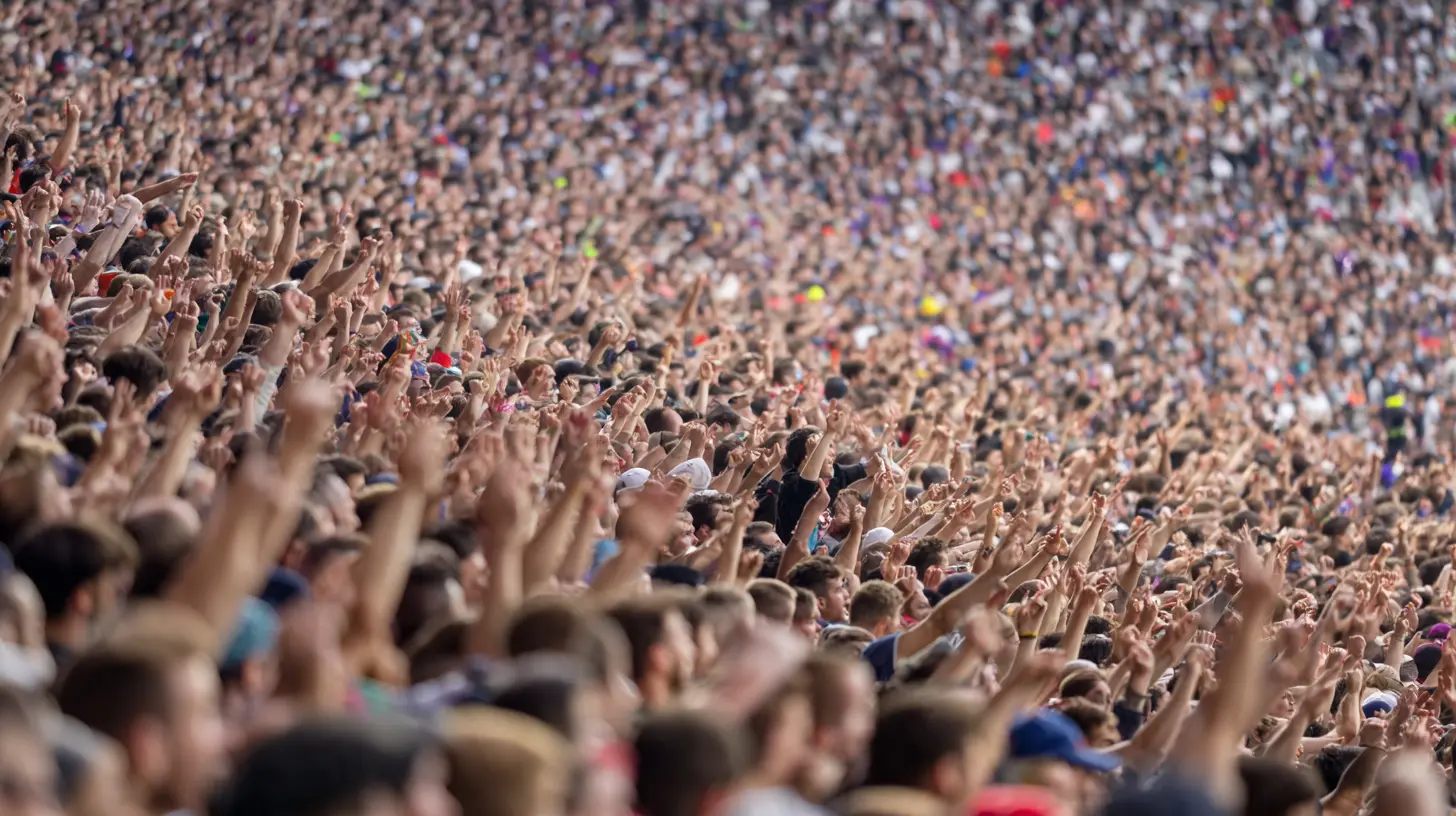
Why Sports Regulate Crowd Noise at All
The core argument for noise regulation is fairness. Competition assumes that the conditions of play are roughly equal for both sides, or at least that any advantage is earned through skill and preparation rather than through external manipulation.Crowd noise breaks that assumption in two ways.
First, it can directly impair performance. A golfer mid-putt, a tennis player mid-serve, or a placekicker mid-approach is executing a fine motor skill under time pressure. A sudden shout at the wrong moment is not just distracting. It can physically disrupt the movement pattern.
Second, it can distort communication. In sports where players rely on hearing calls, signals, or instructions, noise becomes a tactical weapon. If a home crowd can drown out an opponent's play calls, the home team gains an advantage that has nothing to do with athletic ability.
Rules attempt to draw a line between atmosphere and interference. That line is genuinely difficult to place, and different sports have placed it in very different spots.

How Different Sports Handle It
Tennis: quiet during play, loud between points
Tennis is the most recognizable example of strict noise protocol. Spectators are expected to remain silent while the ball is in play. Applause comes between points. Movement in the stands is discouraged during points.Why does this work? Tennis points are short and require continuous split-second decisions. The player serving is initiating a sequence that depends on rhythm and timing. A single shout can disrupt the toss, the swing, or the recovery. The rule protects the integrity of each point.
Where it gets complicated is enforcement. Officials cannot control thousands of people in real time. In practice, the rule relies on social norms and occasional reminders from the chair umpire. When a crowd decides to be loud, the umpire has limited tools beyond asking for quiet and, in extreme cases, calling for a delay.
Golf: silence as part of the ritual
Golf's quiet rules are even more entrenched, and for similar reasons. The golf swing is a precise motion executed in near stillness. Spectators are asked to stay quiet and still during shots.The trade-off is real. Golf's silence culture can feel exclusionary to newcomers and can create awkward tension when casual fans behave like fans at other sports. But the rule persists because the sport's competitive structure depends on it. A single mis-hit caused by a shout can cost a tournament.
American football: noise as a legitimate home advantage
American football takes the opposite approach. Crowd noise is not just tolerated. It is cultivated. Home teams routinely encourage fans to be loud when the visiting offense is on the field, particularly on third down.The league does have rules. Artificial noise designed to simulate crowd noise is restricted. Stadium sound systems must be turned off or reduced in certain situations. But organic crowd noise is treated as part of the game.
Why the difference? Football plays are discrete and reset-based. Players have a play clock and a huddle. The offense can use silent counts and hand signals. The sport has built-in mechanisms to function in noise, which means noise becomes a strategic variable rather than a fairness violation.
Rugby: communication under pressure
Rugby relies heavily on verbal communication for set pieces and defensive organization. Crowd noise can genuinely disrupt lineout calls and backline organization. The sport does not attempt to silence crowds. Instead, teams develop silent signals and rehearsed systems that function in loud environments.This is a revealing design choice. Rather than regulating the crowd, rugby regulates the team's preparation. The implicit message is that coping with noise is part of the skill set.
Baseball: organ noise and walk-up songs
Baseball's relationship with noise is more relaxed, but not unregulated. Stadium audio, walk-up music, and organ cues are part of the entertainment product. Rules generally focus on not using audio to interfere with play, such as during a pitch, rather than on limiting crowd volume.The pattern across sports
The pattern is not random. Sports with continuous, precision-dependent actions tend to restrict noise. Sports with discrete, reset-based actions tend to permit or encourage it. The rule follows the structure of the game, not the preferences of the fans.
The Home Advantage Question
One of the most persistent debates is whether crowd noise creates an unfair home advantage or simply a legitimate one.The honest answer is that it does both, depending on how the sport is structured.
In football, crowd noise is a known contributor to false starts and communication breakdowns for visiting offenses. Teams practice with crowd noise piped into their own facilities precisely because they know it will happen. The advantage is real, but it is anticipated and prepared for.
In tennis, the same level of noise would be considered a violation. The sport has decided that the advantage would be too disruptive to the integrity of individual points.
The key distinction is whether the noise affects the execution of a skill or the communication of a plan. Skills are harder to protect without silencing everyone. Communication can be protected through rules and through team preparation.
This is why arguments about "unfair" crowd noise often miss the point. The question is not whether noise helps the home team. It does. The question is whether the sport has decided that this particular form of help is acceptable.
Where the Rules Break Down
Enforcement is inherently uneven
Crowd noise rules are among the hardest to enforce consistently. Officials can issue warnings, but they cannot identify and remove thousands of people. Enforcement tends to be reactive and selective, which creates inconsistency.A crowd that is loud in a way officials find manageable gets tolerated. A crowd that is loud in a way officials find threatening gets sanctioned. The line between the two is not always principled.
Rules can penalize the wrong people
When a stadium is sanctioned for crowd behavior, the penalty often falls on the team, the club, or the law-abiding majority of fans. This raises a fairness question of its own. Is it reasonable to hold a club responsible for the actions of individuals it cannot fully control?Most governing bodies say yes, on the grounds that clubs can influence culture, stewarding, and stadium policy. Critics say the approach punishes everyone for the actions of a few and does little to change behavior.
Ambiguity invites exploitation
Where rules are vague, teams and fans test them. Artificial noise that is technically within limits but functionally disruptive is a recurring issue. So is coordinated chanting designed to fall just short of sanctionable abuse.Clear, specific rules reduce this problem. Vague rules invite a cat-and-mouse dynamic that benefits whoever is most willing to push boundaries.
Common Misconceptions
Misconception one: crowd noise rules exist to protect feelings
They do not. They exist to protect competitive integrity, player safety, and in some cases public order. Framing them as politeness rules misunderstands their purpose and makes them easier to dismiss.Misconception two: all noise is treated the same
It is not. Timing, intent, amplification, and content all matter. A roar after a goal is treated differently from a shout during a serve. A chant is treated differently from a slur. A stadium speaker is treated differently from a human voice.Misconception three: silent crowds are neutral
Silence is not neutral either. A quiet crowd can reduce home advantage, which is why some teams actively work to keep fans engaged. The absence of noise is its own competitive condition, and sports that enforce silence are making a deliberate choice about what kind of contest they want.Misconception four: rules eliminate the problem
Rules manage the problem. They do not eliminate it. Crowd behavior is human behavior, and human behavior under adrenaline, alcohol, and group identity is not fully controllable through regulation. The realistic goal is harm reduction, not perfection.Practical Guidance for Different Stakeholders
For players and coaches
Assume noise will happen and prepare for it. Silent counts, hand signals, rehearsed routines, and noise-desensitization training are not workarounds. They are core competencies in any sport where crowd noise is a factor.Do not assume officials will protect you. In most sports, the official's ability to control a crowd is limited. Build your own systems so that a loud environment does not become an excuse.
For officials
Be consistent and communicate early. A clear pre-match reminder about noise expectations does more than a dozen reactive warnings. When you do intervene, explain the reason. Crowds respond better to "the server needs quiet to start the point" than to an unexplained gesture.Document patterns. If a specific section of a stadium is repeatedly causing problems, that information matters for post-match review and for future stewarding decisions.
For event organizers
Separate the entertainment layer from the competitive layer. Stadium audio, music, and announcements should be designed so they do not interfere with play. This is easier to control than crowd behavior and often more impactful.Train stewards to distinguish between enthusiasm and interference. The two look similar in the moment but require very different responses.
For fans
Understand the sport you are watching. The norms are not arbitrary. They reflect the structure of the game and the demands placed on the athletes. A fan who understands why silence matters during a serve is more likely to respect it than one who sees it as a stuffy tradition.
Best Practices That Actually Work
Make the rule visible. Sports that display noise expectations on scoreboards, in announcements, and in stadium guides get better compliance than sports that rely on cultural knowledge alone.Design for the sport, not against the crowd. Rugby's approach of building silent communication into team systems is more durable than trying to silence thousands of people. Where possible, design the sport's communication methods to survive noise.
Use graduated responses. A reminder, then a warning, then a sanction. Jumping straight to punishment breeds resentment and inconsistency.
Protect the critical window. Rules are most effective when they target the specific moment that matters, such as the instant before a serve or a putt, rather than attempting to control noise across an entire event.
Review and revise. Crowd behavior changes. Stadium technology changes. Rules written for one era may not fit the next. Regular review keeps the framework credible.
The Trade-Offs Nobody Likes to Discuss
Every noise rule involves a trade-off between fairness and atmosphere.Strict silence protects concentration but can make an event feel sterile and can alienate casual fans. Loose rules create energy and home advantage but can allow interference to become a competitive strategy.
There is no universally correct balance. Tennis and football have chosen opposite ends of the spectrum, and both are internally coherent. The mistake is assuming one sport's answer should apply to another.
What matters is that the trade-off is made deliberately, communicated clearly, and enforced consistently. When rules are arbitrary or unevenly applied, they lose legitimacy, and once legitimacy is gone, compliance collapses.
Final Thoughts
Crowd noise rules are not decoration. They are competitive infrastructure. They determine whether a match is decided by skill or by who can shout loudest at the right moment.The best rules are specific, visible, and matched to the structure of the sport. They protect the moments that require silence without trying to suppress the energy that makes live sport worth attending. They accept that enforcement will be imperfect and design for harm reduction rather than perfection.
For anyone involved in sport, from the athlete on the field to the steward in the stands, the practical takeaway is the same. Noise is part of the conditions of play. Understand the rules, prepare for the noise, and respect the moments where silence is not a courtesy but a requirement.
all images in this post were generated using AI tools
Category:
Crowd InfluenceAuthor:

Ruben McCloud