Famous Athletes Who Have Become Role Models for Mental Health Advocacy
10 August 2026
Let’s be honest. For the longest time, athletes were seen as invincible. Superhuman, even. They were expected to push through injuries, endure pressure, and keep winning—no matter what. Showing emotion or talking about mental health? That was “weakness.” But times have changed, and thankfully, so have conversations around mental well-being.
Today, some of the world's biggest sports stars are using their platforms to talk about something way more important than points or medals—mental health. These athletes are not just competing on the field anymore. They’re opening up about their personal struggles, breaking taboos, and showing others that it’s okay to not be okay.
In this article, we're diving into the inspiring stories of famous athletes who’ve become powerful role models for mental health advocacy. These are the folks who’ve turned their pain into purpose—and in doing so, they've started a movement that's changing the game in and outside of sports.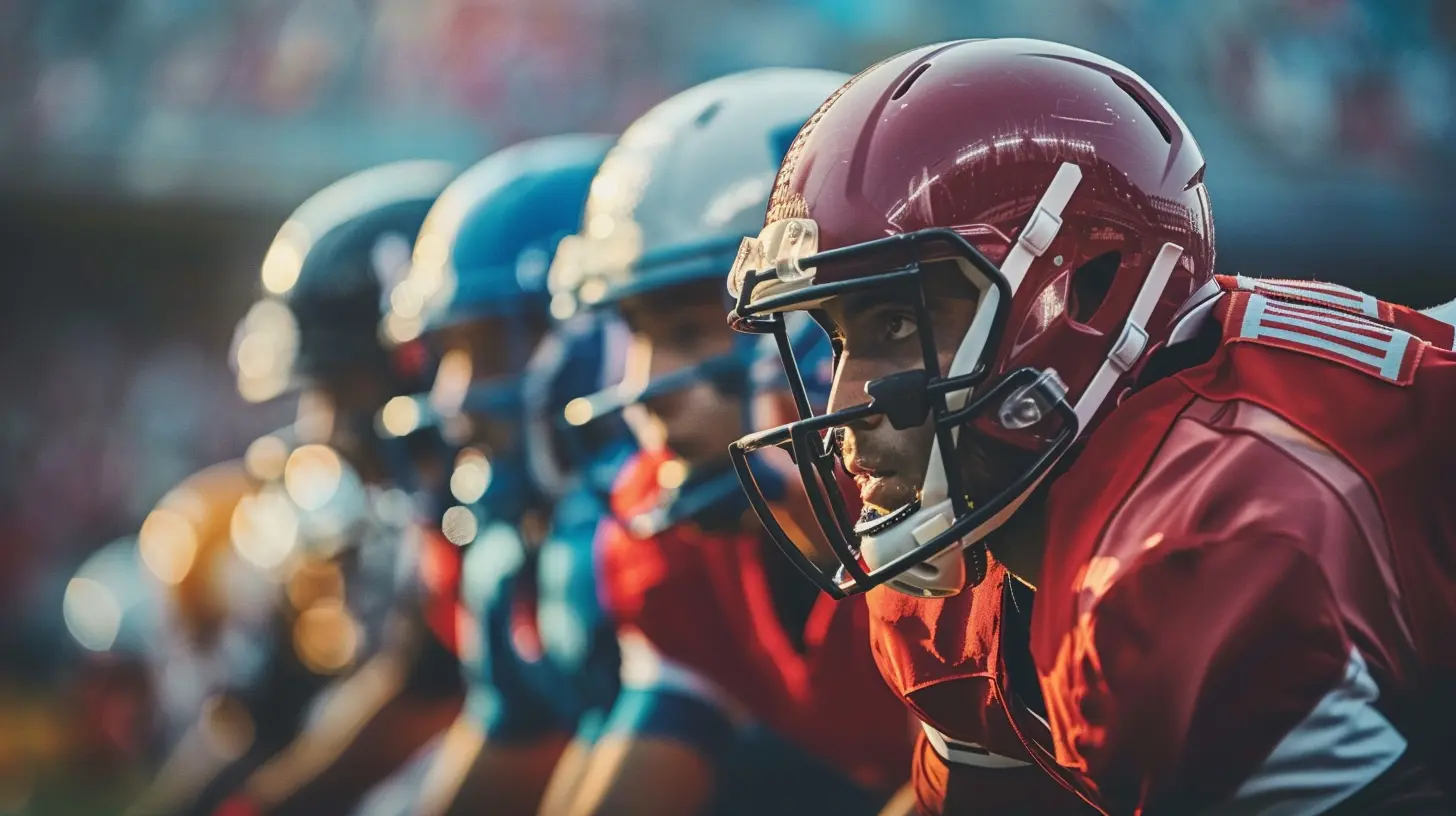
Why Does Mental Health Advocacy in Sports Matter?
Let’s put it this way: Athletes aren’t robots. They’re people. And just like you and me, they go through anxiety, depression, burnout, and more. The only difference? They do it in the spotlight, with millions of fans watching.So when a big-name athlete opens up about their mental health, it's a loud and clear message: "You're not alone." It helps break the stigma, encourages others to seek help, and builds a culture of support. And maybe, just maybe, it saves lives.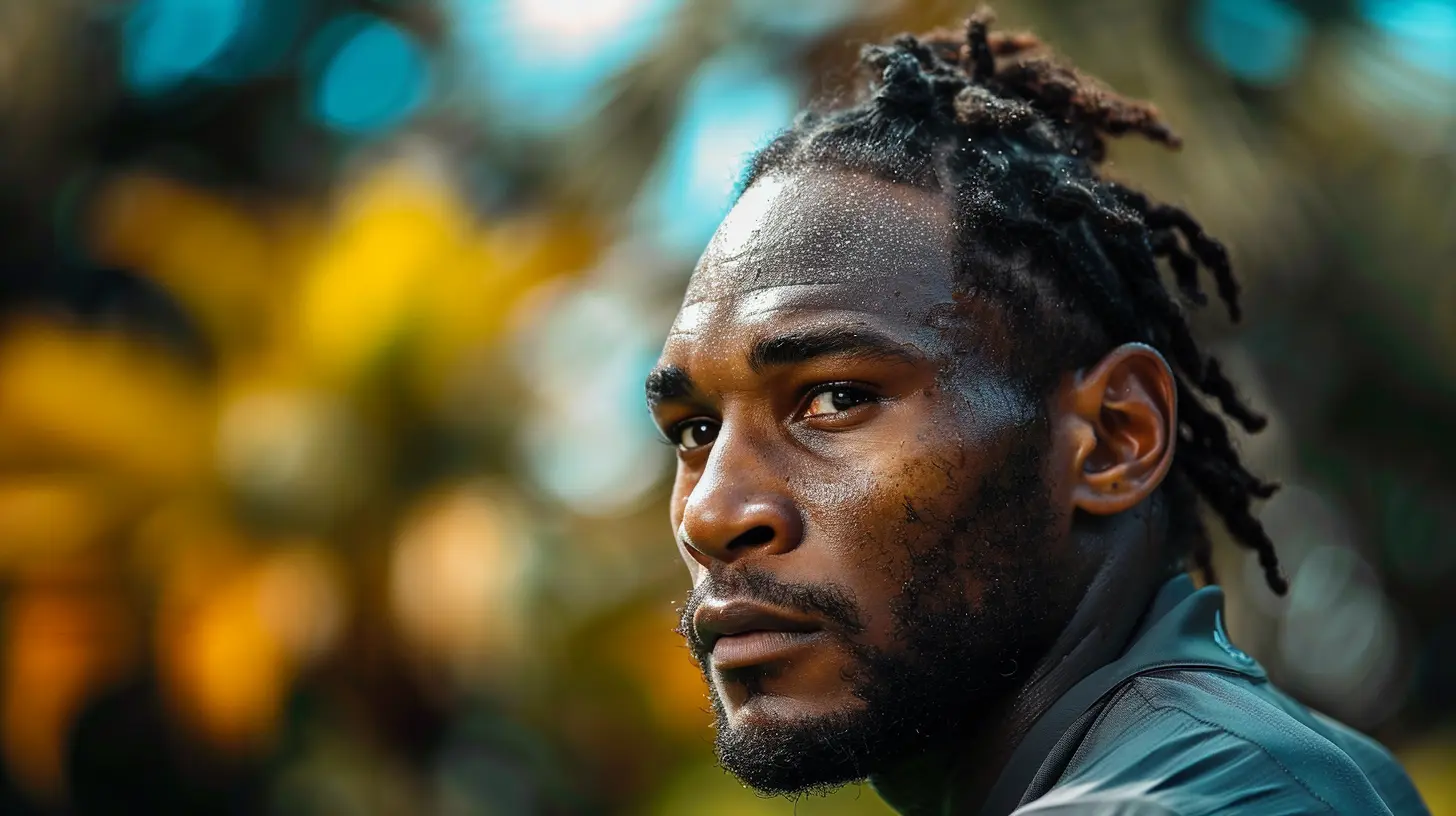
1. Simone Biles — The Courage to Say "Stop"
You probably know Simone Biles as one of the greatest gymnasts of all time. But during the 2021 Tokyo Olympics, she did something even more powerful than a gold-medal-winning flip—she withdrew from the competition to prioritize her mental health.Yeah, it shocked the world. Some praised her; others criticized her. But Simone didn’t back down. She openly talked about struggling with the "twisties" (a mental block that affects spatial awareness), anxiety, and the immense pressure she felt.
By choosing her well-being over medals, Biles sent a massive message: Your mental health matters more than anything else. Her story redefined what strength looks like—and it doesn’t always wear a leotard or stand on a podium.
2. Michael Phelps — Swimming Through Depression
Michael Phelps is the most decorated Olympian ever. But behind every gold medal was a man battling deep emotional pain. After the 2012 Olympics, he hit rock bottom. Depression, anxiety, substance abuse—you name it.But instead of staying silent, Phelps opened up about his journey. He spoke out, went to therapy, and began advocating for mental health support for athletes. Today, he works with the "Talkspace" therapy platform and runs the Michael Phelps Foundation, aimed at promoting healthy living and mental wellness.
His honesty has helped countless people—not just athletes—realize that success doesn’t protect you from mental illness. And asking for help? That’s not weakness. That’s strength.
3. Naomi Osaka — Quiet Strength, Loud Impact
Naomi Osaka isn’t just a tennis star—she’s a force of nature. In 2021, she made headlines when she withdrew from the French Open citing mental health reasons. She revealed her battles with depression and social anxiety, especially during press conferences.Some folks didn’t get it. But others? They lauded her bravery. Osaka sparked a huge conversation about how athletes are treated, especially when vulnerable.
Her actions helped shine a light on the emotional toll of professional sports and encouraged leagues to rethink how they support their players. She proved that setting boundaries isn’t selfish—it’s survival.
4. DeMar DeRozan — The NBA Star Who Tweeted the Truth
Let’s rewind to 2018. DeMar DeRozan—one of the NBA’s elite—tweeted just eight words: "This depression get the best of me..."It was simple, raw, and honest. And it sparked a movement in the NBA. Fellow athletes like Kevin Love followed by sharing their own mental health battles. DeRozan later opened up about the pressure, the loneliness, and the expectations that weigh heavily on players.
Thanks to his vulnerability, the NBA now actively supports mental wellness through programs, therapists, and awareness campaigns. That one tweet? It became a turning point.
5. Serena Williams — Grace Under Pressure
Serena Williams is more than a tennis legend; she’s a cultural icon. Over the years, she’s spoken candidly about postpartum depression, stress, and the overwhelming pressure she’s faced as a Black woman in the public eye.She’s used her platform to break down stereotypes and speak up for women’s mental health—especially among mothers and minorities.
Her message is simple but powerful: You don’t have to do it all. And you definitely don’t have to do it alone.
6. Kevin Love — Opening Up Changed His Life
Kevin Love's story starts with a panic attack—in the middle of an NBA game. That terrifying moment led him to reflect on years of anxiety and bottled-up emotions. In 2018, he wrote a deeply personal essay titled “Everyone Is Going Through Something.”It went viral. And with that, a new chapter began—not just for Love, but for the entire sports world.
Love co-founded the Kevin Love Fund to promote mental health awareness and support emotional well-being, especially among young people. His advocacy has become just as important as his championship ring.
7. Ronda Rousey — From Rock Bottom to Resilience
Ronda Rousey was unstoppable… until she wasn’t. After a devastating loss in 2015, she spiraled into depression and even contemplated suicide.It was a tough season, but Rousey didn’t hide from it. In interviews, she opened up about the pain, the disappointment, and the path she took toward healing.
She bounced back—not just as a fighter, but as a fierce advocate for mental health. Rousey now uses her platform to remind others that losing doesn’t make you a loser—and that real strength lies in getting back up.
Why Athletes Speaking Up Matters More Than Ever
We live in the age of social media, viral pressure, and 24/7 visibility. Athletes today aren't just playing a sport; they’re performing a brand. And that can be draining—physically, mentally, emotionally.So, when high-profile figures step back, speak up, or seek help, it normalizes those actions for the rest of us. It empowers young fans, amateur athletes, and anyone struggling silently to find their voice.
It's not about glorifying struggle. It’s about making space for healing.
What This Teaches Us All
Look, you don’t need to be an Olympian to feel stressed. You don’t need to win championships to burn out. Mental health is universal. And what these athletes are showing us is that it’s okay to admit when you’re not okay.They’re flipping the script on what strength looks like. No longer is it just about muscles—it’s about mindset. It’s about honesty, vulnerability, and having the guts to ask for help.
How Sports Leagues Are Responding
Thanks to athlete advocates, major sports organizations have stepped up. Here’s what’s changing:- Mental Health Resources: Teams are hiring therapists and psychologists.
- Mandatory Education: Leagues like the NBA and NFL provide mental health training.
- Policy Reforms: Players are being granted mental health days, just like injury recovery days.
And honestly? It’s about time.
The Ripple Effect Beyond Sports
Athletes have influence. So when they talk about mental health, it ripples beyond locker rooms. Schools, workplaces, families—all benefit from a more open, supportive culture.Think about it: If Michael Phelps says therapy saved his life, and you’re a high school swimmer feeling low—you’ll probably feel more empowered to speak up, too.
That’s real impact.
Final Thoughts: Mental Health Is the Real MVP
At the end of the day, trophies tarnish and records get broken. But mental health? That stays with us. The trailblazing athletes who’ve shared their stories have done more than inspire—they’ve changed lives.They’ve made it clear: It’s okay to struggle. What matters is that you keep going, speak up, and support one another.
So the next time you watch your favorite sports star, remember—their greatest win might not be on the scoreboard. It might just be the courage they had to speak up.
all images in this post were generated using AI tools
Category:
Sports CelebritiesAuthor:
Ruben McCloud
Discussion
rate this article
1 comments
Noelle Frank
Finally, a list of athletes who tackle mental health like they tackle the opposition. Who knew that after a tough game, considering therapy could be as crucial as a post-game protein shake? Kudos to these champs for scoring big both on the field and in our minds!
August 22, 2026 at 2:28 AM