Field Position Wars: The Underrated Storyline of the 2026 Match
24 October 2026
Every major match gets remembered for the obvious things. A late goal. A tactical switch that changed the shape of the game. A goalkeeper's mistake or a striker's moment of genius. Those are the stories that fill the highlight reels and the back pages. But if you watch the 2026 match closely, the way a serious analyst would, a quieter battle is unfolding underneath all of that. It is the fight over field position, and it is almost certainly going to decide who wins.
Field position is one of those concepts that everyone nods at and few actually study. Coaches talk about "winning the territory battle" and "playing in the right areas," but those phrases get thrown around so loosely that they lose their meaning. The truth is that field position is not a vague vibe. It is a measurable, repeatable, coachable edge, and in a match of the quality we expect in 2026, it may be the single most underrated storyline on the board.
This article breaks that storyline down properly. We will look at what field position actually means in the modern game, why it matters more than most fans realize, how teams manufacture it, where they get it wrong, and what to watch for when the 2026 match kicks off. If you want to understand the game beneath the game, this is where to start.
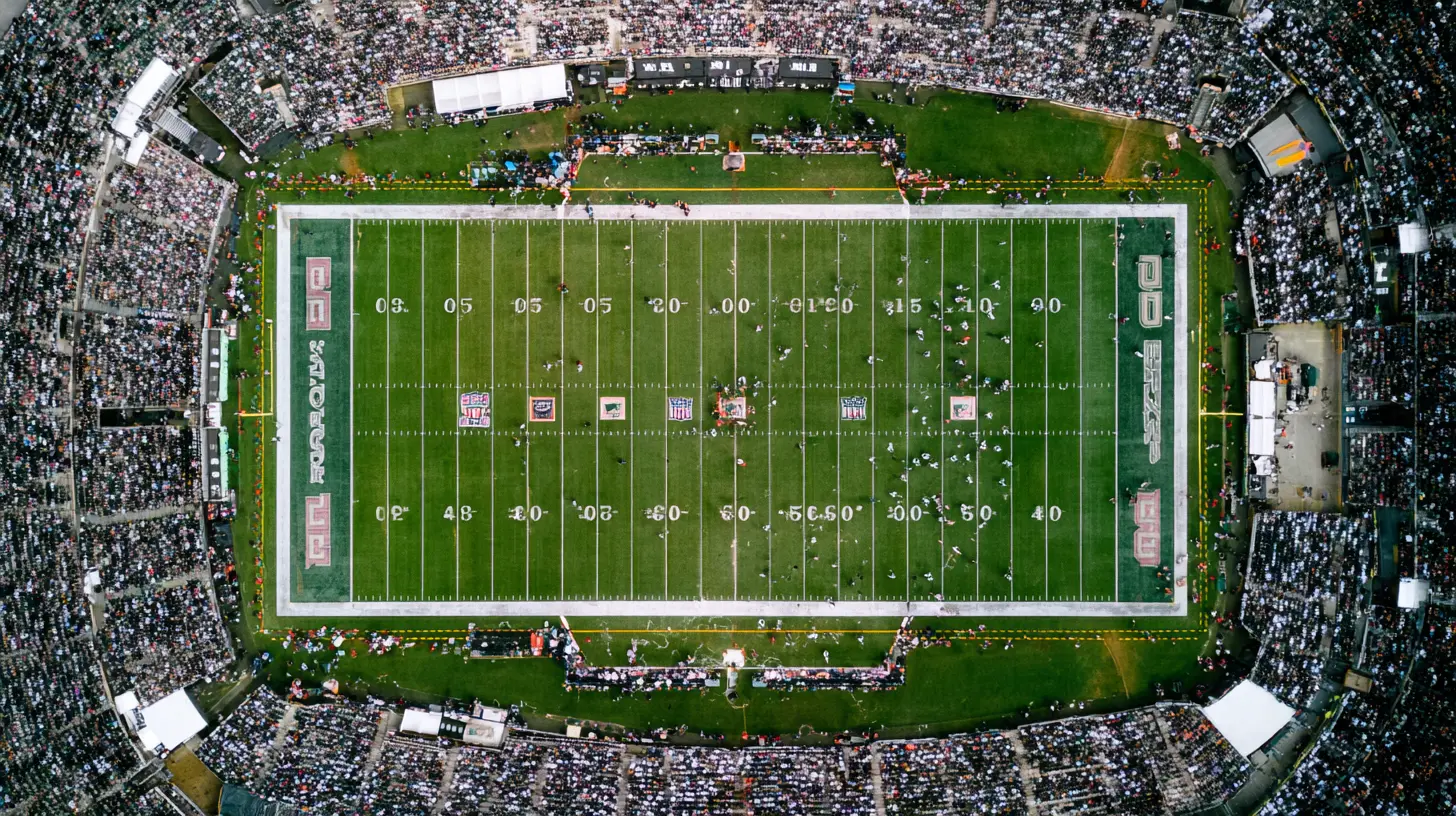
What Field Position Actually Means
Most people hear "field position" and think of one thing: how far up the pitch a team is playing. That is part of it, but it is not the whole picture. Field position is really a combination of three things working together.The first is territorial position, meaning where on the field the ball spends its time. A team that consistently plays in the opponent's half is, on average, closer to goal and therefore more likely to score. The second is possession security, meaning how well a team keeps the ball in those advanced areas once it gets there. Territory without security is just running. The third is transition position, meaning where a team is standing, and how it is shaped, at the exact moment possession changes hands.
That third element is the one that separates good teams from great ones, and it is the one fans miss most often. A team can dominate territory for twenty minutes and still lose the match because, the one time it lost the ball in a bad spot, it was caught with its shape broken and gave up a counterattack. Field position is not just about where you have the ball. It is about where you are when you do not.
Think of it like a chess player controlling the center of the board. It is not that the center squares score points on their own. It is that controlling them limits what your opponent can do and gives you more options. Field position works the same way. It shrinks the opponent's choices and expands yours.
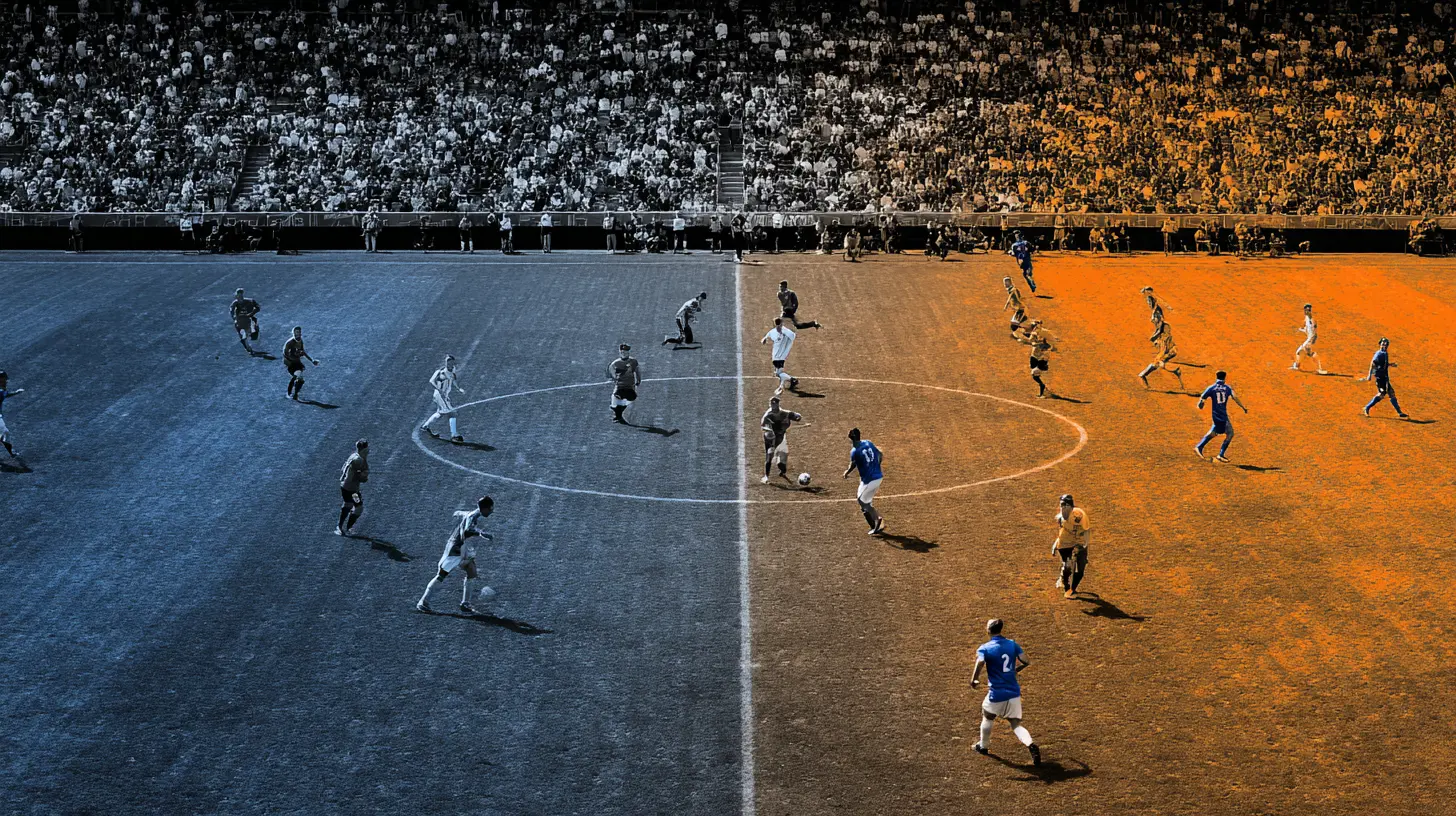
Why Field Position Wins Matches
There is a reason analysts keep coming back to territory even when it feels boring. The math is simple and it holds up. The closer you are to the opponent's goal, the fewer passes and actions you need to create a chance. The further you are, the more things have to go right. Every extra pass is a chance for something to break down.This is why teams that win the territory battle tend to win the shot and chance battle over a full match, even if the scoreline does not always reflect it immediately. They are not just attacking more. They are attacking from better starting points, which means each attack carries more threat per unit of effort.
There is a defensive side to this too, and it is arguably more important. When you pin the opponent deep in their own half, you are not only keeping them away from your goal. You are forcing them to build attacks from the worst possible position, with the least space and the most pressure. Most teams are far less dangerous when they have to travel ninety yards to score than when they only have to travel thirty.
This is the core insight that makes field position so valuable: it does double duty. It improves your attack and degrades theirs at the same time. Few tactical levers in the game give you that kind of two-way return.
The Three Ways Teams Win Territory
There are broadly three ways a team can win the field position battle, and the best sides blend all three rather than relying on one.High Pressing and Counter-Pressing
The first is pressing. By pushing your defensive line up and asking your forwards to hunt the ball high, you compress the space the opponent has to play in. The goal is to force turnovers in dangerous areas, or to force the opponent into long, aimless clearances that give the ball straight back to you.Counter-pressing, often called rest defense or the immediate reaction after losing the ball, is the modern refinement of this. Instead of retreating when possession is lost, the team swarms the ball carrier for the first few seconds. This does two things. It often wins the ball back immediately in a high position, and it buys the rest of the team time to reorganize if the press fails.
The trade-off is obvious. Pressing high costs energy, and it leaves space behind the defensive line. A team that presses poorly, with mistimed triggers or lazy angles, gets picked apart by a single good pass over the top. Pressing is not about running harder. It is about running together, at the right moment, with the right shape behind you.
Controlled Possession
The second route is possession. A team that keeps the ball patiently, circulating it side to side and probing for gaps, naturally pushes the opponent back. The opponent has to defend, which means it drops, which means the field tilts. Possession is a slow, grinding way to win territory, and it works because tired defenders make mistakes.The risk here is possession without penetration. A team can hold the ball for sixty-five percent of the match and still lose if all that possession happens in harmless areas. The ball moves side to side but never forward, and the opponent is happy to let it happen. Effective possession is not about holding the ball. It is about using the ball to move the opponent and create space to advance.
Direct Play and Second Balls
The third route is the most underrated: direct play and the fight for second balls. A team that plays long, whether from goal kicks or open play, is not necessarily giving up on territory. It may be deliberately contesting the ball in the opponent's half, betting that its midfielders and forwards can win the first or second contact and establish a foothold high up the pitch.This approach gets dismissed as old-fashioned, but it is a legitimate territorial weapon when used with intent. The key is the setup around it. If a team goes long with no one positioned to win the second ball, it is just surrendering possession. If it goes long with a compact block ready to pounce on the knock-down, it is engineering a high turnover on purpose.
The Rest Defense Question
Here is where the 2026 match will likely be decided, and where most casual viewers will not be looking.Rest defense is the shape a team holds while it is attacking. It sounds like a contradiction, defending while attacking, but it is the single most important concept in modern field position strategy. When your team has the ball in the opponent's half, your defenders and holding midfielders are standing somewhere. Where they stand determines what happens the moment you lose the ball.
A team with poor rest defense pushes everyone forward, loses the ball, and gets countered. A team with strong rest defense keeps one or two midfielders positioned centrally, holds its fullbacks in sensible spots, and maintains a compact line that can either win the ball back immediately or slow the counter long enough for everyone to recover.
This is why the best teams look like they are never really caught out, even when they attack in numbers. It is not luck. It is structure. They have decided in advance where everyone stands when the ball turns over, and they practice it until it is automatic.
When you watch the 2026 match, watch the holding midfielder when the team is attacking. If that player is constantly drifting forward and leaving a huge gap in front of the defense, that team is vulnerable. If that player is disciplined, always available as a safety valve and always positioned to kill counterattacks, that team has a real edge.
Common Mistakes and Misconceptions
A few myths about field position deserve to be retired, because they lead fans and even coaches astray.The first myth is that more possession always means better field position. It does not. A team can have seventy percent possession while playing most of it in its own half, which is actually a territorial loss. Possession stats are meaningless without knowing where the ball was. The useful question is not "who had the ball" but "where did each team have the ball, and what did they do with it there."
The second myth is that pressing is always the answer. High pressing is powerful, but it is also risky and physically expensive. Against a team that is comfortable playing long and winning second balls, an aggressive press can be walked through. Against a team with a brilliant deep-lying passer, pressing high can hand them exactly the space they want. Pressing is a tool, not a religion. The best teams press selectively, choosing their moments.
The third myth is that field position is purely a physical or tactical thing. In reality, it is heavily mental. Teams that are tired, frustrated, or chasing the game tend to lose their shape and their territory. Composure under pressure is a territorial skill. The team that stays organized when things go wrong usually wins the field position battle over ninety minutes.
The fourth misconception is that winning territory means abandoning defensive solidity. The opposite is true when it is done well. Controlled territory is a form of defense. The further the opponent is from your goal, the less danger you face. The trick is doing it without leaving yourself exposed, which brings us back to rest defense.
What to Watch in the 2026 Match
When the 2026 match unfolds, here are the specific things that will tell you who is winning the field position war, long before the scoreboard does.Watch the average position of each team's defensive line. The team pushing its line higher is the team trying to control territory. If one side's line is ten yards higher than the other's for long stretches, that side is dictating where the game is played.
Watch where turnovers happen. If one team keeps losing the ball in its own half, it is in trouble. If the other team keeps losing the ball in the attacking third but wins it right back, that is a sign of a well-drilled counter-press and a strong territorial grip.
Watch the goal kicks and restarts. How a team builds from the back tells you its territorial intentions. A team that plays short is trying to keep the ball and advance patiently. A team that goes long is either under pressure or deliberately contesting the ball high. Neither is wrong, but the pattern reveals the plan.
Watch the second balls in midfield. The team that wins most of the loose balls in the middle third is usually the team that controls the rhythm and the territory. These moments look chaotic, but they are often where matches are quietly decided.
Finally, watch the shape of the team that is attacking. Count how many players are committed forward and where the safety players are. If a team attacks with seven or eight players and leaves only two or three back in good positions, it is gambling. If it attacks with numbers but keeps a disciplined structure behind the ball, it is playing the modern game properly.
Practical Takeaways for Coaches and Analysts
If you coach or analyze the game, field position gives you a clear set of priorities.First, define what "good field position" means for your team specifically. A team with fast forwards might be happy to concede territory and counter. A team with technical midfielders might want to dominate the ball and squeeze the opponent. There is no universal answer. The mistake is copying another team's territorial approach without the players to execute it.
Second, train rest defense as seriously as you train attacking patterns. Most teams spend hours on build-up play and almost no time on where everyone stands when the ball is lost. That is backwards. The transition moments decide matches.
Third, measure territory properly. Track where your team wins the ball, where it loses it, and how many passes it takes to enter the final third. These numbers tell you more about your territorial health than raw possession ever will.
Fourth, be honest about your pressing capacity. High pressing requires fitness, coordination, and discipline. If your team cannot press as a unit, a mid-block that protects the center and forces play wide is a smarter territorial strategy. A well-organized mid-block can win the field position battle by making the opponent play in front of it and then pouncing on mistakes.
The Quiet Decider
The 2026 match will produce moments that get replayed for years. But the foundation of those moments, the reason one team gets to attack from good positions while the other scrabbles from bad ones, will be laid in the unglamorous work of territory. Field position is not a statistic you can hang on a wall. It is a habit, a structure, and a mindset, and the team that treats it seriously will have a real advantage.So when the match begins, do not just watch the ball. Watch the space. Watch the lines. Watch where players stand when they do not have it. That is where the real story is being written, and it is the storyline most people will miss.
all images in this post were generated using AI tools
Category:
Post Game AnalysisAuthor:

Ruben McCloud

