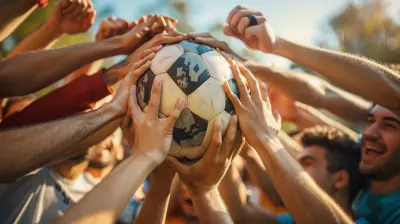
From Local Hero to National Sensation: Athlete Journeys
4 November 2026

Introduction
In the world of sports, the journey from a local hero to a national sensation is often filled with challenges, triumphs, and transformations. Athletes start with a dream, often rooted in their communities, and through hard work, dedication, and sometimes a bit of luck, they can rise to national prominence. This article delves into the various pathways athletes take, the hurdles they face, and the strategies they can employ to elevate their status from local stardom to national recognition.
The Foundation: Local Heroes
Building the Grassroots
Most athletes begin as local heroes, gaining recognition in their communities. This stage is crucial for several reasons:1. Community Support: Local athletes often have the backing of friends, family, and local fans. This support can be invaluable as they develop their skills and confidence.
2. Skill Development: In the early stages, athletes typically refine their skills in a familiar environment. Access to local coaching and competitive opportunities helps build a solid foundation.
3. Identity Creation: Being a local hero allows athletes to establish their identities. They are often seen as role models, which can bolster their motivation to succeed.
Common Paths to Local Stardom
1. Youth Leagues: Many athletes begin their journeys in youth leagues. These leagues provide structured competition and coaching, allowing young athletes to hone their skills.2. High School Sports: Excelling in high school sports can be a springboard to greater opportunities. Athletes often attract attention from college scouts during this phase.
3. Community Events: Local tournaments or charity events can serve as platforms for athletes to showcase their talents. Participating in these events can increase visibility and build a personal brand.

Transitioning to National Recognition
The Role of Coaches and Mentors
As athletes transition from local hero to national sensation, the influence of coaches and mentors becomes paramount. Here's how they can help:1. Expert Guidance: Coaches with experience in higher levels of competition can provide insights into training regimens, mental conditioning, and techniques that are essential for success at the national level.
2. Networking Opportunities: Mentors often have connections that can open doors. They can introduce athletes to agents, sponsors, and scouts who can aid in their progression.
3. Psychological Preparation: The pressure of national competition is different from local events. Coaches and mentors can help athletes develop mental resilience to handle stress and expectations.
Performance at Higher Levels
To gain national attention, athletes must perform consistently at a higher level. This often means competing in events that are recognized on a broader scale:1. National Championships: Competing in national events can significantly elevate an athlete's profile. Success in these competitions often leads to media coverage and recognition.
2. Collegiate Athletics: For many athletes, college sports serve as a bridge to the national stage. NCAA competitions, for instance, attract scouts and media attention, providing athletes with a platform to shine.
3. Professional Leagues: Transitioning to professional leagues can be the ultimate goal. Athletes must navigate drafts, tryouts, and contracts, which can be daunting but rewarding.

Marketing the Athlete
Personal Branding
In a digital age, personal branding is essential for athletes aiming for national recognition. Here are effective strategies:1. Social Media Presence: Athletes should leverage platforms like Instagram, Twitter, and TikTok to share their journeys, training regimes, and personal stories. This engagement helps build a loyal fan base.
2. Content Creation: Producing content, whether it be vlogs, blogs, or podcasts, can further establish an athlete's voice. Authenticity in content resonates well with audiences.
3. Community Engagement: Participating in local events, charity functions, and youth programs not only gives back to the community but also strengthens the athlete's image as a role model.
Sponsorship and Partnerships
Once athletes start to gain traction, sponsorship opportunities often arise. Here's how to approach them:1. Identify the Right Brands: Athletes should align themselves with brands that reflect their values and resonate with their audience. Authentic partnerships are more sustainable.
2. Negotiate Wisely: Understanding the value they bring to sponsors is crucial. Athletes should be prepared to negotiate terms that reflect their worth while maintaining a positive relationship with sponsors.
3. Long-Term Relationships: Building long-term partnerships can be more beneficial than one-off deals. Consistency and loyalty can lead to better support and resources.
The Challenges Along the Way
Navigating Adversity
Athletes' journeys are seldom straightforward. They often face obstacles that can hinder their progress:1. Injuries: Injuries can derail an athlete's career. Having a solid recovery plan and mental resilience is essential to bounce back stronger.
2. Mental Health: The pressure to perform can take a toll on mental health. Athletes should not shy away from seeking professional help and developing coping strategies.
3. Public Scrutiny: As athletes gain fame, they come under the spotlight. Learning to manage public perception and criticism is vital for maintaining focus.
Common Mistakes to Avoid
1. Neglecting Education: Many athletes focus solely on their sport and overlook the importance of education. Balancing academics and athletics can provide a safety net if sports do not pan out.2. Ignoring Nutrition: Proper nutrition is crucial for peak performance. Athletes should consult with nutritionists to develop tailored diets that fuel their bodies.
3. Underestimating the Business Side: Understanding contracts, endorsements, and financial planning is crucial. Athletes should seek advice from financial advisors to ensure they make informed decisions.
Best Practices for Aspiring Athletes
Setting Goals
Establishing clear, achievable goals is essential for progressing from local hero to national sensation. Here are some tips:1. Short-Term and Long-Term Goals: Break down goals into manageable short-term objectives while keeping an eye on the larger picture.
2. Regularly Review Goals: Athletes should assess their progress regularly and adjust their goals as necessary. Flexibility in goal-setting allows for adaptation to changing circumstances.
Training Regimens
Developing a well-rounded training regimen is vital. Consider the following:1. Diverse Skill Development: Athletes should work on various aspects of their sport, including technical skills, physical conditioning, and mental strategies.
2. Seek Feedback: Regularly seeking feedback from coaches and peers can help athletes identify areas for improvement and refine their techniques.
3. Overcome Plateaus: If progress stalls, athletes should reassess their training methods or seek new challenges to reignite their motivation.
Conclusion
The journey from local hero to national sensation is a complex, multifaceted process. Athletes must navigate a range of challenges and opportunities, all while staying true to themselves and their roots. By building a strong foundation, embracing mentorship, marketing themselves effectively, and maintaining resilience, they can achieve their dreams. The path is not easy, but with determination, strategic planning, and a bit of luck, an athlete's journey can inspire many.
all images in this post were generated using AI tools
Category:
Athlete InterviewsAuthor:

Ruben McCloud