How Doping Ruins the Integrity of Competition
26 December 2025
Let’s get one thing straight—sports are supposed to be about talent, hard work, dedication, and fair play. But when doping enters the picture, all that goes straight out the window. It’s like bringing a cheat code to a game where everyone else is playing fair. The result? A shattered sense of trust, broken dreams, and a serious blow to the spirit of competition.
In this post, we’re going deep into how doping messes up not just individual careers but entire sports. From unfair advantages to ethical concerns and the ripple effects on fans and young athletes, let's talk about why doping is such a big deal.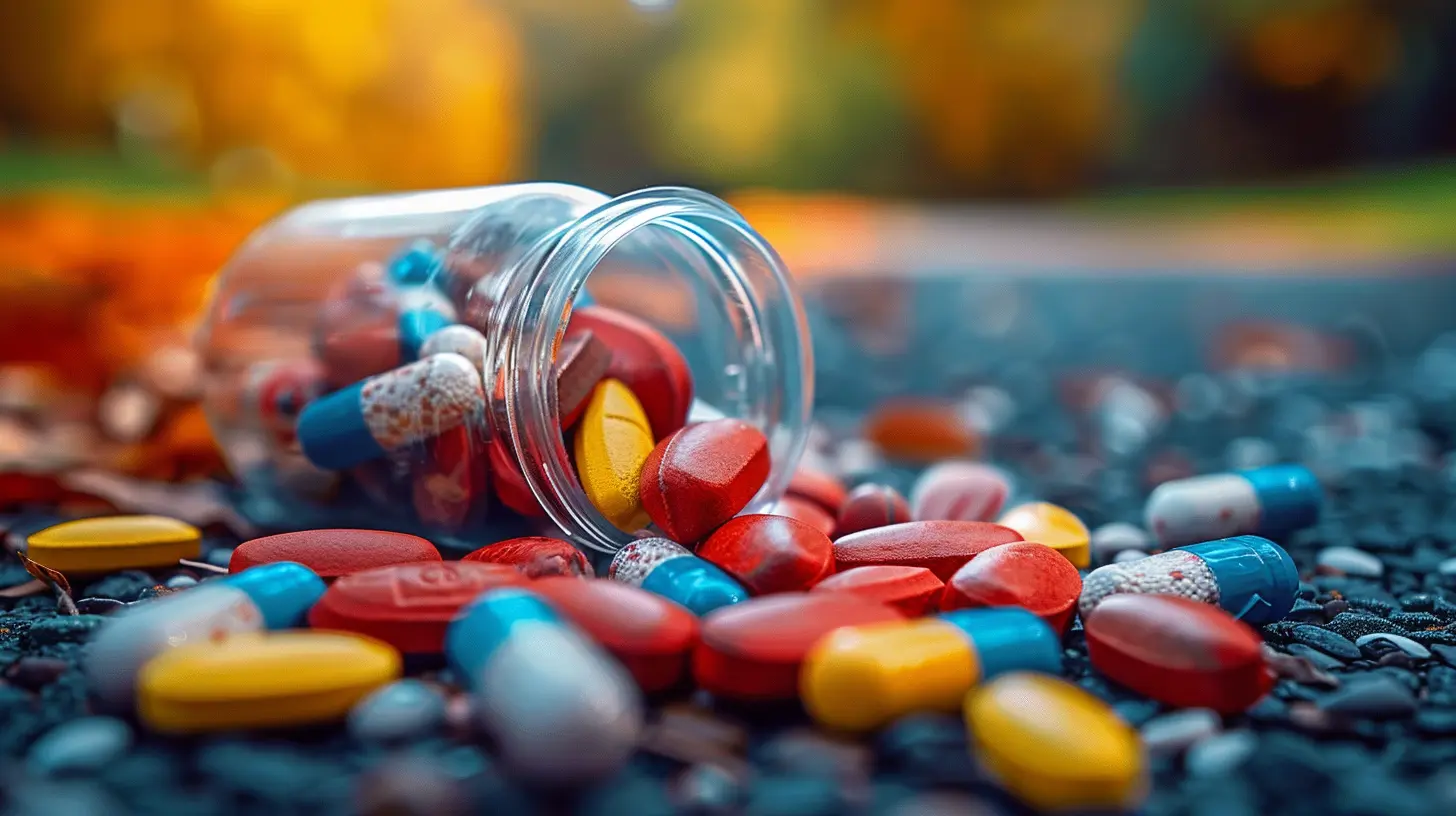
What Exactly Is Doping?
Before we dive in, let’s clear the air—what is doping, really?Doping is the use of prohibited substances or methods to enhance athletic performance. This includes stuff like anabolic steroids, hormones like EPO, and even some fancy blood transfusion tricks. Basically, anything that gives an athlete a performance edge that's not earned through natural ability and hard training.
Sounds shady, right? That’s because it is.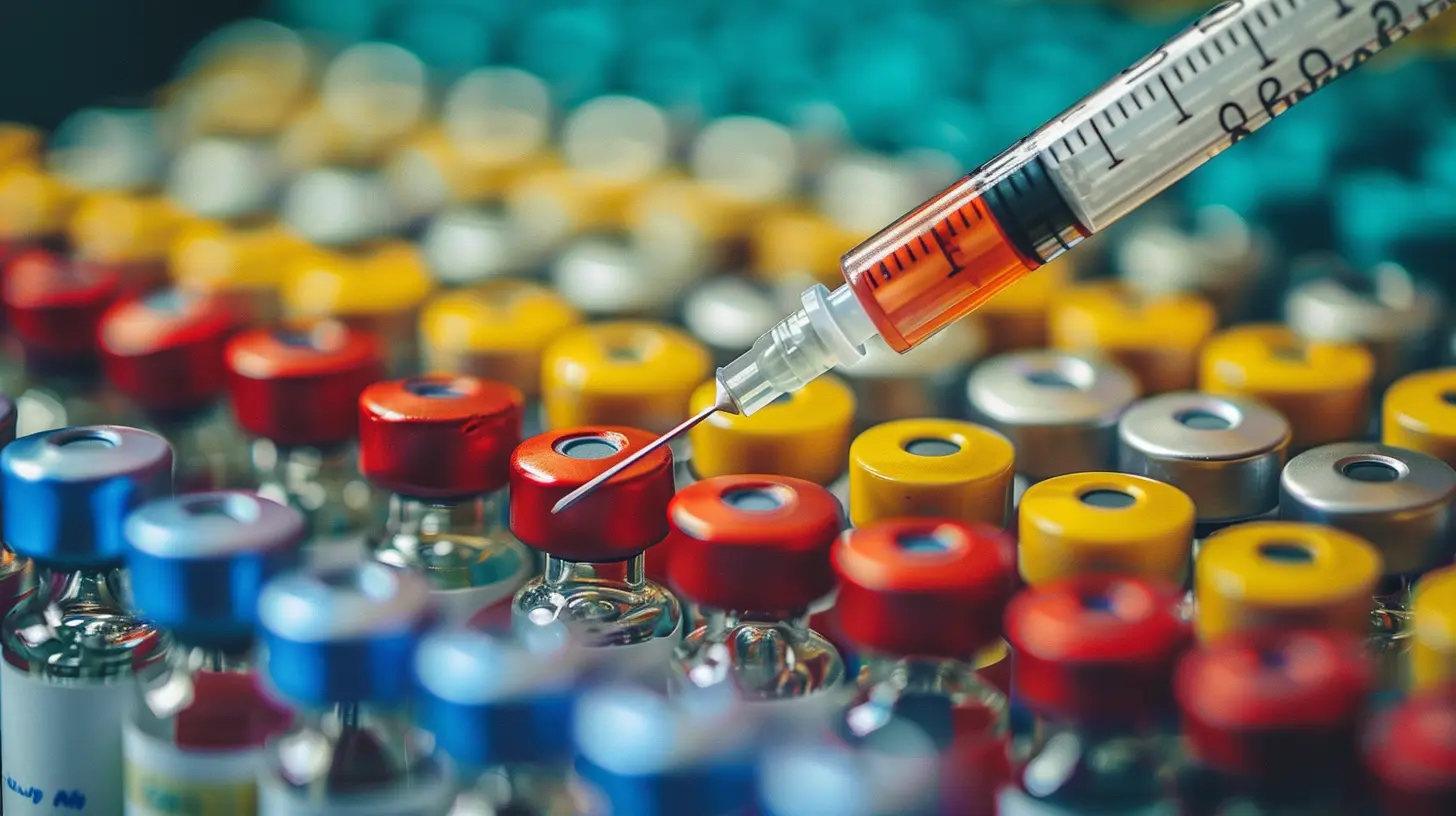
The Unfair Advantage: Cheating the Playing Field
Imagine a 100-meter sprint. Two athletes line up. One has trained for years, eating right, sleeping well, and putting in the sweat every day. The other one? Took a shortcut with performance-enhancing drugs. The gun goes off, and the second one wins.Where’s the justice in that?
Doping gives athletes unnatural advantages—stronger muscles, faster recovery, increased endurance—all without putting in the same level of effort. In short, it turns the competition into a lie.
And let’s not forget: it also punishes the clean athletes. It tells the world that natural talent and dedication aren't enough anymore. That’s not just unfair, it’s heartbreaking.
Damaged Reputations, Destroyed Careers
Doping doesn’t just ruin the moment—it leaves a stain that never really fades. Remember Lance Armstrong? The cyclist who was once celebrated as a hero? His entire legacy crumbled when his doping scandal was exposed.These kinds of scandals not only wreck careers but also tarnish the reputation of the sport itself. Suddenly, everyone starts questioning every victory. Was it real or juiced?
For athletes found guilty, it often means stripped medals, lost sponsorships, public humiliation, and a career that ends in disgrace.
Losing the Trust of the Fans
Let’s talk about the people in the stands and on the couches—the fans.Fans invest emotionally in their favorite athletes and teams. They cheer, cry, and celebrate every big win. But when doping scandals break out, that connection takes a hit. The magic fades. The excitement dies.
The sad truth? Once trust is broken, it's pretty darn hard to earn back.
Fans start to doubt every incredible performance. Suspicion replaces admiration, and cynicism takes the place of genuine joy. A sport that becomes known for doping might still fill stadiums, but the soul of the game? It’s gone.
Setting a Dangerous Example for Young Athletes
Now here’s a real gut punch—what message does doping send to the next generation?Young athletes grow up watching their idols. They dream of becoming the next Serena Williams, Tom Brady, or Lionel Messi. But if the champions they admire are caught doping, it sends a toxic message: “Maybe cheating is the only way to win.”
That kind of mindset is incredibly dangerous. It not only encourages more cheating but also puts kids at serious physical risk. Many performance-enhancing drugs come with nasty side effects—heart problems, liver damage, mood disorders… the list is long and scary.
And that’s just the physical stuff. The emotional and ethical toll? Even worse.
It’s Not Just About The Drugs
Let’s flip the lens for a moment. Doping isn't always a personal choice. In some cases, athletes are pressured by coaches, sponsors, national federations, or even governments. Think back to Russia’s state-sponsored doping scandal—an entire system built on cheating.The problem runs deep. It’s not just about rogue athletes sneaking pills; it’s about a culture that puts winning above integrity. And when that happens, the damage is systemic.
Health Risks That Just Aren’t Worth It
If you're thinking these drugs are a magical fix, think again. The short-term gains come with long-term pain.Here’s a quick peek at what doping can do to your body:
- Liver damage from steroids
- Heart enlargement from EPO
- Hormonal imbalances
- Mood swings, depression, and even aggression (hello, "roid rage")
- Higher risk for infections when injecting substances
Is an extra medal really worth risking your life or sanity?
The Domino Effect On Entire Sports
When doping scandals hit, it’s not just the guilty athletes who suffer. The whole sport feels the sting.Take cycling, for example. After the series of doping scandals in the 2000s, public interest plummeted. Sponsors pulled out. Young cyclists lost their role models. The credibility of the sport hit rock bottom.
Other sports like track and field, baseball, and even swimming have had similar episodes. Every time a big name is exposed, it’s like a punch to the gut for the whole community.
Global Efforts to Keep Sports Clean
Thankfully, it’s not all doom and gloom. Organizations like WADA (World Anti-Doping Agency) are in the trenches fighting the good fight.They run random drug tests, educate athletes, and enforce rules to keep things fair. Anti-doping efforts have gotten stricter and more sophisticated, with tech that can detect even trace amounts of banned substances.
But it’s an arms race—cheaters keep finding new ways to get ahead, and regulators have to play constant catch-up.
That’s why it’s so important to not just rely on testing but to change the culture around doping altogether.
Athletes Who Speak Out
Not everyone’s staying silent. More and more athletes are using their platforms to call out doping and push for cleaner sports.From Olympic gold medalists to everyday players, there’s a rising movement of competitors saying, “We want a level playing field.” These voices matter. They remind us what true sportsmanship looks like.
When clean athletes stand tall and speak out, they inspire others to do the same. And that’s how change begins.
So, What Can We Do About It?
If we’re serious about protecting the integrity of competition, it’s going to take all of us—athletes, coaches, fans, and organizations alike.Here’s what we can do:
- Support anti-doping agencies and their efforts
- Educate young athletes about the dangers of doping
- Celebrate clean athletes and hold cheaters accountable
- Promote a culture where ethics matter more than trophies
- Encourage transparency and honest conversations
It’s time we bring the focus back to what truly matters in sports: heart, hustle, and fair play.
Final Thoughts: Time To Clean Up the Game
At the end of the day, doping is more than just breaking a rule—it’s breaking a promise. A promise to compete fairly, to honor the sport, and to respect your fellow athletes.When doping creeps in, it shatters more than records—it damages trust, destroys lives, and drags the entire sport through the mud.
But here’s the good news: we can stop it. We can change the narrative. Because no shortcut will ever be more powerful than the real thing—pure, passionate, and honest competition.
Let’s keep it clean. Let’s keep it real.
all images in this post were generated using AI tools
Category:
DopingAuthor:

Ruben McCloud
Discussion
rate this article
2 comments
Chelsea McDermott
Doping fundamentally undermines the essence of sports, eroding trust among athletes and fans alike. It distorts true competition, devalues hard work, and tarnishes reputations, ultimately harming the spirit of athletic achievement. Integrity must prevail.
February 12, 2026 at 4:24 AM
Ruben McCloud
Thank you for your insightful comment! I completely agree—doping not only compromises fairness but also damages the core values of sportsmanship and integrity, impacting athletes and fans alike.
Reid Wood
Interesting perspective! How do we balance the need for fair competition with athletes' pressures to perform at elite levels?
December 27, 2025 at 3:36 AM
Ruben McCloud
Balancing fair competition and performance pressures requires strict regulations, support systems for athletes, and a culture that prioritizes health and integrity over winning at all costs.