How Fan Chants Could Shape Strategy in 2027
17 April 2026
Picture this: It’s a sweltering night in July 2027. The stadium isn’t just a venue; it’s a living, breathing, roaring entity. The game is tied, tension is a physical thing you can taste in the air, and then it starts. Not from the coach’s clipboard or a star player’s moment of genius, but from the stands. A deep, rhythmic, thunderous chant begins to roll across the pitch. And on the field, the players… listen. They shift. They adapt. The chant isn’t just noise; it’s a strategic signal. Sounds like science fiction? Let me tell you why, by 2027, this won’t just be possible—it will be inevitable. The twelfth man is about to get a headset and a direct line to the playbook.
We’ve always known fans matter. They’re the heartbeat, the passion, the fuel. But we’ve treated that influence as purely emotional—a boost of adrenaline, a wall of intimidation for the opponent. What if we’ve been underestimating it? What if the collective, real-time intelligence of 60,000 devoted souls could be harnessed not just to lift spirits, but to change tactics? The fusion of advanced technology, data analytics, and raw, human intuition is steering us toward a future where fan chants move from the background to the foreground of competitive strategy.

From Noise to Data: The Quantified Crowd
Let’s break down the old model. A chant starts organically, spreads, and creates an atmosphere. It’s beautiful, but it’s chaotic. It’s a blunt instrument. Now, fast-forward to the tech that’s already creeping into our stadiums: hyper-sensitive distributed microphone arrays, AI-powered sentiment and speech analysis, real-time biometric tracking of crowd pulse through wearable tech (think smart tickets or stadium apps with permission). By 2027, this won’t be creepy surveillance; it’ll be standard infrastructure, like floodlights.Imagine a central "Crowd OS" (Operating System) in the stadium’s control room. This system isn’t just measuring decibels; it’s understanding content. It can distinguish between a generic roar of excitement and a targeted, strategic chant like "PRESS HIGH!" or "SWITCH THE PLAY!". It can identify the specific section of the stadium leading the chant—is it the savvy season-ticket holders behind the goal who’ve watched every game for 20 years, or the more casual fans in the corporate boxes? The system weighs the source. This transforms raw sound into structured, actionable data—a quantified crowd.
Think of it like sonar. A submarine sends out a ping and listens for the echo to map the ocean floor. The Crowd OS is constantly "pinging" the atmosphere of the stadium, and the chants are the echoes, painting a real-time map of crowd sentiment, energy, and—most crucially—collective tactical desire.

The Coach’s New Earpiece: Real-Time Fan Intelligence
So, you have this river of data flowing. How does it reach the decision-makers? This is where it gets fascinating. Coaches and analysts already have tablets streaming expected goal maps, pass completion heatmaps, and player fatigue metrics. By 2027, one of those dashboard widgets will be labeled "Crowd Consensus" or "Fan Pulse."It won’t be a dictator. No good coach would blindly outsource strategy to the stands. But it will be an invaluable advisor. Here’s how it might play out:
The Momentum Barometer: The AI detects a sustained, rhythmic chant for a high press. It cross-references this with game data: the opponent’s defender on the ball has had a 15% drop in successful long passes under pressure in the last ten minutes. A discreet notification flashes on the manager’s tablet: "Crowd consensus aligns with high-pressure opportunity vs. Player #4. Success probability up 18%."* The manager makes the call, signals the trigger, and the team executes. The fans see their collective will enacted. The energy amplifies. It becomes a virtuous, strategic loop.
* The Substitution Symphony: A star striker is having an off night, but the manager is hesitant to pull him. The crowd, however, has been singing the name of the young, pacy winger on the bench for five minutes straight. The Crowd OS flags this as a "targeted player appeal," not just generic noise. It highlights the winger’s stats against the current tired full-back. The manager, armed with this combined human-data insight, makes the change. The stadium erupts in validation before the sub even touches the ball, giving the player an immense confidence boost.
* The Defensive Organizer: In tense, defensive moments, a coordinated, clapping chant from the home fans can set a perfect offside trap rhythm. The players, synced with the crowd’s beat, step up in unison. The opponent’s runner is caught offside. The crowd’s rhythm wasn’t just support; it was a metronome for the defensive line.
This turns fans from spectators into sensor networks. They are watching the same game as the coaching staff, but from a different, holistic vantage point. They feel the game’s flow in a way sometimes obscured by granular data. Their chants become the human interpretation of the data—and that interpretation, when clearly understood, holds immense strategic power.
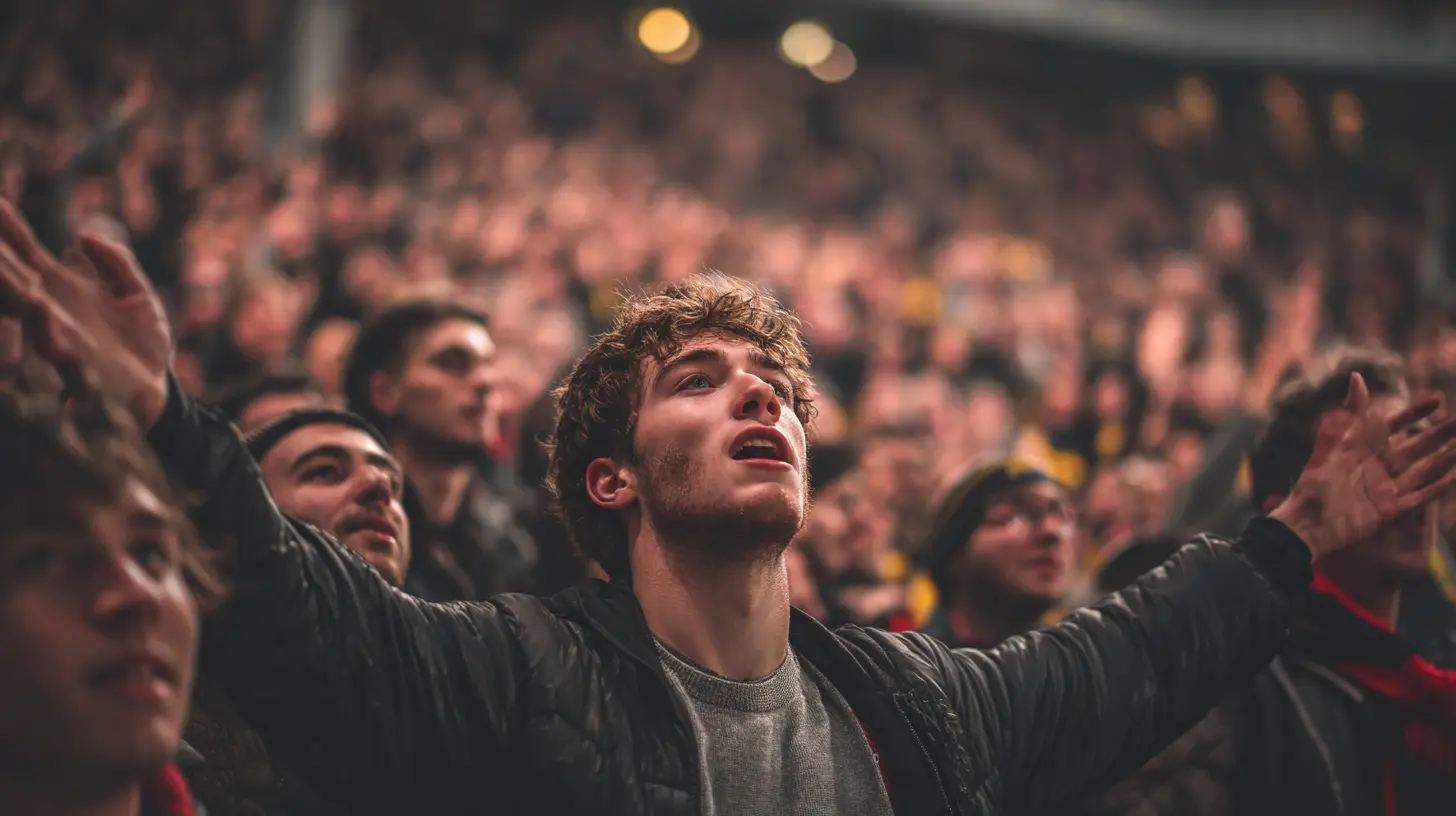
The Psychology of the Empowered Army
The impact here isn’t just logistical; it’s profoundly psychological. This creates a new level of symbiosis between team and supporters.For the players, knowing the crowd is not just loud but strategically engaged is a monumental force multiplier. It builds a tangible trust. It tells them, "We are not just watching; we are with you, we see what you see, and we are helping." A directive chant becomes a collective rallying cry with a specific purpose. It reduces hesitation. When 50,000 people are chanting "SHOOT!," a player on the edge of the box feels a permission slip signed by his entire city, often cutting through the paralysis of over-analysis.
For the fans, this is the ultimate empowerment. It transforms the experience from reactive to proactive. You’re not just celebrating a goal; you might have helped engineer the turnover that led to it. Your voice is part of the game plan. This deepens loyalty, increases engagement, and turns every fan into a potential strategist. The classic "We know what we are!" chant takes on a literal, powerful meaning.
And for the opposition? It’s a new layer of hell. An intimidating crowd is one thing. An intimidating, strategically coherent crowd that seems to be in direct communication with the home team’s tactics is another level of psychological warfare. It can force rushed passes, breed indecision, and make players feel like the entire stadium is one step ahead of them.
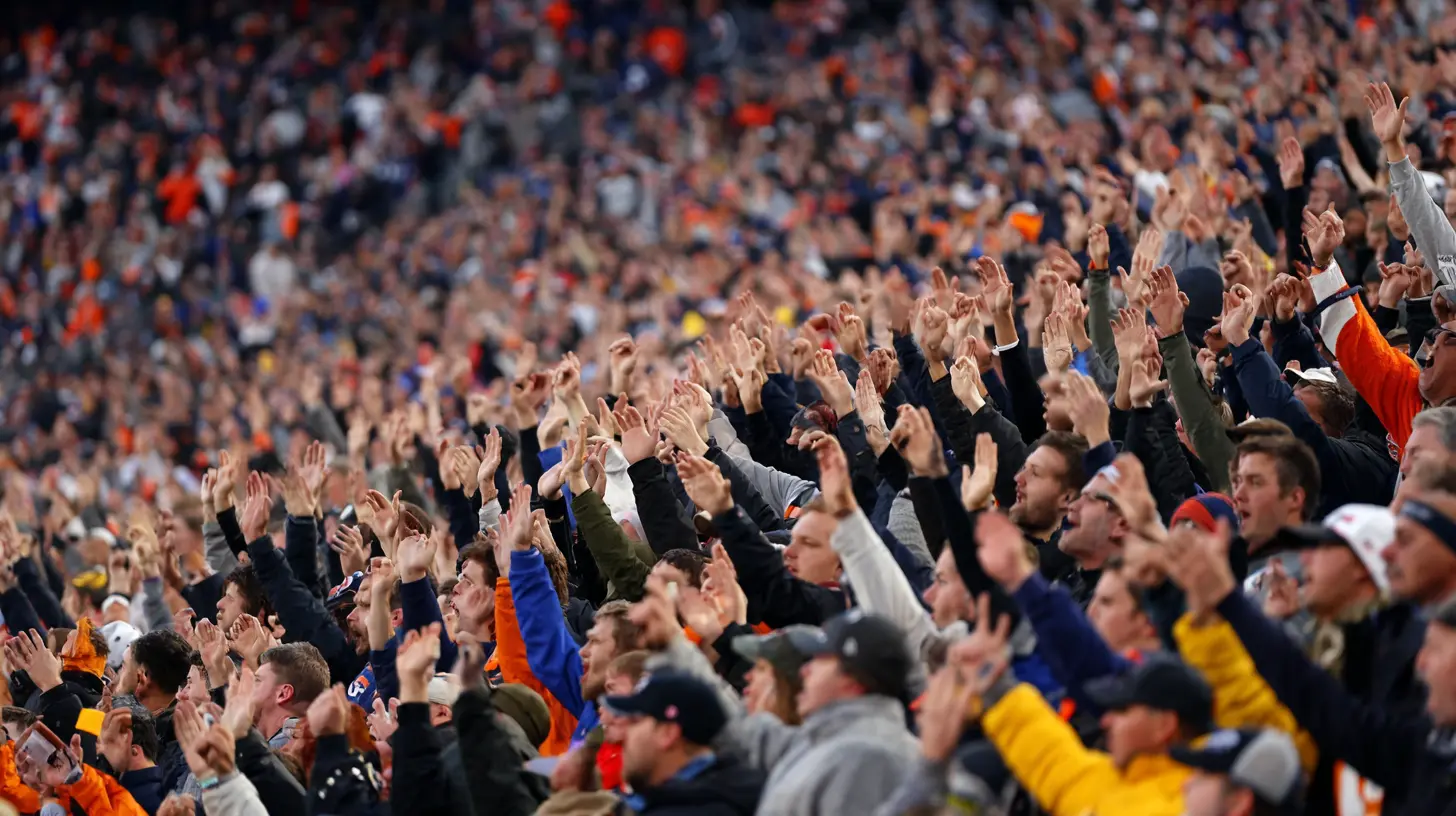
The Ethical Chorus: Navigating the New Terrain
Of course, with great power comes great responsibility. This isn’t a utopian vision without potential pitfalls.* The Mob Mentality Risk: What if the crowd is wrong? What if they chant for an all-out attack when protecting a lead is the smarter play? The coach’s dashboard must have veto power. The "Crowd Consensus" metric must be one input among many, not the loudest command. Coaching staff will need training in "crowd data literacy"—knowing when to listen and when to block out the noise. The relationship must remain a dialogue, not a dictatorship by the stands.
* The Toxicity Amplifier: Sadly, chants aren’t always positive. AI systems would need incredibly sophisticated filters to ignore abusive, discriminatory, or personally targeted chants. The technology must be designed to only process constructive, tactical, or positively supportive content. This is a major programming and ethical challenge.
* The Home-Field Advantage Chasm: This could widen the gap between big, tech-savvy clubs with connected stadiums and smaller teams. Will this become a new, expensive arms race? "Fan Engagement Tech" budgets might become as scrutinized as transfer budgets. Governing bodies may need to consider regulations to maintain competitive balance.
* Authenticity vs. Orchestration: The magic of a chant is its organic, emotional origin. The moment it feels manufactured or prompted by a "CHANT NOW!" stadium screen, the spell is broken. The technology must serve the existing culture, not replace it. It’s about giving shape to the existing roar, not creating an artificial one.
The 2027 Game Day: A Vision
So, let’s walk through a match day in 2027. You arrive at the smart stadium. Your ticket app asks if you want to opt into the "Match Pulse" program, contributing anonymous sentiment data. You agree.The game is tight. You and your section feel the opposing midfielder is vulnerable to being closed down quickly. Someone starts the chant, "CLOSE HIM DOWN! CLOSE HIM DOWN!" It spreads. The Crowd OS picks it up, identifies its tactical relevance, and highlights the target player’s recent turnover stats. An alert pings on the home bench.
The manager sees it, nods, and gives a hand signal. The home team’s forwards immediately increase their pressure on that midfielder. Two minutes later, he panics, gives the ball away, and a goal results. The stadium explodes. You feel a unique surge of pride—not just because your team scored, but because your collective voice was part of the chain of causation. You weren’t just a fan; you were part of the organism that won that ball back.
The Final Whistle: A New Era of Co-Creation
By 2027, the phrase "the twelfth man" will have evolved. It will no longer be just a metaphor for support. It will represent a integrated, intelligent component of the sporting ecosystem. Fan chants will transition from being a powerful soundtrack to the game to becoming a legitimate, data-rich dialogue within it.This isn’t about replacing the manager’s genius or the player’s skill. It’s about augmenting it with the collective wisdom and will of the community that cares most. It’s about closing the feedback loop between the pitch and the stands in real-time. The beautiful game has always been a conversation between players and fans. By 2027, we’ll have just invented a much clearer, more impactful language for that conversation.
The future of sports strategy isn’t just in the lab or the data room. It’s in the stands, in the hearts and voices of the fans, waiting to be heard in a whole new way. Get your chanting voices ready. The game is about to listen.
all images in this post were generated using AI tools
Category:
Crowd InfluenceAuthor:
Ruben McCloud
Discussion
rate this article
2 comments
Helen Williams
In the echo of the stands, voices rise, A symphony of hope, fierce and wise. Chants weave through the air, a tactical guide, In 2027, let passion decide. Fans and players, a rhythm aligned, Together they'll forge a battle refined. Strategy born from hearts intertwined.
July 29, 2026 at 10:31 AM
Ruben McCloud
Your lines beautifully capture the essence of collective passion. The idea that fan chants could influence strategy is both innovative and inspiring. I look forward to seeing how this unfolds in 2027.
Faith Luna
Absolutely loved this article! The idea of fan chants influencing strategy is brilliant! Can't wait to see how it changes the game in 2027! 🎉⚽️
April 17, 2026 at 12:40 PM
Ruben McCloud
Thanks for the support! Excited to see how fan chants evolve the game too!