How Injury Clauses Can Make or Break a Sports Contract
28 June 2026
In professional sports, nothing is guaranteed—not even a contract. While multimillion-dollar deals make headlines, an athlete’s career can change in a split second with an injury. That's where injury clauses come in. These hidden yet crucial elements determine the fate of an athlete’s earnings, security, and long-term career stability.
Let’s break it all down in a way that makes sense, whether you’re a die-hard sports fan, an aspiring athlete, or just someone curious about how contracts work behind the scenes. 
Understanding Injury Clauses in Sports Contracts
Every professional athlete signs a contract before stepping onto the field, court, or rink. But beyond the flashy numbers and bonuses, there are clauses—legal terms dictating what happens in specific situations.One of the most critical? The injury clause.
An injury clause serves as a safety net (or a trap, depending on the fine print). It dictates how an athlete will be compensated if they suffer an injury while playing or training.
- Will they still get paid if they can’t play?
- Can the team terminate their contract?
- Do they get medical coverage or rehab support?
The answers to these questions lie within the contract, making injury clauses a make-or-break factor for athletes’ careers. 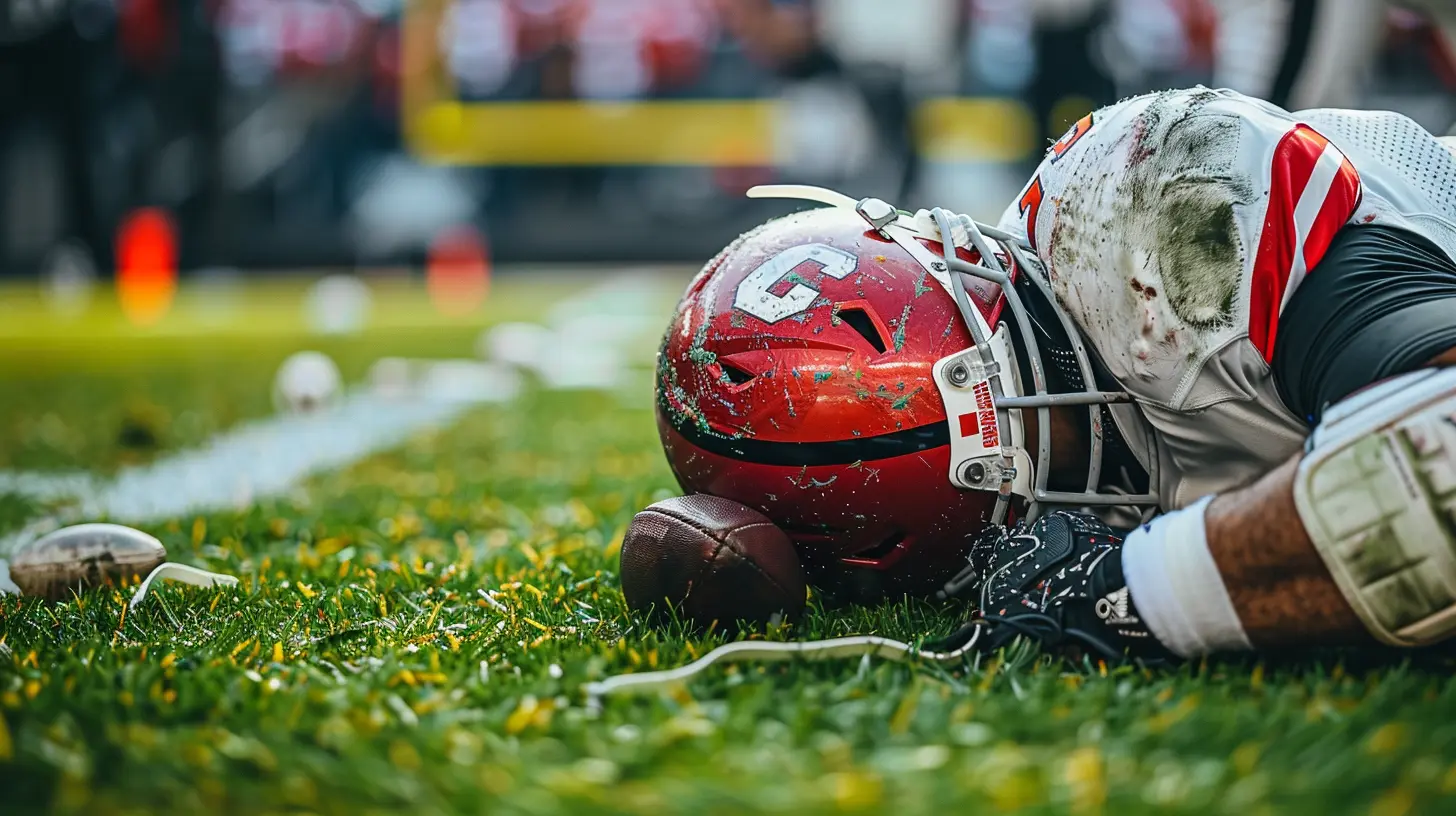
Types of Injury Clauses and Their Impact
Not all injury clauses are created equal. Let’s dive into the most common ones that shape professional sports contracts.1. Guaranteed vs. Non-Guaranteed Contracts
At its core, an athlete's contract may be fully guaranteed, partially guaranteed, or non-guaranteed—which directly impacts their financial security in case of injury.- Fully guaranteed contracts: The athlete gets paid no matter what, even if they suffer a career-ending injury. These are common in leagues like the NBA, where stars continue earning millions even on the sidelines.
- Non-guaranteed contracts: If an athlete gets injured, the team can release them without paying out the rest of the contract. The NFL is notorious for these deals, putting players at constant risk of financial instability.
- Partially guaranteed contracts: A middle ground—some of the money is secured, but the team may have flexibility to cut an injured player without paying them in full.
For athletes, fighting for guaranteed money is crucial. Sports careers are short, and without that security, one injury could mean financial disaster.
2. Injury Settlements and Buyouts
Sometimes, teams don’t want an injured player on their payroll long-term. Instead, they negotiate an injury settlement or buyout—essentially a lump sum payment to part ways.- How it works: If a player is injured, the team might offer them a certain amount of money to void the contract early.
- Who benefits? Teams love this option because it frees up salary space. Players, on the other hand, might not get the long-term security they need.
A classic example? The NFL, where most contracts aren’t fully guaranteed, and injury settlements are used frequently to offload players who won’t recover quickly.
3. The "Injury Waiver" Trap
Some contracts include injury waivers, which can be a nightmare for players. These waivers mean that if an athlete gets injured, the team is not responsible for paying out their contract.- Teams often use these for players with a history of injuries.
- It gives the team flexibility but leaves the player vulnerable.
Remember Derrick Rose’s injury-riddled NBA career? If his contracts had been filled with injury waivers, he might not have continued collecting checks while rehabbing.
4. Career-Ending Injury Clauses
What happens if an athlete suffers a devastating, career-ending injury? This is where career-ending injury clauses come in.- Some contracts include insurance policies that provide long-term financial support.
- Others allow teams to void the contract entirely, leaving the athlete without income.
This is why many pro athletes also secure private insurance policies, ensuring they have a safety net beyond what the team provides. 
Real-Life Cases: How Injury Clauses Changed Careers
Contracts can make or break a career, and history has provided plenty of examples where injury clauses played a huge role.1. Alex Smith’s $16 Million Injury Protection
NFL quarterback Alex Smith suffered one of the most gruesome leg injuries in sports history. Many thought he’d never play again, but thanks to a well-structured injury guarantee, he still received nearly $16 million while rehabbing. That financial cushion allowed him to focus on recovery rather than rushing back too soon.2. Kevin Durant’s Achilles Injury & Guaranteed Money
When Kevin Durant ruptured his Achilles in the 2019 NBA Finals, many feared it would impact his future earnings. But because of the fully guaranteed nature of NBA contracts, he still collected every cent of his $164 million deal with the Brooklyn Nets—even while missing an entire season.3. NFL’s Brutal Non-Guaranteed Reality
In contrast, the NFL often shows how harsh injury clauses can be. Take Earl Thomas, a star safety who broke his leg in 2018. Since his contract wasn’t fully guaranteed, the Seattle Seahawks refused to pay him beyond that season. This left him without millions he had expected.
Why Every Athlete (and Fan) Should Care About Injury Clauses
To the casual fan, contracts seem simple—sign the deal, play the game, get paid. But for athletes, every detail matters.- Financial security: One injury can derail a career, making injury clauses essential for long-term stability.
- Leverage in negotiations: Smart athletes and agents fight for fully guaranteed deals to protect against bad luck.
- Implications for team decisions: Teams often make roster decisions based on injury protections written into contracts.
It’s not just about talent; it’s about business strategy.
The Future of Injury Clauses in Sports
As sports evolve, injury clauses are becoming more complex. With increased awareness of concussions, ACL tears, and long-term joint damage, teams and players are negotiating harder than ever.- The NBA and MLB lean toward guaranteed deals, giving top athletes long-term security.
- The NFL remains cutthroat, but players’ unions continue pushing for better protections.
- Some individual sports (like tennis and golf) rely on personal sponsorships, which bring an entirely different kind of injury risk.
As the money grows, so does the debate about fairness. Should all contracts be fully guaranteed? Should leagues provide better safety nets? These are the questions shaping the future of professional sports.
Final Thoughts
Injury clauses might not be the flashiest part of a sports contract, but they’re arguably the most important. They impact how much athletes get paid, how teams build rosters, and how careers either flourish or collapse.For players, securing the right injury protections can mean the difference between lifelong financial security and devastating uncertainty.
So, next time you see a big-money contract headline, take a closer look—because the fine print often tells a much bigger story.
all images in this post were generated using AI tools
Category:
Sports ContractsAuthor:

Ruben McCloud
Discussion
rate this article
1 comments
Jenna Mahoney
Great insights on injury clauses! It's fascinating how they can really shift the balance in a player's career. A well-structured contract can provide security, while a poorly designed one could spell disaster. Definitely a crucial topic for athletes and teams alike!
June 29, 2026 at 2:57 AM
Ruben McCloud
Thank you for your thoughts! Injury clauses truly play a pivotal role in shaping an athlete's future and team dynamics. It's a topic that deserves attention.