How Revenue Splits Between Owners and Players Shape Contract Negotiations
27 August 2026
When we talk about sports, we often focus on the jaw-dropping dunks, last-second touchdowns, or buzzer-beaters that send fans into a frenzy. But behind all the glitz and glamour is a battlefield that isn't shown on ESPN — the negotiation rooms where owners and players hash out their financial differences.
At the heart of these negotiations? One critical question: how should revenue be split? This seemingly simple question has a huge impact on everything from player contracts to team rosters and even league-wide policies. Let’s dive into how these revenue splits shape the way contracts are negotiated in professional sports.

Why Revenue Splits Even Matter
Before we go deep, let’s break it down. In professional sports, revenue generally comes from things like ticket sales, merchandise, TV deals, sponsorships, and digital content. Basically, any money the league or team makes. Now, the big debate is: how much of that revenue should go to the players, and how much should go to the owners?You might think, “Well, players are the product. They should get the lion’s share.” And you're not wrong — athletes are front and center, putting their bodies on the line. But team owners will tell you that they carry the financial risks. They invest in the stadiums, the operations, the staff, and the branding.
So who’s right? The answer, as always, lies somewhere in the middle.

The Basics of Revenue Sharing Agreements
In most major leagues — like the NFL, NBA, MLB, and NHL — there’s a collective bargaining agreement (CBA) that lays out exactly how the pie is sliced. These CBAs result from negotiations between the owners (represented by the league) and players (represented by the players' union).In these agreements, revenue is split according to a percentage. For example:
- NBA: Players get around 49–51% of Basketball Related Income (BRI).
- NFL: Players get roughly 48% of the revenue.
- MLB: Doesn’t have a salary cap but uses luxury tax and other financial guidelines.
- NHL: Typically operates on a 50/50 revenue split between players and owners.
These numbers matter. A 1% difference could mean millions—yes, millions—of dollars spread across hundreds of players or teams.

How These Splits Influence Player Contracts
Here’s where it gets juicy. The share of revenue players receive directly affects the salary cap in leagues that have one. The salary cap is essentially a maximum budget for what teams can spend on player salaries in a season.So, if the players’ revenue share goes up, the salary cap goes up. That means larger contracts, more flexibility in signing top talent, and bigger paydays for even mid-level players.
For example, when the NBA signed a massive TV deal in 2016, the salary cap spiked. Suddenly, mid-tier players were signing contracts worth $70–80 million. Why? Because the players’ share of a much larger pie just got even bigger.
Negotiation Leverage: It’s All About the Pie
Imagine you're at a pizza party with friends. The size of the pizza (total revenue) determines how many slices everyone can eat. If the pizza gets bigger, everyone’s happy. But if your share gets smaller, suddenly, you're fighting over pepperoni.Players and agents know exactly what percentage of revenue they’re getting. So when it comes time to negotiate a contract, they don’t just think about talent and stats—they also factor in the cap space, luxury taxes, and upcoming changes in revenue forecasts.
This is why some negotiations are dragged out. It’s not just about money today—it’s about money across multiple seasons.
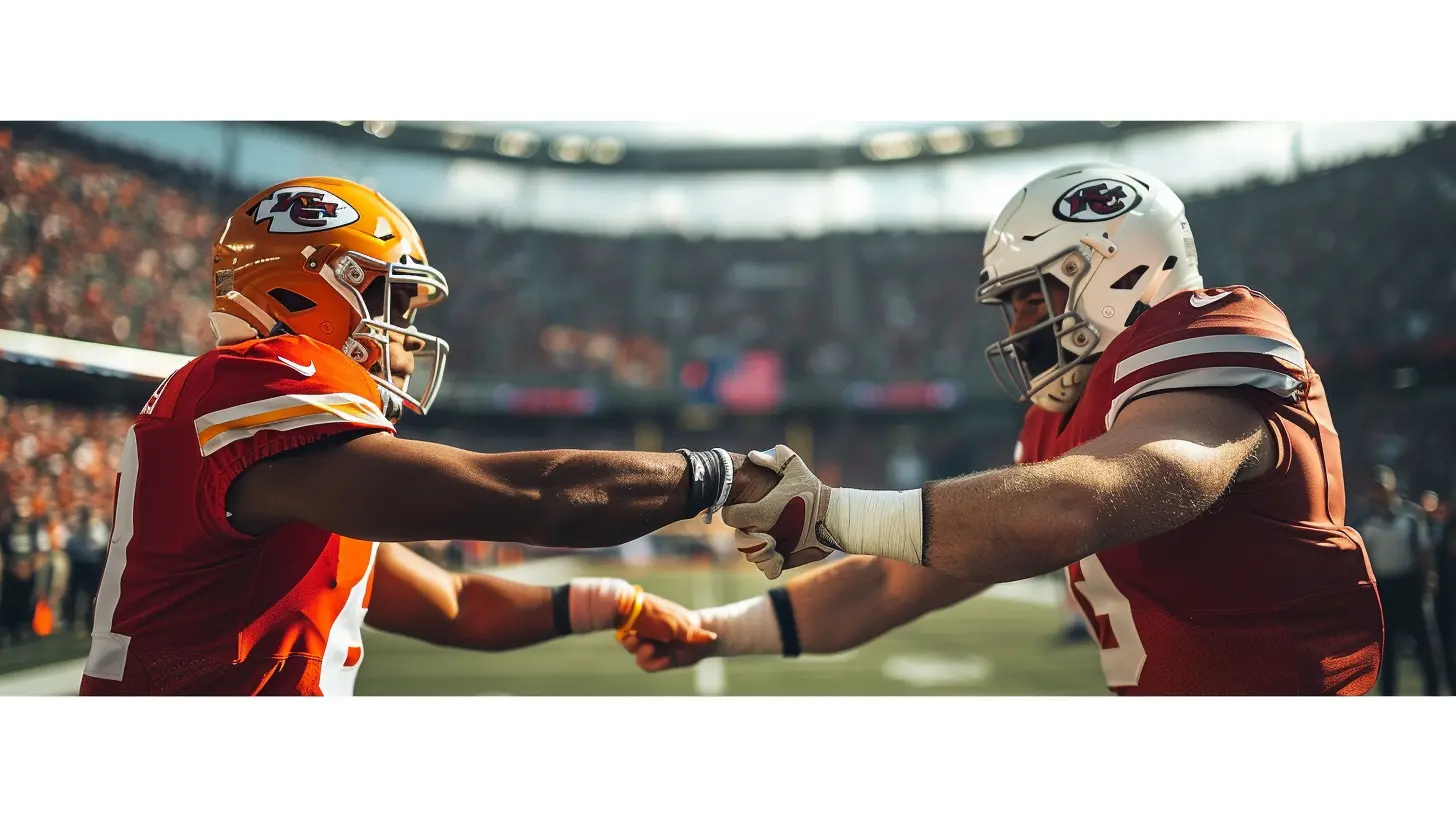
Luxury Tax, Salary Floors, and Caps: The Tools of Revenue Management
Let’s talk tools — not the kind in your garage, but the financial mechanisms leagues use to enforce revenue splits.Salary Cap
Think of the salary cap like a budget constraint. It limits what teams can spend overall. In a capped league, teams must structure contracts carefully to fit within that cap.This often leads to creative deals: back-loaded contracts, performance incentives, or team options. Agents play a strategic game, balancing what a player deserves with what a team can afford.
Luxury Tax
Some leagues, like MLB and NBA, allow teams to exceed the salary cap, but there’s a catch—they pay a tax when they go over. That money often gets redistributed to other teams or used for player benefits.So how does this affect contracts? Superstars still get paid, but teams think twice before offering massive deals to role players if it means paying extra millions in tax. It’s like tipping 50% every time you order takeout — eventually, it gets painful.
Salary Floor
The salary floor ensures teams don’t spend too little on players. This prevents owners from hoarding money and fielding underwhelming teams just to stay profitable.In a sense, it protects players by guaranteeing a certain level of league-wide spending. It also forces teams to stay competitive in the free-agent market, leading to better offers for mid-tier and veteran players.
The Players’ Perspective
From a player’s point of view, the revenue split isn’t just numbers on a spreadsheet—it’s their livelihood.Players want a bigger piece of the pie because they’re the ones training year-round, traveling constantly, and risking injury every game. They argue that without them, there wouldn’t be a league at all.
And they’re not wrong. Every dunk, goal, and home run fuels TV ratings, ticket sales, and merchandise — all of which drive revenue.
That’s why players fight hard during CBA negotiations. Whether it’s striking (like MLB players did in ‘94) or threatening lockouts, they know the split dictates more than just salaries — it determines health benefits, pensions, player development, and post-career support.
The Owners’ Perspective
On the flip side, owners see revenue splits as a matter of economics and long-term sustainability. They invest billions in franchises, stadiums, training facilities, marketing campaigns, and staff. From their view, they carry the financial risk if things go south — like during a pandemic when games are canceled and revenue dries up overnight.Owners want predictability. A fixed revenue split allows them to plan spending, manage risk, and protect their investment. They’re not necessarily against high player salaries, but they want to ensure the business stays profitable and competitive for the future.
Striking a Balance: The Tightrope Walk
Ultimately, it’s a balancing act. If players get too little, morale and performance can suffer. If owners give up too much, they may struggle to maintain facilities, invest in youth programs, or expand internationally.Most leagues try to land somewhere in the middle. And when the split feels fair, both sides thrive. Players earn what they deserve, and owners see solid returns on their investments.
But once things tilt too far in either direction, conflict brews.
Real-Life Examples of Contract Shaping
Let’s bring it home with some real stories.NBA's 2016 Free-Agent Frenzy
In 2016, the NBA signed a $24 billion TV deal, which caused the salary cap to jump by nearly $24 million. Players like Timofey Mozgov and Evan Turner scored contracts worth $64 million and $70 million respectively. These weren’t superstars, but the increased player share made room for huge deals.NFL Collective Bargaining Shifts
In 2020, the NFL’s new CBA set the players' share at 48% (with potential to rise to 48.5% based on media deals). This opened the floodgates for massive quarterback contracts. Patrick Mahomes signed his record-breaking $503 million deal just months after.MLB’s Luxury Tax Impact
In MLB, high-revenue teams like the Yankees and Dodgers often dance around the luxury tax line. This means while stars still get paid big, lesser-known players sometimes get squeezed out, leading to more disputes over what percentage of revenue players should really get.Upcoming Trends to Watch
As media evolves — think streaming rights, NFTs, and global sponsorships — the definition of "revenue" is changing. How this new money gets accounted for will heavily influence future revenue splits.Players will want to ensure digital income and international expansion profits are included in their share. Owners, on the other hand, may argue for reinvestment before profit-sharing.
Expect future negotiations to revolve around these new frontiers.
Final Thoughts: Why It All Matters
Revenue splits may sound like boring legal talk, but they're the backbone of sports economics. They shape how teams are built, how players are paid, and how competitive the league remains.When done right, they create a win-win: players are compensated fairly, and owners keep the business thriving.
So the next time you hear about a player signing a $200 million contract, remember—it all ties back to how the money gets split. And that split? It’s more than numbers. It tells the story of balance, power, and mutual respect in the ever-evolving world of professional sports.
all images in this post were generated using AI tools
Category:
Sports ContractsAuthor:

Ruben McCloud
Discussion
rate this article
2 comments
Lucy Becker
This article highlights a crucial aspect of sports economics. Understanding revenue splits not only affects players' earnings but also influences team dynamics and negotiations. It's fascinating how financial structures drive decisions on and off the field.
September 20, 2026 at 12:09 PM
Briar McCallum
Balance drives fair play and growth.
August 29, 2026 at 12:17 PM