How Sports Celebrities Are Using Technology to Enhance Their Performance
28 May 2026
Ever wonder how professional athletes keep breaking records year after year? It’s not just about hard training or natural talent anymore. These days, there's a secret weapon behind the scenes—and it's not Gatorade. It's technology.
From football fields to tennis courts, sports celebrities are tapping into tech like never before. Whether it's wearables, data analytics, virtual reality, or AI-driven coaching, tech is turning good athletes into great ones. And the best part? Many of these tools are creeping their way into amateur sports too. So if you've ever fancied training like a pro, now’s your chance to understand how they do it.
Let’s break it down and take a closer look at how sports celebrities are using technology to enhance their performance.
The Game-Changing Role of Wearable Tech
Alright, let’s start with the tech you’ve probably seen—wearables. You know, those sleek gadgets strapped to wrists, chests, or even embedded into clothing.Heart Rate Monitors and GPS Trackers
Athletes today wear devices that monitor their heart rate, speed, distance, and even the direction they're moving. Footballers, for instance, use GPS vests during training to track their every move. All those data points? They help coaches fine-tune workouts based on performance and fatigue levels.You’ll see soccer stars like Cristiano Ronaldo or Lionel Messi wearing these during preseason and training camps. Why? Because it tells them when they're peaking or when they need rest, avoiding injury and burnout.
Smart Clothing
Yes, we’ve officially entered sci-fi territory. Some sports celebs are donning shirts, socks, and shorts embedded with sensors. These smart clothes can capture muscle vibration, exertion levels, and even hydration. It's like having a mobile lab stitched into your jersey.Imagine getting real-time feedback that says, "Hey, your left leg is doing more work than your right. Balance it out!" That's next-level body awareness.
Big Data: The Digital Coach
Ever heard the phrase “numbers don’t lie”? That’s the mantra behind the explosion of big data in sports.Performance Analytics
Today’s athletes are swimming in data. But it’s not just about collecting numbers—it’s about making sense of them. With advanced software, performance teams analyze every pass, sprint, jump, and shot. This allows players and coaches to identify patterns, fix weaknesses, and strategize better.NBA players like Steph Curry have famously used analytics to perfect their shooting form. With data detailing where they score most accurately, they can adjust their playstyle to maximize efficiency.
Opponent Analysis
Data doesn’t just help athletes improve themselves; it also helps them beat the competition. Using video analysis and statistical models, teams can break down their opponent’s strengths and habits.Think of it like having the answers to a test before you take it. Tennis stars like Novak Djokovic often review hours of footage to plan the perfect game strategy for each opponent. It’s chess, not checkers.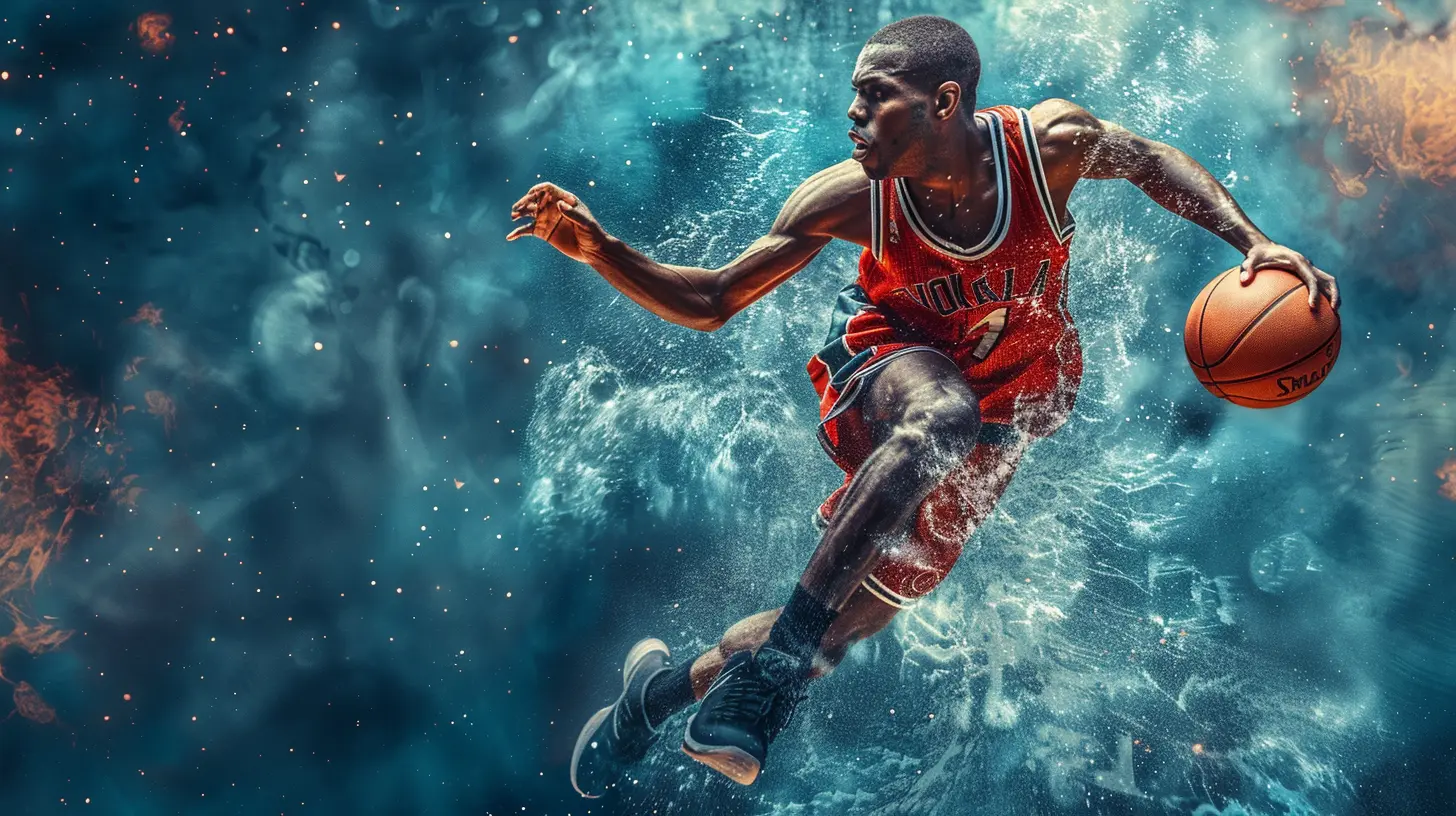
Virtual Reality (VR) and Augmented Reality (AR): Training Without Limits
Let’s talk about one of the coolest tech trends shaking up the sports world—VR and AR.VR Simulations
Some sports celebs are now training in virtual environments that mimic real-life scenarios. Quarterbacks can practice reading defenses without a defense even being there. Baseball players can take hundreds of at-bats against virtual pitchers in a fraction of the time.Tom Brady, ever the perfectionist, reportedly uses VR to rehearse plays, sharpen decision-making, and mentally prepare for games. It’s like extra reps for your brain without the wear and tear on your body.
AR Enhancements
With AR, athletes get real-time overlays of data as they move. Imagine a cyclist seeing their speed, heart rate, and terrain profile on their sunglasses as they ride. This helps them adjust and optimize mid-activity—not after it’s over.Cycling teams in the Tour de France have tapped into AR tech to make informed, split-second decisions. The result? Smarter, faster, more efficient athletes.
Artificial Intelligence & Machine Learning: The Smartest Teammate
AI is another tech MVP that’s transforming how athletes train, recover, and compete.Personalized Training Plans
AI can break down massive amounts of data and generate training plans tailored to each athlete. These plans adjust automatically based on performance, recovery, and even sleep patterns.Take Serena Williams, for example. She’s spoken about using AI-based platforms to monitor her fitness and recovery, ensuring her workouts are always aligned with how her body feels. It’s like having a coach that never sleeps.
Injury Prediction and Prevention
Here’s where things really get interesting. AI can identify biomechanical imbalances or wear patterns that might lead to injury—before the athlete even feels a twinge.NBA teams use AI models to flag players at risk of overuse injuries. With this intel, training loads can be adjusted to keep stars healthy for the long haul.
Prevention’s always better than cure, right? Especially when millions of dollars and championships are on the line.
Recovery Tech: Bouncing Back Like Never Before
Let’s not forget, it’s not just about how athletes train—it’s also about how they rest and recover. And tech is making serious moves in that department too.Cryotherapy and Compression Tech
Many sports celebrities use cryotherapy chambers that expose their bodies to sub-zero temps. It’s like a full-body ice pack, reducing inflammation and boosting recovery. Add compression boots and sleeves that flush out lactic acid, and you’ve got a recovery cocktail fit for a champion.LeBron James reportedly spends over a million dollars annually on recovery tech—including cryo, hyperbaric chambers, and more. It’s why he’s still dominating in his late 30s.
Sleep Tech
Yes, sleep is serious business. With smart mattresses, sleep trackers, and ambient noise systems, athletes can optimize this crucial part of recovery. Devices like the Whoop or Oura Ring not only track sleep cycles but also suggest changes to sleep habits.Better rest equals better performance. Simple, but so effective.
Social Media and Fan Interaction: The Mental Edge
You might not immediately connect social media with performance—but stick with us.Motivation and Accountability
When athletes share workout routines or training snippets online, it creates a form of public accountability. Knowing millions are watching pushes them to stay sharp and consistent. Plus, the fan love and encouragement? That boost can’t be underestimated.And apps like Strava and Zwift? They’re not just for amateurs. Even pros use them to connect, compete, and get that extra motivational push.
Mental Wellness Apps
Mental strength is just as critical as physical ability. That’s why many athletes use mindfulness and mental training apps like Headspace or Calm. These tools help reduce stress, improve focus, and build mental resilience.Michael Phelps has long advocated for therapy and mindfulness training. With mental health tech becoming more accessible, it’s no longer just about biceps—it’s about brainpower too.
eSports and Tech Crossover: Blurring the Lines
One of the more fascinating trends is traditional athletes stepping into the eSports and gaming world. This isn’t just for kicks—there’s method to the madness.Cognitive Training Through Gaming
High-level video games require lightning-fast reflexes, top-tier hand-eye coordination, and strategy. Sounds a lot like elite sports, right?Athletes like Gordon Hayward and JuJu Smith-Schuster are known gamers. Playing these games can enhance cognitive agility—reaction time, pattern recognition, and focus—all of which translate back to their sport.
It’s not just about fun; it’s cross-training…with a controller.
The Takeaway: Tech Is the Ultimate Teammate
So yeah, technology is changing the game—literally. It’s giving sports celebrities tools that were unimaginable just a decade ago. What once took intuition and guesswork now has hard data and digital smarts to back it up.From wearables and VR to AI and recovery tech, athletes have a whole new playbook. And while they still grind hard in training, tech helps amplify those efforts—safely, smarter, and strategically.
The good news? This stuff is trickling down. You don’t have to be an Olympic gold medalist to use a fitness tracker or sleep app. The future of athletic performance is here, and we all get a piece of the pie.
So whether you’re chasing medals or just trying to shave a few seconds off your personal best, take a cue from the pros—embrace the tech.
all images in this post were generated using AI tools
Category:
Sports CelebritiesAuthor:

Ruben McCloud
Discussion
rate this article
1 comments
Jade McGee
I love seeing how athletes embrace technology to boost their game. From wearables that track performance to apps that make training more efficient, it's impressive to witness the fusion of sports and tech. The future of athletics looks exciting with these innovations.
May 29, 2026 at 10:25 AM
Ruben McCloud
Absolutely! The blend of sports and technology is transforming how athletes train and compete, making performance enhancement more effective and engaging than ever. It's an exciting time for the future of sports.