How Sports Celebrities Handle Pressure and Fame
15 October 2026
Being a sports celebrity comes with immense fame, money, and adoration, but it also carries a hefty burden—pressure. The expectations from fans, media scrutiny, and the constant need to perform at an elite level can take a toll on even the strongest athletes. So how do they cope? How do they manage the weight of an entire fanbase while trying to maintain their own sanity?
Let’s dive into how sports stars handle the tremendous pressure and fame that come with their careers. 
The Heavy Weight of Expectations
The Pressure to Perform
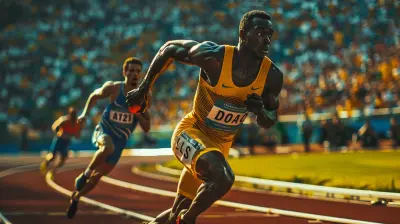
Imagine stepping onto the field, court, or track, knowing that millions of eyes are locked onto you. One mistake, one missed shot, or one slow sprint, and the headlines are ruthless. Sports celebrities face relentless pressure to deliver every single time they take the stage.Athletes like LeBron James or Serena Williams understand this all too well. Every match, every game, and every tournament could define their legacy. But how do they deal with this pressure?
Coping with the Fear of Failure
Failure is part of the journey, but when you’re a top-tier athlete, people forget that you're human. The media spins losses into disaster stories, and social media erupts with criticism. It’s brutal.Athletes often use psychologists, meditation, and personal motivation techniques to stay mentally tough. Many follow routines that help them manage their performance anxiety instead of letting it consume them. 
The Mental Toll of Fame
The Battle with Mental Health
Mental health struggles are becoming a more openly discussed issue in the sports world. Naomi Osaka and Simone Biles, for example, have both spoken up about their battles with anxiety and depression, despite being at the top of their respective sports.Being in the public eye means dealing with pressure beyond the game itself—constant media attention, public scrutiny, and even harsh online trolls. It’s exhausting. Some athletes take social media breaks or seek professional therapy to maintain their mental well-being.
The Loss of Privacy
Imagine not being able to go to the grocery store without a camera in your face or take a walk without someone asking for a selfie. Fame comes with an invasion of privacy that few can truly prepare for.Many sports stars struggle with having their personal lives constantly dissected by the public. Relationships, breakups, and even family issues become public knowledge overnight. Some manage it by setting clear boundaries, while others completely avoid social media to protect their mental peace. 
How Athletes Cope with Pressure and Fame
Strong Support Systems
Behind every successful athlete, there’s a strong support system. Whether it’s family, close friends, mentors, or even teammates, having a circle of trusted people helps maintain balance.Many stars credit their families for keeping them grounded. For instance, Lionel Messi has often spoken about how his wife and kids help him stay focused on what truly matters—life beyond the game.
Therapy and Mental Coaching
Sports psychologists play a crucial role in helping athletes handle pressure. Many top athletes work with mental coaches to strengthen their resilience and develop strategies to stay calm under stress.Techniques like visualization (mentally rehearsing success), mindfulness, and breathing exercises have helped countless athletes stay in control of their emotions during high-pressure situations.
Maintaining a Healthy Routine
Routine is everything. Whether it’s practicing gratitude, meditating, or following pre-game rituals, athletes thrive on consistency.Cristiano Ronaldo, for example, follows a strict daily routine that includes sleep management, proper nutrition, and disciplined training. This structure not only prepares him physically but also helps him stay mentally locked in. 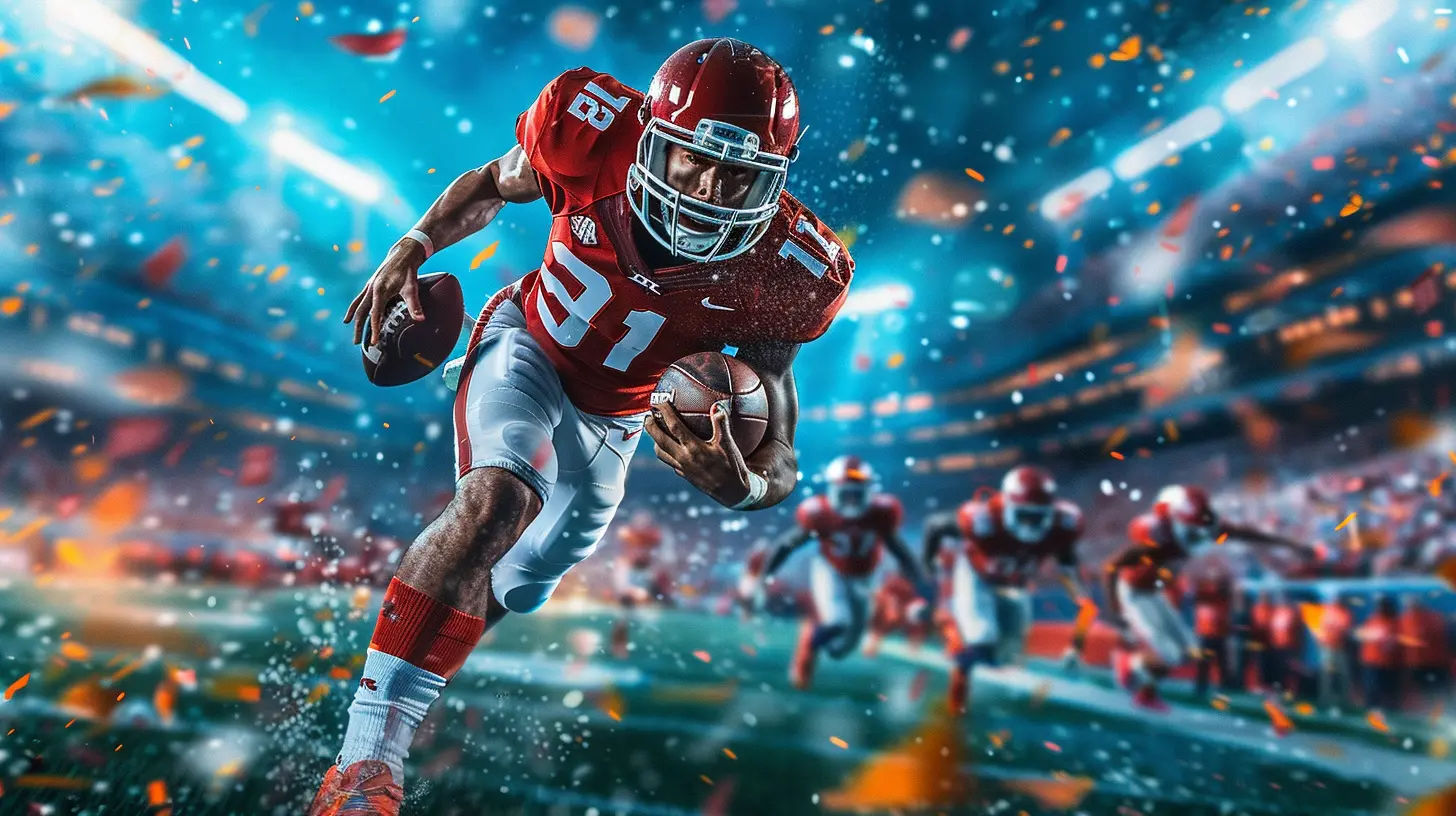
The Role of Social Media – A Blessing and a Curse
Social media is a double-edged sword for athletes. It helps them connect with fans, build their brand, and express themselves—but it also exposes them to criticism and negativity.Filtering the Noise
Athletes often have to develop thick skin. The online world can be brutal—with anonymous trolls attacking performance, appearance, and even personal matters. Some athletes choose to limit their exposure by hiring PR teams to manage their accounts, while others simply ignore negativity and focus on their game.Using Fame for Good
Many athletes use their platform to inspire and bring about change. LeBron James, for example, actively supports education initiatives and speaks up on social justice issues. When athletes shift their focus to making an impact beyond sports, it helps them channel fame into something meaningful rather than letting it consume them.Balancing Fame and Personal Life
Keeping a Sense of Normalcy
Some sports stars maintain normalcy by keeping their personal lives private. They avoid the celebrity lifestyle, stay close to childhood friends, and engage in everyday activities.For instance, Kawhi Leonard, despite being an NBA superstar, remains incredibly private and avoids social media. This helps him keep his focus solely on his game.
Finding Passion Beyond Sports
Many athletes develop hobbies or businesses outside of their sport. Michael Jordan famously transitioned into business with his Jordan Brand, and Shaquille O’Neal has built a successful career in media and entrepreneurship.Having something outside of sports helps athletes manage their identity. When all you’ve known is competition, it’s easy to feel lost when your career ends. Developing interests beyond the game provides a sense of fulfillment outside of the spotlight.
Conclusion
Handling pressure and fame is no easy task for sports celebrities. The weight of expectations, media scrutiny, and social pressures can be overwhelming. But through strong support systems, mental coaching, routines, and a focus on things beyond their careers, they find ways to stay grounded.At the end of the day, they are human—just like the rest of us. They experience fear, anxiety, and stress, but their ability to navigate these challenges is what sets them apart. If anything, their struggles remind us that even the greatest athletes deal with the same battles we do, just on a much larger stage.
all images in this post were generated using AI tools
Category:
Sports CelebritiesAuthor:

Ruben McCloud