How Sports Documentaries Are Influencing Public Perception
18 November 2026

Introduction
Sports documentaries have surged in popularity over the past decade, captivating audiences with stories that go beyond the games themselves. They delve into the lives of athletes, the history of sports organizations, and the cultural impacts of various sports. These films do more than entertain; they shape public perception in profound ways. From shifting attitudes toward athletes and teams to influencing societal discussions around sports-related issues, the impact of sports documentaries is extensive. This article unpacks how these films influence public perception, explores their effects on fans and athletes, and offers insights into the broader implications for sports culture.
The Rise of the Sports Documentary
Historical Context
The modern sports documentary phenomenon began to take shape in the late 20th and early 21st centuries. Early examples include "When We Were Kings," which chronicled the legendary 1974 boxing match between Muhammad Ali and George Foreman. This film not only showcased the sport but also highlighted the cultural and political climate of the time, setting a precedent for future documentaries.As technology improved, filmmakers gained access to better storytelling tools, making it easier to craft compelling narratives. Streaming platforms like Netflix and ESPN+ have further democratized access to these documentaries, bringing stories to broader audiences than ever before.
Key Characteristics of Engaging Sports Documentaries
Effective sports documentaries share common characteristics:- Narrative Depth: They go beyond statistics and game highlights, exploring personal stories, struggles, and triumphs.
- Cultural Relevance: They often tie into larger societal issues, making them relatable to viewers who may not be diehard sports fans.
- Emotional Connection: Successful documentaries evoke strong emotions, whether through inspirational stories or heart-wrenching moments.
The Role of Storytelling in Shaping Perception
Personal Narratives and Their Impact
Personal narratives are at the heart of many impactful sports documentaries. By focusing on an athlete's journey, filmmakers can humanize figures who might otherwise be seen as larger-than-life. For instance, "The Last Dance" chronicles Michael Jordan's career but also dives deep into his personal life, struggles, and mindset. This multifaceted portrayal encourages viewers to empathize with Jordan, thereby reshaping public perception of him from a mere athlete to a complex individual facing immense pressure.Cultural Reflection and Societal Issues
Many sports documentaries address pressing societal issues, such as racial inequality, mental health, and the commercialization of sports. "Icarus," which examines doping in sports, not only reveals the dark side of competitive athletics but also prompts discussions about ethics and integrity. The film's influence extends beyond sports, encouraging a broader conversation about regulatory practices in various fields.The Power of Visual Storytelling
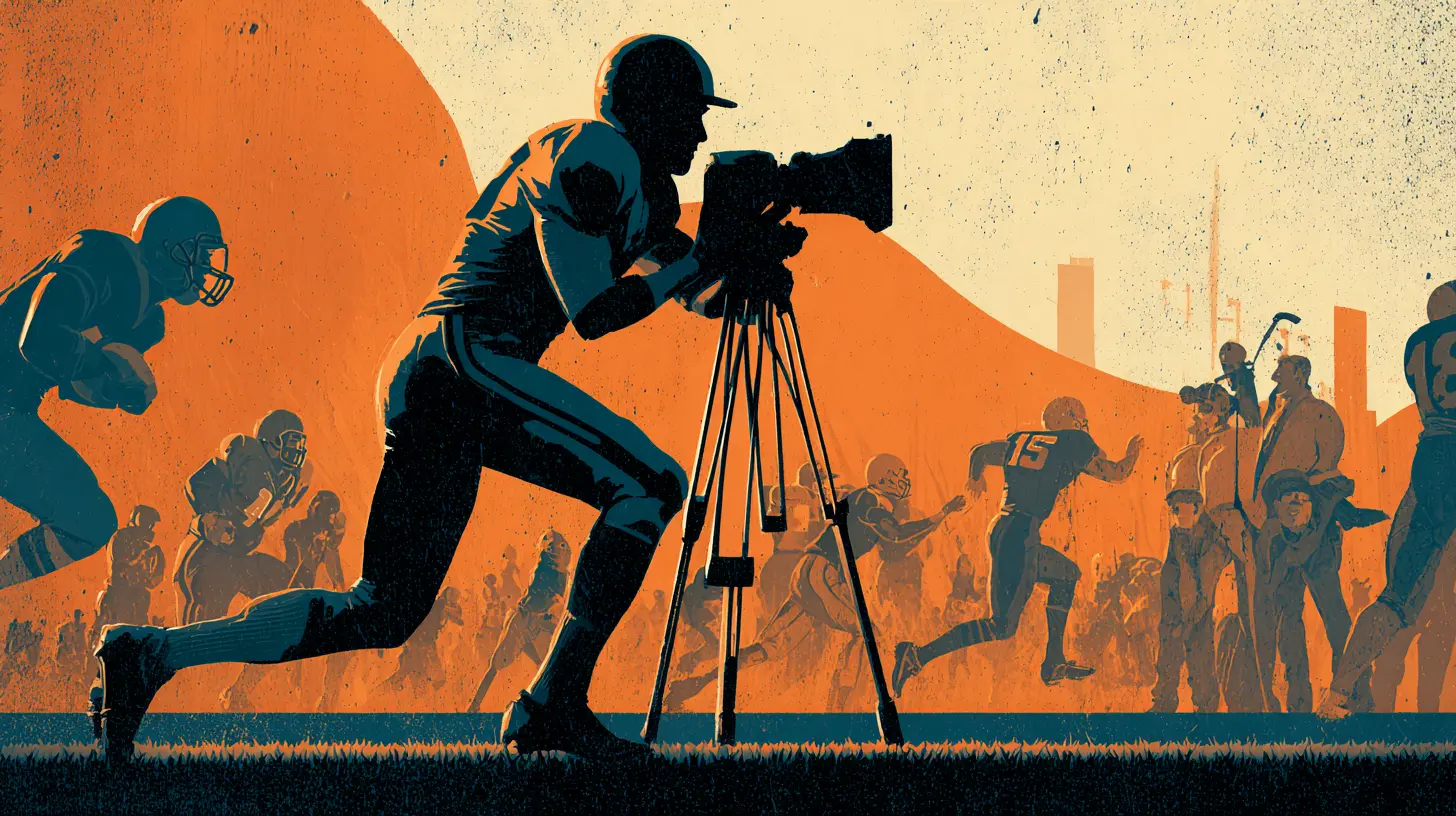
Visual storytelling plays a crucial role in shaping public perception. The use of archival footage, interviews, and dramatic reenactments can create a sense of authenticity. For instance, "Free Solo," which documents Alex Honnold's attempt to climb El Capitan, uses breathtaking cinematography to immerse viewers in the experience. This visual engagement enhances the emotional weight of the story, leading to a greater appreciation for Honnold's feat and a reevaluation of what is possible in human endeavor.
The Influence on Fans and Communities
Fostering Loyalty and Connection
Sports documentaries can deepen fans' loyalty to teams and athletes. By highlighting players' struggles and successes, these films build a sense of connection. Fans who see their favorite athletes as relatable individuals are more likely to support them, even during tough times. For example, the documentary "Last Chance U" follows junior college football players, showcasing their determination to succeed. Viewers may feel inspired by the players' grit and resilience, fostering a sense of community around these narratives.Shaping Community Identity
Documentaries often reflect and shape community identities. Take "The Battered Bastards of Baseball," which tells the story of an independent baseball team in the 1970s. The film not only celebrates the team's unique spirit but also resonates with viewers who value underdog stories. This narrative can unify a community around shared values, bolstering local pride and identity.Challenging Stereotypes and Misconceptions
Sports documentaries have the power to challenge stereotypes and misconceptions. "The Carter Effect" explores the impact of NBA star Vince Carter on basketball culture in Toronto. By showcasing the city's transformation into a basketball hub due to Carter's influence, the film dispels the notion that Canadian cities lack a vibrant sports culture. This reframing can lead to increased support for local teams and athletes.The Impact on Athletes and Their Careers
Public Perception and Marketability
For athletes, documentaries can enhance their public image and marketability. A well-crafted documentary can elevate an athlete's status from a player to a role model. For instance, "Being Serena" provides an intimate look at Serena Williams' life, both on and off the court. This portrayal can lead to increased endorsement opportunities and a stronger personal brand.Addressing Mental Health and Vulnerability
In recent years, there has been a growing acceptance of mental health discussions in sports, largely influenced by documentaries. Films like "The Weight of Gold" focus on Olympic athletes and their mental health struggles, shedding light on issues that were once stigmatized. This visibility encourages athletes to speak out about their challenges, fostering a culture of openness and support within the sports community.The Risk of Oversaturation
While documentaries can enhance an athlete's image, there is a risk of oversaturation. Athletes who are featured too frequently may become less relatable or lose their mystique. This can lead to public fatigue and diminished interest. Athletes and their management teams should carefully consider how often they participate in documentary projects, balancing exposure with the need to maintain an intriguing public persona.
The Broader Implications for Sports Culture
Changing Narratives in Sports
Sports documentaries have the potential to change narratives within the industry. By highlighting underrepresented voices and stories, they challenge the traditional portrayal of sports. For instance, "Athlete A" delves into the USA Gymnastics scandal and the systemic abuse within the organization. This critical examination not only holds institutions accountable but also influences how the public perceives the integrity of sports organizations.Entertaining and Educating Audiences
The dual role of sports documentaries as both entertainment and education cannot be overstated. They engage viewers while providing valuable insights into the complexities of sports. "The Dawn Wall," which chronicles climbers Tommy Caldwell and Kevin Jorgeson's attempt to scale a seemingly impossible rock face, educates viewers about the physical and mental challenges of climbing. This blend of entertainment and education enriches the viewing experience and fosters a deeper appreciation for the sport.Influence on Policy and Regulation
Documentaries can also influence policy and regulation within the sports industry. By exposing issues such as doping, abuse, and inequality, they can pressure governing bodies to implement changes. For example, "The Last Dance" sparked conversations about athlete treatment and the pressures of fame, potentially influencing how teams and leagues approach athlete mental health and welfare.Common Misconceptions About Sports Documentaries
They Are Just for Sports Fans
One common misconception is that sports documentaries are only for die-hard sports fans. In reality, many films transcend sports and touch on broader human experiences. Documentaries like "Won't You Be My Neighbor?" about Fred Rogers appeal to a wide audience, illustrating how sports intersect with cultural narratives that resonate with various demographics.All Documentaries Are Objective
Another misconception is that all sports documentaries are objective. In truth, many are influenced by the filmmakers' perspectives and biases, whether intentional or not. Understanding this subjectivity is crucial for viewers. Audiences should approach sports documentaries with a critical eye, recognizing that they are crafted narratives shaped by the individuals behind the camera.
Best Practices for Creating Impactful Sports Documentaries
Focus on Authenticity
Creating an impactful sports documentary begins with authenticity. Filmmakers should prioritize genuine stories that resonate with audiences. This involves building trust with subjects and ensuring that their voices and experiences are represented accurately. Authenticity fosters stronger connections with viewers and enhances the film's overall impact.Invest in Quality Production
High production values can elevate a documentary. Investing in quality cinematography, sound design, and editing enhances the viewing experience, making the story more engaging. Audiences are more likely to connect with and remember well-produced films, increasing their potential influence on public perception.Incorporate Diverse Perspectives
Incorporating diverse perspectives enriches the narrative and allows for a more comprehensive understanding of the subject matter. Filmmakers should strive to include voices that reflect the complexities of the sports world, from athletes to coaches, fans, and critics. This inclusivity enhances the documentary's credibility and relatability.Balance Entertainment and Education
Striking a balance between entertainment and education is essential. While viewers seek engaging stories, they also appreciate insights into the sports world. Providing context and background information can make the film more informative, encouraging viewers to think critically about the issues presented.Conclusion
Sports documentaries wield significant power in shaping public perception. Through effective storytelling, they foster emotional connections, challenge stereotypes, and influence attitudes toward athletes and sports organizations. As the genre continues to evolve, filmmakers have the opportunity to create impactful narratives that resonate with audiences and drive meaningful conversations. By focusing on authenticity, quality production, and diverse perspectives, they can craft documentaries that not only entertain but also inspire change in the sports world and beyond.
all images in this post were generated using AI tools
Category:
Sports JournalismAuthor:

Ruben McCloud

