How to Adapt Mid-Game: Real-Time Adjustments for Coaches
25 February 2026
When the whistle blows and the game begins, every coach walks onto the sideline with a plan. But let’s be honest—plans are like sandcastles. Detailed, well-crafted, and beautiful... until the waves come crashing in. That wave? The unpredictable chaos of live competition. It could be a key player getting into foul trouble, the opponent switching tactics, or the energy of the crowd shifting momentum. Whatever it is, great coaches don't panic—they pivot.
Let’s break down what makes in-game adjustments such a vital and underappreciated skill in modern coaching.
Why Mid-Game Adjustments Matter
Okay, let’s get this straight: It’s not just the pre-game strategy that wins games. It’s how you react when the game throws you a curveball—or five. You might have drilled your players for days, run simulations, watched film... but games don’t always stick to the script.Adjusting mid-game is like steering a ship in a storm. You can't control the sea, but you sure as heck can steer the wheel.
Mid-game adjustments can:
- Neutralize your opponent’s strengths
- Reinforce or restore your team’s confidence
- Slow down momentum swings
- Turn the tide of a game when nothing else is working
These aren't just tweaks. They could be the reason you're celebrating in the locker room—or sulking on the bus ride home.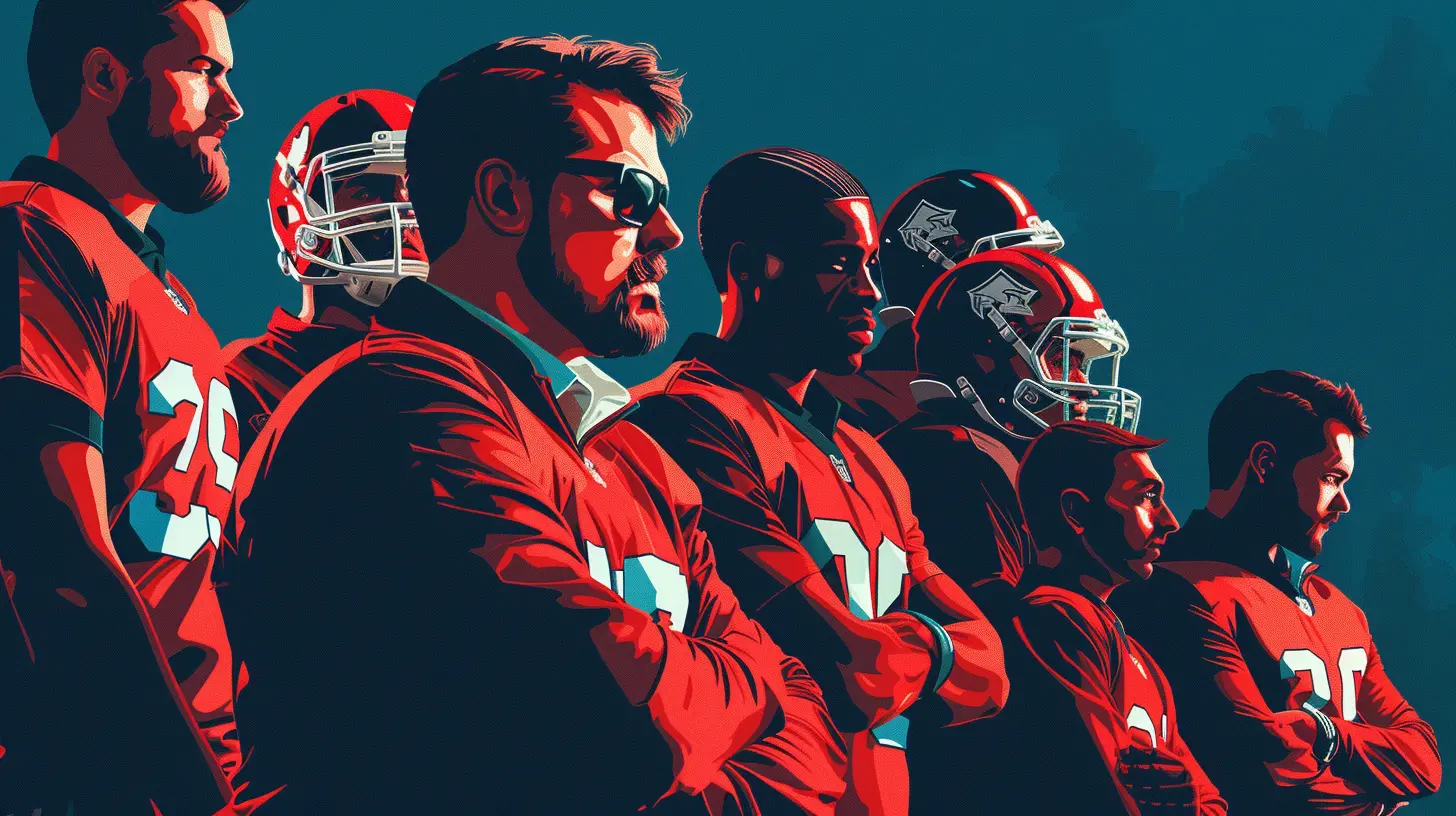
Recognizing When to Adjust (The Coach’s Sixth Sense)
So how do you know it’s time to switch things up mid-game? Part instinct, part observation, and a whole lotta awareness.Here’s what to watch for:
- Repeated breakdowns: If your defense is getting burned on the same play over and over, that’s your cue.
- Momentum shifts: You feel it. The other team is on a run, and your players look rattled.
- Mismatch issues: That 6'8" forward is feasting on your smaller lineup? Time to get creative.
- Your own team's body language: Slumped shoulders, frustrated faces—your team needs a spark.
Pro tip: Don’t wait until you’re down double digits to adjust. Be proactive, not reactive. Think of it as changing the tires while the car is still moving, not after it crashes.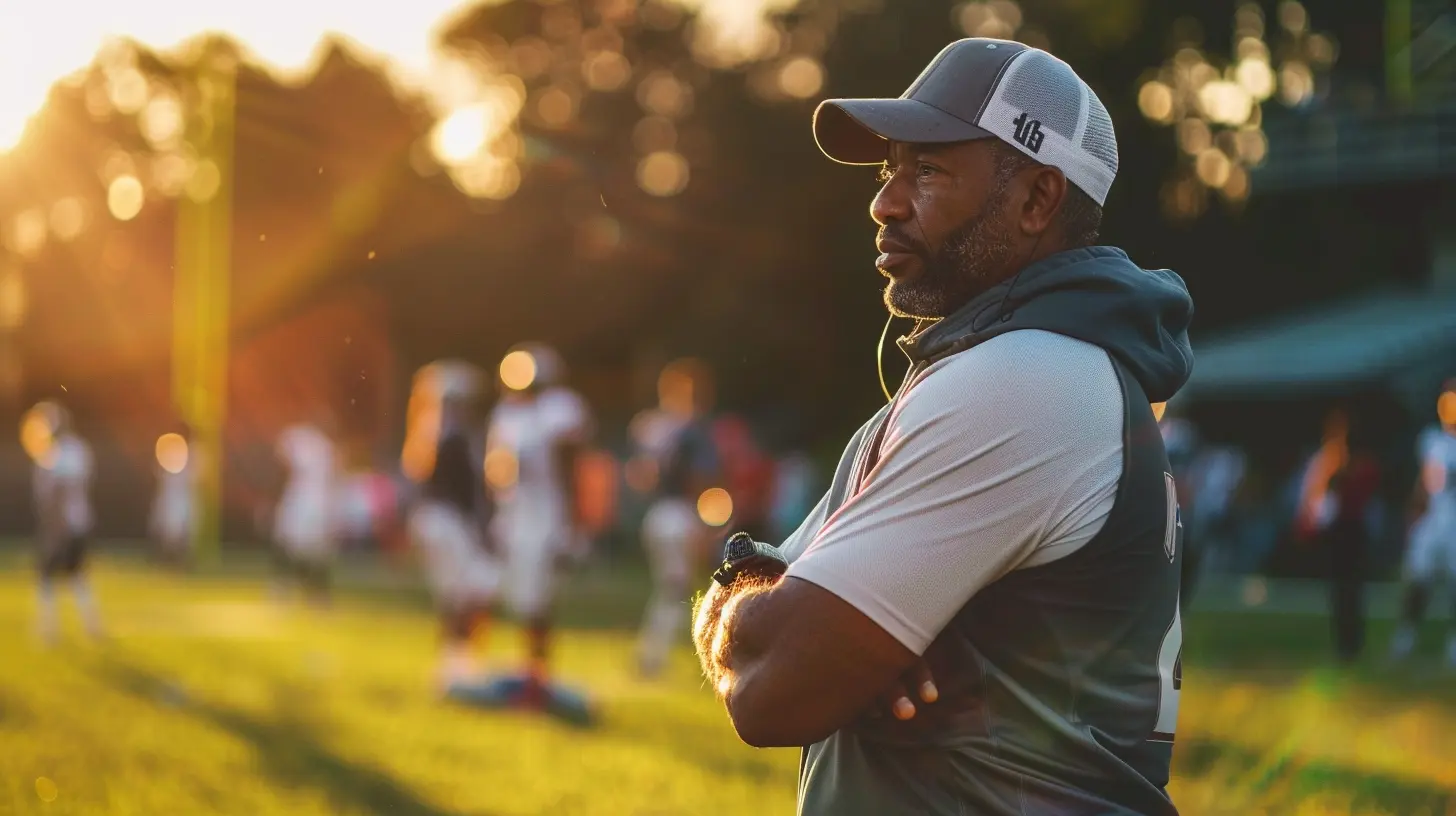
Tactical Adjustments: Xs and Os that Can Flip a Game
The chess match within the game is real. Let’s dive into some go-to tactical adjustments successful coaches use when the pressure’s on.1. Changing Defensive Schemes
That high-tempo offense is torching your man-to-man defense? Time to confuse them.- Switch to Zone: A 2-3 or 1-3-1 zone can clog passing lanes and mess with rhythm shooters.
- Trap or Press: Speed up a slow offense. Force turnovers. Bring chaos into order.
- Matchup Zone or Junk Defense: Mix elements of zone and man-to-man to keep opponents guessing.
These changes don’t just alter positioning—they disrupt confidence and flow. And that can be deadly.
2. Adjusting Offensive Sets
Sometimes your offense is stuck in the mud. No movement. No good shots. No points. What now?- Simplify the Playbook: Go back to basics. Run a high pick-and-roll or isolation for your hot hand.
- Exploit the Mismatch: If your guard is cooking their slower defender, feed him until they adjust.
- Increase Ball Movement: Swing the ball quicker. Add some misdirection. Keep the defense chasing.
A coach’s job isn’t to be fancy—it’s to be effective. Sometimes the simplest change brings the biggest result.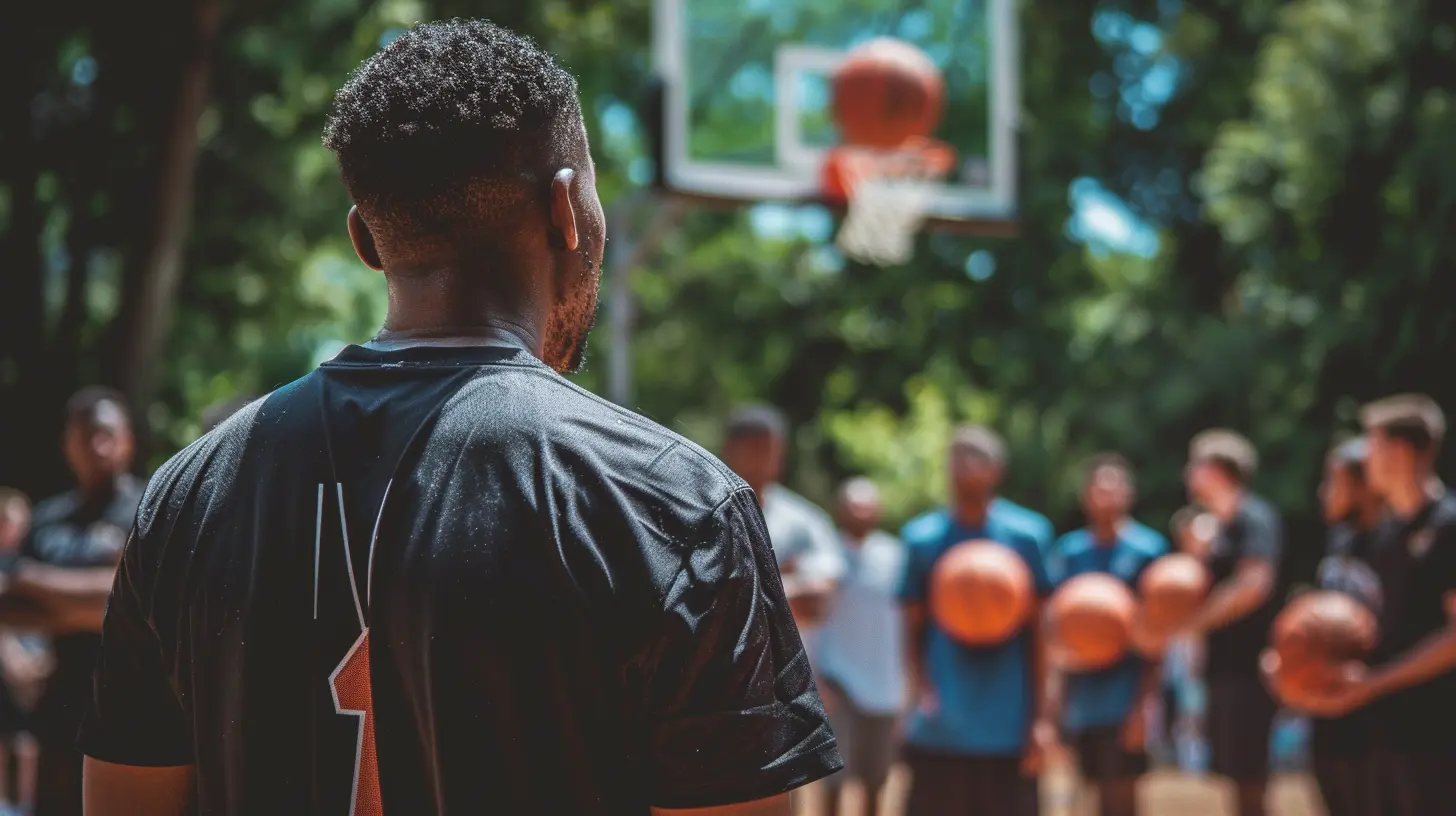
Personnel Adjustments: Yes, It’s Okay to Sit a Star
Let’s talk guts. One of the hardest decisions a coach can make is to pull a struggling star or call on a bench player who rarely sees minutes. But here's the thing—loyalty doesn’t win games. Adaptability does.1. Ride the Hot Hand
Bench players sometimes bring that unexpected spark. If someone’s lighting it up, keep them in. Reward performance, not reputation.2. Rest or Refocus a Struggling Player
If your star is cold, in foul trouble, or mentally off—give them a breather. A couple minutes on the bench can reset their engine.3. Matchups Matter
Subbing in a defender to lock up a hot scorer? Genius. Bringing in a stretch big to pull their rim protector out of the paint? That’s strategy.Remember: It’s not who starts. It’s who finishes.
Communication: The Delivery is Just as Important as the Decision
Mid-game adjustments don’t matter if your team doesn’t understand—or worse, doesn’t believe in—what you’re saying.So how do you sell those in-the-moment shifts?
Be Clear and Direct
No time for a TED Talk. Keep it concise. “We’re going 2-3 zone. Talk. Rotate. Box out.”Match Energy With Intent
If your team’s energy is flat, inject some fire. If they’re frantic, bring calm. Your tone sets the tempo.Use Visuals and Cues
A whiteboard sketch. Quick hand signals. Eye contact. Whatever gets the point across quickly and clearly.Mid-game is chaotic. Your job? Be the eye of the hurricane.
Mental and Emotional Adjustments: Coaching Beyond the Clipboard
Let’s get real. Not all adjustments are tactical. Sometimes, your team just needs a mindset shift.1. Resetting Focus
Is your team distracted? Sloppy? Over-thinking? Call a timeout. Look them in the eyes. Say what needs to be said to snap them back.2. Rebuilding Confidence
After a bad stretch, your team might need more than a new formation—they need belief. A quick pep talk. A reminder that you’ve been here before.3. Managing Emotions
The refs made a brutal call. Tensions are rising. You’ve got to be the thermostat, not the thermometer. Lead with poise, and your players will follow.These are the moments that define you as a coach. Not the Xs and Os, but the heartbeat of your team.
Examples From The Pros: Mid-Game Magic in Action
Let’s take a look at real-world examples where great coaches made game-changing adjustments.2016 NBA Finals – Ty Lue’s Bold Bench Moves
Down 3-1, Coach Lue tweaked his rotation and gave more minutes to bench players like Richard Jefferson to match Golden State’s small-ball lineup. Cavaliers stormed back to win the series.Bill Belichick – Second-Half Wizard
Whether it’s taking away a star player or flipping the defensive scheme, Belichick is a master of in-game chess. His halftime adjustments have become stuff of legend.Greg Popovich – Timeout Truth Bombs
Pop doesn’t just draw up plays—he resets minds. His iconic, brutally honest 30-second timeouts often change the tone of a game.Practice Makes Perfect: Drill Real-Time Adjustments
You can’t expect your team to adapt in a real game if they’ve never practiced it. Build flexibility into your sessions.- Scrimmage with twist rules: Midway through, change the defense. Switch scoring rules. Force them to adjust.
- Time-limited scenarios: Practice last-minute plays or sudden comeback drills.
- Role-flipping: Ask bench players to run the opponent’s schemes. Helps starters learn to react on the fly.
A team that trains for chaos handles chaos better. Simple as that.
Final Whistle Wisdom: Embrace the Fluidity
Games are not won with a perfect plan. They’re won by the coach and players who adapt faster, smarter, and with conviction. Think of mid-game adjustments like jazz. There’s a base structure, sure. But the magic? It’s in the improvisation.So when the game starts slipping, don’t cling to the game plan for dear life. Loosen your grip. Trust your instincts. Watch. Think. Adjust.
And most of all... don't be afraid to break your own rules.
all images in this post were generated using AI tools
Category:
Team SportsAuthor:

Ruben McCloud
Discussion
rate this article
2 comments
Stephen McAnally
Great insights! Adapting mid-game is like jazz—sometimes you just have to improvise! Coaches, trust your instincts and keep that communication open. Remember, every adjustment is a step towards victory. Let’s go out there and turn those challenges into triumphs!
March 28, 2026 at 5:31 AM
Ruben McCloud
Thank you! I love the jazz analogy—improvisation and communication are key to making effective adjustments. Here's to turning challenges into triumphs!
Mindy McGee
Great insights on adapting mid-game! Coaches, remember that every moment is a chance to pivot and shine. Trust your instincts, keep the energy high, and stay flexible. The best plays often come from unplanned adjustments—let your creativity lead the way! Keep coaching strong!
February 25, 2026 at 11:48 AM
Ruben McCloud
Thanks for the encouragement! It's all about seizing those moments and staying open to new strategies. Let's keep the creativity flowing.