How to Build Resilience in Sports: Bouncing Back from Setbacks
12 February 2026
We’ve all been there. You practice for weeks, give it your all, and still—bam!—you lose the game, miss the goal, or don’t make the team. It stings, right? But here’s the thing: in sports, setbacks aren’t the end of the world. In fact, they’re often where the good stuff starts. How you bounce back says way more about you than any win ever could.
This is where resilience comes in. Resilience is like your mental muscle—it’s what keeps you going when things get tough. And just like physical strength, it doesn’t come overnight. You build it over time, through effort, setbacks, and yeah, even failure.
Let’s break down how to build resilience in sports and how athletes—no matter what level—can train their minds to bounce back stronger than ever.
What is Resilience in Sports?
At its core, resilience is that inner grit that helps athletes push through tough times. It’s not just about having talent or being in great shape—it’s about how you handle pressure, disappointment, and adversity.Think of resilience as your mental armor. When things get rough, instead of crumbling, you regroup, refocus, and come back harder. It’s the difference between throwing in the towel and lacing up for another round.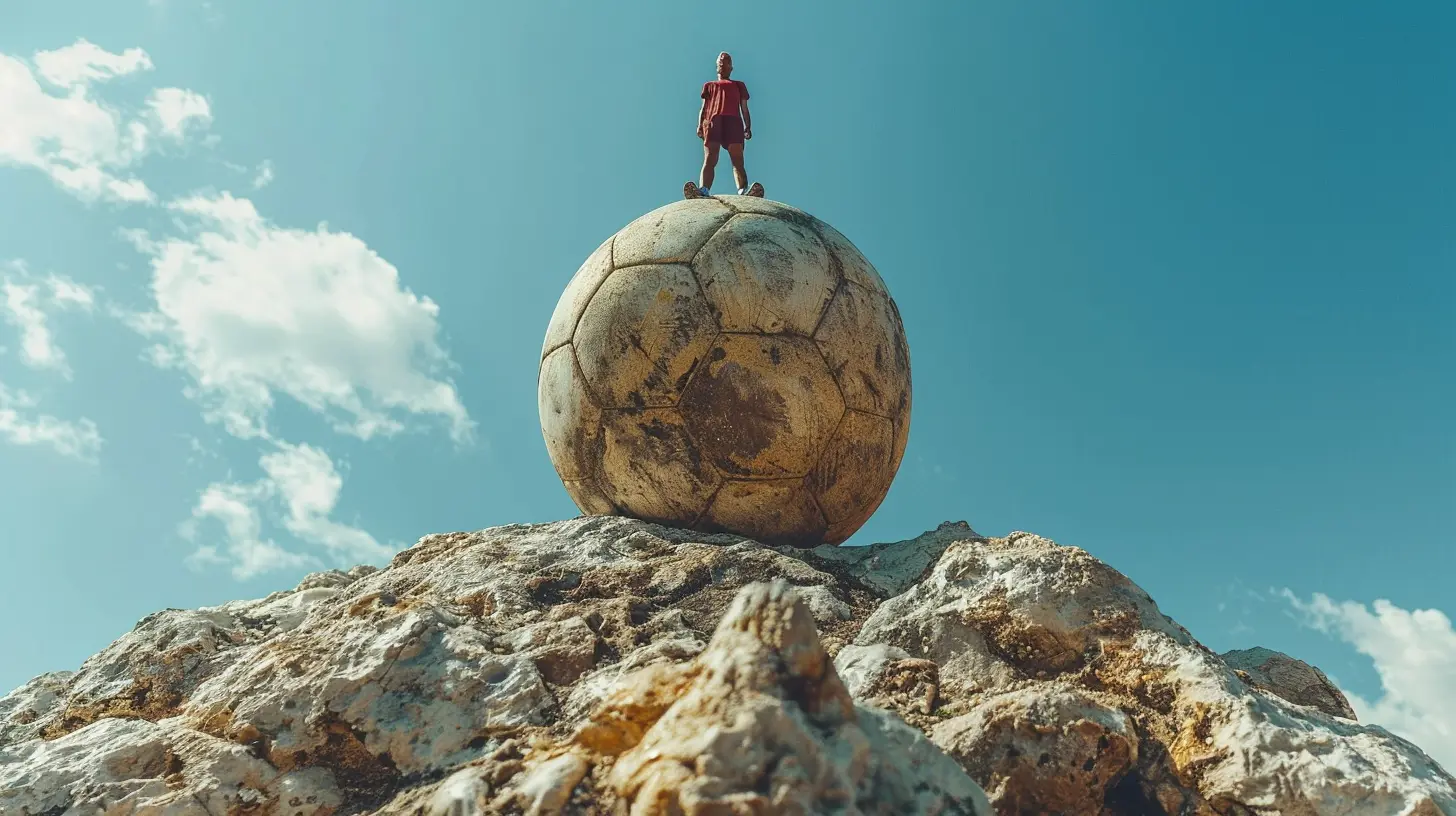
Why Resilience Matters More Than You Think
You might wonder—can't talent alone carry an athlete through?Well, not really. Sure, talent helps, but even the best athletes face losses, injuries, and moments of doubt. What sets champions apart isn’t that they never fail—it’s that they don’t stay down.
Want an example? Think about Serena Williams. She’s seen it all—wins, defeats, injuries—but she always comes back swinging. That’s resilience in action.
So yeah, resilience matters. It's what fuels the comeback after the crash.
The Common Setbacks Athletes Face
Before we dive into how to build resilience, let’s talk about the kinds of setbacks athletes deal with—because there's no shortage of them.- Injuries – Whether it's a sprained ankle or a torn ACL, injuries can sideline even the strongest athlete, both physically and mentally.
- Performance Slumps – When you're stuck in a rut and just can't seem to play your best, it messes with your confidence.
- Losing Streaks – Losing one game sucks. Losing a bunch in a row? That can seriously shake your belief.
- Team Conflicts – Not everyone gets along with teammates or coaches, and that tension can wear you down.
- Pressure and Expectations – When everyone expects you to win, it puts a ton of weight on your shoulders.
Here’s the good news: every one of these setbacks is an opportunity. Yup, you read that right. An opportunity to build resilience.
10 Practical Ways to Build Resilience in Sports
Alright, down to the nitty-gritty. How do athletes actually train their brain to be tougher? Let’s go through some real, practical ways you can build that mental edge.1. Shift Your Mindset from Fixed to Growth
Ever heard of the growth mindset? It’s the belief that your abilities can improve with effort and learning. Athletes with a growth mindset don’t see failure as a sign of weakness—they see it as a chance to grow.Instead of saying, “I’m just not good at this,” try: “I haven’t figured it out yet, but I will.”
It’s a small mental shift, but it’s game-changing.
2. Embrace Failure as Feedback
Let’s be honest—failure sucks. But what if instead of beating yourself up about it, you saw it as a weirdly helpful friend?Failure can show you what’s not working. It gives you intel. The best athletes don’t fear failure—they use it like a secret weapon.
Ask yourself: What can I learn from this? What will I do differently next time?
3. Visualize Your Comeback
Visualization isn’t just for Olympic athletes—it’s for anyone. Picture yourself succeeding. See it, feel it, rehearse it.Before a big game or after a rough loss, close your eyes and mentally go through your next performance the way you want it to go. Your brain starts to believe it’s possible, and that belief makes a huge impact.
4. Set Micro-Goals to Build Momentum
Big goals are great, but they can feel overwhelming. Want to build confidence and resilience? Start small. Really small.Set micro-goals like:
- “I’m going to nail that serve 9 out of 10 times in practice today.”
- “I’ll focus on staying calm under pressure in this next game.”
Every micro-win adds up. It’s like stacking bricks to build a wall of confidence.
5. Build a Support Squad
No one builds resilience alone. Surround yourself with people who lift you up—coaches, teammates, friends, even sports psychologists.Having people who believe in you, even when you’re doubting yourself, makes a massive difference. And sometimes, just talking it out can shift your whole perspective.
6. Practice Self-Talk Like a Pro
What are you saying to yourself when things go south? Are you your own worst critic?Time to flip the script. Start talking to yourself like you would to a teammate. Be encouraging, not destructive.
Instead of: “I totally messed that up.”
Try: “Tough moment, but I’ll fix it next time.”
Your inner voice can either be your biggest ally or your biggest roadblock. You choose.
7. Control What You Can—Let Go of What You Can’t
You can’t control the weather, the ref’s calls, or your opponent’s performance. But you can control your attitude, your effort, and your focus.Resilient athletes don’t waste energy on things they can’t change. They double down on what’s in their control.
Every time you start stressing over something out of your hands, ask: “Is this helping me perform better?” If not, let it go.
8. Reflect and Reframe
After a loss or setback, don’t just move on blindly. Take time to reflect.Ask yourself:
- What went well?
- What could I improve?
- How will I use this experience?
Reframing a setback turns it into a stepping stone instead of a stumbling block. It’s like turning lemons into fuel for your next win.
9. Keep Showing Up
Consistency beats talent every day of the week. Showing up—even when you don’t feel like it—is a resilience superpower.There will be low days. Days when confidence is shot. But getting back on the court, field, track, or gym anyway? That’s where the magic happens.
Remember: You don’t have to feel 100% to give your 100%.
10. Celebrate the Comeback, Not Just the Victory
When you do bounce back—when you finally break that losing streak, recover from injury, or perform better under pressure—celebrate that journey.Wins are awesome, but the resilience it took to get there? That’s the real victory.
The Role of Coaches and Parents in Building Resilience
If you’re a coach or parent reading this—your encouragement can make a world of difference. Help young athletes see that failure isn't fatal. Praise their effort, not just their results.Create an environment where mistakes are part of the process, not something to be ashamed of. That’s how future champions are made.
Real Talk: Resilience is a Lifelong Skill
Here's the kicker—resilience doesn’t just help you in sports. It carries over into school, work, relationships, and life in general.Once you learn how to face setbacks head-on and get back up stronger, you become unstoppable. Sports are just the training ground for that.
Final Thoughts
Building resilience in sports isn’t about being tough all the time or pretending everything’s fine. It’s about learning how to deal with adversity in a healthy, constructive way. It’s about mastering the bounce-back—a skill every athlete, from weekend warriors to pros, needs in their toolbox.Remember, setbacks don’t define you. Your response to them does.
So, next time you fall short or hit a wall, take a deep breath, dust yourself off, and say with confidence: “I’ve got this.”
Because you absolutely do.
all images in this post were generated using AI tools
Category:
Sports PsychologyAuthor:

Ruben McCloud
Discussion
rate this article
2 comments
Jocelyn Vaughn
Great article! Resilience is key in sports and life. Embracing setbacks as opportunities for growth can transform challenges into stepping stones. Remember, every champion has faced adversity—it's how we respond that truly defines us. Keep bouncing back!
March 24, 2026 at 1:55 PM
Ruben McCloud
Thank you! I completely agree—embracing setbacks is essential for growth, both in sports and in life. Your insights truly resonate!
Idris Adkins
Great article! Building resilience is crucial for athletes facing setbacks. Emphasizing mental strength, support systems, and a growth mindset can transform challenges into opportunities for growth. Encouraging athletes to learn from failures rather than fear them fosters a culture of perseverance. Keep inspiring the next generation to bounce back!
February 12, 2026 at 12:01 PM
Ruben McCloud
Thank you for your thoughtful comment! I completely agree—resilience is key in sports, and fostering a positive mindset can truly empower athletes. Let's keep inspiring future generations!