How to Choose the Perfect Running Shoes for Your Foot Type
26 February 2026
Ah, running shoes. The holy grail of every runner's gear closet. Or, let’s be honest—overflowing pile of athletic regret. You know, that pile of sneakers you swore would transform you into a gazelle but instead made you feel like a clumsy rhino with a twisted ankle.
Choosing the perfect running shoes can feel like speed dating for your feet. You swipe right on a pair that looks great, but then two miles into your run, they ghost your arch support and leave your toenails crying for help. Talk about betrayal.
But hey, don’t sweat it! I’m here to walk—okay, jog—you through the art of finding the actual perfect running shoes for your foot type. And trust me, your feet will thank you by not blistering into oblivion.
So, tie up your laces, and let’s dive right in.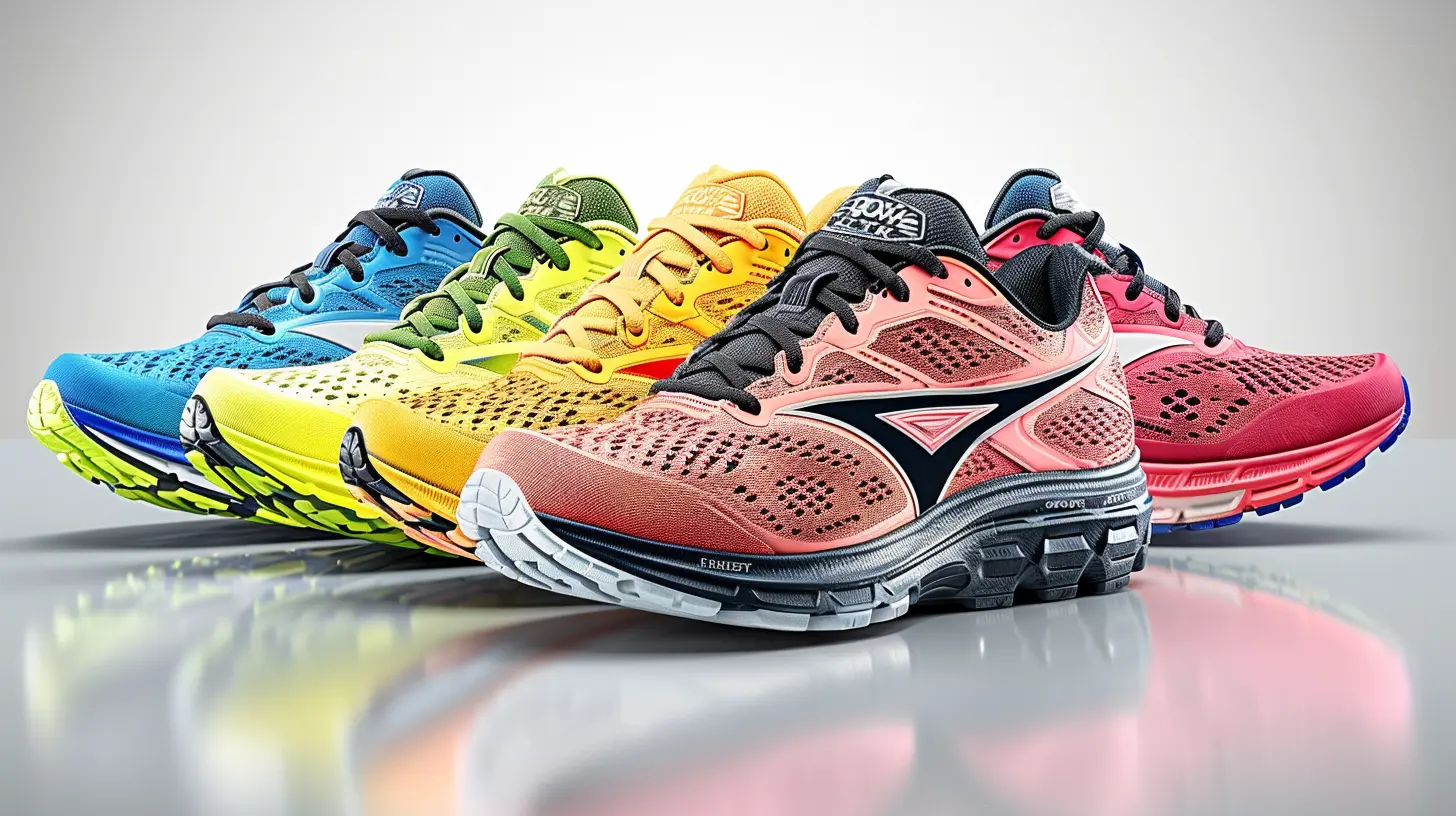
Why Choosing the Right Running Shoe Actually Matters
Let me guess. You thought, “They’re just shoes. If they fit, they’re fine.” Oh, sweet summer child…Running shoes aren’t just about fitting your foot. They’re about working with your foot. The wrong pair can cause everything from shin splints to knee pain, to that weird hip tweak you keep blaming on your old mattress.
Good running shoes align your gait, cushion your stride, and keep the impact off your joints. They're your feet’s ride-or-die, not just some trendy fashion statement. (Although hey, if they look good, that’s a win-win.)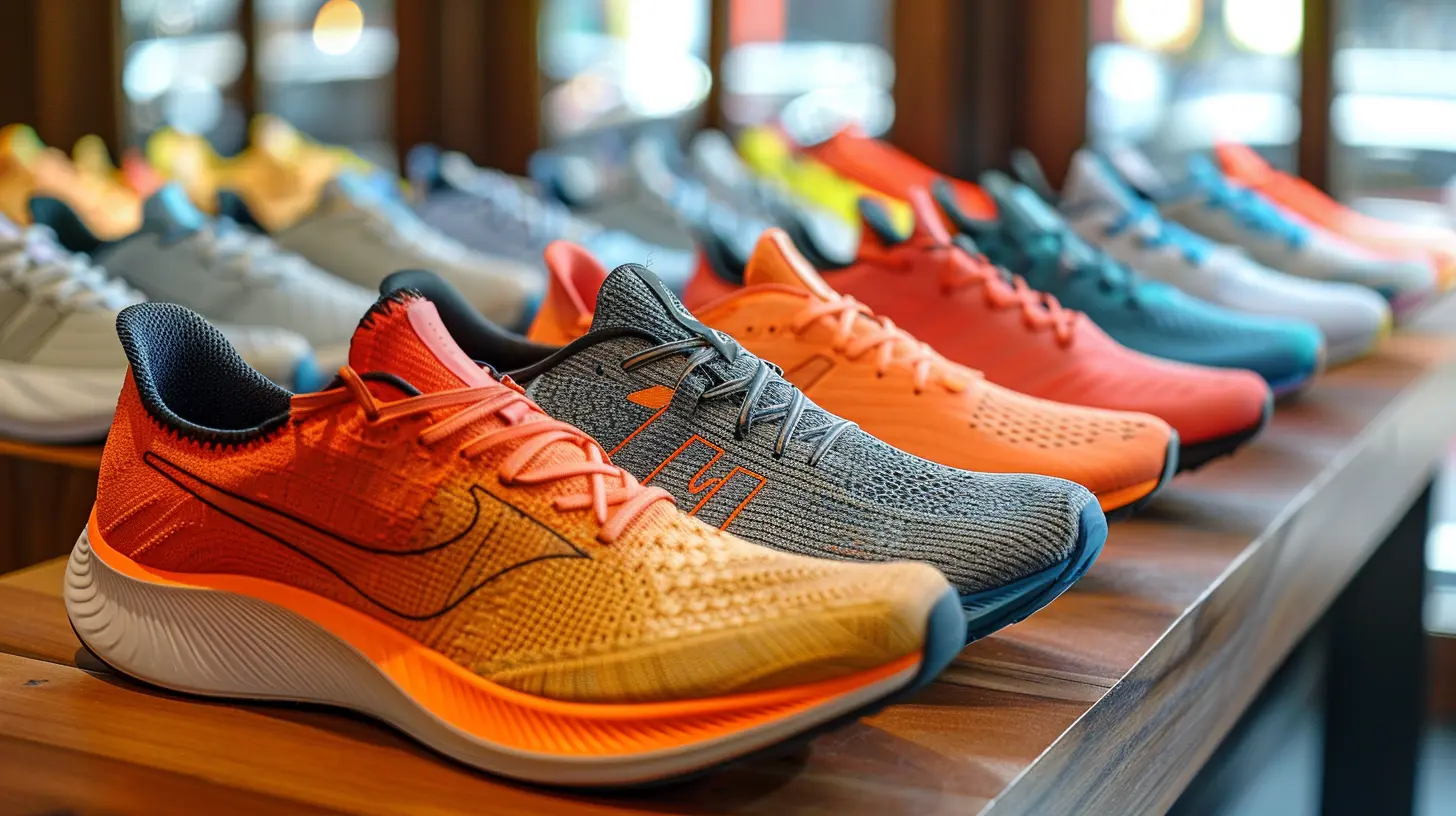
Step One: Know Your Foot Type (Like, Actually Know It)
All feet were not created equal. Shocking, I know. But before you go buying shoes based on color or how cool they look on Instagram, figure out what kind of foot you’re actually dealing with.There are three main foot types, and identifying yours is as easy as playing with water. Literally.
The Wet Test (AKA the Foot CSI Test)
Here’s how you do it:1. Wet the bottom of your foot.
2. Step on a piece of cardboard or a paper bag.
3. Examine your footprint like you’re Sherlock Holmes.
Now, based on the print, you’ll fall into one of these categories:
1. Flat Feet (Overpronators)
You see a full, wide footprint with no inward curve. Your arch is low or non-existent, and your foot rolls inward when you run. Basically, your feet are doing the limbo and need some structure.What you need: Stability or motion control shoes to help you stop overpronating like it's a part-time job.
2. Neutral Feet (Aka the Foot Unicorn)
You’ve got a balanced arch and a normal-looking footprint. Congrats, your body hasn’t turned on you—yet.What you need: Neutral running shoes. You’ve got options, and life is good.
3. High-Arched Feet (Underpronators/Supinators)
Your footprint is basically the ball and heel with a big ol’ empty space in the middle. Your foot doesn’t roll inward enough, and you're pounding the pavement with minimal shock absorption.What you need: Cushioned shoes with lots of arch support. Because your feet are as stiff as grandma’s couch cushions.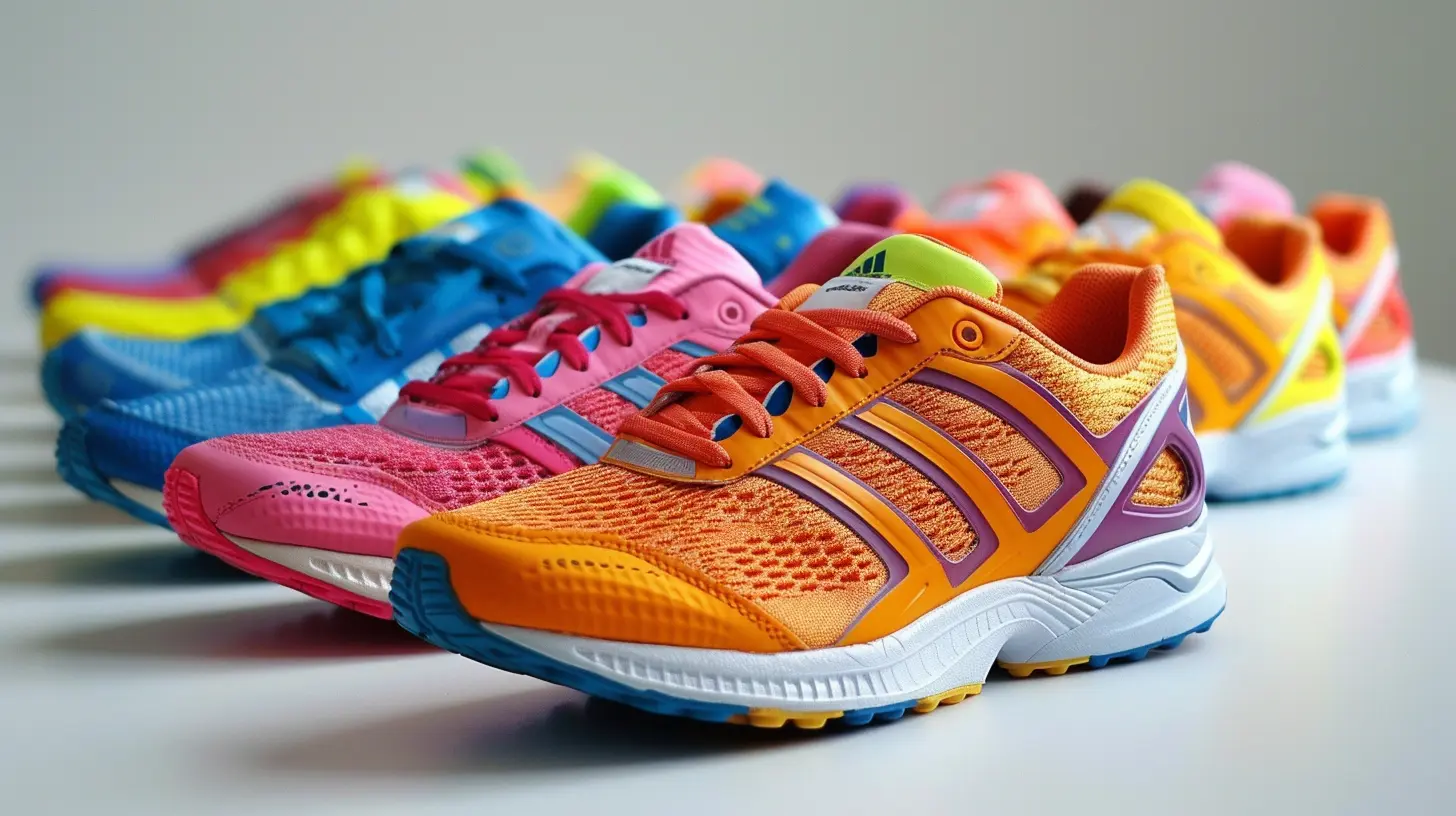
Step Two: Understand Your Gait (Yes, You Have One)
How you run is just as important as what you run in. Your gait is your natural running style—like your signature dance move, but nerdier.Get a Gait Analysis
Most decent running stores will do this for free. They’ll film your feet while you run on a treadmill and break down your biomechanics like they’re analyzing game tape. It's kind of like watching instant replay, except it’s your ankles wobbling.Three Gait Types
- Overpronation: Foot rolls inward excessively. You’re the type who needs extra stability.- Neutral: Your foot rolls in a healthy, Goldilocks kind of way. Nothing too much, nothing too little.
- Underpronation (Supination): Your foot barely rolls in. You need something plush to absorb the impact.
Once you know how you run, you’ll know what shoe designs will let you keep running without hobbling like a pirate afterward.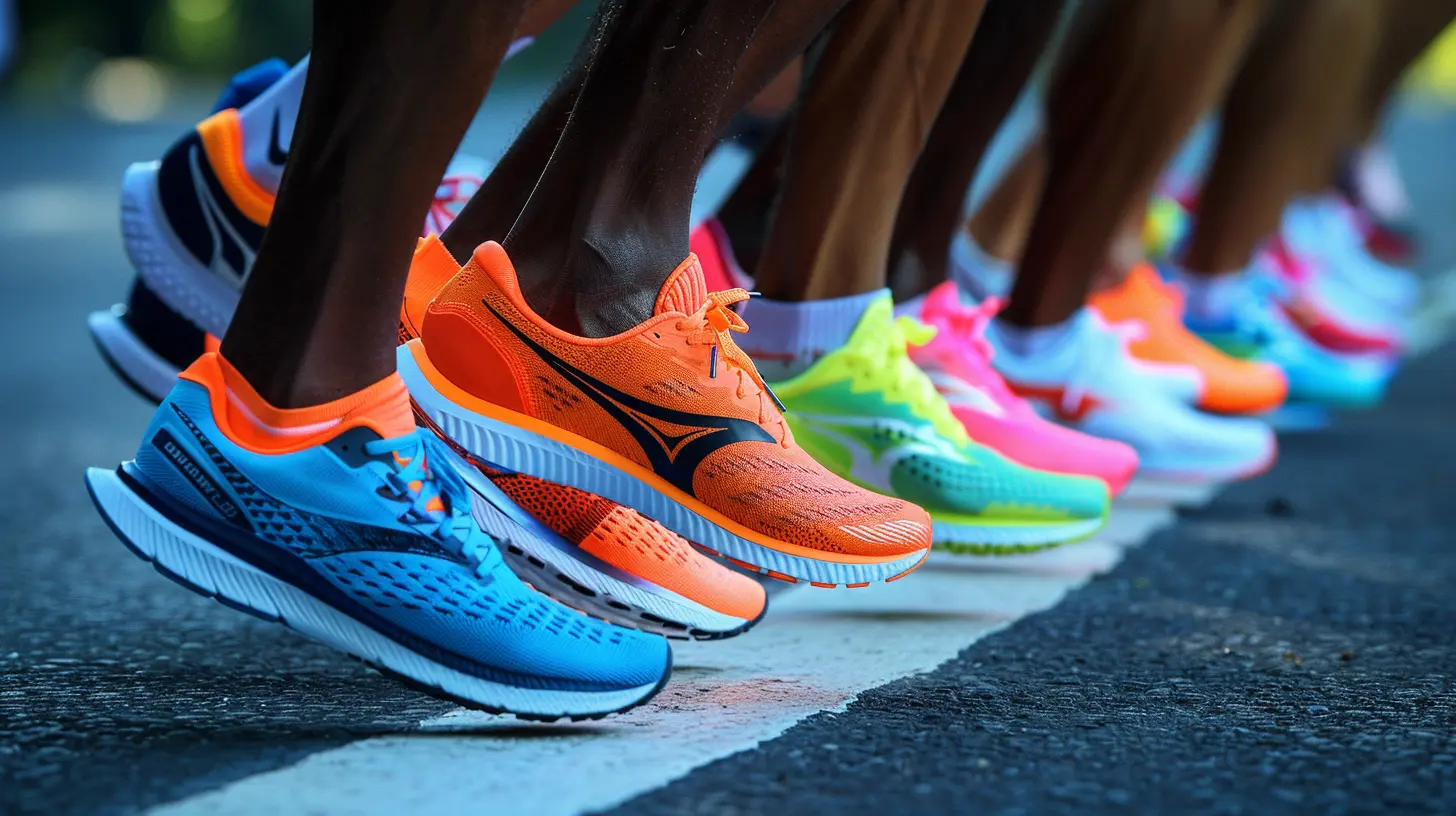
Step Three: Know Your Shoe Types (Aka the Dating Pool)
Let’s break this down like a reality show intro. Cue dramatic music.1. Stability Shoes – For the Middle Children of Running
These are for runners who overpronate but not dramatically. They’ve got a mix of cushioning and support, kind of like the Goldilocks of running shoes. Just right for the “slightly off, but not a disaster” feet.2. Motion Control Shoes – The Bodyguards of the Shoe World
For those with flat feet and extreme overpronation. These bad boys are heavy-duty and meant to keep your foot in place like it's under house arrest. They’re not the lightest, but they’ll keep your knees from filing a complaint.3. Neutral Shoes – For the Lace-Up-and-Go Crew
If your gait is neutral and your arches are playing along nicely, go for these. Loads of options, lots of cushioning, and honestly, the most fun to shop for.4. Cushioned Shoes – Cloud-Like for Supinators
Built with cushion for days, these are the marshmallow shoes. Great for high arches, bad for anyone who thinks agility is optional.Step Four: Try Before You Buy (Yes, Like Pants)
Ordering shoes online without trying them on is like marrying someone based on their profile picture. Risky. You never know what you’re gonna get.Here’s a pro tip:
Go to a store, try on a few pairs, jog around awkwardly while pretending you’re not being judged. Feel them out. Your feet will immediately tell you if they’re vibing or planning a mutiny.Don’t be shy about it—bring your usual running socks, insoles if you use them, and test both feet. Yes, both. One foot is always weirder than the other. (Sorry, it’s true.)
Step Five: Look at the Fit, Not Just the Label
Spoiler alert: just because a shoe is labeled “running shoe” doesn’t mean it’s the right running shoe for you. Labels are just marketing with delusions of grandeur.Here’s what to check for:
- Toe room: You want about a thumb’s width from your big toe to the front of the shoe. No black toenails here, thanks.
- Heel lockdown: Your heel should feel snug but not suffocated. Slipping? That’s a no-go.
- Arch hug: Arch support should feel like a comfy handshake, not a death grip.
- Flexibility: Bend the shoe. If it’s stiffer than your uncle’s dance moves, you’re in trouble.
Step Six: Replace Your Shoes Before They Die a Slow, Painful Death
Don’t wait until your ankles are screaming and your knees are staging a protest. Running shoes have a lifespan, and no, they’re not immortal.General rule?
Around 300–500 miles. After that, the cushioning gives out like a cheap hotel mattress.Your body feels it. Trust me, it’s not subtle.
Bonus: Other Things You Should Probably Care About
Because apparently, more things matter than just looking cool in your Strava post.Running Surface Matters
- Road runners: You need light, responsive shoes.- Trail runners: Get shoes with grip, rock plates, and shoes that won’t freak out at a little mud.
- Treadmill runners: Basically any shoe works, but cushioned helps with redundancy.
Foot Shape Matters Too
Some shoes are narrow, others wide. Don’t try to squeeze your bread loaf feet into a shoe made for spaghetti toes.Wide toe box = No more bunions and blisters.
Final Thoughts: Finding The Shoe That Wants You Back
Let’s put it this way: running shoes are your most important teammate. And no one wants to be benched because they chose the wrong one.Don’t settle for hype or brand names. Find the one that fits your foot type, matches your gait, and makes your legs sing songs of gratitude instead of groans of despair.
And once you do? Buy two pairs. Rotate them. Keep them fresh. Worship them a little.
Your feet will carry you across finish lines, through bad days, and maybe, just maybe, into that elusive runner’s high you’ve heard Instagram runners talk about.
So yeah—choose wisely. Your running future kind of depends on it.
all images in this post were generated using AI tools
Category:
Sports GearAuthor:

Ruben McCloud
Discussion
rate this article
2 comments
Juno Alvarez
Great article! It’s so important to find the right running shoes for your foot type. Your tips will definitely help runners feel more comfortable and confident. Happy running!
March 28, 2026 at 5:31 AM
Ruben McCloud
Thank you for your kind words! I'm glad you found the tips helpful. Happy running to you too!
Brandon Rodriguez
Great article! Choosing the right running shoes can be a game-changer for performance and comfort. I loved how you broke down the different foot types and the specific features to look for. It’s so helpful for runners of all levels! Can’t wait to hit the pavement! 🏃♂️✨
March 3, 2026 at 4:47 AM
Ruben McCloud
Thank you for your kind words! I'm glad you found the article helpful. Happy running! 🏃♀️✨