How to Pick the Perfect Paddleboard for Beginners
5 April 2026
If you're looking to dive into the world of paddleboarding, you're in for an adventure! But before you hit the water, you need to find the perfect paddleboard—one that suits your skill level, body type, and paddling goals.
Picking the right board can feel overwhelming with so many options out there. But don’t worry—I’ve got you covered! In this guide, I'll break down everything you need to know to choose the best beginner-friendly paddleboard. 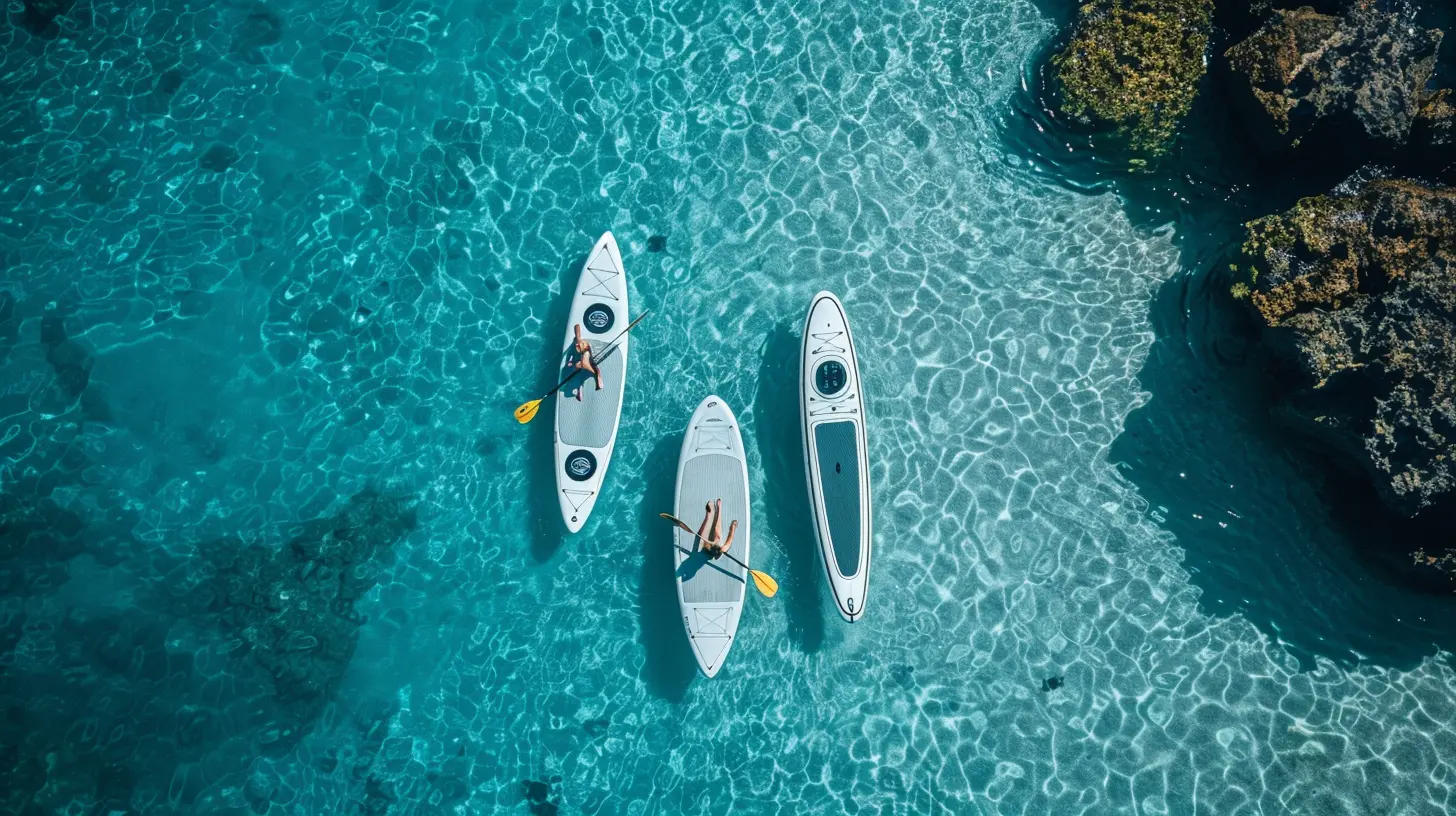
1. Understanding the Different Types of Paddleboards
Not all paddleboards are created equal. There are different styles designed for various water conditions and activities. Let's take a look at the main types:a) All-Around Paddleboards
If you’re a total newbie, an all-around paddleboard is your best bet. These boards are wide, stable, and versatile—perfect for cruising on calm lakes, rivers, or even small ocean waves.b) Touring Paddleboards
For those who plan on paddling long distances, touring paddleboards are a great option. They are longer and narrower than all-around boards, helping you glide smoothly through the water. However, they require better balance, so they aren't the best for complete beginners.c) Inflatable vs. Hard Paddleboards
- Inflatable Paddleboards (iSUPs) – Great for beginners due to their soft surface, easy storage, and portability. They’re ideal for casual paddling and travel.- Hard Paddleboards (Epoxy/Fiberglass) – These provide better speed and performance, but they are heavier and harder to transport.
For beginners, an inflatable paddleboard is usually the best choice since it's more forgiving and easy to store. 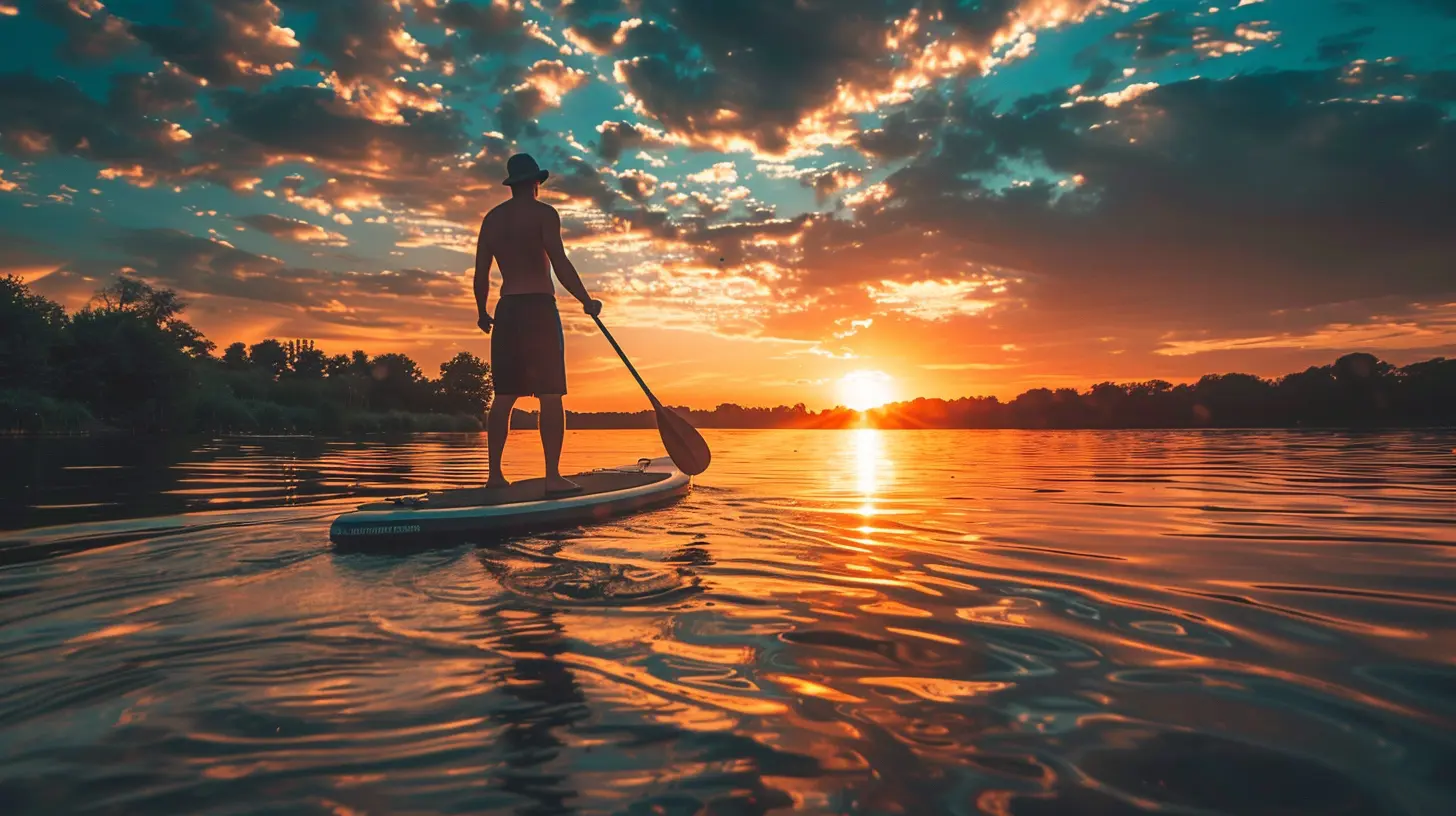
2. Choosing the Right Paddleboard Size
The size of your paddleboard determines stability and performance. Here’s what you should focus on:a) Length
- Short (Under 9’0") – Best for kids or surfing, not ideal for beginners.- Medium (9’0" – 12’0") – The sweet spot for beginners, offering great stability and control.
- Long (12’0" and above) – Designed for touring and racing, requiring more skill.
For your first board, aim for something between 10' and 11' in length.
b) Width
- Narrow (Under 30”) – Faster but less stable.- Medium (30” – 34”) – Best for beginners, offering a good balance of speed and stability.
- Wide (Over 34”) – Extra stable, great for yoga or heavier riders.
A good beginner board should be at least 32 inches wide to help you stay balanced.
c) Thickness
- 4” or less – Not ideal for adults; they tend to be too unstable.- 5” – 6” – The standard for most beginner-friendly inflatable SUPs, offering excellent buoyancy and support.
For inflatables, choose a 6-inch thick board for the best performance. 
3. Stability: The Key Factor for Beginners
Stability is everything when you're learning. It depends on:- Board Width – Wider boards are easier to balance on.
- Board Thickness – Thicker boards float better and stay more stable.
- Fin Setup – A tri-fin (3-fin) setup or a large single fin helps with tracking and stability.
The more stable your board, the less likely you’ll end up taking an unplanned swim! 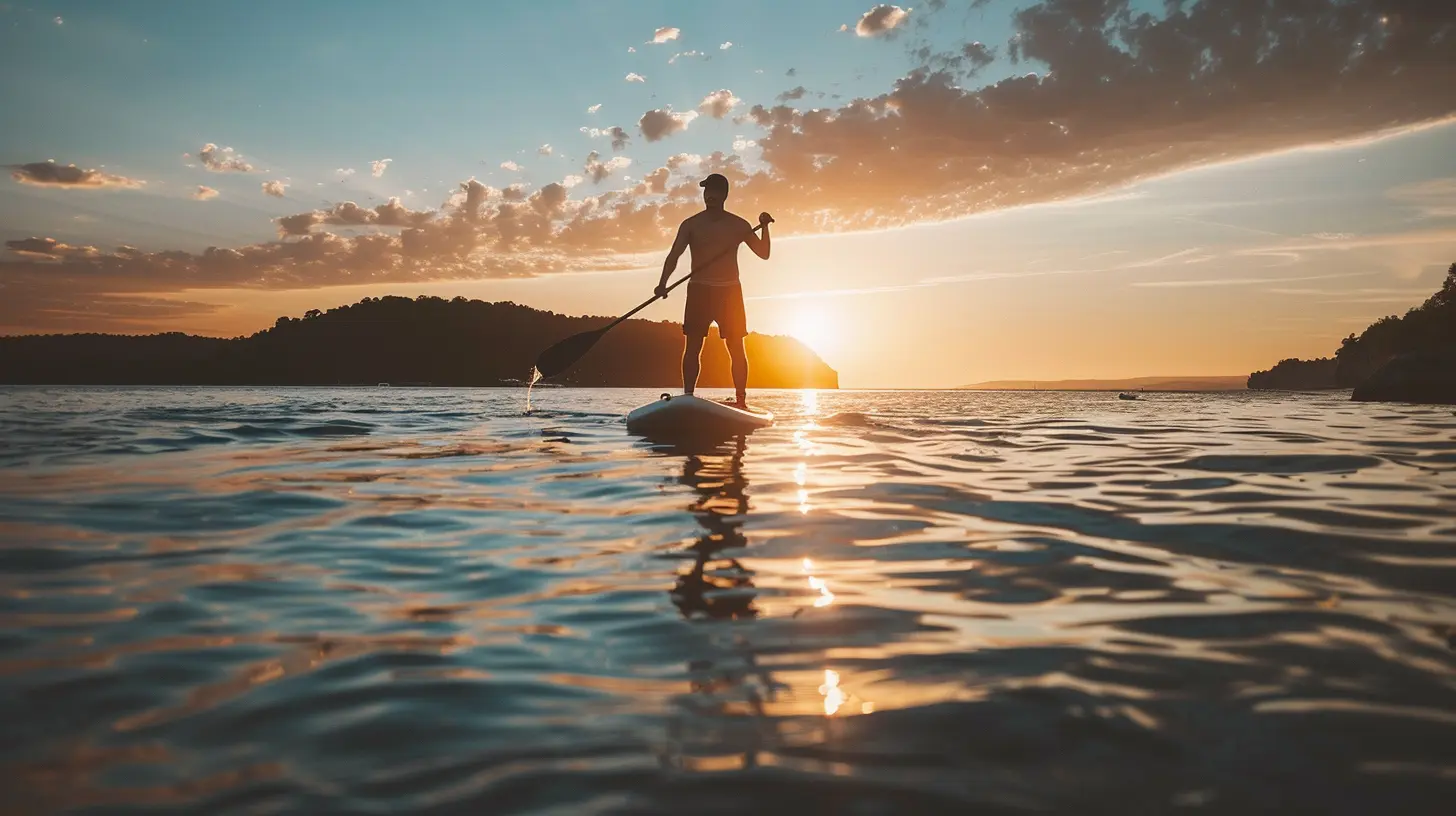
4. Weight Capacity: Choosing a Board That Supports You
Each paddleboard has a maximum weight limit. If you pick a board that can't support your weight, it'll sit too low in the water and feel unstable.- Weigh under 150 lbs? A board with a capacity of 200-250 lbs will be great.
- Weigh 150-200 lbs? Look for a board that supports at least 250-300 lbs.
- Weigh over 200 lbs? You'll need a board with a capacity of 300 lbs or more for stability.
If you're planning to bring a pet or extra gear, make sure to factor in that weight too!
5. The Best Material for Beginners
Paddleboards come in different materials, each with pros and cons:- Inflatable (PVC Construction) – Durable, lightweight, and great for beginners.
- Epoxy/Fiberglass – Rigid, faster, but heavier and more prone to dings.
- Plastic – Affordable but heavy and less durable.
For most beginners, an inflatable paddleboard made from high-quality PVC is the best choice because it's easy to store, transport, and handle.
6. Price: How Much Should You Spend?
Paddleboards range from budget-friendly to premium. Here's a rough price guide:- Budget ($200 - $500) – Basic inflatable SUPs, good for beginners.
- Mid-Range ($500 - $1,000) – Better materials, improved durability, and extra features.
- High-End ($1,000+) – Advanced boards with top-tier construction for serious paddlers.
For a beginner, expect to spend between $300 and $700 on a solid-quality board that lasts.
7. Extra Features to Look For
Some paddleboards come with extra features to enhance your experience:- Bungee Storage – Handy for holding dry bags, water bottles, or gear.
- Handle Placement – A good center carry handle makes it easier to transport.
- Traction Pad – Helps with grip, especially when wet.
- D-Rings – Allows you to attach a kayak seat or secure your board.
While these features won't make or break your beginner experience, they can definitely add some extra convenience.
8. Paddle and Accessories: Don’t Forget the Essentials!
Your paddleboard isn’t complete without a few key accessories:- Adjustable Paddle – Look for a lightweight aluminum or carbon fiber paddle that's adjustable to your height.
- Leash – A coiled leash keeps your board close if you fall into the water.
- Pump – If you’re going with an inflatable SUP, make sure it comes with a high-pressure pump.
- Life Jacket (PFD) – Safety first! A personal flotation device is a must-have.
Getting the right gear ensures a smooth and enjoyable experience on the water.
Final Thoughts: Your Perfect Beginner Paddleboard
Finding the perfect paddleboard isn't as daunting as it seems. Focus on stability, size, and material, and go for an all-around inflatable paddleboard if you're just starting out.Remember, your first board doesn’t have to be the fanciest—it just needs to be comfortable and easy to use. Once you get the hang of things, you can always upgrade to a more specialized board.
So, are you ready to hit the water? Grab the right board, stay safe, and enjoy your paddleboarding adventure!
all images in this post were generated using AI tools
Category:
Sports GearAuthor:

Ruben McCloud
Discussion
rate this article
2 comments
Kian Ross
Choosing the right paddleboard opens up a world of fun and adventure. Embrace the journey, stay curious, and trust your instincts. The water is waiting for you... Enjoy every moment!
July 1, 2026 at 11:22 AM
Cynthia McSweeney
Exciting journey awaits—enjoy paddling!
April 9, 2026 at 4:58 AM
Ruben McCloud
Thank you! Hope you find the perfect paddleboard to make your journey even more enjoyable!