How to Pick the Right Soccer Cleats for Your Play Style
12 January 2026
When it comes to playing soccer, your cleats can make all the difference. The right pair can enhance your speed, control, and comfort, while the wrong pair might leave you struggling to keep up. So, how do you pick the perfect soccer cleats for your play style?
Whether you're a speedy winger, a rock-solid defender, or a midfield maestro, this guide will break down everything you need to know to choose the best cleats for your game. 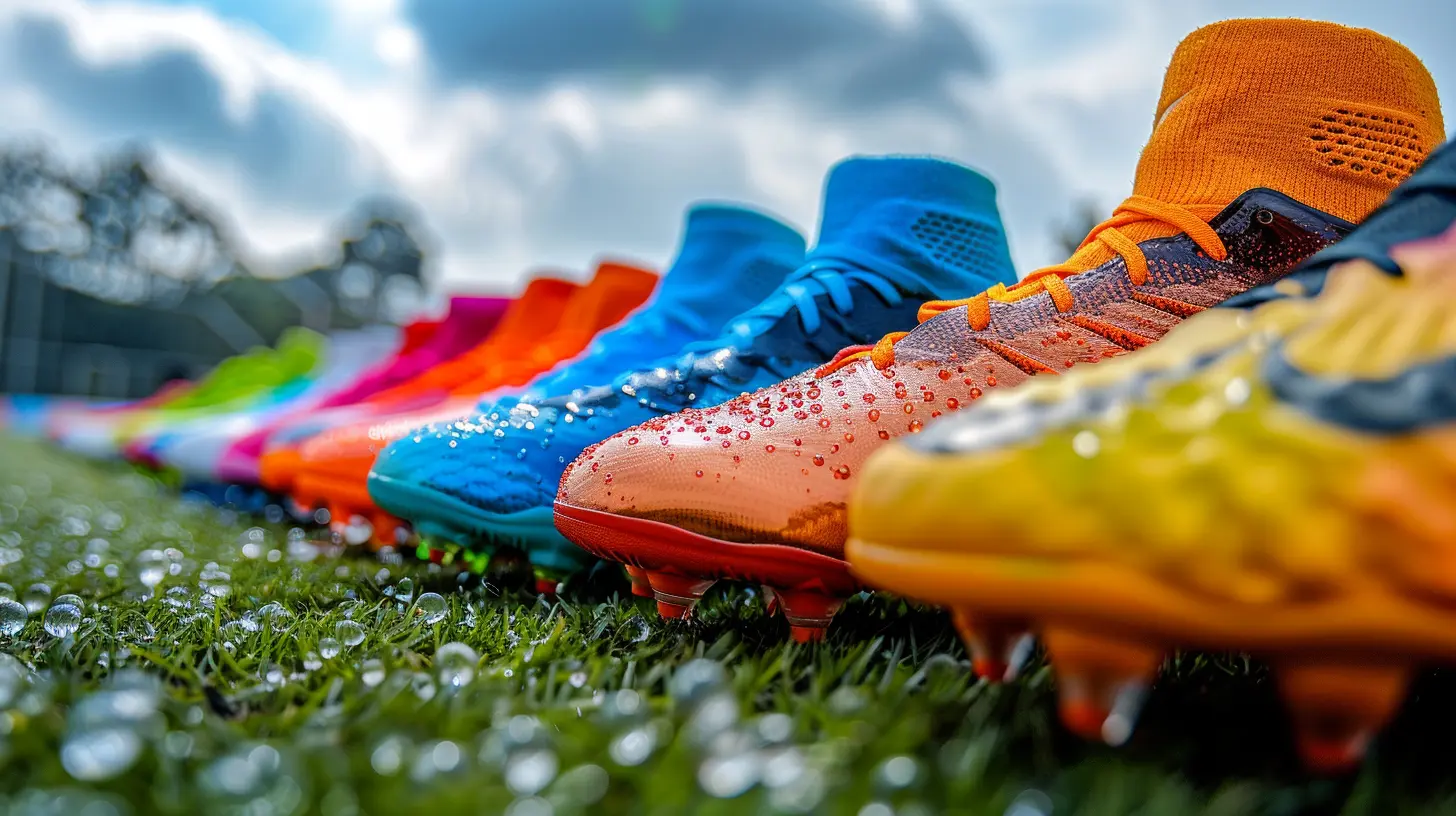
Why Picking the Right Soccer Cleats Matters
Think of soccer cleats like a race car’s tires. Would an F1 racer use off-road wheels? Probably not! Your cleats are your connection to the field, affecting traction, agility, and comfort. A well-fitted pair of cleats tailored to your playing style can improve your performance and help prevent injuries.So, before you grab the first flashy pair you see, let's break it down step by step. 
Understanding Your Play Style
Not all soccer players move the same way. Your position and personal playing style determine what cleats will work best for you. Let’s look at some common play styles:1. The Speedster (Wingers & Forwards)
Are you the type of player who thrives on pace, outrunning defenders and making quick cuts? If so, you need lightweight cleats designed for speed.What to Look for:
- Lightweight Materials: Cleats made from synthetic materials keep things light, reducing drag.- Low-Profile Design: A thin upper helps you get a clean strike on the ball.
- Bladed or Chevron Studs: These stud configurations help with explosive acceleration.
Recommended Cleats:
- Nike Mercurial Vapor- Adidas X Speedportal
- Puma Ultra
2. The Playmaker (Midfielders)
Midfielders are the engines of the team. They need cleats that provide excellent ball control and comfort for 90 minutes of action.What to Look for:
- Enhanced Touch: Cleats with grip elements or textured uppers improve ball control.- Balanced Comfort & Support: Midfielders cover a lot of ground, so comfort is key.
- Hybrid Soleplates: A mix of bladed and conical studs for stability and agility.
Recommended Cleats:
- Adidas Predator Accuracy- Nike Phantom GX
- Puma Future
3. The Defender (Center Backs & Fullbacks)
Defenders need toughness and stability. A good tackle starts with a solid base, so traction and durability are must-haves.What to Look for:
- Durable Upper: Leather or reinforced synthetic materials offer extra protection.- Firm Support: A wider fit or great lockdown helps reduce foot slippage.
- Conical Stud Configuration: Ensures better grip when jockeying or making tackles.
Recommended Cleats:
- Nike Tiempo Legend- Adidas Copa Pure
- Mizuno Morelia Neo
4. The All-Rounder (Box-to-Box Players)
Some players do it all—defend, attack, pass, and shoot. For these versatile players, balance is everything.What to Look for:
- Multi-Surface Traction: Optimal for various movements across the pitch.- Good Cushioning & Fit: Keeps feet comfortable even after 90 minutes.
- Textured Upper: For passing, dribbling, and shooting accuracy.
Recommended Cleats:
- Nike Phantom GX- Adidas Predator
- Puma King Ultimate

Choosing the Right Cleat Material
The material of your cleats plays a crucial role in performance. Here's a quick breakdown:1. Leather
- Pros: Soft, comfortable, molds to the foot, excellent ball control.- Cons: Heavier, absorbs water, requires more maintenance.
- Best For: Defenders and midfielders who prioritize comfort and durability.
2. Synthetic
- Pros: Lightweight, water-resistant, modern designs with grip-enhancing surfaces.- Cons: Less stretch, may feel stiff at first.
- Best For: Wingers and attackers who need speed.
3. Knit/Uppers with Grip Elements
- Pros: Snug, sock-like fit that enhances ball control.- Cons: Less durable than traditional materials.
- Best For: Playmakers and technical players who rely on precision.

Stud Configuration: What’s Right for Your Game?
The type of surface you play on determines what stud configuration you need:1. Firm Ground (FG)
- Best For: Natural grass fields.- Features: Conical and bladed studs provide grip without sticking too much.
2. Soft Ground (SG)
- Best For: Wet, muddy fields.- Features: Fewer but longer metal-tipped studs for better traction.
3. Artificial Ground (AG)
- Best For: Synthetic turf.- Features: Shorter, more numerous studs for better distribution and durability.
4. Indoor (IC) & Turf (TF)
- Best For: Indoor courts and hard artificial surfaces.- Features: Flat or rubber-studded soles for grip and comfort.
Finding the Perfect Fit
Even the most high-tech cleats won’t help if they don’t fit properly. Here are some must-know fit tips:1. Snug, But Not Too Tight
Cleats should fit like a glove—your toes shouldn't be cramped, but there should be minimal space to avoid sliding inside.2. Consider Sock-Like Designs
Many modern cleats come with a collar (like the Nike Dynamic Fit). These provide extra ankle support but aren’t for everyone.3. Try Before You Buy
If possible, test the cleats in-store or order from retailers with a good return/exchange policy.Common Mistakes to Avoid
Even experienced players make mistakes when buying cleats. Here are the biggest ones:❌ Buying Just for Looks – A cool design doesn’t mean quality performance. Focus on comfort and functionality.
❌ Ignoring Surface Type – Wearing FG cleats on turf can cause injury or wear out the studs too fast.
❌ Not Breaking Them In – Never wear brand-new cleats in a match without breaking them in first. Wear them around the house or during practice.
Final Thoughts
The right soccer cleats can turn a good player into a great one. Whether you're all about speed, control, or power, there's a perfect pair for you. Consider your play style, field type, material preference, and fit before making a choice.So, next time you're in the market for cleats, remember—it’s not just about the brand or looks. It's about performance, comfort, and getting the best tools for your game.
Now, lace up, hit the field, and make every step count!
all images in this post were generated using AI tools
Category:
Sports GearAuthor:

Ruben McCloud
Discussion
rate this article
2 comments
Buzz Wyatt
This article provides valuable insights on choosing soccer cleats tailored to individual play styles. It’s a great resource for both beginners and experienced players looking to enhance their game.
February 26, 2026 at 4:35 AM
Ruben McCloud
Thank you! I’m glad you found the insights helpful for all levels of play. Enjoy choosing your cleats!
Cara Bailey
Choosing the right soccer cleats is like finding your soulmate — it’s all about the perfect fit! Whether you’re a speedy sprinter or a strategic passer, remember: the only thing that should be slipping is your opponent! Now go forth and cleat your way to glory! ⚽️👟
January 16, 2026 at 5:50 AM
Ruben McCloud
Absolutely! Just like a soulmate, the right cleats enhance your game and boost confidence. Find that perfect fit, and you'll be unstoppable on the field! ⚽️👟