How Virtual Sports Are Impacting the Traditional Sports Industry
13 June 2026
The world of sports is evolving, and it’s happening faster than ever before. Traditional sports have been a cornerstone of entertainment for centuries, but virtual sports are making a big splash. Whether it’s eSports, simulated sports betting, or VR sports experiences, digital innovation is changing how we engage with sports.
But how exactly are virtual sports shaping the traditional sports industry? Let’s dive in. 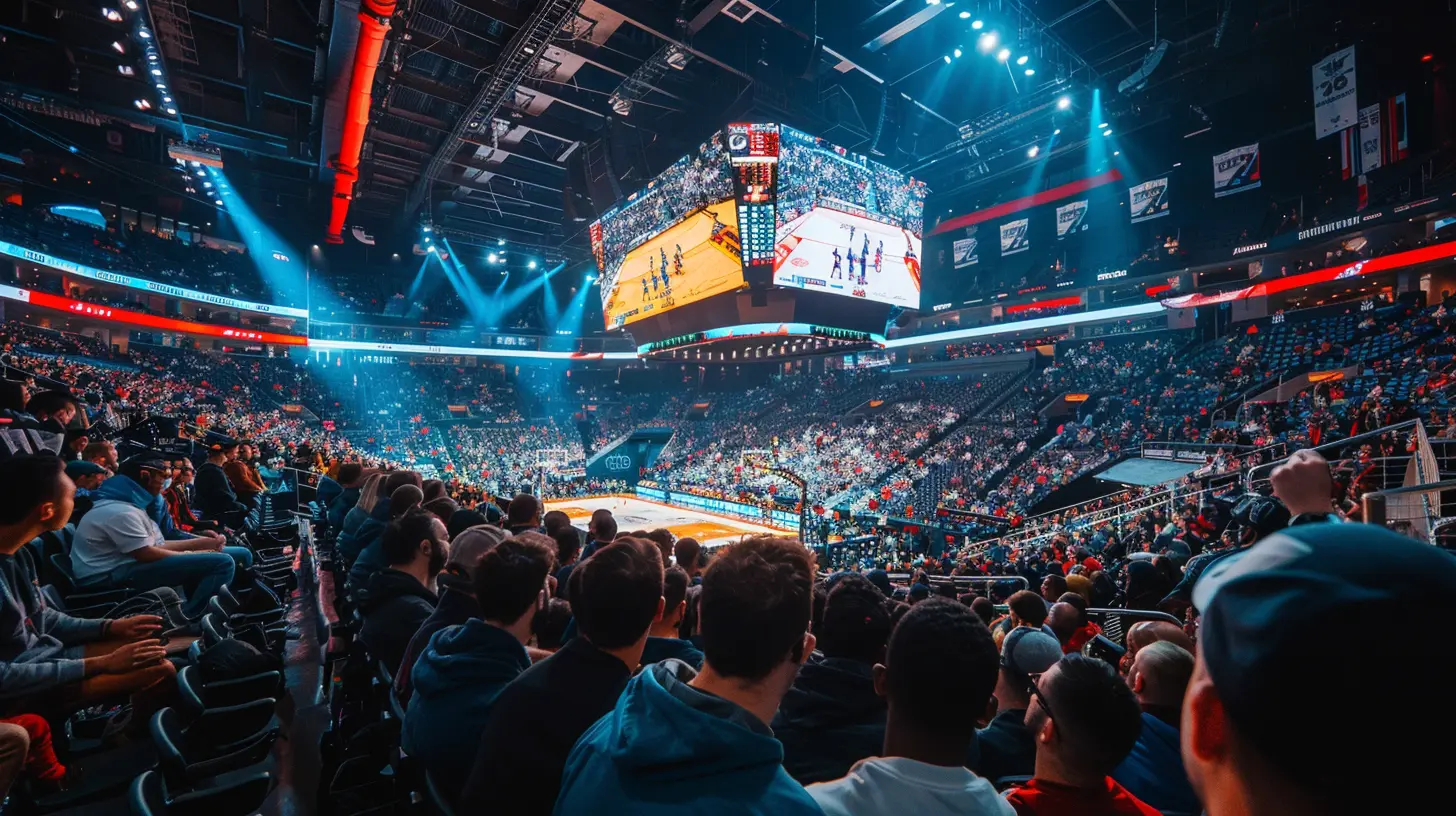
What Are Virtual Sports?
Virtual sports are digital simulations of real-world sports events. They use advanced graphics, AI-powered players, and ultra-realistic physics to create an experience that mimics actual gameplay. Some of the most popular forms of virtual sports include:- eSports – Competitive video gaming with professional teams and events.
- Virtual Betting Sports – Computer-generated sports simulations used for gambling.
- VR Sports – Fully immersive sports experiences using virtual reality.
Virtual sports aren't just a niche entertainment category anymore—they’re becoming a major competitor to traditional sports. 
How Virtual Sports Are Disrupting Traditional Sports
The rise of virtual sports is shaking things up, challenging the way people watch, play, and engage with traditional sports. Let’s break down the biggest ways this digital revolution is changing the game.1. Changing the Way Fans Engage with Sports
Think about how people consume sports today. A decade ago, fans would gather around a TV or head to the stadium. Now, people are just as likely to tune in to a Twitch stream to watch their favorite eSports player as they are to watch an actual football game.Virtual sports provide on-demand entertainment, free from weather delays, scheduling conflicts, or the risk of injury. You can watch, play, or bet on virtual matches 24/7. That kind of accessibility is something traditional sports can’t compete with.
2. Competition for Viewership and Sponsorship Deals
Big brands are always on the lookout for the next big sponsorship opportunity. In the past, traditional sports dominated this space. But with eSports drawing millions of viewers per event, advertisers are shifting their focus.For example, companies like Red Bull, Nike, and even major car brands have poured massive funds into eSports sponsorships. Traditional leagues are feeling the pressure, and some are even partnering with eSports organizations to stay relevant.
Viewership numbers tell the story:
- The League of Legends World Championship regularly pulls in over 100 million viewers—more than the Super Bowl!
- Games like FIFA and NBA 2K have their own simulated leagues that attract global audiences.
Traditional sports are still dominant, but the money and attention flowing into virtual sports are undeniable.
3. The Rise of Virtual Sports Gambling
Sports betting has always been a huge part of the industry, but virtual sports introduce a whole new world of possibilities. Unlike traditional sports betting, where gamblers rely on real-life events, virtual sports betting lets people place wagers on simulated games that happen instantly.This means:
- No waiting for an actual match to take place.
- 24/7 betting opportunities, since games can be simulated anytime.
- AI-driven outcomes that are still fair but completely unpredictable.
Bookmakers and online casinos have embraced virtual sports betting because it keeps users engaged without relying on real-world schedules. This has been a game-changer, especially during times when live sports were unavailable (like during the COVID-19 pandemic).
4. Athletes and Sports Organizations Are Embracing Virtual Sports
Traditional athletes and sports organizations aren’t ignoring this trend. Instead, they’re jumping on board.Big-name athletes, from LeBron James to Cristiano Ronaldo, have signed deals with eSports teams or launched their own gaming brands. Even traditional sports leagues have partnered with virtual sports platforms to expand their reach.
Some examples include:
- The NBA 2K League, an official eSports league backed by the NBA.
- Formula 1 eSports Series, where professional F1 teams compete with virtual racers.
- FIFA’s eWorld Cup, an official digital soccer tournament.
Instead of fighting against virtual sports, traditional sports organizations are integrating them into their strategy.
5. The Role of Technology in Blurring the Lines
The technological gap between virtual and real-life sports is shrinking fast. With advancements in VR (Virtual Reality), AR (Augmented Reality), and AI-powered simulations, the experience of watching and playing virtual sports is becoming more immersive.- VR headsets allow fans to feel like they’re inside the game.
- AI-driven sports simulations look nearly identical to real broadcasts.
- AR technology enhances stadium experiences and live games.
As technology continues to improve, we might reach a point where virtual sports feel just as real as traditional sports—if not more so. 
Are Virtual Sports a Threat to Traditional Sports?
With all these changes happening, it’s a fair question: Are virtual sports a threat to traditional sports?The short answer: Not exactly.
While virtual sports are growing rapidly, traditional sports still hold a unique place in culture and history. There’s something about a live game, a packed stadium, and the unpredictability of human competition that virtual sports can't fully replicate.
However, younger generations are increasingly drawn to digital entertainment. If traditional sports organizations don’t adapt, they could lose a significant portion of their audience. 
The Future: A Hybrid Sports Experience?
Instead of replacing traditional sports, virtual sports may serve as a complementary experience. We’re already seeing the two intertwine:- Fans can experience games in VR while also watching live.
- Major sports franchises are creating their own eSports teams.
- Betting companies are offering both real and virtual sports wagers.
Hybrid models might be the future of sports entertainment, combining the best of both worlds.
Final Thoughts
Virtual sports are no longer just a side attraction—they’re a major player in the sports industry. From changing the way people consume entertainment to challenging traditional sponsorship models, they’re leaving a massive footprint.But rather than completely overtaking traditional sports, virtual sports are helping shape a new era of interactive, technology-driven entertainment. One thing is clear: the sports industry will never be the same again.
all images in this post were generated using AI tools
Category:
Virtual SportsAuthor:

Ruben McCloud
Discussion
rate this article
1 comments
Thomas Hines
Virtual sports are shaking things up in the traditional sports world. They attract new fans and offer a unique experience that blends gaming and athletics. As technology evolves, traditional sports leagues need to adapt to keep up or risk losing relevance in this rapidly changing landscape.
June 24, 2026 at 3:24 AM