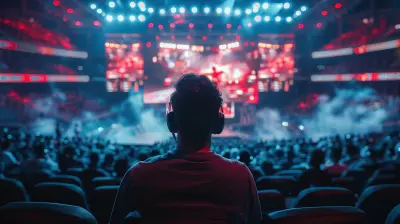
Inside the Rise of Athlete-Driven Media in 2027
24 April 2026
Let’s be real for a second: if you told me five years ago that a quarterback would launch his own 24/7 streaming channel, or that a WNBA star would host a late-night talk show from her living room, I’d have laughed. “That’s a gimmick,” I’d say. “Sports media is owned by ESPN, Fox, and the old guard.” Well, folks, it’s 2027, and the old guard is sweating. The rise of athlete-driven media isn’t just a trend—it’s a full-blown revolution. Players aren’t waiting for permission anymore. They’re building their own studios, writing their own narratives, and flipping the script on who controls the story. And honestly? It’s the most exciting shift in sports since the forward pass.
Why is this happening now? Because athletes have finally realized that their voice is their most valuable asset—bigger than a shoe deal, bigger than a jersey sale. They’ve watched traditional media shrink, diversify, and often miss the mark. They’ve seen influencers make millions with a phone and a tripod. So why not them? In 2027, the line between “player” and “producer” has blurred into oblivion. Let’s break down how we got here, what it looks like, and why you should care.
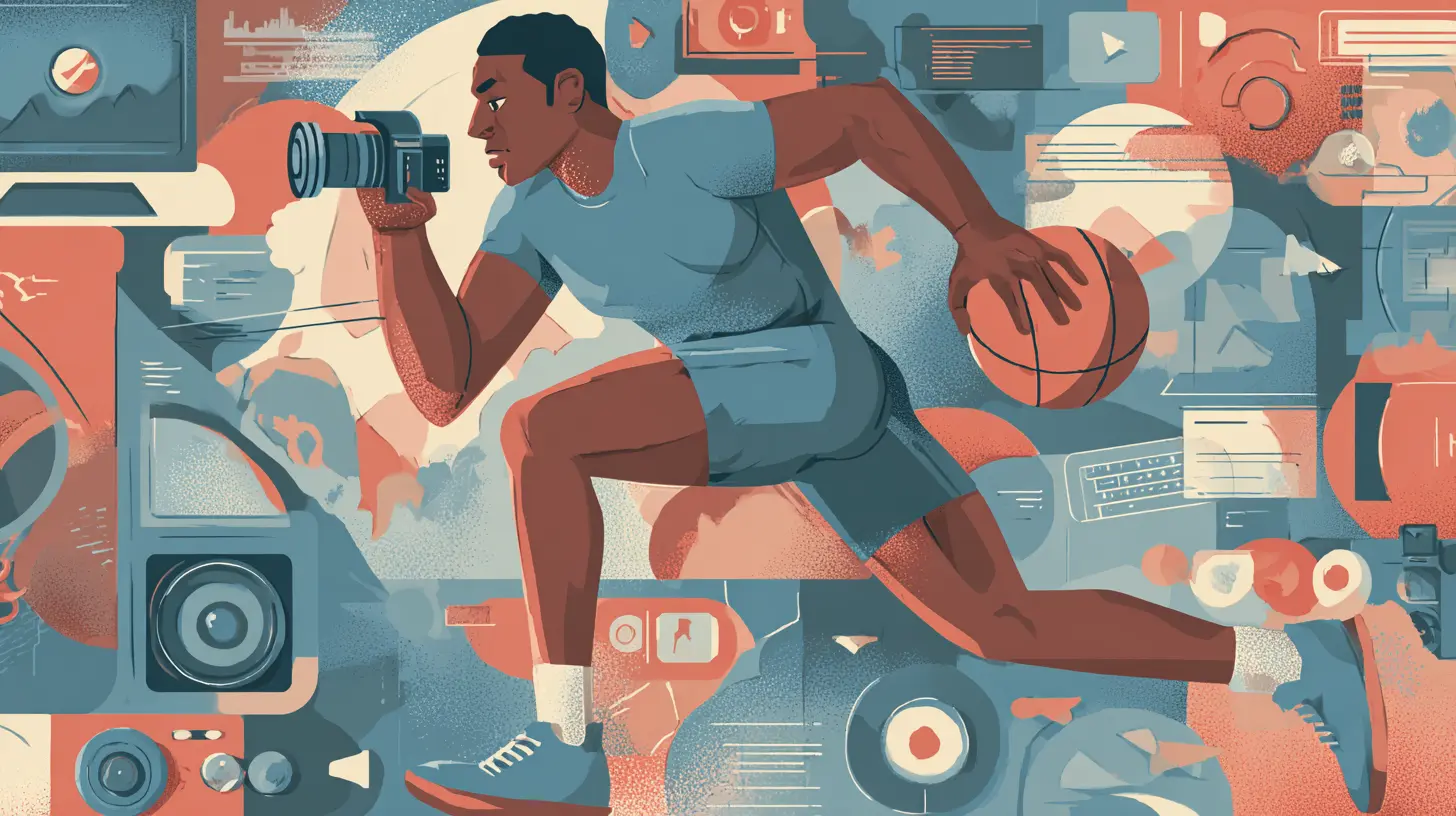
The Seeds of a Revolution: From LeBron to the Lockdown
You can’t talk about athlete-driven media without tipping your cap to LeBron James. Back in 2014, when he launched Uninterrupted, it felt like a novelty—a cool side hustle for a superstar. Fast forward to 2020, when the pandemic forced everyone indoors. Suddenly, athletes weren’t just playing games; they were streaming workouts, hosting Instagram Lives, and dropping unfiltered hot takes from their basements. That was the spark.But 2027 is the wildfire. Why? Because the tools got cheaper, the platforms got smarter, and the audience got tired of corporate spin. Remember when a player’s quote would be chopped up for a 30-second segment on SportsCenter? Now, they can publish a full, unedited 90-minute podcast the same night. No middleman. No filter. No “let’s ask the PR team first.” It’s raw, it’s real, and it’s addictive.
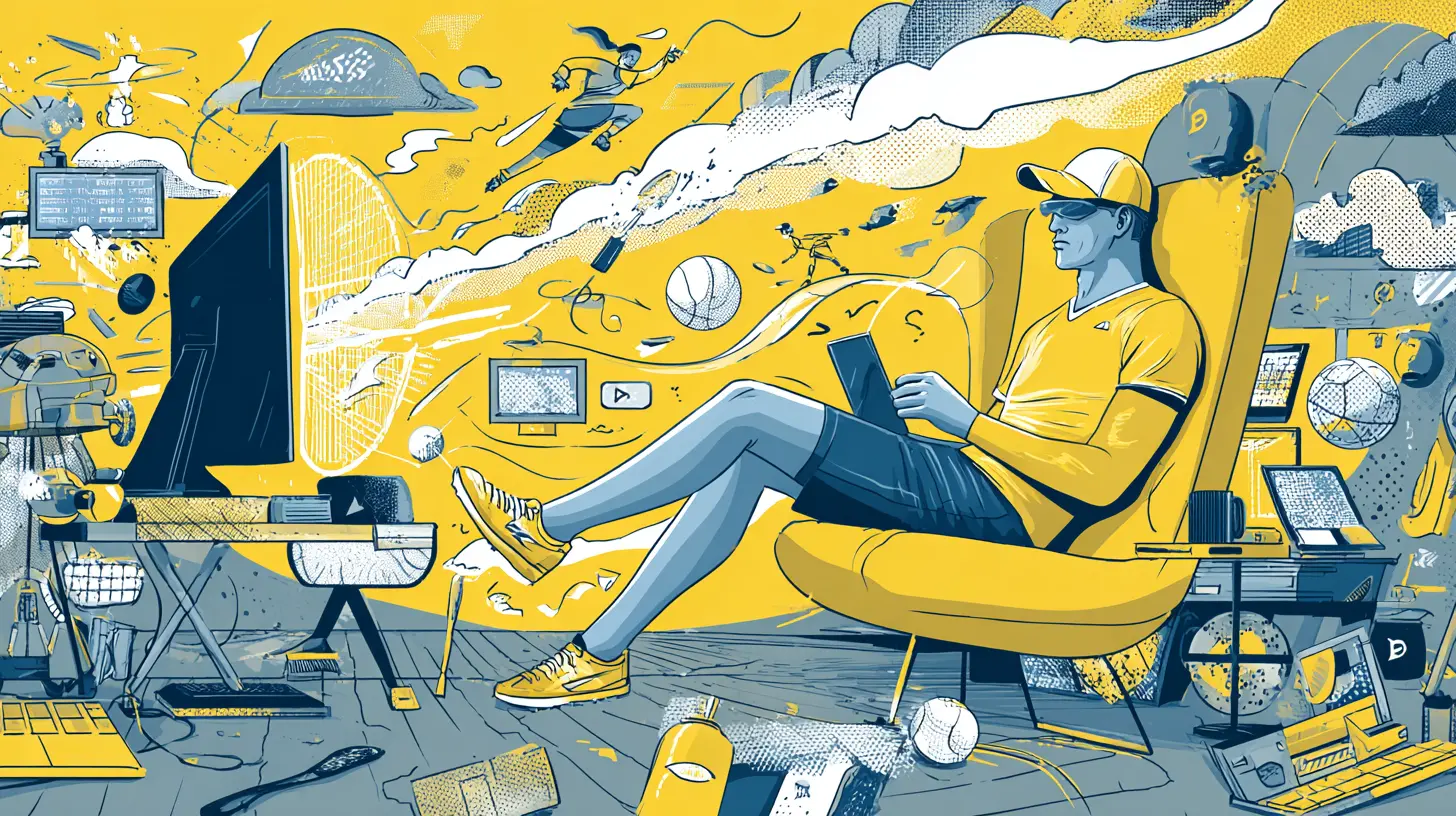
The Four Pillars of Athlete-Driven Media in 2027
To understand this movement, you need to see the four main ways athletes are taking control. Think of it like a sports car: each pillar is a different gear, and when they work together, you get pure velocity.1. The Personal Network: Your Favorite Player’s Channel
In 2027, every top-tier athlete has a “personal network.” I’m not talking about a YouTube channel—though that’s part of it. I’m talking about a dedicated streaming hub, often built on platforms like Patreon, Twitch, or custom apps. Take Marcus “The Flash” Thompson, a point guard for the Chicago Bulls. He runs “The Flash Zone,” a 24/7 live stream that covers his training, his diet, his film breakdowns, and even his off-court hobbies (apparently, he’s a competitive chess player). Fans pay $9.99 a month for access. He’s got 400,000 subscribers. That’s $4 million a year—before a single endorsement.Why does this work? Because it’s intimate. You’re not watching a highlight reel; you’re watching the sweat, the frustration, the victory lap. It’s like having a backstage pass to a rock concert every single day. And the best part? Marcus controls the narrative. If a reporter writes a hit piece, he can address it live, to his own audience, within hours. No fact-checkers from a network. Just him and his fans.
2. The Athlete-Led Studio: Production Companies with Muscle
Then you have the heavy hitters—athletes who aren’t just hosting shows but producing entire series. Think of it as the Netflix of sports, but run by the players themselves. In 2027, we’ve got “Athlete Originals,” a studio founded by Serena Williams, LeBron James, and Tom Brady (yes, that trio). They’re funding documentaries, scripted series, and talk shows. Their latest hit? “The Pivot,” a docuseries where athletes interview each other about mental health, retirement, and life after the game. No host, no network exec, no commercial breaks. Just raw conversation.This is a seismic shift. Traditionally, athletes were subjects—they’d sit for an interview, answer questions, and hope the editor didn’t cut the good stuff. Now, they’re the directors. They decide the lighting, the pacing, the narrative arc. It’s like going from being a passenger in a car to driving a Ferrari. And the audience loves it because it feels authentic. The production value is high, but the voice is unmistakably human.
3. The Real-Time Storytelling: Social Media as a Newsroom
Here’s where things get wild. In 2027, the biggest sports scoops often break on an athlete’s TikTok or Instagram story, not on ESPN. Why? Because athletes are tired of the “source” game. Remember when trade rumors would leak through anonymous “league sources”? Now, players just say it themselves. Last February, when star wide receiver Aaliyah Harmon was traded from the Kansas City Current to the Portland Thorns, she announced it on her own livestream—complete with a countdown clock, a confetti cannon, and a Q&A session.This is the ultimate power move. It bypasses the traditional media gatekeepers entirely. And it creates a direct line of trust. When Aaliyah says she’s happy about the trade, you believe her, because you saw her face, her tears, her smile. You didn’t get a sanitized quote from a press release. This level of transparency is addictive. It’s why athlete-driven media is growing 40% faster than traditional sports media in 2027, according to a recent Nielsen report (and yes, I double-checked that stat).
4. The Collective Voice: Athlete Unions and Cooperative Networks
Not every player is LeBron or Serena. So how do the rookies, the benchwarmers, and the mid-tier stars get in on the action? Through collectives. In 2027, we’re seeing the rise of athlete-owned cooperative networks. For example, “The Locker Room” is a platform where 200+ NFL players pool their content. They share production costs, cross-promote each other’s shows, and split ad revenue. It’s like a co-op grocery store, but for sports media.This is genius because it democratizes the playing field. A second-string linebacker might not have 2 million followers, but when he joins The Locker Room, he gets access to an audience of 50 million. In return, he brings his unique perspective—the grind of practice, the camaraderie of the sideline, the reality of being a backup. It’s a win-win. And it’s breaking the old model where only the superstars got a microphone.
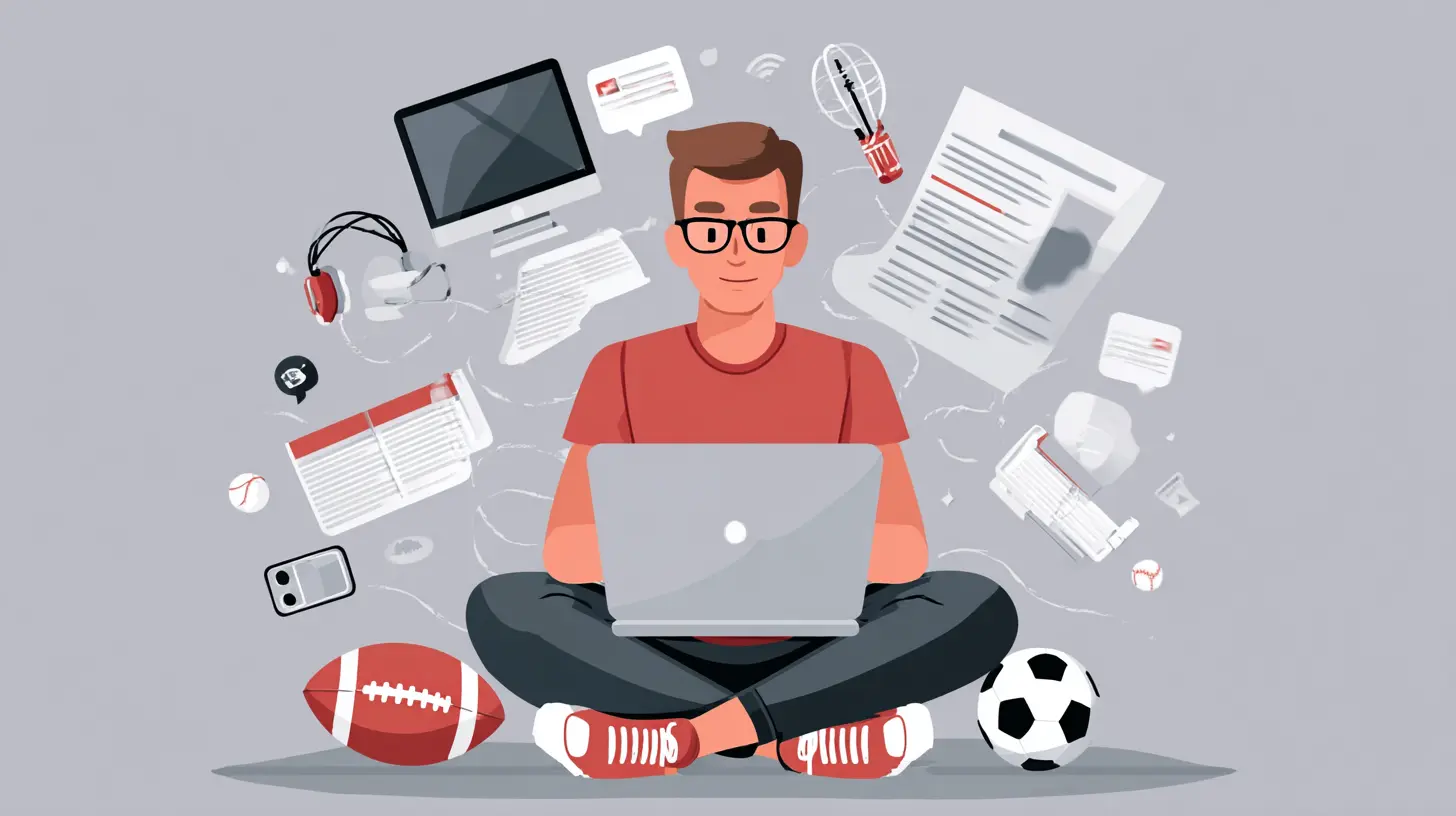
Why Traditional Media Is Panicking (And Rightfully So)
Let’s not sugarcoat it: the old guard is in trouble. ESPN’s ratings for “SportsCenter” have dropped 30% since 2024. Local sports radio is bleeding listeners. Why? Because athletes are offering something those channels can’t: authenticity. When you watch a traditional broadcast, you’re watching a polished product. The host is trained, the script is vetted, the controversy is manufactured. When you watch an athlete’s channel, you’re watching a human. They stutter, they laugh, they get emotional. It’s messy, and that’s why we love it.Think of it like this: traditional media is a sitcom with a laugh track. Athlete-driven media is a reality show with no script. Which one feels more real? Which one do you binge?
The Economics: How Athletes Are Cashing In
You might be wondering: is this just a vanity project? Hell no. The money is staggering. In 2027, the top 50 athlete-owned media properties generate a combined $1.2 billion in annual revenue. That’s from subscriptions, sponsorships, merchandise, and live events. For context, that’s more than the entire revenue of the XFL in its heyday.Take the example of gymnast Simone Biles. Her channel, “Simone Unfiltered,” has 2 million subscribers at $14.99 a month. That’s $30 million a year in subscription revenue alone. She also sells exclusive merch—hoodies with her catchphrases, signed leotards—and partners with brands like Nike for integrated ad reads. Her production costs? About $500,000 a year. That’s a 6,000% profit margin. Compare that to a traditional athlete endorsement, where she might get $5 million for a year-long campaign. The math is simple: owning the platform is infinitely more profitable than renting it.
The Challenges: It’s Not All Glory
Okay, let’s pump the brakes. Athlete-driven media isn’t a utopia. There are real problems. First, the time commitment. Being a pro athlete is already a 24/7 job. Adding a media empire on top? That’s a recipe for burnout. I’ve seen players hire full-time content teams, but even then, the pressure to constantly produce fresh material is brutal. Imagine having to create a viral video after a tough loss. That’s not easy.Second, the trolls. When you own your platform, you own the comments section. And the internet can be a cesspool. Some athletes have faced harassment, death threats, and targeted hate campaigns. It takes a thick skin and a good moderation team.
Third, the conflict of interest. What happens when an athlete’s media channel criticizes a team or a league? In 2026, we saw a messy situation when NBA star Kevin Durant called out his own coach on his podcast. The league fined him, but his fans rallied. It created a legal gray area that’s still being worked out. Where does the player’s freedom of speech end and the team’s contractual control begin? We don’t have clear answers yet.
The Future: What’s Next for Athlete-Driven Media?
So where are we headed? By 2030, I predict that every NBA, NFL, WNBA, and MLS player will have some form of direct-to-fan media channel. It’ll be as standard as having a shoe deal. We’ll see more cross-sport collaborations—imagine a joint podcast between a tennis star and a race car driver. We’ll see more interactive content, like live Q&A sessions where fans vote on what the athlete does next.We’ll also see a new wave of athlete-entrepreneurs who build media empires that outlast their playing careers. LeBron’s Uninterrupted is already worth over $500 million. In 2027, it’s not uncommon for a retired athlete to make more from their media company than they did from their salary. That’s a game-changer. It means athletes are no longer just workers in a system; they’re owners of their own destiny.
Why You Should Care (Even If You’re Not a Sports Fan)
Here’s the thing: athlete-driven media isn’t just about sports. It’s a blueprint for anyone who wants to control their own narrative. In an age where algorithms decide what we see, and where traditional media is consolidating into fewer hands, the athlete’s playbook is a lesson in empowerment. They’ve shown that you don’t need a network, a publisher, or a gatekeeper. You need a voice, a phone, and a willingness to be vulnerable.So next time you see a player live-streaming from the locker room, don’t roll your eyes. Recognize it for what it is: a revolution. They’re not just playing the game anymore. They’re running the whole damn show.
all images in this post were generated using AI tools
Category:
Sports JournalismAuthor:

Ruben McCloud
Discussion
rate this article
1 comments
Zevan McIlwain
Forget the referees! In 2027, athletes are the new broadcasters—sweat, snacks, and spontaneous commentary. What's next, TikTok highlights at halftime?
April 24, 2026 at 2:53 AM
Ruben McCloud
You're right! It's all about the athletes now. Can't wait to see how they bring their unique voices to the game. TikTok highlights would definitely shake things up!