Rising Stars: What Drives the New Generation of Athletes
28 October 2026
Every era gets the athletes it deserves, and every era gets the athletes its culture produces. The current wave of young competitors is not a mystery to be admired from a distance. It is a predictable output of specific forces: money that arrives earlier, information that never sleeps, parents who played the game differently, and a sports economy that rewards visibility as much as victory. If you want to understand why a 19-year-old handles a press conference like a veteran or why a teenage sprinter talks about brand equity before her first senior medal, you have to look past talent. Talent is the entry ticket. The drivers are what this article is about.
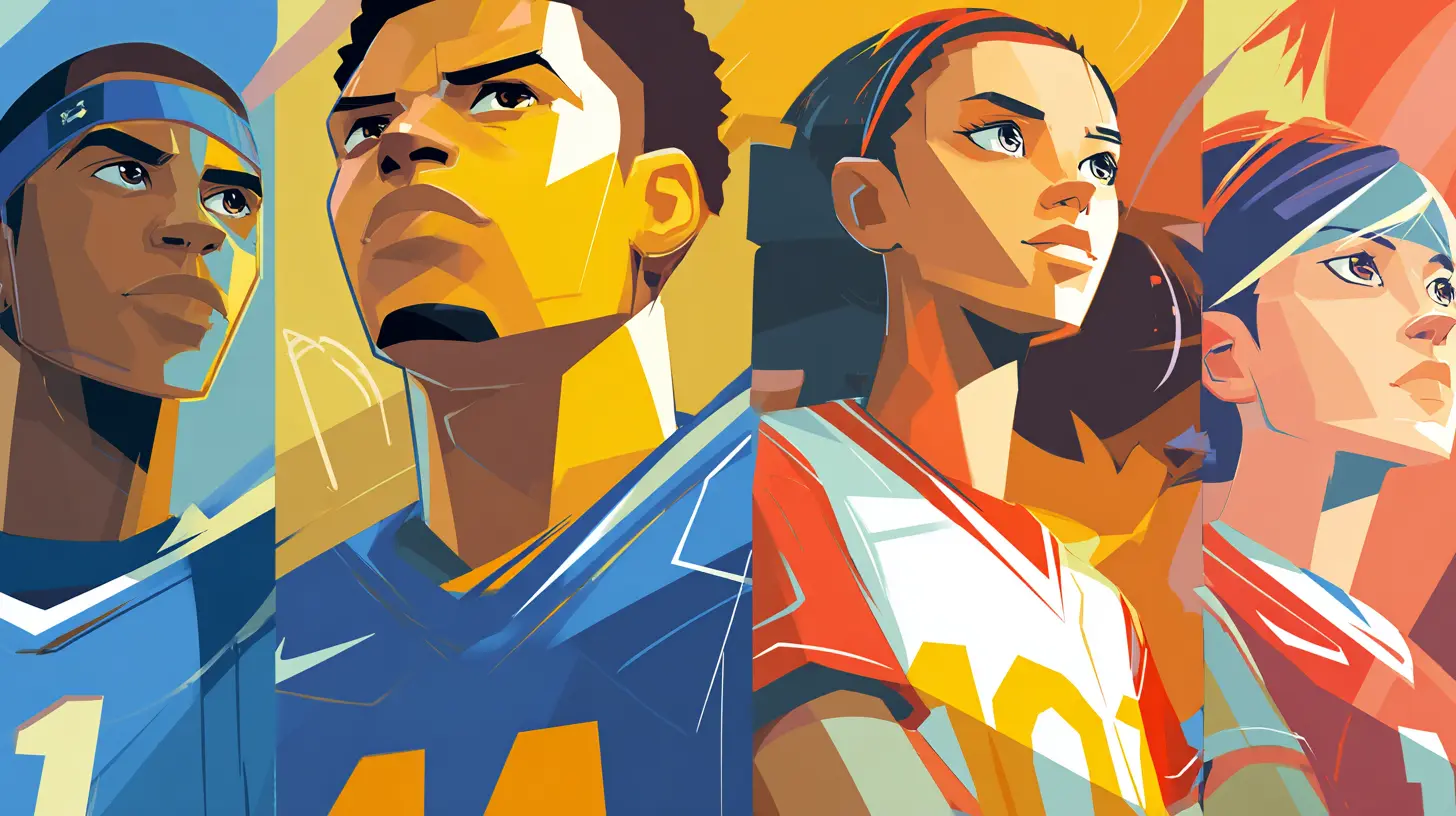
The New Baseline: What Actually Changed
Start with the obvious but underrated shift: the timeline collapsed. A generation ago, a young athlete's development was mostly invisible. You trained, you competed locally, you maybe got a scholarship or a club contract, and the public met you when you were ready. Today the public meets you at 14, in a highlight clip, with a comment section.That single change reshapes everything downstream. Athletes now grow up with feedback loops that older generations never had. They see their own performances dissected in real time. They see what works for peers in other countries. They see the commercial value of personality. None of this guarantees greatness, but it compresses the distance between raw potential and professional behavior. A young athlete who watches elite recovery routines, nutrition breakdowns, and contract negotiations on a phone screen is effectively apprenticing in public.
The second shift is structural. Youth sports has become a serious industry with serious money attached. Travel teams, private coaching, specialized academies, and early sponsorship all exist because somebody decided the return justified the investment. That environment produces athletes who are professionalized earlier, for better and for worse.

The Money Question: Early Wealth, Early Pressure
Why early money changes behavior
When a teenager signs a name, image, and likeness deal or an early professional contract, the psychology of the sport changes. The athlete is no longer only competing for a coach's approval. They are managing an asset: themselves. This can sharpen discipline. It can also distort priorities.The upside is real. Financial security removes the desperation that used to push talented kids out of sport entirely. An athlete who is not worried about affording travel to a national championship can focus on training. A family that is not choosing between equipment and rent can plan long term.
The downside is equally real. Money that arrives before identity solidifies can make a young athlete risk-averse in the wrong ways and reckless in others. Risk-averse because losing a sponsorship feels catastrophic, so they avoid developmental challenges that involve public failure. Reckless because sudden income invites sudden lifestyle inflation, entourages, and bad advice.
The practical takeaway
For athletes and families, the rule is boring and effective: separate the money from the mission. Put contracts in front of people who negotiate for a living. Keep a financial buffer that covers two years of training costs before anything else. And decide in advance which competitions you will enter for development even if they pay nothing. The athletes who last are the ones who treat early income as fuel, not as a scoreboard.
Information Advantage: The Democratization of Coaching
A young athlete today can access, for free, what used to be locked inside elite programs: technique breakdowns, strength programming principles, recovery protocols, and tactical analysis. This is a genuine driver of rising performance levels.But information is not coaching. The difference matters. Information tells you what to do. Coaching tells you what you specifically should do, when, and why. The new generation's advantage is not that they know more. It is that they can ask better questions when they finally get in front of a real expert.
Here is where young athletes commonly go wrong. They consume content from athletes in different sports, different body types, and different competitive calendars, then apply it indiscriminately. A sprint program copied from a professional is not a sprint program for a 16-year-old with a growth spurt pending. The best young athletes treat online information as a hypothesis generator, not a prescription. They bring ideas to their coach and test them.
How to use the information edge well
- Filter by relevance: same sport, similar age, similar training age.- Verify with a coach before changing load, volume, or technique.
- Keep a simple training log so you can tell whether a change actually worked.
- Ignore anything that promises a shortcut. Recovery, sleep, and consistency still do the heavy lifting.
The Visibility Economy: Playing for the Camera and the Clock
Social media is not a side activity for this generation. It is part of the job. A young athlete's online presence can generate sponsorship interest, attract coaching opportunities, and build a fan base before professional results arrive.This cuts both ways. Visibility rewards personality, consistency, and storytelling. It also rewards controversy, which is a trap. The athletes who build durable careers use visibility to document the process, not to manufacture drama. They show the training, the setbacks, the routine. That content is more valuable long term because it survives losing streaks.
There is a trade-off worth naming. Time spent creating content is time not spent recovering. A young athlete posting daily is often sleeping less. The best practice is to batch content creation, keep it simple, and protect sleep like it is a sponsor obligation, because functionally it is.
Coaching Has Changed, and So Have the Athletes
Modern young athletes ask why. That is not disrespect. It is a different default setting. They have grown up with explanations available on demand, and they respond to coaches who can justify a session's purpose.Coaches who adapt get more buy-in. Coaches who rely purely on authority get compliance, which looks similar but fails under pressure. The practical middle ground: explain the intent of a session in one sentence, then let the athlete execute. Over-explaining turns training into a seminar. Under-explaining turns it into a mystery. One sentence is usually enough.
The Parent Factor: Support Without Steering
Parents remain the single most influential variable in a young athlete's trajectory, and the modern version of that influence is complicated by money, information, and visibility.The parents who help most do three things. They fund and transport without demanding a return. They hire experts and then let the experts work. They keep the athlete's identity wider than the sport, so a bad season does not become an identity crisis.
The parents who hurt most do the opposite: they coach from the sidelines, negotiate with coaches on the athlete's behalf, and treat rankings as a family report card. The tell is simple. If a young athlete is more afraid of the car ride home than the competition, the environment is broken.
Development Versus Winning: The Trade-Off Nobody Escapes
Every young athlete faces the same fork: chase results now or build capacity for later. The choice is rarely clean.Chasing results early has real benefits. Winning teaches competitors how to close, how to handle pressure, and how to believe. It also attracts resources. A junior title can open doors.
Building capacity has different benefits. It means training weaknesses, experimenting with technique, and accepting losses that do not matter in five years. It protects long-term ceiling.
The mistake is treating this as a permanent identity. Smart programs alternate. They pick windows where results matter and windows where development matters, and they say so out loud. A swimmer might spend the early season rebuilding a turn and the championship season racing to win. That is not inconsistency. That is periodization applied to ambition.
Common Misconceptions About Rising Stars
"Early success predicts later success." Sometimes. But junior dominance often reflects early physical maturation. Athletes who mature later frequently catch up and surpass. The athletes who survive are the ones who keep developing after their physical edge disappears."Specialization is the price of excellence." Early specialization works in some sports, particularly technical ones where skill acquisition windows are real. In many others, multi-sport participation builds athleticism and reduces overuse risk. The honest answer is sport-specific, and anyone claiming one universal rule is selling something.
"Confidence is a personality trait." It is closer to a byproduct. Confidence comes from evidence: completed sessions, handled pressure, recovered setbacks. Young athletes who seem effortlessly confident usually built it through repetition, not genetics.
"More training equals more progress." Only up to a point. Beyond that point, additional load produces fatigue faster than adaptation. Recovery is not the absence of training. It is part of it.
What the Best Young Athletes Do Differently
They sleep. This sounds trivial until you compare it to how many teenagers actually do. Sleep is the cheapest performance enhancer available, and the new generation's best competitors treat it as non-negotiable.They keep a small circle. One coach, one trusted advisor, one person who handles money, and a short list of people allowed to give technical input. Too many voices is a real problem, and it gets worse as visibility grows.
They compete often enough to stay uncomfortable. Practice confidence and competition confidence are different currencies. Young athletes who only compete when they are ready never learn to perform while unready, which is most of professional sport.
They study the sport, not just their position. Understanding how the whole game or event works produces better decisions under pressure than isolated skill work alone.
They protect their identity. The athletes who handle early fame best have interests outside sport and relationships that predate it. That is not a soft concern. It is a durability strategy.
Practical Guidance for the People Around Rising Stars
For athletes
Pick one technical weakness per training block and attack it deliberately. Log your sleep and your sessions, because memory lies. Say no to opportunities that conflict with recovery, even good opportunities. And learn to lose in public without explaining it away. The ability to absorb a bad result and return to work is the most transferable skill in sport.For coaches
Explain intent in one sentence. Give young athletes ownership of small decisions so they build judgment before the stakes rise. Protect them from overload, including the overload of attention. And be honest about ceilings. Athletes respect coaches who tell them the truth about where they stand.For parents
Hire experts, then get out of the way. Keep the car ride home boring. Watch for the warning signs of burnout: sleep problems, loss of appetite, dread before practice, and a sudden drop in enjoyment. Those signs matter more than any ranking.The Bottom Line
The new generation of athletes is not softer or tougher than the last one. They are differently shaped by their environment. Early money, constant information, permanent visibility, and professionalized youth sport produce competitors who are savvier and more exposed at the same time.The athletes who rise furthest will not be the ones with the most followers or the biggest junior trophy case. They will be the ones who convert their advantages into sustainable habits: sleep, a small trusted circle, deliberate development, and the willingness to be uncomfortable in competition. The drivers are external. The discipline is still personal. That part has not changed, and it probably never will.
all images in this post were generated using AI tools
Category:
Athlete InterviewsAuthor:

Ruben McCloud

