Stories of Hope from Charity Sports Competitions
19 October 2026
We’ve all seen the headlines: people running marathons, biking across countries, or playing sports for hours—all for a cause. These kinds of events are more than just athletic feats. They’re moving, heartfelt, and often downright inspirational. So, let’s dive into the world of charity sports competitions and discover the real heroes behind the jerseys. These stories of grit, compassion, and hope might just restore your faith in humanity.

Why Charity Sports Competitions Matter
Sports have always brought people together. From local soccer matches to global tournaments, there’s something magical about the shared energy of both players and fans. Now, when you toss in a charitable cause? Well, that magic goes a step further.Charity sports competitions aren’t just about winning games—they’re about winning hearts.
They serve as platforms for fundraising, raising awareness, and most importantly, sparking hope where it's most needed. But what’s even more powerful are the stories that rise from these events.
So, grab a coffee (or a protein shake, if you're really in the sporty mood), and let’s get into some stories that prove how sports can uplift lives.
1. Running for a Brother: The London Marathon Miracle
Let’s start with one that’ll warm your heart right up.In 2018, Sam, a 34-year-old teacher from Manchester, ran the London Marathon for an incredible reason—his younger brother, Jake, was living with a rare neurodegenerative disease. As Jake’s condition worsened, Sam felt helpless. But instead of just sitting by, he laced up his shoes.
Sam didn’t just run; he ran with purpose. Over months of training and fundraising, he managed to raise over £50,000 for the foundation that supported research into his brother’s condition.
Even more touching? Jake was there at the finish line, cheering, crying, and telling every stranger around him, “That’s my big brother.”
It wasn’t just a run—it was a symbol of hope for families battling unseen battles every day.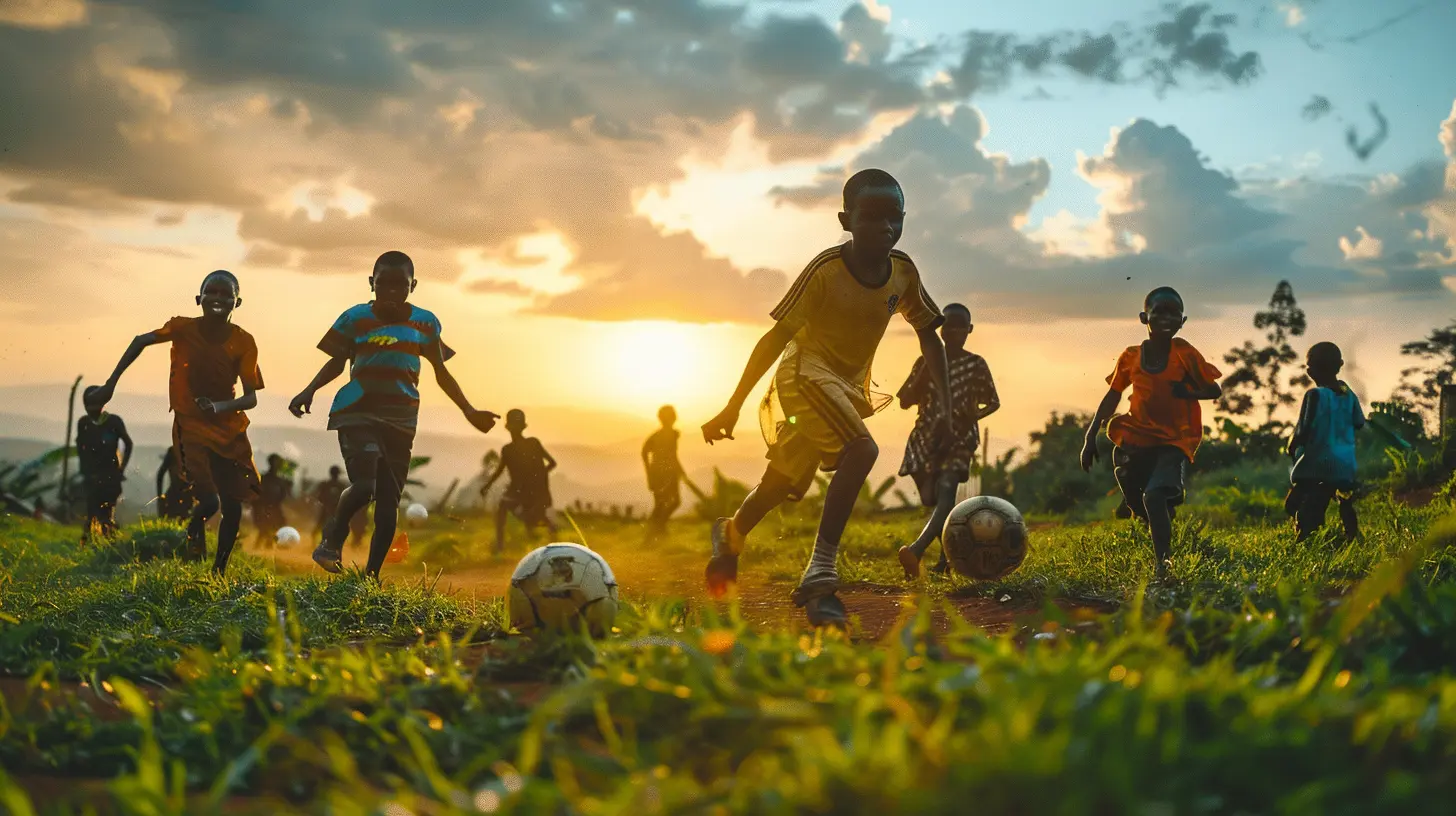
2. The Underdog Team That Played for Clean Water
Picture this: a scrappy group of high school kids from rural Kenya teamed up to play in an international youth football (soccer) event. They weren’t just there to score goals—they were there to fund the digging of a well in their drought-prone village.They didn’t have fancy gear or professional coaching, but they had heart. They ended up winning not just a few games, but a massive sponsorship deal that helped bring clean water to over 3,000 people in their region.
Now, how’s that for a goal?
3. Wheels of Change: The Cyclist Who Rode Across America
Have you ever biked for a good cause? Now imagine doing it across 3,000 miles of American landscape.Meet Emily, a 29-year-old nurse who decided to honor her father, a veteran battling PTSD, by raising awareness and funds for mental health services for military families. She trained for nearly a year, assembling sponsors, organizing stops, and sharing her journey online.
Her ride stretched from the Pacific Coast of California all the way to the Atlantic in Virginia. Along the way, she met fellow veterans, PTSD survivors, and families who hugged her like she was one of their own.
By the end of the ride, she’d raised $175,000. But to Emily, the real win was "being able to look strangers in the eye and say: You are not alone."
Now THAT is what riding for a cause looks like.
4. Touchdowns for Tolerance: The Inclusive Flag Football League
In downtown Chicago, there’s an annual charity flag football league that goes beyond the game. It’s inclusive, meaning people of all genders, abilities, and backgrounds team up to raise money for LGBTQ+ youth shelters.What started as a small event with a few dozen players has evolved into a city-wide celebration of diversity, acceptance, and unity. And here’s the kicker (pun intended): they’ve raised over $1 million in the past five years.
Players have found more than just camaraderie—they’ve found support systems, jobs, even family. One participant, Jordan, shared, “I signed up for a charity event and found my belonging.”
Sometimes, sports don’t just change the world—they change your world.
5. Slam Dunks Against Cancer: Hoops for Hope
Over in Los Angeles, a group of former college basketball players organized a series of charity games called “Hoops for Hope,” aimed at supporting children undergoing cancer treatment.The twist? Each team was paired with a “courage buddy”—a kid who was currently battling cancer. The players wore jerseys not with their own names, but with their buddy’s name.
The events were emotional roller coasters. Kids laughed, danced, and even shot hoops during halftime. The proceeds went directly to covering medical bills and research.
One of the most heartwarming moments came when little Ava, age 6, told her buddy: “When I grow up, I’ll play for you.”
Cue the tears.
6. Hiking for Healing: The Mountain Climb That Saved Lives
Let’s switch gears for a second. Not all charity sports events are fast-paced. Some are slow, deliberate, and knee-shaking—like climbing Mount Kilimanjaro.A group of 20 individuals from all walks of life—teachers, baristas, retirees—united under one flag: mental health awareness. They trained for months before heading to Tanzania for a grueling week-long climb.
Each climber represented someone they lost to suicide or someone they loved who was living with mental illness. They raised money for crisis hotlines, therapy scholarships, and educational programs.
At the summit, they sat together, lit candles, and shared messages from donors back home. Many described that moment as life-changing. One climber said, “I came here to help others, and I ended up healing myself, too.”
Pretty powerful stuff, huh?
7. Paddle for a Purpose: Kayaking Against Plastic Pollution
Let’s not forget our environmental causes. In Australia, a team of eco-warriors began an annual kayaking charity event called “Paddle for a Purpose.”The goal? Raise awareness and funds to clean plastic waste from the Great Barrier Reef.
What started as a couple of friends paddling through mangroves turned into a 200-kayak convoy with media coverage, corporate sponsors, and eco-celebs joining in. Within five years, they’d removed over 12 tons of plastic waste and funded a marine biology education program for underprivileged schools.
Plus, they made kayaking look way cooler than it normally does.
8. Charity Marathons Through the Eyes of a Blind Runner
Losing your sight doesn’t mean losing your vision.Matt, a blind runner from Toronto, partnered with his best friend and running guide, Alex, to run the Boston Marathon. What made this special wasn’t just the 26.2 miles—it was who they were running for.
They raised thousands of dollars for guide dog training and accessibility education services.
Running side by side, tethered by a rope and decades of trust, Matt and Alex crossed the finish line to a crowd chanting their names. Their story has gone viral, inspiring countless others to believe: we are only limited by the barriers we choose not to break.
9. Tennis with a Twist: Adaptive Athletes and Unstoppable Goals
Ever heard of wheelchair tennis being played in a street fair?In San Francisco, the Adaptive Sports Foundation holds an annual tennis match during the city’s summer festival. The players? Athletes with mobility challenges who compete with modified gear, outrageous skill, and unbeatable attitudes.
Spectators are treated to more than just a game—they hear stories, meet the athletes, and often leave with a whole new perspective.
One player, Miguel, summed it up perfectly: “They come for the novelty. They stay because they see power in every serve.”
Money raised goes to purchasing sports equipment for those with disabilities, and each year, they reach more and more communities.
10. Surfing for Smiles: Healing Through Ocean Waves
Let’s end with something a bit more laid back—but no less impactful.In sunny California, surfers gather annually for “Surfing for Smiles,” a charity event that gives children with terminal illnesses the chance to catch a wave or two under the guidance of professional surfers.
The kids are fitted with wetsuits, introduced to their “surf buddy,” and taught the basics. Then, they hit the waves for some fun, freedom, and a few inevitable wipeouts.
But the laughter? Unforgettable.
Parents often share how their kids hadn’t smiled like that in months. The salt water doesn’t just cleanse; it heals.
More Than a Scoreboard
Charity sports competitions remind us that sports aren’t just about competition—they’re about connection. They connect causes to communities, dreams to donations, and struggles to hope.And you know what? These events teach us that everyone—regardless of age, ability, or background—can be part of something bigger than themselves. Whether it’s running, paddling, biking, or playing ball, every step, every breath, every cheer can help change a life.
So next time you see a flyer for a charity run or hear about a sports tournament for a cause, maybe consider joining in. Who knows? You just might write your own story of hope.
Final Thoughts
Sports have always had the power to unite, but charity sports competitions take that unity and aim it at something greater: healing the world, one goal, one mile, and one heart at a time.The next time you think about getting involved, remember: you don’t need to be an athlete to participate. You just need the heart to care.
So whether you're lacing up your sneakers, donating a dollar, or cheering from the sidelines—you're part of the movement.
And that? That’s what hope looks like.
all images in this post were generated using AI tools
Category:
Charity GamesAuthor:

Ruben McCloud