The Beginner's Guide to Starting a Yoga Practice in 2027
25 October 2026
Yoga has a way of looking effortless from the outside. You see someone on a mat, moving slowly, breathing deeply, looking calm and strong at the same time. Then you try it yourself and realize that holding a lunge for five breaths while keeping your balance and remembering to breathe is genuinely hard. That gap between how yoga looks and how it feels is where most beginners get discouraged, and it is also where this guide begins.
If you are starting a yoga practice in 2027, you are stepping into a landscape that looks quite different from even a few years ago. There are more styles, more online options, more wearable technology, and more conflicting advice than ever. The good news is that the core of yoga has not changed. It is still a practice of paying attention to your body and breath, done consistently over time. The challenge is filtering through the noise to build something that actually works for your life.
This guide is written for the person who has never unrolled a mat, or who tried once and felt lost. It covers what yoga actually is, how to choose a style, what equipment matters and what does not, how to find good instruction, how to build a sustainable routine, and how to avoid the mistakes that send most beginners packing within the first month. It is long because starting well matters, and because the details that get skipped in most introductions are exactly the ones that determine whether you stick with it.
What Yoga Actually Is, and What It Is Not
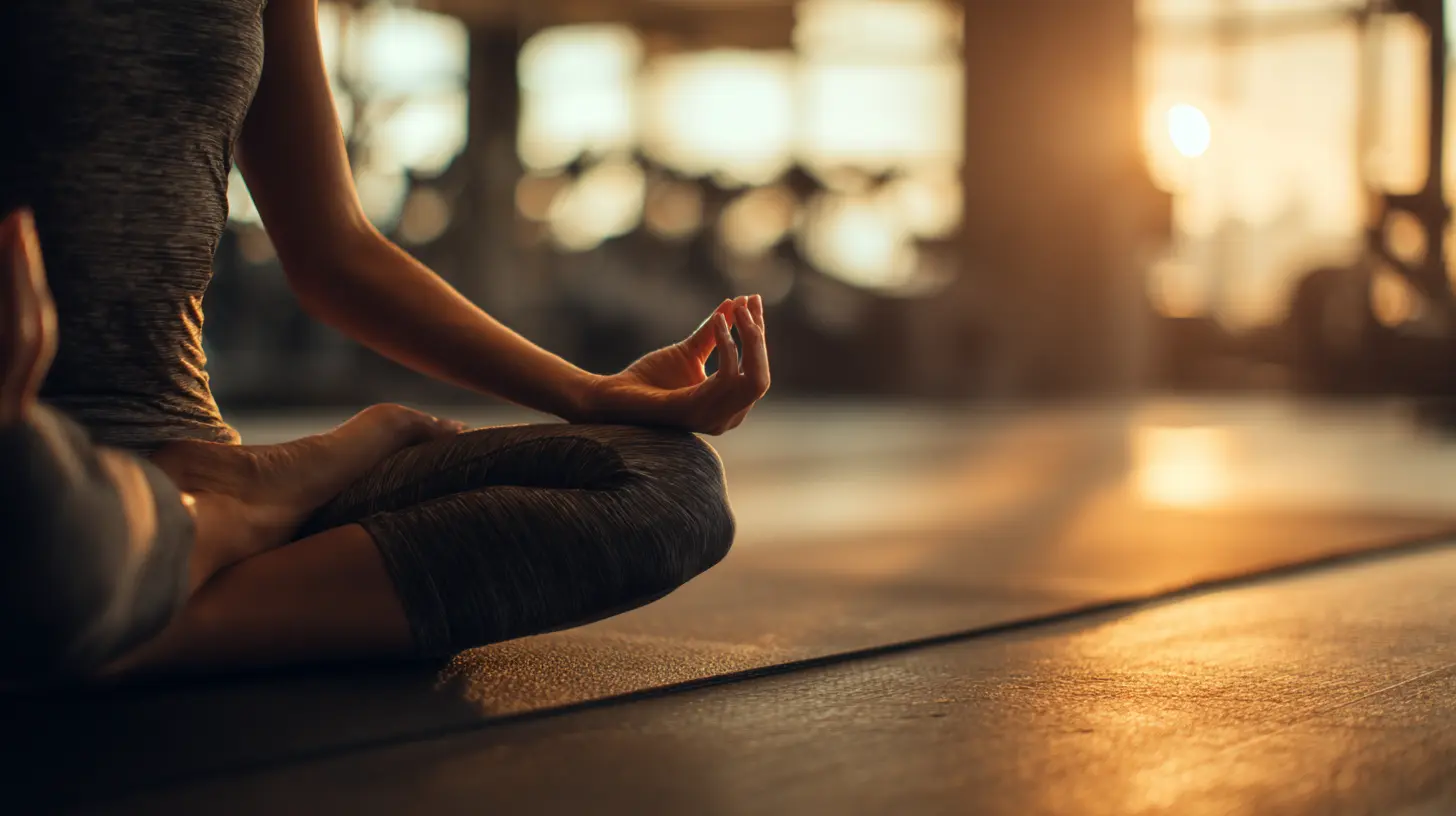
Yoga is not stretching. Stretching is a small part of it. Yoga is not a workout, though it can build real strength and endurance. Yoga is not a religion, though it has spiritual roots in Indian philosophy that some practitioners engage with deeply and others ignore entirely.At its practical core, yoga is a system of movement, breathing, and attention. The physical postures, called asanas, are one limb of a larger framework. For a beginner in the modern world, the physical practice is usually the entry point, and that is fine. You do not need to adopt a philosophy or change your beliefs to benefit from moving your body with care and breathing deliberately.
What distinguishes yoga from general exercise is the emphasis on interoception, which is your sense of what is happening inside your body. In a typical gym session, you might focus on reps, weight, and mirror feedback. In yoga, you are asked to feel where tension lives, notice when your breath shortens, and adjust accordingly. That inward focus is why yoga often helps with stress and why it can feel unfamiliar at first. Most of us are not used to paying that kind of attention.
What yoga is not: It is not a competition, it is not a quick fix for back pain or anxiety, and it is not something you need to be flexible to start. That last point deserves emphasis. Flexibility is a result of practice, not a prerequisite. If you can breathe, you can begin.
Why 2027 Is a Different Starting Point
The fundamentals of yoga have not changed, but the context for beginners has. Three shifts matter.Instruction is more accessible but less curated. You can stream classes from world-class teachers at any hour. You can also find thousands of videos made by people with minimal training and confident voices. The barrier to entry has never been lower, and the barrier to finding quality instruction has never been higher. A beginner in 2027 needs a filter, not just access.
Wearable and home technology has entered the practice. Smart mats, posture-tracking apps, and heart rate monitors now promise to optimize your yoga. Some of these tools are genuinely useful for feedback. Others are solutions looking for a problem. The key question for any piece of technology is whether it helps you pay attention to your body or distracts you from it. A heart rate monitor that teaches you to notice when your breath and effort are mismatched can be valuable. An app that turns your practice into a score to beat can quietly undermine the whole point.
Hybrid practice is normal. Most beginners in 2027 will mix studio classes, online sessions, and short home practices. That flexibility is a gift, but it requires more self-direction than the old model of showing up to the same class every week. You have to decide what you need and when, which is why the rest of this guide focuses on building judgment rather than following a fixed program.
Choosing a Style Without Getting Overwhelmed
The number of named yoga styles can feel absurd. Here is a practical way to think about them, organized by what a beginner is actually choosing between.Slow and Gentle Versus Strong and Active
Hatha, gentle, and restorative styles move slowly, hold poses longer, and emphasize alignment and breath. They are the best starting point for most people because they give you time to feel what is happening and to learn basic shapes without racing. The trade-off is that they may feel underwhelming if you are fit and want to sweat. That is fine. You can add intensity later once you understand the foundations.Vinyasa and flow styles link poses together with the breath at a faster pace. They build heat, cardiovascular fitness, and a sense of rhythm. The trade-off is that faster classes give you less time to refine alignment, and beginners often end up following along without understanding what they are doing. If you are drawn to flow, look for classes labeled "slow flow" or "beginner vinyasa" rather than jumping into a fast-paced session.
Power yoga, Ashtanga, and similar strong styles demand significant strength and stamina. They are excellent once you have a base, but starting here is like learning to swim in the deep end. You may survive, but you will not enjoy the process and you will likely pick up compensating patterns that take longer to undo than they took to learn.
Yin and restorative yoga involve long holds, often with props, and target connective tissue and the nervous system more than muscle. They are a valuable complement to any active practice and a good entry point for people recovering from injury or dealing with high stress. The trade-off is that they do not build much strength or cardiovascular fitness on their own.
A Simple Recommendation
If you are unsure, start with a gentle or beginner hatha class twice a week for a month. Add one slow flow class in week three or four if you feel ready. Keep yin or restorative in your back pocket for weeks when your body or mind needs recovery. This is not the only path, but it is a low-risk one that builds a foundation you can take in any direction.
What You Actually Need to Begin
The yoga industry would like you to believe you need a lot. You do not.A mat. This is the one piece of equipment worth buying. A cheap mat slips, bunches, and makes balance poses frustrating. A basic sticky mat from a reputable brand costs little and lasts years. Thicker mats are more comfortable for knees but less stable for standing balance. A standard thickness around 4 to 5 millimeters is a reasonable compromise for most beginners.
Clothing you can move in. Fitted clothing helps teachers see your alignment and helps you avoid fabric getting in the way during transitions. You do not need special yoga clothes. Any athletic wear that does not restrict movement works.
Props, eventually. Blocks and straps are not crutches. They are tools that bring the floor closer to you and help you find positions your body cannot yet reach. Many studios provide them. At home, a stack of firm books can substitute for a block, and a belt or towel can substitute for a strap. Buy real props once you know you are sticking with it.
What you do not need: expensive leggings, a smart mat, a subscription to three platforms, or a dedicated home studio. Those things are fine if you want them, but none of them will make or break your practice. The single biggest predictor of progress is showing up regularly, and none of that equipment changes how often you show up.
Finding Good Instruction
This is the most important decision you will make as a beginner, and it is worth more thought than the style you choose.What Makes a Good Teacher
A good teacher watches students, offers modifications, and creates an environment where it is acceptable to rest. They explain why a pose is set up a certain way, not just what to do. They demonstrate and then walk around, rather than performing the entire class from the front of the room. They ask about injuries and take the answers seriously.Credentials matter but they are not sufficient. A 200-hour certification is the common baseline for teaching, and it indicates a certain amount of training, but the quality of those programs varies enormously. A teacher with a modest certificate and years of attentive teaching experience is often better than one with an advanced credential and little classroom time. Look for reviews, ask around, and try a few teachers before committing.
Studio Versus Online
Studio classes offer real-time feedback, a sense of community, and the accountability of a scheduled appointment. A teacher can see that your front knee is collapsing inward and correct it before it becomes a habit. The trade-offs are cost, travel time, and schedule rigidity. For a true beginner, a handful of in-person classes is worth more than months of videos because you cannot see your own blind spots.Online classes are convenient, affordable, and vast. The trade-off is the absence of feedback. You can follow along, but no one will tell you that you are hyperextending your elbows or holding your breath. If you go online-first, choose teachers who offer detailed verbal cues and consider filming yourself occasionally to check alignment. A hybrid approach, with in-person classes early on and online practice for maintenance, is the strongest option for most people.
Livestream classes sit in between. You get real-time instruction and sometimes the ability to ask questions, without leaving home. They are a reasonable compromise if studios are inaccessible.
Building a Practice That Survives Contact With Real Life
Most beginners quit not because yoga is too hard but because their practice does not fit their life. Here is how to build one that does.Start Smaller Than You Think
Twenty minutes, twice a week, is a real practice. It is enough to build the habit and feel changes in mobility and stress. The temptation is to commit to an hour a day, burn out in two weeks, and conclude that yoga is not for you. Consistency beats duration, especially early on. You can always add more once the habit is established.Anchor It to Something
Pick a time and place and stick to it for the first month. Morning before work, evening after the kids are down, Saturday morning at the studio. The specific time matters less than the regularity. Habits form around cues, and a consistent cue reduces the daily decision of whether to practice.Expect the First Month to Feel Awkward
Your first several classes will involve confusion, comparison to the flexible person next to you, and muscles that are sore in unfamiliar ways. This is normal and it passes. The people who stick with yoga are not the ones who found it easy at the start. They are the ones who kept showing up through the awkward phase. Give yourself at least eight to ten sessions before deciding whether a style or teacher is right for you.Track How You Feel, Not Just What You Can Do
Progress in yoga is not linear and it is not measured only in flexibility. Notice whether you sleep better, whether your shoulders feel less tight, whether you can breathe more calmly in traffic. Those changes are the real return on investment, and they often show up before any visible physical change.Common Mistakes and Misconceptions
Pushing into pain. Yoga asks you to find sensation and edge, not pain. Sharp pain, especially in joints, is a signal to back off. The "no pain, no gain" mindset from other fitness contexts does not translate well here.Holding your breath. Beginners often hold their breath during effort without realizing it. The breath is the metronome of the practice. If you cannot breathe smoothly, you are working too hard or you need a modification.
Comparing yourself to others. The person on the next mat may have ten years of practice, a different body, or both. Comparison is the fastest route to frustration. The only meaningful comparison is to yourself last month.
Skipping the warm-up. Jumping straight into deep poses on cold muscles is a common cause of strain. A few minutes of gentle movement first makes everything else safer and more effective.
Believing you need to be flexible. This one bears repeating because it stops so many people before they start. Stiff people benefit from yoga at least as much as flexible ones. The poses are tools, not tests.
Treating rest as failure. Taking child's pose while the class flows on is not quitting. It is intelligent practice. Teachers generally respect it, and your body will thank you.
When to Modify, When to Rest, and When to See a Professional
Yoga is generally safe, but it is not appropriate for every situation without adjustment. If you have an injury, recent surgery, pregnancy, or a chronic condition, talk to your doctor and tell your teacher before class. Most teachers can offer modifications, but they are not medical professionals and should not be treated as such.Within a class, modify whenever a pose does not work for your body. Blocks under the hands, a blanket under the knees, a strap around the foot, or a bent knee in a forward fold are all standard adjustments, not signs of weakness. Rest when you need to. The practice is not a performance.
If something hurts in a way that persists after class, back off that movement and see a physiotherapist or doctor if it continues. Yoga can support recovery, but it can also aggravate problems when done carelessly, and a little caution early saves a lot of frustration later.
A Realistic First Month
Here is one concrete plan to make this actionable. Adjust it to your life.Week 1: Two gentle or beginner hatha classes, either in person or livestreamed. Focus on learning the basic shapes and on breathing. Do not worry about doing everything perfectly.
Week 2: Two classes, same style. Add five minutes of quiet breathing at the end of one session. Notice what feels different from week one.
Week 3: Two classes plus one short home practice of fifteen to twenty minutes using a video from a teacher you trust. This is where you start building independence.
Week 4: Two classes, one home practice, and one restorative or yin session. Reflect on which sessions felt best and why. Use that information to plan next month.
That is roughly six to eight hours of practice across a month. It is enough to feel a difference and small enough to fit into a busy life. From there, you can increase frequency, try a new style, or deepen your home practice as your confidence grows.
The Long View
Yoga rewards patience more than intensity. The people who get the most from it are rarely the ones who progress fastest in the first month. They are the ones who keep returning, who learn to listen to their bodies, and who treat the practice as a long conversation rather than a project with a deadline.Starting in 2027 means you have more tools and more choices than any beginner before you. It also means you have to be more deliberate about what you let into your practice. Choose a few good teachers, buy a mat that does not slip, show up twice a week, and give it a couple of months before you judge the results. That is the whole secret. Everything else is detail.
all images in this post were generated using AI tools
Category:
YogaAuthor:

Ruben McCloud