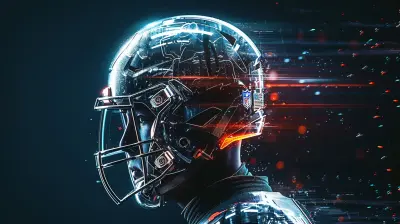
The Evolution of Fan Influence from Bleachers to Screens
10 November 2026
The relationship between sports and fans has undergone a remarkable transformation over the decades. Once confined to the physical spaces of stadiums and arenas, fan influence has expanded into the digital realm, changing the way teams, leagues, and even athletes interact with their supporters. This article delves into the evolution of fan influence, tracing its journey from the bleachers to screens, and analyzing the implications for all stakeholders involved.

The Traditional Fan Experience
The Bleachers: A Hub of Passion
In the early days of organized sports, fans gathered in stadiums, sharing not only their passion for the game but also their collective energy. The bleachers were more than just seating; they were a communal space where emotions ran high. Chants, cheers, and even jeers created an electric atmosphere that players thrived on. This direct interaction between fans and players fostered a sense of connection that was palpable.The Role of Local Culture
Local culture played a significant role in shaping the fan experience. In many cities, sports teams became an extension of community identity. For instance, the Chicago Cubs and their loyal fan base created a unique bond that transcended generations. Fans took pride in their local teams, often investing emotionally and financially. This connection was reinforced through traditions, rituals, and shared experiences that defined the culture surrounding the sport.
The Rise of Media and Broadcasting
Radio and Television: Expanding Reach
The advent of radio in the early 20th century marked the beginning of a new era for sports fans. For the first time, games could be broadcast live, allowing fans who could not attend in person to engage with the action. This development democratized access to sports, enabling fans from various backgrounds to connect with their favorite teams.Television took this a step further in the mid-20th century. Games became a staple of family entertainment, with fans gathering around their screens to watch live broadcasts. The visual element added a new layer of excitement, allowing fans to witness the action up close and personal. This shift also changed how teams marketed themselves, as they began to understand the importance of appealing to a broader audience.
The Influence of Sports Journalism
As media coverage grew, so did the influence of sports journalism. Writers and broadcasters became the intermediaries between fans and the teams they loved. They shaped narratives, highlighted player performances, and sparked discussions that engaged fans further. This relationship was symbiotic; as fans consumed media, their preferences and opinions began to shape the coverage itself.
The Digital Revolution
The Internet: A Game-Changer
The rise of the internet in the late 20th century brought about a seismic shift in fan engagement. For the first time, fans could connect with each other and their favorite teams in real-time, regardless of geographical barriers. Online forums, social media platforms, and dedicated sports websites became spaces for discussion, debate, and community building.Social Media: Amplifying Voices
Social media has arguably had the most profound impact on fan influence. Platforms like Twitter, Facebook, and Instagram have provided fans with direct access to teams, athletes, and fellow supporters. Fans can now share their opinions, frustrations, and celebrations instantly, creating a feedback loop that teams cannot ignore.Athletes have also embraced social media, using it as a tool to connect with fans on a personal level. This shift has blurred the lines between public and private personas, allowing fans to feel closer to their heroes. However, this immediacy has its drawbacks, as players must navigate the complexities of public scrutiny and backlash.

The New Dynamics of Fan Influence
The Power of Online Communities
Online communities have become powerful agents of influence. Fans can organize themselves around causes, whether advocating for player rights, demanding changes in management, or supporting social justice initiatives. This collective voice can lead to significant changes, as teams and leagues are increasingly aware of the potential backlash from dissatisfied fans.For example, the #BlackLivesMatter movement saw athletes and fans alike using their platforms to promote social change. Teams that failed to address these issues faced criticism and potential boycotts, demonstrating that fan influence now extends beyond the game itself.
Crowdsourcing Decisions
As fans become more vocal, teams are beginning to recognize the value of their input. Some organizations have started to involve fans in decision-making processes, whether through surveys, polls, or even fan advisory boards. This shift acknowledges that fans are not just passive consumers; they are active participants in shaping the future of their teams.However, this approach has its challenges. Balancing fan input with organizational goals can be tricky. Teams must navigate the potential conflict between catering to passionate fan bases and making strategic decisions that may not always align with popular opinion.
The Impact of Technology
Data Analytics and Fan Engagement
The rise of data analytics has transformed how teams understand their fans. By analyzing engagement metrics, teams can tailor their marketing strategies and enhance the fan experience. For instance, teams can identify which types of content resonate most with their audience, allowing them to create targeted campaigns that foster deeper connections.However, reliance on data can also lead to pitfalls. Teams may become overly focused on metrics, losing sight of the emotional aspects of fan engagement. It's essential to strike a balance between data-driven decisions and genuine human connection.
Virtual Reality and Augmented Reality
Emerging technologies like virtual reality (VR) and augmented reality (AR) are set to revolutionize the fan experience. These technologies offer immersive experiences that can transport fans into the action, whether through virtual stadium tours or AR-enhanced broadcasts. While still in their infancy, these innovations have the potential to redefine how fans interact with sports.However, teams must consider the cost implications and accessibility of these technologies. Not every fan will have access to high-end VR equipment, so it's crucial to ensure that innovations do not alienate segments of the fan base.
The Future of Fan Influence
A Shift Towards Personalization
As technology continues to evolve, personalization will play a crucial role in fan engagement. Teams will need to harness data and insights to create tailored experiences that cater to individual preferences. This could range from customized content to exclusive access to players and events. Fans are increasingly expecting a personalized touch, and teams that can deliver will stand out in a crowded marketplace.The Role of Blockchain and NFTs
Blockchain technology and non-fungible tokens (NFTs) are emerging as new avenues for fan engagement. NFTs offer fans a way to own unique digital memorabilia, while blockchain can enhance transparency in ticket sales and merchandise. These innovations could deepen the connection between fans and teams, creating new revenue streams and opportunities for engagement.However, the adoption of these technologies must be approached with caution. Misunderstandings about blockchain and NFTs can lead to skepticism among fans. Teams must educate their audiences and ensure that these innovations genuinely enhance the fan experience rather than complicate it.
Best Practices for Engaging Fans
Authenticity is Key
In this digital age, authenticity matters more than ever. Fans can quickly spot insincerity, so teams must communicate transparently and genuinely. Building trust with fans takes time, but it is essential for long-term success.Foster Community
Creating a sense of community among fans can enhance engagement. Teams should encourage discussions, host events, and provide platforms for fans to connect with each other. Whether through online forums or in-person gatherings, fostering community can lead to a more loyal and engaged fan base.Listen and Adapt
Teams must be willing to listen to fan feedback and adapt accordingly. This may involve making changes based on fan input or simply acknowledging concerns. By demonstrating that fan voices matter, teams can strengthen their relationships with supporters.Embrace Change
The landscape of fan engagement is constantly evolving. Teams must be willing to embrace new technologies and trends, even if they initially seem daunting. Staying ahead of the curve can position teams as leaders in fan engagement.
Conclusion
The evolution of fan influence from bleachers to screens has transformed the sports landscape. As fans increasingly wield power through digital channels, teams must adapt their strategies to meet the changing expectations of their supporters. By fostering authentic connections, embracing technology, and prioritizing community, teams can navigate this new era of fan influence successfully.In this dynamic environment, understanding the nuances of fan engagement will be critical for teams looking to thrive. The journey from the bleachers to screens is not just about technology; it's about recognizing the heart and soul of sports-the fans.
all images in this post were generated using AI tools
Category:
Crowd InfluenceAuthor:

Ruben McCloud