The Evolution of Sports Betting: From Bookies to Online Platforms
15 February 2026
Sports betting has come a long way since the days of smoky backrooms and phone calls to local bookies. Fast forward to today, and you’re just a few clicks or taps away from betting on your favorite team — whether they’re across the street or across the globe.
So, how exactly did we get here? Let’s break down the fascinating journey of sports betting, from its humble beginnings to becoming an electrifying digital juggernaut.
The Early Days: Bookies, Chalkboards, and Brown Envelopes
Before the internet changed everything, sports betting was personal — very personal. You didn't place a bet on your phone or laptop. Instead, you called your local bookie or met face-to-face behind closed doors.Who Were These Bookies, Anyway?
Think of bookies like street-level entrepreneurs. They weren't officially licensed (most of the time), but they knew their stuff. You'd give them your wager, and if your team won, you'd get a cut. If not, well... better luck next time.Bookies kept handwritten ledgers, used payphones to stay anonymous, and ran their operations with a mix of charm and intimidation. It wasn’t glamorous, but it was effective.
Why Did People Trust Them?
In a strange way, bookies were like neighborhood bartenders — they knew everyone’s business. People built relationships with their bookies. It wasn’t just about betting on games — it was about trust, loyalty, and sometimes, fear. If you didn’t pay up, a “friendly reminder” might show up at your door.Despite being illegal in many places, this underground betting world boomed, especially in places where gambling was frowned upon or completely banned.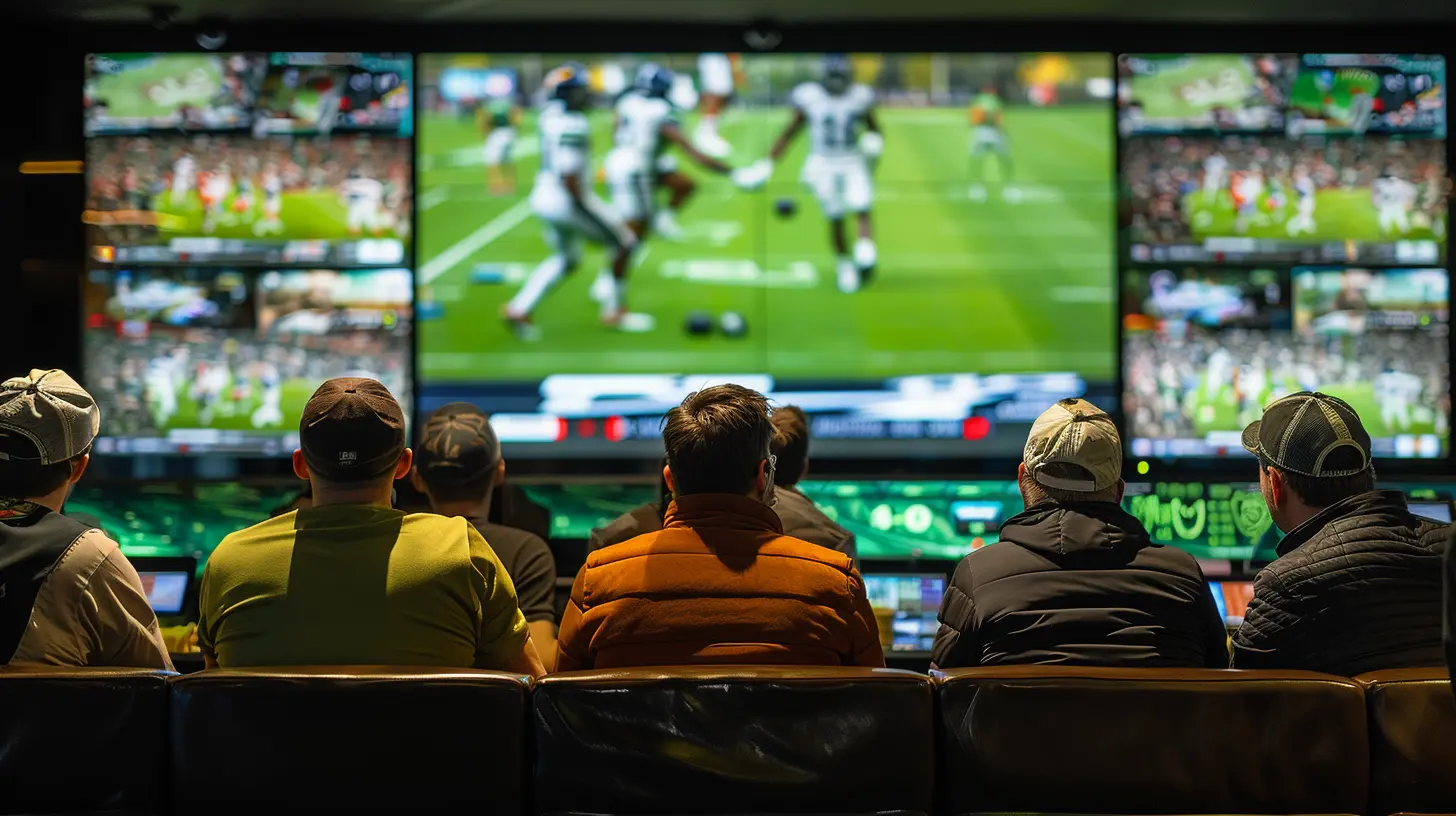
The Vegas Boom: Legalization and The Glitz Factor
Then came Las Vegas — the game-changer. When Nevada legalized sports betting in 1949, it flipped the script. You could now place legal bets in a high-end casino instead of your buddy’s basement.Casinos Made It Legit
Las Vegas brought legitimacy to sports betting. No more worrying about whether your local bookie would skip town with your winnings. You got your payout, no questions asked. Sportsbooks inside casinos started to look like Wall Street trading floors, with giant boards showing odds and lines moving in real-time.Betting on the Experience
Vegas wasn’t just about the bet — it was about the experience. You could grab a drink, watch games on massive screens, and feel like a high roller even if you only bet ten bucks. This “entertainment-first” approach made sports betting feel less like gambling and more like a hobby.
The Internet Age: When Everything Changed
Ah, the 90s. Floppy disks, dial-up modems, and the beginning of the digital era. It didn’t take long for some clever folks to realize, “Hey, what if people could place bets online?”Early Online Sportsbooks Arrive
The first wave of online sportsbooks started popping up in the mid-90s. Companies based in offshore locations like Antigua and Costa Rica began offering betting services to anyone with an internet connection. Suddenly, geography no longer mattered.You could be in your pajamas in Wisconsin and still bet on a soccer match in Barcelona.
Challenges and Skepticism
As with any new tech, the early days were rough. Dodgy websites, slow payment systems, and lack of regulation made people wary. Who was running these sites? Could you trust them? Would they actually pay out?Still, the ease and convenience were hard to ignore. With just a few clicks, you could bet on just about anything — from NFL games to obscure cricket matches.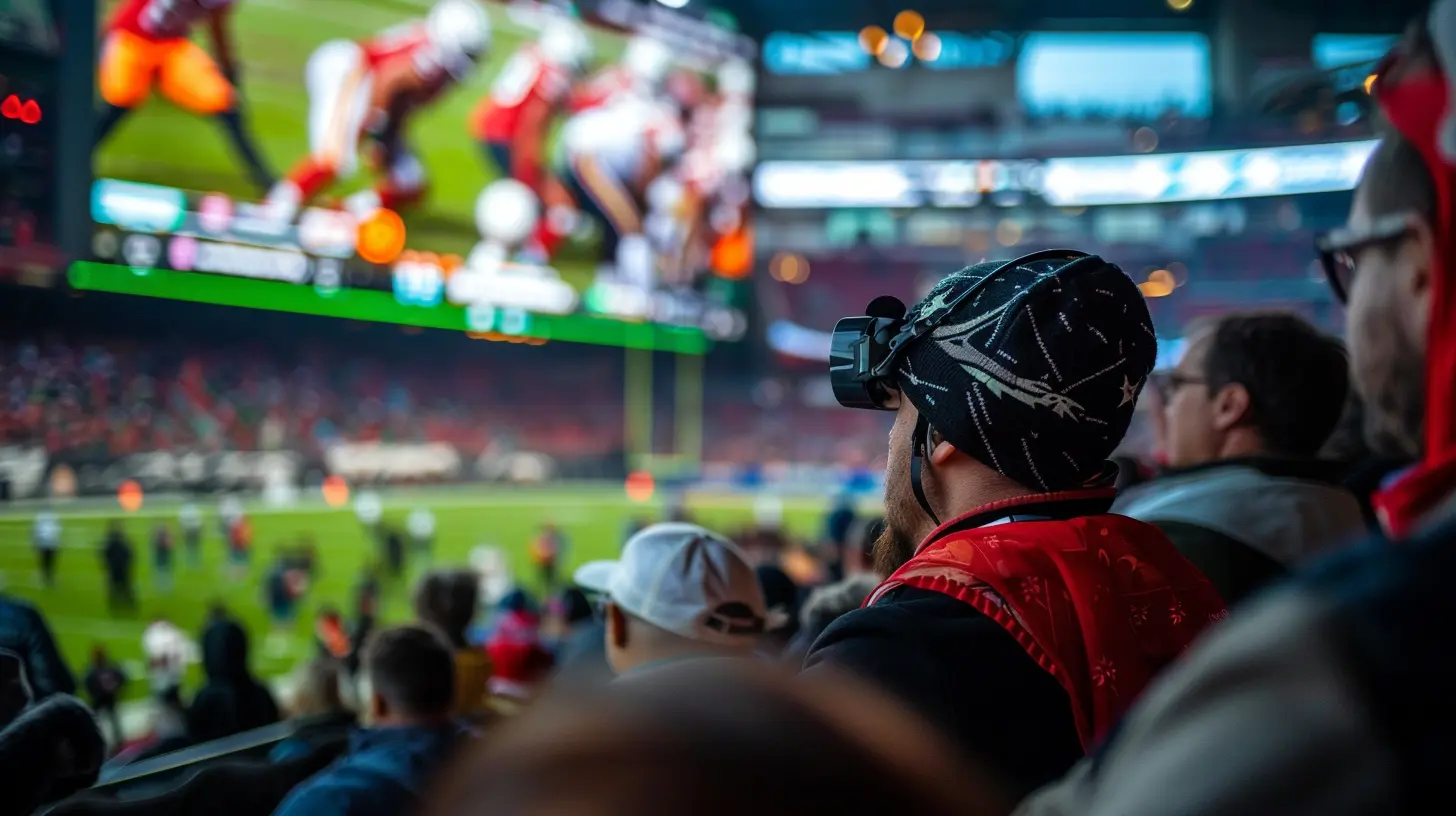
Mobile Betting: Betting at Your Fingertips
Then came smartphones. And just like that, sports betting went from convenient to ridiculously easy.The Rise of Betting Apps
Mobile apps took online betting and made it even simpler. Want to place a live bet during the game? No problem. Want to cash out early? Tap a button. Betting apps removed all the friction from the process.You no longer needed to be tech-savvy to gamble. If you could use Instagram, you could bet on the Super Bowl.
In-Play Betting Becomes the Norm
This was a game-changer. Unlike traditional bets where you place a wager before the game starts, in-play betting allows you to bet while the action unfolds. Odds change in real time. One minute, you’re betting on who’ll score next, and the next you’re cashing out because your gut said the momentum was shifting.It brought a whole new level of engagement. Suddenly, every play mattered. Every second counted.
Legalization in the U.S.: The Turning Point
For decades, sports betting was mostly restricted to Nevada. But in 2018, the U.S. Supreme Court overturned the Professional and Amateur Sports Protection Act (PASPA), essentially letting states decide their own sports betting laws.A New Gold Rush
States jumped on board immediately. New Jersey, Pennsylvania, Michigan, Colorado — one by one, they legalized online sports betting. What followed was a digital gold rush. Companies like DraftKings, FanDuel, and BetMGM exploded in popularity. Investors poured billions into the industry.And let’s be real — sports betting went mainstream. Ads during the Super Bowl? Check. Sponsored segments on ESPN? Yep. Odds being discussed during broadcasts? Absolutely.
It wasn't just legal — it was cool.
Today’s Landscape: A Tech-Driven Industry
Sports betting today is a far cry from where it started. It’s sleek, it’s tech-savvy, and it’s data-rich.AI and Big Data Drive the Odds
Today’s sportsbooks use machine learning and complex algorithms to set, adjust, and manage odds. Bettors also have access to more information than ever before — injury reports, betting trends, player stats, weather conditions. It’s no longer just gut instinct — it’s strategy.And bettors love it. The more they know, the more confident they feel placing a wager.
Social Betting and Gamification
Some newer platforms are taking things a step further by making betting more social. Think leaderboards, community bets, and group challenges. Some apps even let you follow expert bettors, like following influencers on social media.They've managed to turn betting into a community experience — not just solitary number crunching.
The Future: Where Are We Headed?
So, what’s next? The evolution isn’t done just yet.Crypto and Blockchain Open New Doors
More sportsbooks are starting to accept cryptocurrencies for deposits and payouts. Blockchain even allows for provably fair betting, where outcomes and odds can be verified transparently — which could be huge for trust and integrity.AR, VR, and the Metaverse
Imagine putting on a VR headset and walking into a virtual sportsbook, chatting with your friends, and watching 3D live games while placing bets. Sounds wild? It’s already in development. With the rise of AR and VR, the next frontier of digital betting could make today’s mobile apps look outdated.Wrapping It Up
From shady alleyway deals to slick mobile apps, the journey of sports betting has been nothing short of epic. It’s gone from something whispered about behind closed doors to a mainstream pastime embraced by millions.Technology didn’t just make betting easier — it turned it into a dynamic, interactive, and legal form of entertainment.
As regulations continue to evolve and technology pushes boundaries, one thing's for sure — we're just getting started.
And who knows? The next time your buddy brags about his parlay win, it might be from a virtual sportsbook inside the metaverse.
all images in this post were generated using AI tools
Category:
Sports BettingAuthor:

Ruben McCloud
Discussion
rate this article
2 comments
Zain McKeehan
This article brilliantly captures the transformation of sports betting. It highlights how technology has reshaped the industry, making it more accessible and engaging for fans worldwide. Great read!
March 22, 2026 at 12:24 PM
Ruben McCloud
Thank you for your kind words! I'm glad you enjoyed the article and found the insights on technology's impact on sports betting engaging.
Maxwell Meyers
Great article! The shift to online platforms has revolutionized sports betting accessibility and user experience.
February 19, 2026 at 11:23 AM
Ruben McCloud
Thanks for your feedback! I'm glad you found the article insightful. The shift has truly changed the game for bettors everywhere.