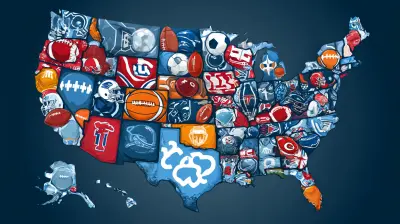
The Future of Sports Contracts in the Age of Streaming
31 May 2026
The roar of a stadium crowd, the thrill of a buzzer-beater shot, the emotional rollercoaster of a championship game — sports are more than just games. They’re global events, cultural moments, and increasingly, they're digital experiences. But as the way we watch sports evolves from cable to streaming, there’s one question that’s echoing throughout the sports world: What does this mean for sports contracts?
Let’s be real — the future of sports contracts isn’t just about player salaries anymore. It’s about how money flows in a world where fans are watching games on their phones, tablets, and smart TVs — often skipping traditional broadcast channels altogether.
In this deep dive, we’re going to unpack exactly how streaming is flipping the script on sports contracts and what it could mean for players, teams, leagues, and the fans like you and me. Buckle up — this is going to be a wild ride.
Goodbye Cable, Hello Streaming: How We Got Here
Remember when watching a game meant flipping to ESPN or tuning into your local sports network? Those days are fading fast. Today, fans are cutting the cord in droves. Instead, they’re tuning into streaming giants like Amazon Prime Video, Apple TV+, YouTube TV, and Disney+ (via ESPN+), among others.Why? Convenience. Flexibility. No long-term commitment. And let’s be honest — nobody wants to pay for 1,000 channels they never watch.
This shift in how we consume sports is more than just a tech upgrade. It’s a massive shake-up in the economic engine that powers professional sports.
The Old Model: TV Rights Were King
Traditionally, sports leagues made a huge portion of their revenue from selling broadcast rights to TV networks. These deals were enormous — we’re talking billions of dollars over several years. Networks paid big because live sports are still one of the few things people watch in real-time. That meant guaranteed eyeballs for advertisers.Teams and players cashed in. Bigger TV deals usually meant bigger salary caps and fatter contracts. Everyone was happy.
But now? The game is changing. Streaming platforms have entered the chat.
Streaming Services: The New Power Players
Streaming services have one massive advantage: data.Unlike the old guard of TV networks, which relied on Nielsen ratings and estimates, streamers know exactly how many people are watching, when they’re watching, and what device they’re using.
This data is gold. It helps platforms tweak their content, pricing, and advertising for maximum impact. It also gives them leverage when negotiating with leagues or luring individual teams.
Take Amazon, for example. They didn’t just dip their toes into live sports — they cannonballed right in. Their Thursday Night Football deal with the NFL turned heads. People asked, “Wait, is Amazon a sports broadcaster now?” Yep, and they’re not the only ones.
What This Means for Sports Contracts
Okay, so streaming is growing. Cool. But how does that affect actual sports contracts?1. New Revenue Streams = New Contract Structures
When Amazon or Apple buys the rights to stream games, they’re often also getting exclusive access to player content, behind-the-scenes footage, interviews, and more. That content can be monetized — and players and teams want a piece of the pie.Expect future contracts to include clauses about streaming-specific content, digital appearances, and royalties from exclusive features. Athletes are becoming brands — and brands know their worth.
2. More Global Reach = Bigger Audiences
Streaming isn’t limited by geography. While traditional TV deals were tied to a region or country, streaming is truly global. A kid in Tokyo can watch the New York Knicks game live without needing cable. That’s powerful.For players, this increased reach means more exposure, more endorsements, and more bargaining power. Contracts will start reflecting that international visibility.
3. Shorter, Flexible Deals May Dominate
Remember the days of the 10-year mega-deal? In the streaming age, flexibility is key.As revenue models shift, leagues and broadcasters are more cautious about long-term commitments. This could trickle down to player contracts, leading to shorter deals with performance incentives and options tied to streaming metrics like viewership and engagement.
Ever heard of a bonus for “most-streamed clip of the week”? It’s coming.
Smaller Leagues and Athletes: A Level Playing Field?
One of the coolest things about streaming? It could finally level the playing field.Smaller leagues, women’s sports, and underrepresented athletes often struggled to get airtime on traditional TV. Streaming doesn’t have those limitations.
Now, a niche audience is just as valuable if it’s loyal and engaged. Platforms like DAZN and ESPN+ are already broadcasting MMA, women’s soccer, and even esports. These sports are gaining traction — and contracts are growing in value.
In the future, an athlete with a massive TikTok following might land a killer contract, not just for their performance, but for their “streamability.”
The Rise of Direct-to-Consumer (DTC) Platforms
Imagine your favorite team launching its own streaming app — no middleman, just pure, unfiltered content. That’s the Direct-to-Consumer (DTC) model.The NBA, NHL, and even individual teams are exploring it. Why split the pie with broadcasters when you can keep it all?
For contracts, this means one thing: more negotiating power in the hands of players. If a superstar is driving subscription numbers, they’ll want a cut of that revenue.
This also opens the door for content-based contracts. Think documentaries, personal vlogs, mic’d-up games — athletes monetizing their lives beyond the field.
NFTs, Metaverse & Web3: The Tech Wildcards
Okay, stay with me here — I promise we won’t go off into sci-fi land.With Web3 tech like NFTs and blockchain contracts, the idea of athlete compensation could totally transform. Imagine a smart contract that automatically pays a player royalties every time their highlight reel NFT is sold. Or a metaverse stadium where viewers pay to attend a virtual game — and players get a cut of ticket sales.
This stuff isn’t fantasy anymore. It’s already happening in early-stage experiments. And it’s pushing the boundaries of what a “sports contract” even means.
Legal and Ethical Considerations
All this change is exciting — but it also raises big questions.- Who owns the rights to a player's likeness in a livestream?
- What privacy protections exist when data is collected 24/7?
- Can player unions keep up with the pace of tech?
Contracts need to evolve to protect not just revenue, but identity, mental health, and fairness. Because let’s be honest — not every athlete has a team of lawyers watching their back.
Fan Loyalty vs. Platform Hopping
Let’s not forget the fans — because that’s who keeps this whole thing spinning.Streaming might bring us closer to the action, but it also fragments the experience. Today’s fan might need five subscriptions to follow their team. It’s confusing, expensive, and frustrating.
If leagues and platforms don’t figure out a better system, fans could check out. And if fans leave, guess what? So does the money — and that impacts every contract down the line.
So... What’s Next?
Honestly? Nobody knows for sure — and that’s the most exciting part. Sports are at a crossroads, and streaming has the wheel.In the next decade, we’ll likely see:
- Athletes becoming content creators and owning their brand.
- New types of contracts that include royalties from digital streams.
- Leagues launching their own platforms and going global.
- A battle for your attention between dozens of streaming services.
But one thing’s for sure: the days of one-size-fits-all sports contracts are over.
Final Thoughts: The Human Side of It All
At the heart of every sports contract is a human being — someone dedicating their life to a game, a craft, a dream. While streaming and tech are changing the business side, let’s not forget the soul of sports.Contracts need to evolve, yes. But they should also protect the people who make those magical moments happen. As fans, we have a role in shaping that future too — by supporting fair deals, demanding transparency, and cheering for the players both on and off the field.
Thanks to streaming, we’re entering a golden era of access and innovation. Let’s just make sure we don’t lose the passion, the connection, and the heart that make sports worth watching in the first place.
all images in this post were generated using AI tools
Category:
Sports ContractsAuthor:

Ruben McCloud
Discussion
rate this article
1 comments
Priscilla Holland
Streaming is shaking things up, and players better buckle up. The days of getting paid just to show up are over-it's time to earn that spotlight and cash.
June 2, 2026 at 10:23 AM
Ruben McCloud
Absolutely, streaming is changing the game. Athletes will need to step up and prove their value to secure those lucrative contracts. Exciting times ahead!