The Growing Importance of Crowd Analytics in 2026
11 October 2026
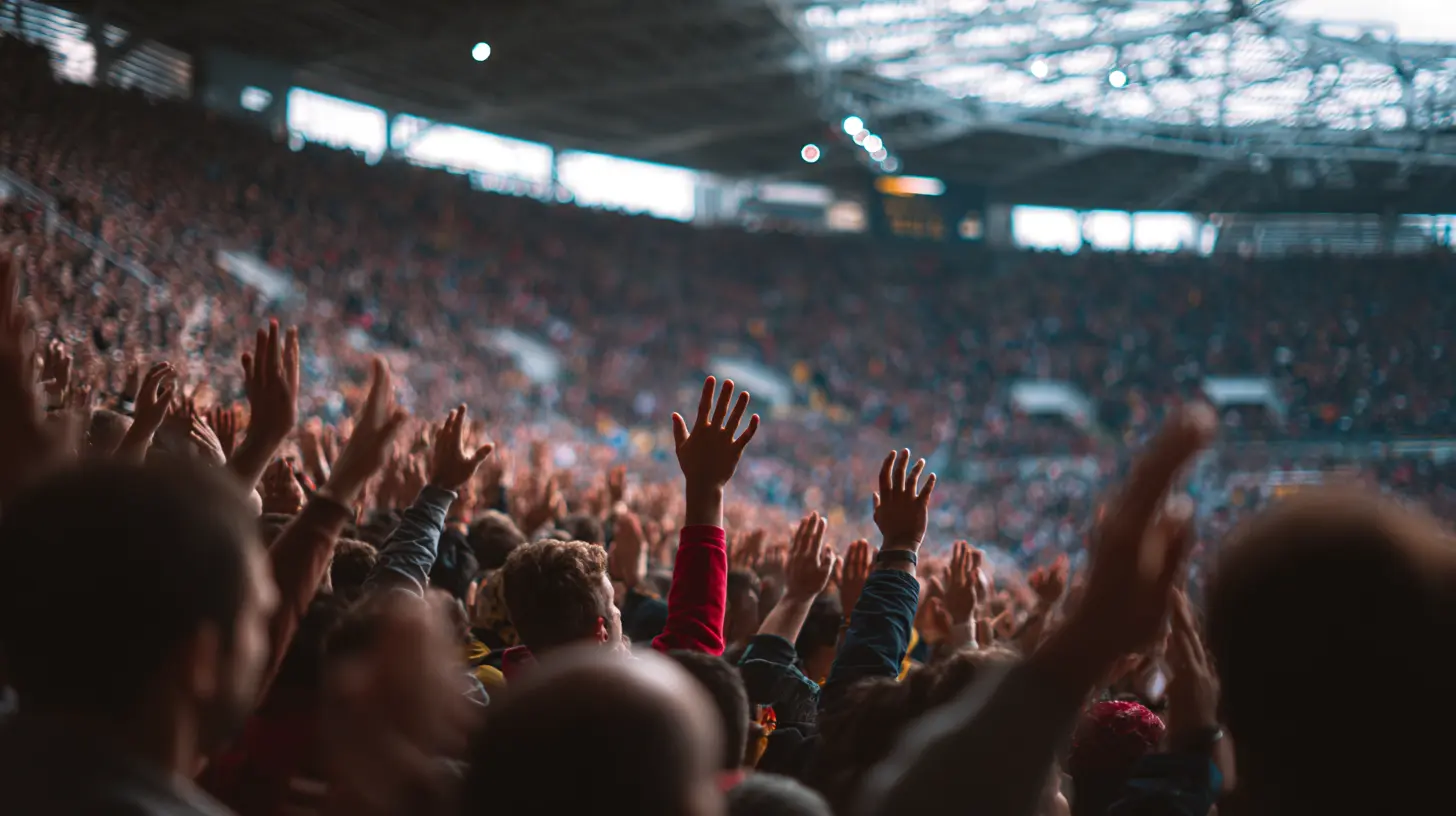
What Crowd Analytics Actually Means Now
Crowd analytics has shed its old skin. A decade ago, the term mostly described counting people at gates and tracking how many bodies filled a section. In 2026, it refers to a layered system that combines computer vision, sensor fusion, ticketing data, mobile signals, and predictive modeling to understand not just how many people are present, but how they behave, where they move, what they buy, and how they feel about the experience.The shift matters because the problems venues face have changed. Selling tickets is no longer the hard part for most major events. Managing the flow of people before, during, and after the event is. A sold-out stadium is a success on the balance sheet and a logistical nightmare on the concourse. Crowd analytics sits at the intersection of those two realities.
This article is not a product roundup. It is a working guide for the people who actually have to make decisions about deploying, scaling, or fixing crowd analytics systems. That includes venue operators, league technology officers, event promoters, security directors, and the consultants who advise them.
Why 2026 Is a Tipping Point
Three forces have converged to push crowd analytics from a nice-to-have to a core operational system.First, the hardware got cheap and good. High-resolution cameras, LiDAR units, thermal sensors, and edge computing devices now cost a fraction of what they did five years ago. A mid-sized arena can instrument its entire concourse for less than the annual salary of a mid-level operations manager.
Second, the software got smarter. Modern computer vision models can distinguish a person from a shopping cart, track individuals across camera handoffs without storing biometric data, and predict congestion 10 to 15 minutes before it forms. That prediction window is the difference between a smooth egress and a headline about a stampede.
Third, the expectations changed. Fans who have used real-time transit apps and food delivery tracking expect the same visibility inside a venue. When a concourse is jammed and no one communicates why, the frustration compounds. Crowd analytics gives operators the data to communicate proactively rather than reactively.
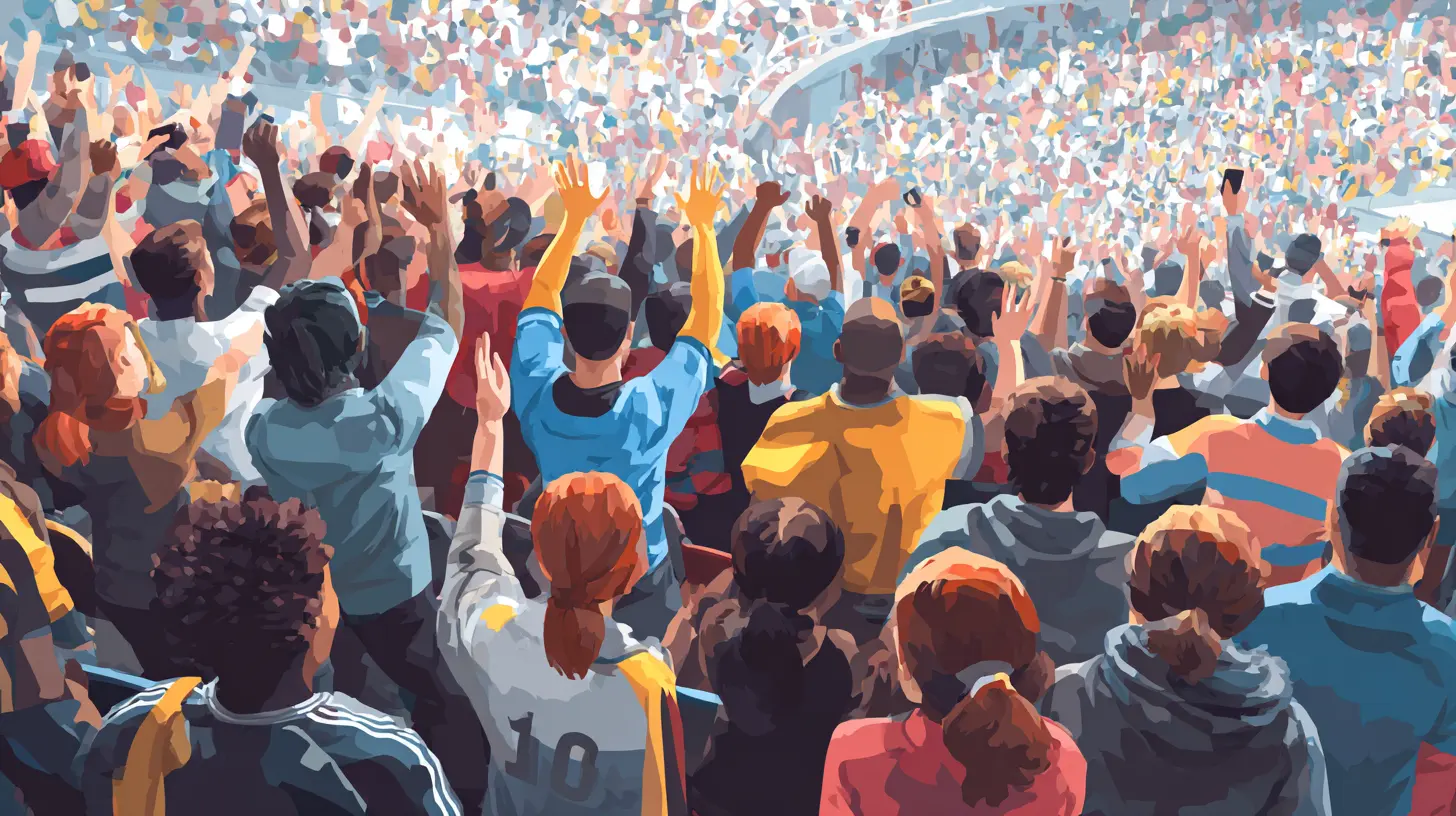
The Core Capabilities That Matter
Not every crowd analytics platform does the same thing. It helps to separate capabilities into distinct layers, because venues often buy one layer thinking they are getting another.Counting and Density Mapping
This is the foundation. Cameras or sensors estimate how many people occupy a given area and produce a heat map of density. The technology works well in controlled environments with stable lighting. It struggles in crowded, chaotic scenes where people overlap, or in venues with reflective surfaces and dramatic shadows.The practical question is not whether the count is perfectly accurate. It is whether the count is consistently accurate enough to trigger the right operational response. A system that is 92 percent accurate but stable is more useful than one that is 98 percent accurate on average but swings wildly during peak entry.
Flow and Trajectory Tracking
Flow tracking follows movement over time. It answers questions like: Where do people bottleneck after halftime? Which entrance do most fans use when they arrive late? How long does it take for a section to empty after the final whistle?This is where analytics earns its keep. Density tells you there is a problem. Flow tells you why the problem exists and what to change. A venue might find that a particular staircase is underused because signage points fans the wrong way, not because the staircase is inadequate.
Behavioral and Sentiment Signals
This layer is newer and more contested. It uses dwell time, queue abandonment, movement speed, and sometimes audio analysis to infer how people feel. A crowd moving slowly toward an exit is different from a crowd standing still and facing inward. The first is normal egress. The second might indicate a disturbance.Sentiment analysis in crowds is powerful but easy to misuse. It should inform decisions, not make them. Treating a slow-moving crowd as a security threat because an algorithm flagged "agitation" is a recipe for overreaction.
Predictive Simulation
The most advanced systems run digital twins of the venue and simulate how crowds will behave under different scenarios. What happens if a train is delayed and 8,000 people arrive in a 15-minute window? What if one concession stand closes unexpectedly?Simulation is valuable for planning, but it has limits. Models are only as good as their assumptions, and crowds do not always behave rationally. Use simulation to stress-test plans, not to replace human judgment on the day.
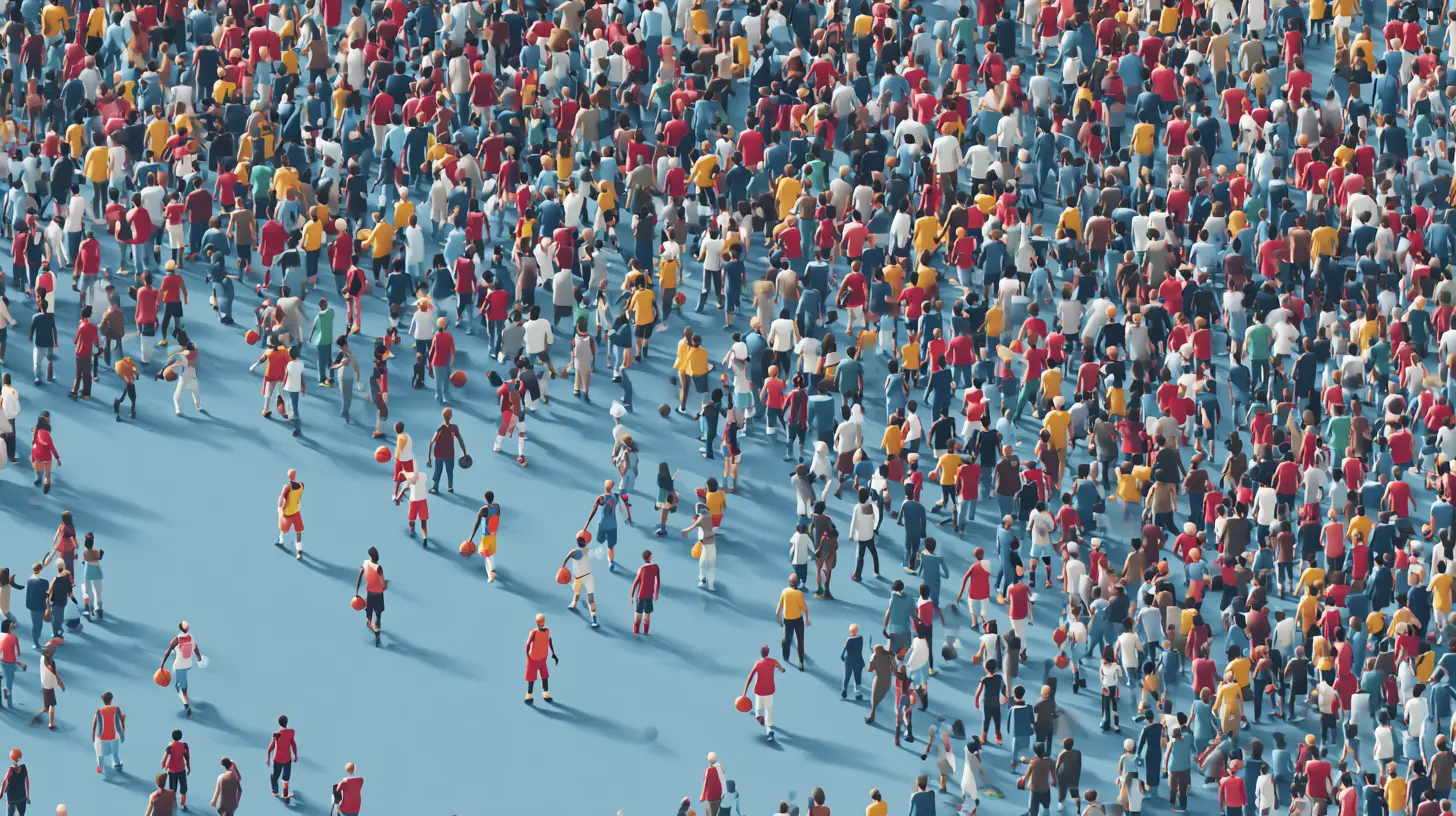
Real-World Applications That Deliver
Egress Management
The most mature use case is post-event egress. Venues that deploy crowd analytics for exit management typically see measurably shorter clearance times, though the exact improvement depends on venue layout, event type, and how well staff act on the data.The mechanism is straightforward. Sensors detect which exits are saturated. Staff redirect foot traffic in real time using digital signage, PA announcements, or physical barriers. The result is a more even distribution of people across available exits.
Why it works: egress problems are almost always distribution problems, not capacity problems. Most venues have enough exits. They just do not use them evenly.
Entry and Queue Optimization
Entry is the first impression. Long lines at the gate sour the entire experience before the event begins. Analytics can identify which lanes are slow, whether a particular scanner is malfunctioning, and how arrival patterns shift based on weather or transit disruptions.The trade-off: aggressive queue management can feel impersonal. Fans who are redirected from a familiar entrance to a faster one sometimes resent the change. Communication matters as much as the routing itself.
Security and Incident Response
Crowd analytics supports security by detecting anomalies: a sudden reverse flow, a dense cluster forming in an unusual location, or a rapid dispersion that suggests panic. The value is in early warning, not automated response.Common mistake: treating every anomaly as a threat. Most anomalies are benign. A dense cluster might be a popular food vendor. A reverse flow might be a celebrity spotting. The system should flag, and humans should interpret.
Concessions and Revenue
Analytics can correlate crowd density with purchasing behavior. If a concourse is packed, fans are less likely to leave their seats for food. If a particular stand has a long queue, nearby stands may be underperforming because fans cannot reach them.This is where crowd analytics crosses into revenue strategy. Venues that share data with concessionaires can adjust staffing, menu placement, and mobile ordering prompts in real time.
The Technology Stack in Plain Terms
A typical crowd analytics deployment in 2026 includes:- Sensors: cameras, LiDAR, thermal, Wi-Fi access points, Bluetooth beacons, turnstiles
- Edge processing: on-site compute that runs vision models locally to reduce bandwidth and latency
- Data fusion layer: software that combines inputs from multiple sensor types into a single view
- Analytics engine: the logic that turns raw data into density, flow, and prediction outputs
- Visualization and alerting: dashboards for control rooms and mobile alerts for floor staff
- Integration layer: APIs that connect to ticketing, access control, POS, and public safety systems
The integration layer is where most deployments fail. A brilliant analytics engine that cannot talk to the ticketing system or the staff scheduling tool is an expensive dashboard, not an operational asset.
Build vs. Buy: A Decision Framework
Venues face a real choice between building custom systems and buying commercial platforms.Buying is faster and cheaper upfront. Commercial platforms come with support, updates, and proven workflows. The downside is vendor lock-in, limited customization, and the risk that the vendor's roadmap diverges from your needs.
Building gives you control and the ability to tailor the system to your venue's quirks. The downside is cost, maintenance burden, and the difficulty of hiring people who can maintain computer vision pipelines.
A middle path is common: buy the sensor and processing layer, build the integration and analytics layer in-house. This works when the venue has strong IT capabilities and unique operational requirements.
Before deciding, ask:
- Do we have the engineering talent to maintain a custom system?
- Is our venue layout unusual enough that off-the-shelf models underperform?
- How fast do we need to deploy?
- What is our tolerance for vendor dependency?
Privacy, Ethics, and the Regulatory Landscape
Crowd analytics sits in a sensitive space. It involves observing people who have not explicitly consented to being tracked.The good news is that modern systems can be designed to avoid identifying individuals. Aggregate density counts, anonymized flow tracking, and thermal sensing do not require facial recognition or persistent identifiers. Venues that lean into privacy-preserving designs face fewer regulatory hurdles and less public backlash.
The bad news is that not all vendors are transparent about what their systems collect. Some quietly enable facial recognition or demographic inference as a "feature." Venues should demand clear documentation and contractually prohibit capabilities they do not want.
Regulatory pressure is increasing. Several jurisdictions now require disclosure when automated monitoring is in use, and some restrict biometric analysis in public spaces. The specifics vary, and operators should consult local counsel rather than assume a single global standard applies.
Best practice: publish a plain-language privacy notice, default to anonymized data, and store raw footage only as long as necessary.
Common Mistakes and How to Avoid Them
Mistake 1: Buying Technology Before Defining the Problem
Venues often purchase analytics platforms because they seem impressive, then struggle to find a use case. Start with the operational pain point. Is it egress? Entry? Security? Revenue? Let the problem define the solution.Mistake 2: Ignoring the Human Workflow
A dashboard that no one watches is useless. Analytics must be embedded in the daily workflow of the people who act on it. That means training, clear escalation paths, and accountability.Mistake 3: Over-trusting the Model
Models are probabilistic. They are wrong sometimes. Staff should be trained to use analytics as one input among many, not as an oracle.Mistake 4: Neglecting Data Hygiene
Camera lenses get dirty. Sensors drift. Wi-Fi density estimates break when network infrastructure changes. Regular calibration and maintenance are not optional.Mistake 5: Treating Privacy as an Afterthought
Retrofitting privacy protections is expensive and reputationally risky. Build them in from the start.Measuring Success: Metrics That Matter
Vanity metrics like "number of data points collected" are meaningless. Focus on operational outcomes:- Egress time: How long from final whistle to venue clear?
- Entry throughput: How many fans per minute per gate?
- Incident response time: How fast does staff reach a flagged area?
- Queue abandonment rate: How many fans leave a line before being served?
- Revenue per attendee: Does better crowd flow correlate with higher spend?
Set baselines before deployment. Without a baseline, you cannot prove improvement.
What the Next Few Years Look Like
Crowd analytics will become more embedded and less visible. The dashboard era is fading. The next phase is ambient intelligence: systems that quietly adjust signage, staffing, and messaging without a human in the loop for routine decisions.That raises new questions. Who is accountable when an automated system makes a bad call? How do venues audit decisions made by models? These are not hypothetical concerns. They are the governance challenges that will define the next generation of deployments.
Venues that start now, with clear use cases and strong privacy foundations, will be better positioned than those that wait for the technology to mature further. The maturity is already here. The gap is in operational readiness.
Practical Recommendations
1. Start with one problem. Solve it well before expanding.2. Choose privacy-preserving sensors by default.
3. Invest in integration, not just analytics.
4. Train staff on interpretation, not just operation.
5. Set baselines and measure outcomes, not activity.
6. Review vendor contracts for hidden data practices.
7. Revisit your deployment annually. The technology moves fast.
Crowd analytics is no longer a novelty. It is becoming the operational backbone of serious venues. The organizations that treat it as a core capability, rather than a gadget, will be the ones that deliver safer, smoother, and more profitable events in 2026 and beyond.
all images in this post were generated using AI tools
Category:
Crowd InfluenceAuthor:

Ruben McCloud
Discussion
rate this article
1 comments
Zephyrae Bishop
So, in 2026, we'll finally know if the guy in Section 12 who yells at the ref is just passionate or actually has a PhD in crowd behavior. Next step: teaching him how to use his inside voice... or at least a megaphone.
October 11, 2026 at 2:31 AM