The Impact of Doping on Team Sports
8 December 2025
Let’s face it—sports are magical. From the roar of the crowd to that game-winning goal, team sports have a way of pulling us all together. They’re not just games; they’re stories, dreams, and legacies. But what happens when something artificial—like doping—sneaks into that magic? What happens when one player’s shortcut becomes the team’s undoing?
In this article, we’re going to have a heart-to-heart about the impact of doping on team sports. Because it’s more than just syringes and sanctions—it’s trust, teamwork, and the soul of the game that hang in the balance.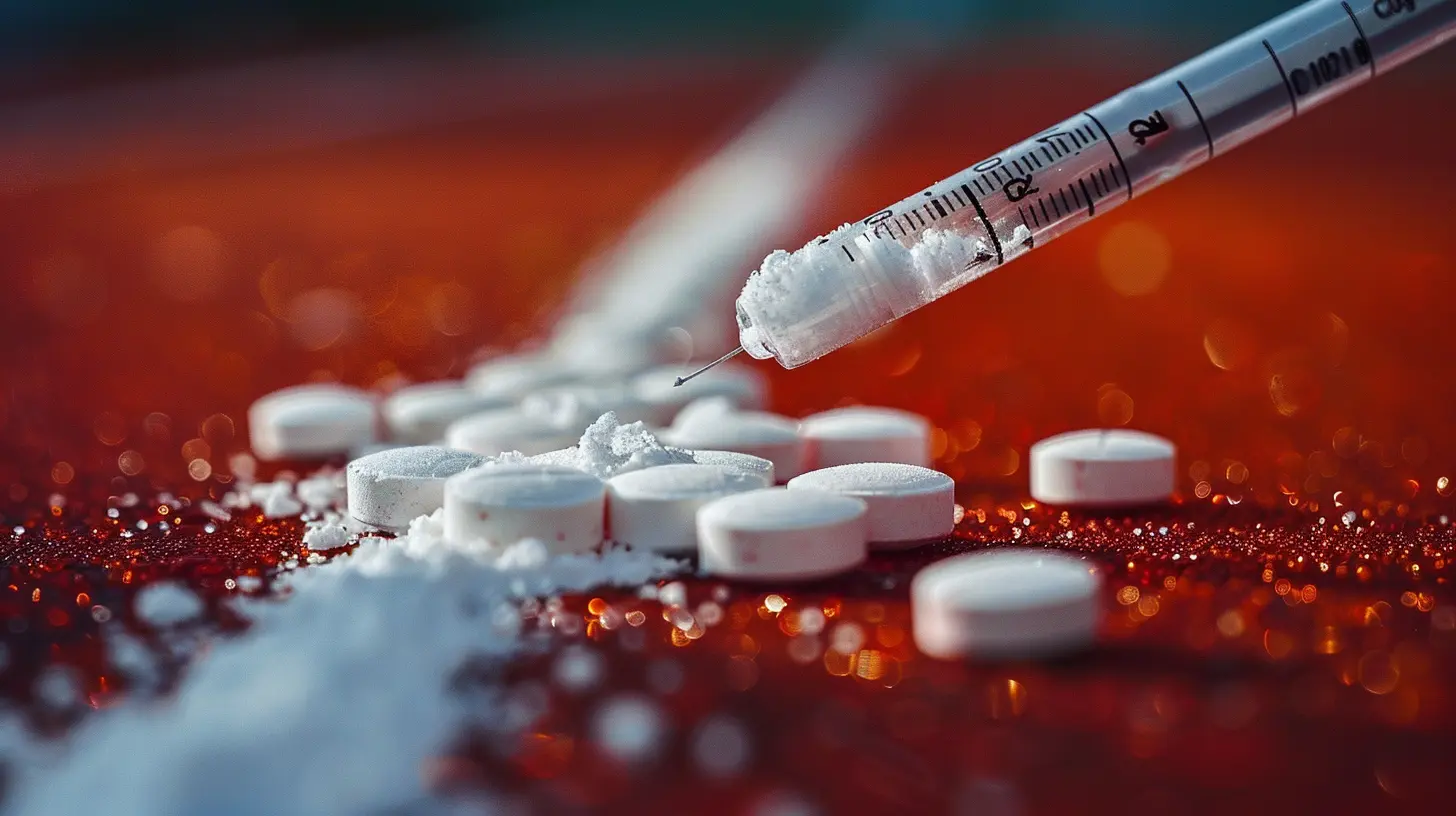
The Dark Cloud Over the Game
Picture this: your favorite team is on fire this season. Every move is tight, the chemistry is electric, and the wins keep piling up. Then boom—news drops that one of the key players failed a drug test. Suddenly, everything feels tainted, right?That’s the thing about doping in team sports. It doesn’t just hurt the individual—it poisons the well for everyone else. It’s like dropping ink in a glass of water. Even if it’s just a drop, the whole glass turns cloudy.
Doping isn’t just cheating—it's betrayal. Betrayal of teammates, fans, and even the sport itself.
What Is Doping, Really?
Okay, let’s break it down. Doping is when an athlete uses banned substances (like anabolic steroids or EPO) to boost performance. These drugs can enhance strength, endurance, and recovery times. On paper, that sounds like a shortcut to greatness.But there’s a catch—it's illegal, unethical, and dangerous.
Governing bodies like the World Anti-Doping Agency (WADA) keep an eye out with constant testing. Still, some athletes gamble with their careers, using everything from blood transfusions to hormone boosters in the shadows.
Why? Because the pressure is real. The stakes are high. And in the world of competitive sports, the line between hero and headline is razor-thin.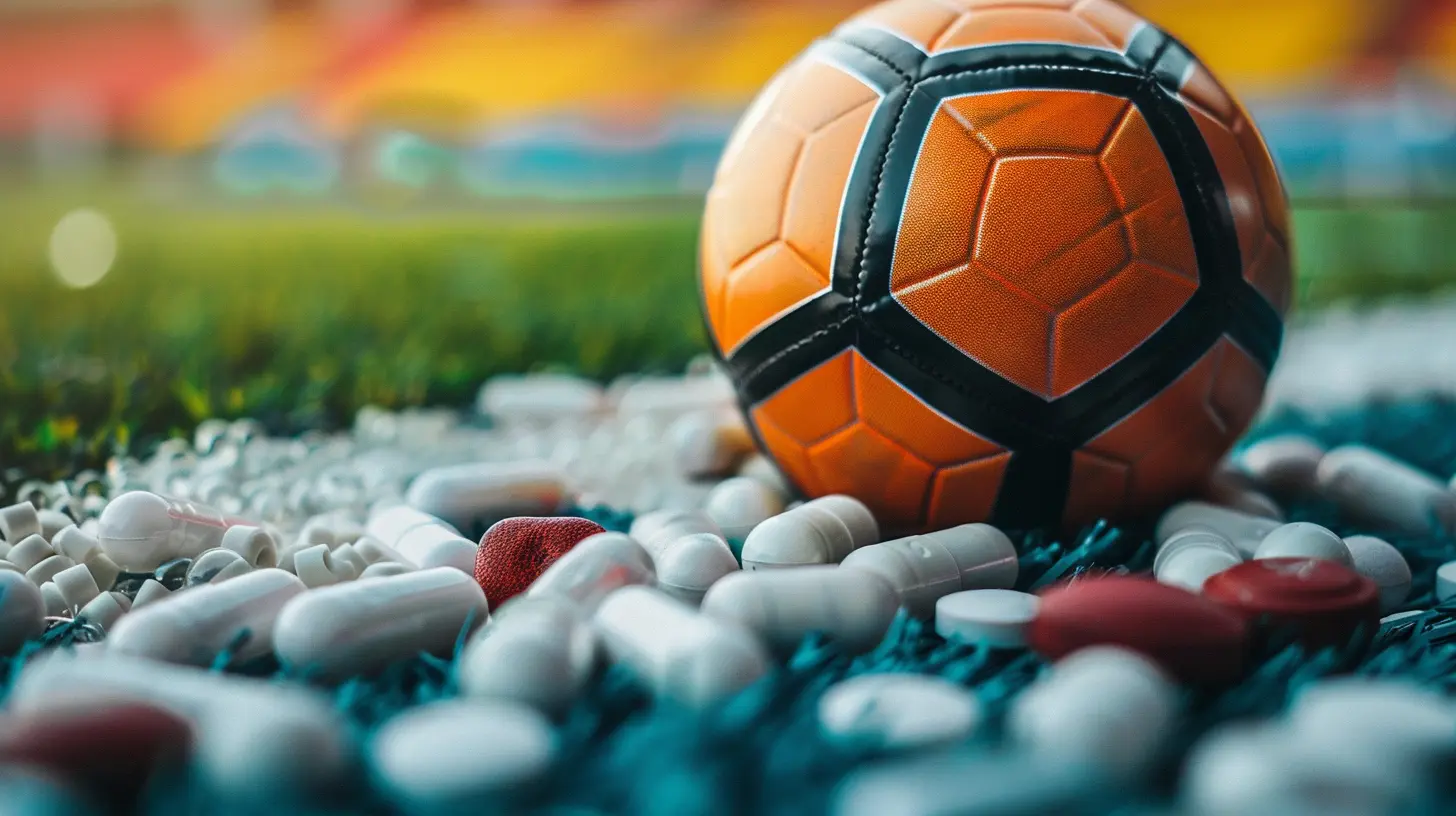
Doping: A Team Affair or Individual Crime?
This one’s tricky.Sure, doping is an individual choice. No one’s shoving a pill down a player’s throat. But in team sports, the ripple effect is massive. When one player dopes, it doesn’t just give them an unfair edge—it changes the dynamics of the entire team.
Think about it—if your star striker runs faster, jumps higher, and recovers quicker, everyone benefits. Goals are scored, matches are won, trophies are lifted. But it’s all built on a lie.
So, is the team complicit? Sometimes. Coaches may turn a blind eye. Teammates might suspect and stay silent. It creates a toxic culture where winning overshadows integrity.
The Psychological Fallout
Let’s talk about the locker room—the heart of any team.Trust is everything in team sports. You’ve got to believe that the person next to you has your back, that you’re grinding it out together, fair and square. When one player dopes, that bond shatters.
Teammates might start second-guessing each other. Suspicion creeps in. Unity fades. And once that psychological glue dissolves, it’s hard—really hard—to put the pieces back together.
Even worse? Clean players feel the pressure to keep up. It’s like being in a footrace where one runner’s on a motorbike. Eventually, some start wondering, "Should I cheat too just to level the playing field?"
The Domino Effect on Careers
A doping scandal doesn't just ruin one career—it can tank the legacy of an entire team.Remember those teams stripped of titles after a doping revelation? Championships vacated. Medals returned. Records wiped clean. Years of sweat and sacrifice gone in a flash.
Sponsors pull out. Fans turn away. Media goes into a frenzy. And young athletes watching from the sidelines? They get the worst lesson: that cheating can be part of the game.
It’s heartbreaking.
Real-Life Shockwaves
Let’s be real here—this isn’t just theory. There have been plenty of jaw-dropping moments in sports history where doping rocked whole teams.Take cycling for instance. Lance Armstrong’s doping scandal didn’t just end his career; it burned an entire era of the U.S. Postal Service team. People started questioning every teammate, every performance, every race. It cast a long, dark shadow over the sport.
Or look at Russian athletics. The state-sponsored doping program didn’t just affect Olympic track and field—it led to entire national teams getting banned from global events. Innocent athletes suffered. Trust in international competition took a beating.
These aren’t isolated incidents. They are cautionary tales.
Fans: The Forgotten Victims
Yup, fans get hurt too.We invest emotionally in our teams. We wear their jerseys, chant their names, cry when they lose, and scream when they win. When doping scandals hit, fans feel betrayed on a deeply personal level.
The connection becomes disillusioned. Trust is broken. We second-guess every win. Was it real? Was it earned?
It’s like finding out your favorite band lip-synched their entire album. The magic? Gone.
Fighting Back: What Sports Are Doing
The good news? The war against doping isn’t being waved off.More robust testing protocols, out-of-competition screenings, and biological passports have upped the game. Organizations like WADA and USADA are constantly updating banned substance lists to stay ahead of the curve.
Teams now attend workshops on ethics and anti-doping education. Some leagues even enforce mandatory anti-doping clauses in contracts.
Technology is helping too. From AI to advanced analytics, the net is tightening around cheaters.
Is it perfect? Nope. But it’s progress.
The Role of Coaches and Management
Let’s not sugarcoat it—coaches play a huge role here.Good coaches build athletes up the right way. Great coaching isn’t just about drills and strategies—it’s about shaping character and instilling values. When that guidance is missing, athletes are more likely to chase shortcuts.
Management, too, must foster a culture of transparency. Open communication, regular testing, and a zero-tolerance doping policy aren’t just corporate checkboxes—they’re essential.
If leaders turn a blind eye, they’re not just complicit—they’re part of the problem.
The Road to Redemption
So what happens after a doping scandal? Is it game over?Not always.
Some athletes come clean, serve their bans, and return stronger—mentally and morally. It’s a tough road, but redemption is possible. And when it happens, it sends a powerful message: integrity can be restored.
But make no mistake—redemption is earned, not given. It takes honesty, remorse, and a serious commitment to change.
The Bigger Picture
Let’s zoom out for a second. Why does doping hit so hard in team sports compared to individual ones?Because team sports are built on unity. They're a dance, a rhythm, a symphony where every player is an instrument. When one plays out of tune with synthetic help, the entire melody falls apart.
And that’s the true tragedy of doping.
It doesn’t just skew stats or break rules—it corrupts the essence of collaboration, of grit, of pushing through together as one.
What We Can Do as Fans
You’re not powerless in all this. In fact, fans have more influence than they realize.Support teams with strong ethical reputations. Raise your voice when scandals hit. Demand accountability. Celebrate clean athletes, even if they finish second.
Because when we stop glorifying wins at any cost, we shift the narrative. We send a clear message: doing it the right way matters more than doing it the fast way.
Final Whistle
Doping in team sports isn't just a blemish—it’s a bruise that spreads. From locker rooms to boardrooms, from teammates to fans, the impact is deep and wide.But every dark cloud can break into light. With stronger rules, better education, vocal fans, and courageous athletes, team sports can reclaim their soul.
Let’s cheer not just for victories, but for the values that make those victories meaningful.
Let’s honor the grind, the sweat, the late-night practices, and the early-morning sprints.
Because real greatness? It doesn’t come in a bottle—it comes from the heart.
all images in this post were generated using AI tools
Category:
DopingAuthor:

Ruben McCloud
Discussion
rate this article
2 comments
Indigo Bowers
Doping undermines fair competition, but education and prevention are key for improvement.
January 21, 2026 at 11:39 AM
Ruben McCloud
Thank you for your insightful comment! Education and prevention are indeed crucial to fostering a fair competitive environment in sports.
Mindy Carr
Sure, doping can boost performance, but let's be real: when your team wins thanks to a needle, it's not glory—it's just a fancy way of cheating. #NoThanks
December 8, 2025 at 1:16 PM
Ruben McCloud
I appreciate your perspective! Doping undermines the spirit of fair competition, and true glory comes from hard work and dedication.