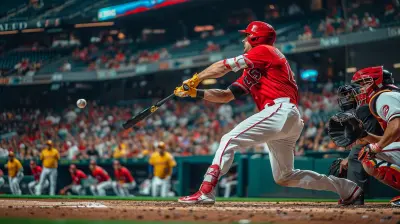
The Impact of International Players on Contract Negotiations
10 July 2026
Let’s talk about something that’s quietly shaking up locker rooms, front offices, and negotiation tables in pro sports: international players and how they’re changing the contract game. Whether it’s the slick-footed soccer phenom from Brazil, the towering NBA center from Serbia, or the power-hitting baseball star from Japan—international athletes aren’t just here to play. They’re here to shift the whole business model.
Gone are the days when the only factors in contract talks were stats, age, and experience. Now? National pride, global fan bases, cross-border brand deals, and even visa restrictions are part of the negotiations. Yeah, it’s evolved into something far more dramatic than your average game of hardball between a player’s agent and a team GM.
So, grab a drink, prop your feet up, and let’s dive into the world of international players and how they’re making agents and team executives sweat a little extra during those contract negotiations.
Global Talent, Global Value
Here’s the deal: international players aren’t just bringing skill—they’re bringing markets. When a team signs a player from a country with a passionate sports culture, they're not just signing talent, they’re unlocking a whole new fanbase.Take Shohei Ohtani, for example. The Japanese superstar didn't just boost ticket sales for the Angels—he increased their merchandise sales globally and gave them prime-time exposure in a new time zone. That kind of reach is gold for sponsors.
And guess what? That global pull becomes a bargaining chip in contract negotiations.
Player’s Agent: "My client isn’t just your next outfielder. He’s your ticket to millions of fans in Asia."
Team Exec: sweats profusely
See what I mean?
Currency Conversion: The Financial Twist
Let’s talk real money. International players often have unique financial leverage because of global currency exchanges. A euro earned in the U.S. might be worth more back home depending on the exchange rate. Why does that matter?Well, in some countries, taxes on foreign income are different. Players may push for certain bonuses or guarantees that align better with their financial reality. Or maybe they request payment structures that ensure their earnings don’t get gobbled up by double taxation.
And teams? They’ve got to be flexible, savvy, and sometimes even a little creative to make the math work for both sides.
Cultural Considerations: More Than Just Language Barriers
Alright, let’s get real here. Signing an international player isn’t just about a new jersey name—it’s a full cultural onboarding.That means a whole bunch of off-field stuff can play into contracts:
- Language support services (yep, interpreters cost money).
- Housing help for the player and sometimes their whole family.
- Requests for culturally familiar food or routines.
- Travel allowances for family visits back home.
These things come up during negotiations, and teams that want top-tier international talent usually gotta check more than a few extra boxes.
Visa Issues and Legal Loops
Here’s something a lot of fans don’t see: immigration paperwork. When a team wants to sign an international player, they’re not just negotiating with the player—they're indirectly dealing with immigration laws.Contracts often include clauses contingent on work visas being approved (or renewed). And in some cases, a delay in paperwork can delay a signing—or worse, void it altogether.
Legal teams get involved. Immigration experts step in. And the negotiation clock keeps ticking.
International player deals? They’ve got more paperwork than a wedding in Vegas.
National Pride, Olympic Dreams, and Playing Time Demands
Some international players come with more than a dream—they come with a country behind them.And that’s something teams can’t ignore during negotiation season.
Players might want:
- Clauses that let them participate in international tournaments like the Olympics or World Cup.
- Guaranteed release clauses during off-seasons for national team duty.
- Extra rehab or recovery time post-tournaments.
And let’s face it, they’ve earned that right. Teams don't want to look like the villains stopping a player from representing their country. So, these “non-negotiable negotiables” get slipped into contracts.
Branding Opportunities and Marketing Magic
Here’s a spicy one: sometimes a player’s value off the field is just as big as on it.When an international athlete walks into a league with a built-in fanbase and celebrity status back home, they bring marketing gold. Think of Yao Ming’s impact on the NBA in China. That wasn’t just sports—it was a full-on global marketing storm.
So during negotiations, players (and their agents) don’t forget to bring that up. They want a slice of merchandising revenue, control over their image rights, and maybe even some say in global sponsorship deals.
Suddenly, a straightforward player contract turns into a mini business merger.
Time Zones and TV Deals
Ever wonder why some games seem oddly timed? It’s not just your imagination—it’s strategic. When there’s a major international player on the roster, teams might actually adjust game start times to cater to fans watching from the other side of the world.This matters during contract talks too. Players and teams discuss exposure, prime-time games overseas, and TV revenue-sharing models. Some leagues even negotiate broadcast rights for specific countries based on player signings.
So yeah, one player from Europe might just dictate your Sunday morning sports schedule.
The Rise of International Agents and Agencies
With international players becoming a bigger part of every league, the role of overseas agents has exploded. It’s not just Scott Boras or Rich Paul anymore—there are powerful global reps representing top-tier talent.These agents know their player’s value on a global scale, and they push it hard in negotiations. Plus, they’re seasoned in navigating tricky team policies, foreign politics, and sponsorships galore.
They’re not just playing checkers—they’re playing four-dimensional chess with contract clauses and bonus incentives.
Competition Among Leagues = Better Deals
Here’s one more spicy aspect—international players often have options. And I’m not just talking about choosing between teams in the same league.They might choose:
- MLB vs. Japan’s NPB
- NBA vs. EuroLeague
- NFL vs. CFL (or even Rugby, believe it or not)
This multi-league option creates leverage. If a team in the U.S. lowballs a player, that player might just head to another league where the money’s right, their playing time's guaranteed, and their cultural needs are respected.
This kind of competition forces leagues to step up their offers—whether that’s through base salary, perks, or long-term support.
The Domino Effect: How One Star Changes the Game
Let’s wrap this up with a little sports butterfly effect.When one international player strikes gold with a big contract, it sets a new benchmark. Suddenly, every player from that region is using that contract as ammo.
“Hey, if he’s worth $30 million a year, then I’m at least worth $20M!”
It starts with one deal… and spirals into a new pricing standard.
Final Thoughts: It's Not Just Numbers—It's Global Business
Contract negotiations in sports used to be a behind-the-scenes tango between agents and teams. Now? It’s a full-blown, internationally televised poker match with millions (and sometimes billions) on the line.International players have injected new life—and complexity—into the system. They’ve pushed leagues to think big, embrace diversity, and innovate in ways we never imagined. And frankly, it makes following the business side of sports way more interesting.
Next time you hear about a contract negotiation going long or a record-breaking deal, just remember: there’s probably more at play than points and assists—there might be entire continents tuning in.
all images in this post were generated using AI tools
Category:
Sports ContractsAuthor:

Ruben McCloud
Discussion
rate this article
1 comments
Leslie McQuade
International players bring fresh perspectives and talent, transforming the game and influencing contract negotiations. Their presence elevates competition and inspires teams to reach new heights. Exciting times ahead!
July 17, 2026 at 4:13 AM
Ruben McCloud
Absolutely! The infusion of international talent not only shakes up negotiations but also raises the overall standard of play. It's an exciting evolution for the sport.