The Importance of Sportsmanship in a Fiercely Competitive Game
22 February 2026
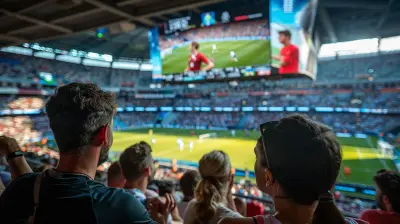
Let’s be honest—sports get intense. Whether it's the final few seconds of a championship basketball game, or a hard-fought tennis match going into a fifth set, adrenaline runs high. We cheer, we yell, we feel every win and loss like it's our own. That passion is what makes sports so gripping. But in the heat of battle, there’s one value we often overlook: sportsmanship.
So why does sportsmanship even matter when the stakes are sky-high and victory is the only thing on the mind? Well, let’s dive into it—because the real heart of sports isn’t just about winning. It’s about how you win, how you lose, and how you carry yourself through it all.
What Is Sportsmanship, Anyway?
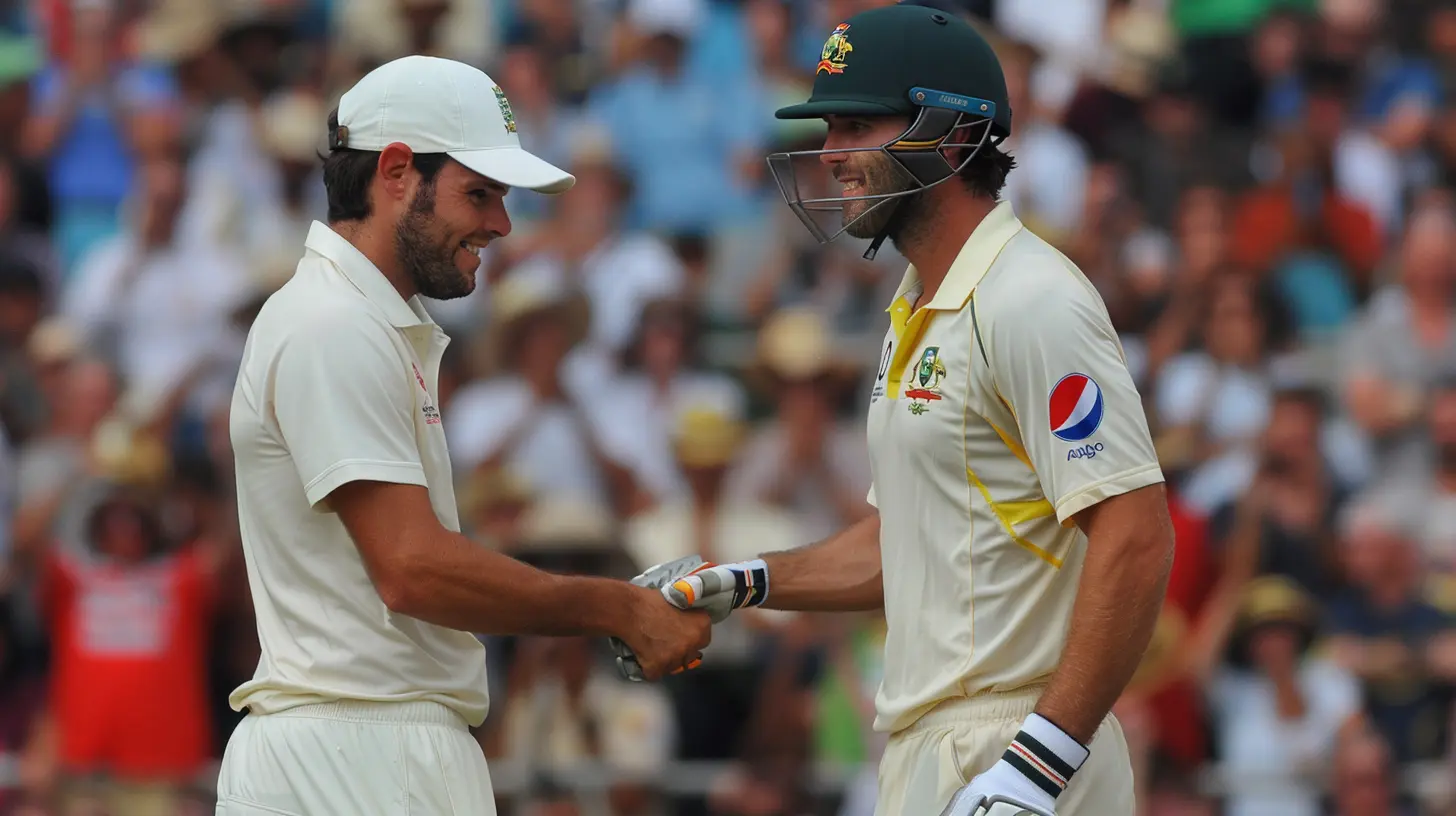
At its core, sportsmanship is about respect—respect for the game, your opponents, the officials, your teammates, and even yourself. It's showing humility in victory and grace in defeat. It's shaking hands after a match, helping an opponent up after a tough fall, and accepting a referee's call without throwing a tantrum.But sportsmanship isn't just a checklist of polite behaviors. It's a mindset—a reminder that, win or lose, the game is bigger than just you.
Why It Matters More When Competition Heats Up
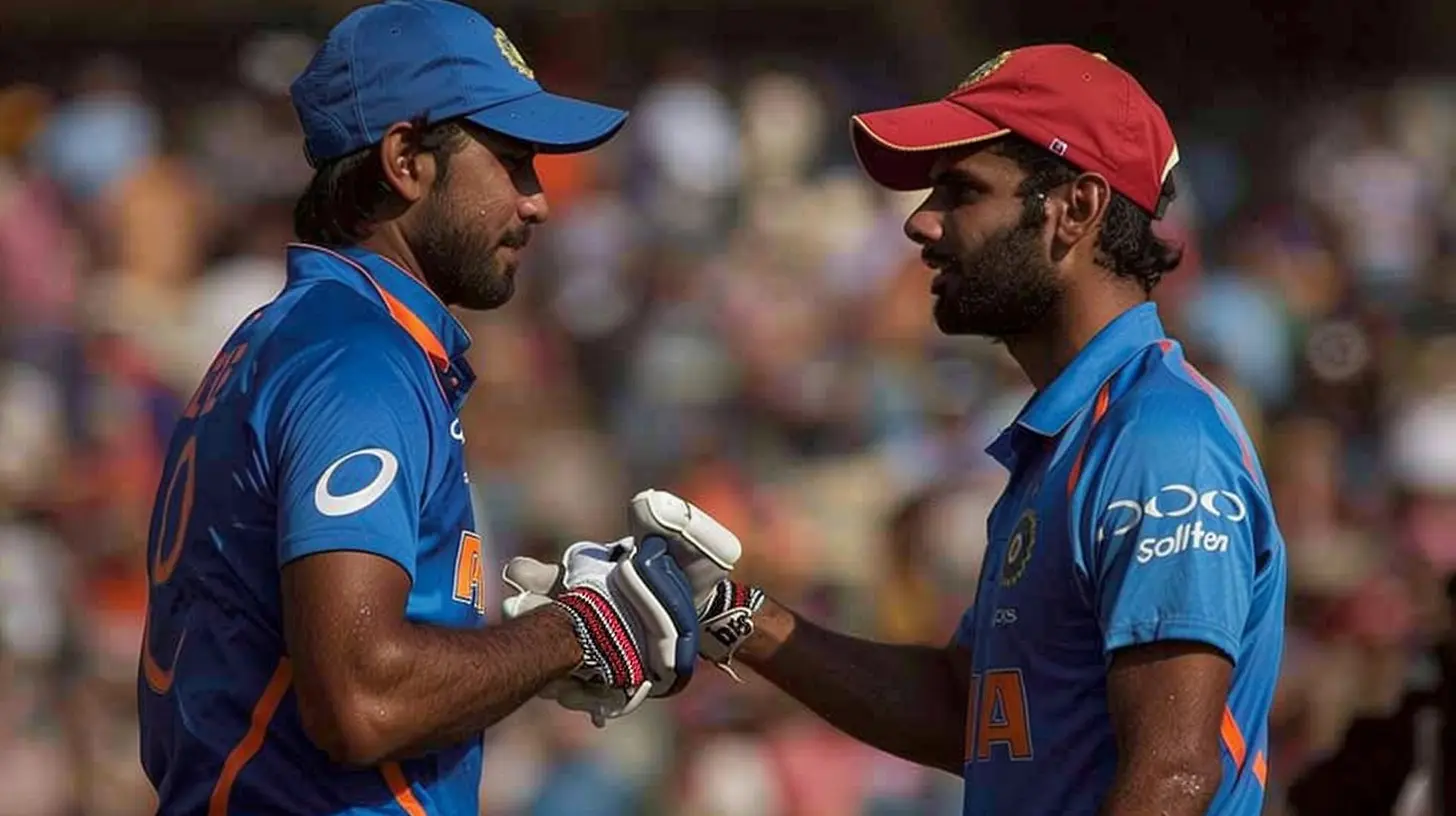
Let’s face it—when things are getting competitive, that’s when sportsmanship often gets shoved to the backseat. But ironically, that’s when it's most important. Here’s why:1. It Keeps the Integrity of the Game Intact
Imagine a soccer match where players are constantly diving, faking injuries, and arguing with the ref. Frustrating, right? It takes the joy right out of watching. Sportsmanship acts like an invisible referee—it keeps the game honest and maintains the spirit that made us fall in love with sports in the first place.2. It Sets the Tone for Younger Generations
Whether we like it or not, athletes are role models. Little kids watching a game pick up more than just how to shoot a ball—they're learning how to act under pressure. When their favorite player throws a tantrum after a loss or gets into a fight, guess what? They think that's okay. By showing good sportsmanship, seasoned athletes can pass on more than just skills—they pass on values.3. It Builds Stronger Teams
Ever noticed how a team that respects each other tends to play better? That’s not a coincidence. Sportsmanship fosters trust, communication, and unity. When players support and uplift each other, even during tough times, that positive energy shows up on the scoreboard.4. It Helps You Handle Pressure Better
Being a good sport doesn’t mean you’re soft. In fact, staying respectful under high-pressure conditions takes incredible mental toughness. It helps athletes stay calm, think clearly, and make smarter decisions when the game is on the line. Kind of like keeping your cool in a storm when everyone else is panicking.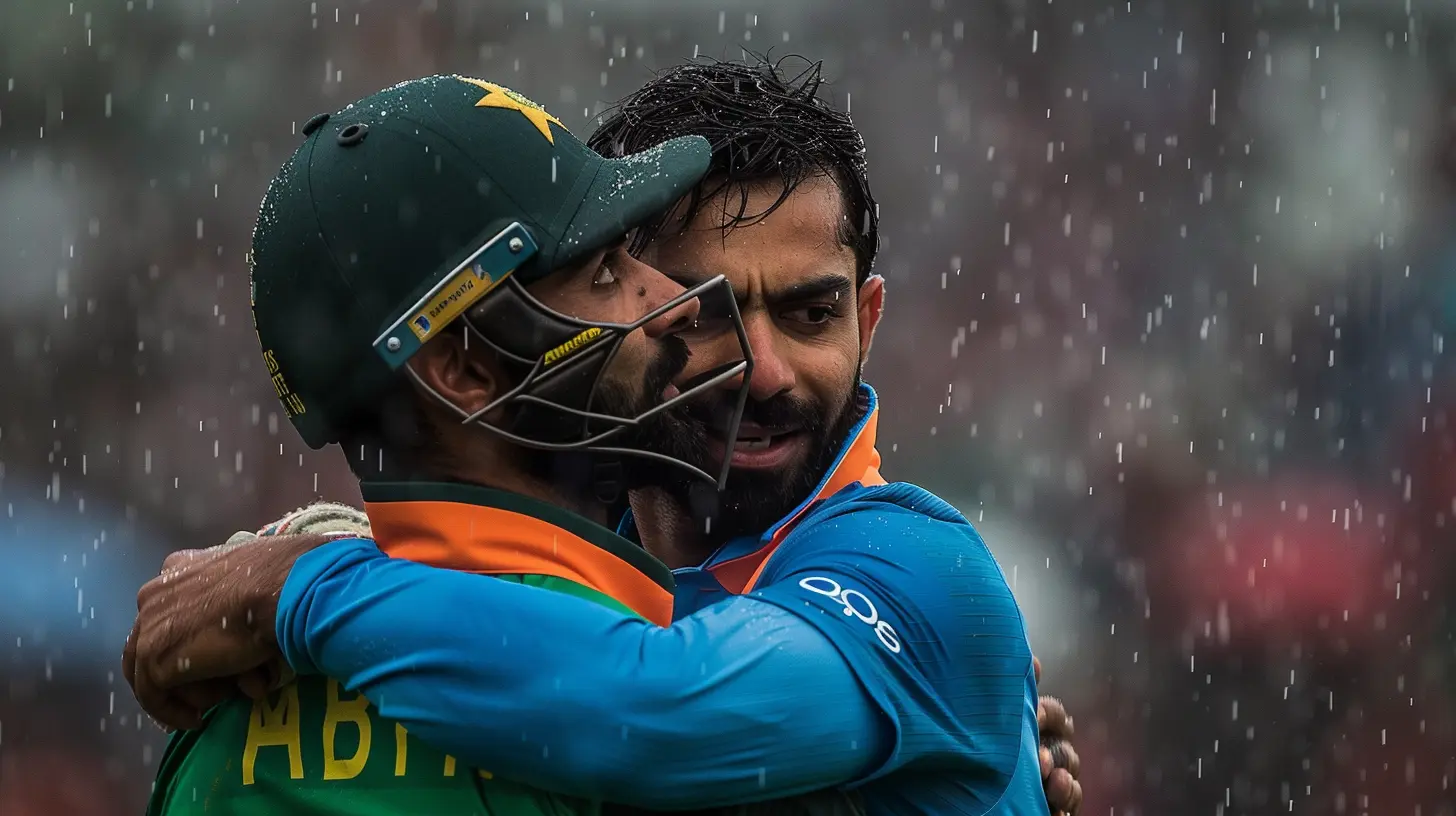
Real-Life Examples That Prove the Point
Still not convinced? Let’s look at some moments where sportsmanship truly stole the spotlight:- Roger Federer & Rafael Nadal: These guys have had some of the fiercest battles in tennis history, yet they’re always respectful to each other—on and off the court. Their friendship shows you can be competitive without being combative.
- Abby Wambach’s 2015 World Cup Speech: After winning the World Cup, instead of soaking in the glory, Wambach thanked her rivals for pushing Team USA to be better. That’s sportsmanship at its finest.
- 2016 Rio Olympics – Nikki Hamblin & Abbey D’Agostino: During a distance race, these two runners collided and fell. Instead of rushing back up, they helped each other finish the race. Neither won, but they won hearts worldwide.
These moments remind us that greatness isn’t just about being the best—it’s about being the best version of ourselves when it counts most.
Common Misconceptions About Sportsmanship
Let’s break some myths. There are a few common misunderstandings about what sportsmanship really is."Sportsmanship Is Only for Kids"
Wrong. Sure, we teach kids sportsmanship early on, but it doesn’t stop there. In fact, adults and professionals need it more. It’s easier to be respectful when there’s nothing on the line. Real sportsmanship shows up when there’s pressure, pride, and paychecks at stake."Being Aggressive Means You Can’t Be a Good Sport"
Not true. You can play rough, play hard, and still play fair. Being aggressive and being disrespectful are not the same thing. Great competitors know how to channel intensity without crossing the line."If You Lose, You Don’t Deserve Respect"
Losing stings. But it doesn’t mean you're less worthy. Some of the most respected athletes are the ones who handled defeat with class. Ever watched someone lose but still applaud their opponent or thank the fans? That’s power.How to Practice Sportsmanship in Competitive Situations
We get it—it’s easy to talk about sportsmanship when you're not in the middle of crunch time. But what about when you’re sweating, your heart’s pounding, and the game’s on the line?Here are some real strategies that help athletes keep their cool and stay respectful even when tensions rise:
1. Reframe the Rivalry
Instead of seeing your opponent as the enemy, look at them as the reason you get to test your limits. They're making you better. That’s something to be grateful for.2. Pause Before Reacting
That bad call? That trash talk? That cheap foul? Your natural instinct might be to fire back. Instead, take a deep breath. Count to three. Responding instead of reacting makes a huge difference—not just in how others view you, but how you feel afterward.3. Lead by Example
Whether you’re the team captain or a rookie, your behavior matters. Others will follow your lead. When you show sportsmanship consistently, it spreads like wildfire.4. Celebrate with Respect
We all love a good celebration, but do it with class. Rub it in too hard, and you could end up starting a feud rather than earning respect. Be confident, but not cocky.5. Don’t Shy Away from Apologies
Did you lose your temper? Say something you regret? It happens to the best of us. What separates the good from the great is the ability to own it and move on.
How Sportsmanship Benefits You Beyond the Game
Let’s zoom out for a second. Sportsmanship isn’t just about being the “nice guy" on the field. It actually offers long-term benefits that go way beyond the final whistle.- Builds Character: Every act of sportsmanship strengthens traits like self-control, empathy, and integrity—things that make you a better person in everyday life.
- Makes You More Marketable: Coaches, recruiters, and sponsors notice how you behave, not just how you perform. Nobody wants a loose cannon on their team.
- Leads to Lifelong Relationships: Respect and kindness form the basis of friendships—even among rivals. Years later, it's those relationships that stay with you, not your stats.
- Boosts Mental Resilience: Handling wins and losses with poise helps build emotional strength. That kind of resilience will help you face challenges in any area of life.
What Coaches and Parents Can Do
Sportsmanship starts at home—and in the locker room. Coaches and parents have a massive influence on how athletes approach the game.- Model the Behavior: Kids and players mirror what they see. If you're yelling at refs or slamming gear after a loss, don’t be surprised when they do it too.
- Praise Attitude, Not Just Performance: Celebrate effort, teamwork, and composure—not just the scoreboard. This shifts the focus from external results to internal growth.
- Create a Culture of Respect: Set clear expectations for behavior. Make sportsmanship part of the team’s identity, right alongside hard work and discipline.
- Tell the Stories That Matter: Share examples of athletes who showed incredible sportsmanship. Stories stick, and they inspire behavior.
Final Thoughts: Winning Isn't Everything
Yes, competition is exciting. Yes, we all want to win. But at the end of the day, the trophies will gather dust, and the medals will lose their shine. What lasts is how we treated others, the lessons we took from the game, and the kind of example we set.Sportsmanship doesn’t make you weak. It doesn’t make you soft. It makes you human. And in a world that’s increasingly obsessed with “me-first” mentalities, showing respect, humility, and integrity is a radical act.
So the next time you hit the field, the court, or the arena, remember: Being a great athlete isn't just about stats. It’s about character. And nothing shows character like good old-fashioned sportsmanship.
all images in this post were generated using AI tools
Category:
CricketAuthor:

Ruben McCloud
Discussion
rate this article
2 comments
Troy Ruiz
Win with grace, lose hilariously!
March 26, 2026 at 1:46 PM
Ruben McCloud
Absolutely! Balancing grace in victory and humor in defeat embodies true sportsmanship.
Iris McLean
Sportsmanship is the backbone of true competition. While fierce rivalry fuels passion, it’s respect and integrity that define greatness. Upholding these values not only honors the game but also sets an example for future generations. Let’s celebrate athletic excellence alongside character—both are essential for a healthy sports culture.
February 24, 2026 at 4:14 AM
Ruben McCloud
Absolutely! Sportsmanship is vital for fostering respect and integrity in competition, and it shapes future generations of athletes. Celebrating both skill and character enriches the sports culture.