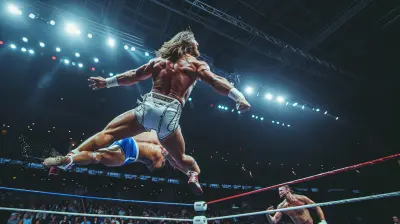
The Push for 2027 Glory: Championship Chasers Speak
20 September 2026
The 2027 championship cycle is not a distant horizon anymore. For teams, athletes, and federations across the sporting world, it is the organizing principle of daily work. Training loads, recruitment decisions, sponsorship pitches, and even facility upgrades are being shaped by a single question: what will it take to be ready when it matters most?
That question sounds simple. The answers are not. Championship preparation is a maze of trade-offs, and the people chasing 2027 glory are living inside that maze right now. Their perspectives reveal how elite programs actually build toward a target, and why so many promising efforts collapse in the final stretch.
This article goes beyond schedules and roster lists. It examines how championship chasers think, plan, and adapt, drawing on patterns that recur across sports. Whether you run a program, coach a squad, or simply want to understand what separates contenders from spectators, the mechanics of a multi-year push deserve close attention.

Why 2027 Is a Different Kind of Target
Every championship cycle has its own personality, shaped by calendar, rules, and competitive context. The 2027 push carries particular weight for several reasons.First, it sits at the end of a long runway. Many sports have completed a major cycle recently, which means programs have had time to rebuild, experiment, and absorb lessons. That runway is both a gift and a trap. Time allows development. Time also allows complacency, and it lets rivals quietly close gaps while everyone assumes there is still plenty of room to maneuver.
Second, the 2027 window overlaps with a wave of generational turnover in many sports. Athletes who anchored the previous cycle are aging out or transitioning, while a new cohort is emerging. Managing that handover is one of the hardest jobs in sport, because it requires balancing loyalty with performance and experience with upside.
Third, the economics of the cycle matter. Sponsors and governing bodies tend to commit resources in multi-year blocks aligned to championships. A 2027 target gives decision-makers a natural planning frame, but it also concentrates pressure. Budgets that look generous in year one can feel tight by year three, especially if results lag expectations.
Understanding these dynamics is the foundation. Championship chasers who ignore them tend to build plans that look good on paper and fall apart under contact with reality.

What Championship Chasers Actually Say
Talk to people inside serious programs and you hear a consistent theme: the championship itself is rarely the hardest part. The hardest part is the three years before it.A performance director at a national program put it plainly: "We do not prepare for a single week. We prepare for a version of ourselves that can survive that week." That distinction matters. Teams do not just need to be good. They need to be robust, adaptable, and capable of performing when conditions are imperfect.
Coaches describe a recurring tension between two instincts. One is to specialize early, pouring resources into the exact demands of the championship. The other is to build broad capacity first and sharpen later. Both approaches have merit, and the right balance depends on the sport, the athlete, and the depth of the talent pool.
Athletes, meanwhile, talk about the psychological weight of a long build. A target three years out can feel abstract. It is easy to drift, to treat each season as its own project, and to lose the thread that connects daily work to the eventual goal. The programs that succeed tend to make the distant target feel immediate through frequent checkpoints and honest feedback.

The Architecture of a Championship Build
A credible push toward 2027 rests on a structure, not a slogan. That structure typically includes several interlocking layers.Setting the Performance Standard
Before anyone trains, someone has to define what winning will require. This is not guesswork, but it is also not exact. The best programs build a performance model: an estimate of the physical, technical, tactical, and psychological demands of the championship, based on historical data and competitive trends.The model is a hypothesis, not a prophecy. It gets refined as new information arrives. What matters is that it exists, because it gives every decision a reference point. Without a standard, training becomes a collection of habits rather than a coordinated effort.
Mapping the Pathway
Once the standard is set, the pathway follows. This is the sequence of developmental stages, competitions, and checkpoints that will carry the team from where it is now to where it needs to be. A good pathway includes:- Clear milestones for each season, not just the final year
- Progressive increases in competitive difficulty
- Deliberate exposure to the conditions expected at the championship
- Regular assessment points that trigger adjustment rather than panic
The pathway is where most programs either gain traction or lose it. Vague plans produce vague progress.
Resource Alignment
Talent alone does not win championships. Resources do, when they are aligned. That means coaching, sports science, medical support, facilities, and logistics all pointed at the same target. Misalignment is common and costly. A team might invest heavily in strength while neglecting recovery, or upgrade facilities while underfunding travel and preparation camps.The question to ask is not "are we spending enough?" but "are we spending in the right places, in the right order?"
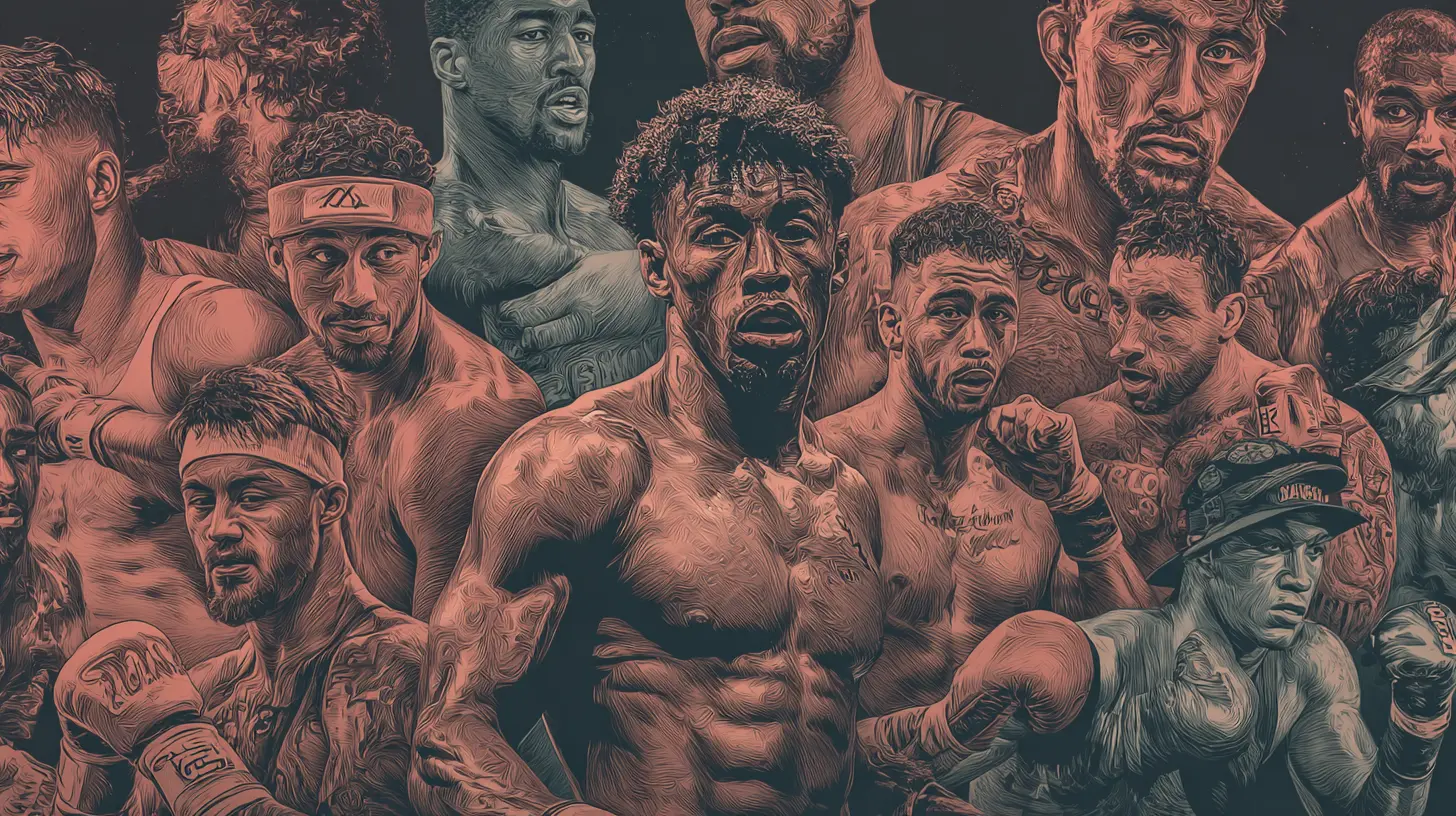
Building the Roster Without Breaking It
Roster construction is where the 2027 push gets personal. Every selection decision creates winners and losers, and the cumulative effect shapes culture.The Case for Continuity
Experienced athletes bring more than performance. They bring knowledge of pressure, routines that hold under stress, and the ability to stabilize younger teammates. Continuity can be a competitive advantage, especially in sports where decision-making under fatigue decides outcomes.The risk is sentimental retention. Keeping a veteran past their peak can block a developing athlete and slow the team's evolution. The best programs handle this with honest, early conversations rather than last-minute cuts.
The Case for Renewal
Injecting young talent early accelerates development and builds depth. Athletes who experience high-level competition before the championship are less likely to be overwhelmed when it arrives. Renewal also signals that selection is earned, not inherited, which tends to raise standards across the group.The risk here is throwing young athletes into situations they are not ready for, which can damage confidence and delay progress. The solution is graduated exposure, not abrupt immersion.
The Blend That Works
Most successful programs blend continuity and renewal deliberately. They identify a core of proven performers, then create genuine competition for the remaining places. Crucially, they communicate the logic behind selections. Athletes can accept hard decisions. They struggle with decisions that feel arbitrary.Training Loads, Timing, and the Peaking Problem
Peaking is one of the most misunderstood concepts in championship sport. It is not about being freshest on the day. It is about arriving at the championship with the right combination of fitness, sharpness, and recovery.Why Early Specialization Backfires
Programs that spend three years training only for the championship often arrive stale. Monotony erodes motivation, and narrow preparation leaves athletes unprepared for the unexpected. Variety in training and competition builds resilience.Why Late Preparation Fails Too
The opposite mistake is treating the championship as just another event. Athletes who have not rehearsed the specific demands of the occasion, whether that is a multi-round format, a hostile crowd, or a demanding schedule, tend to underperform relative to their ability.The Practical Middle
The workable approach is periodized but flexible. Early years build broad capacity. Middle years sharpen sport-specific qualities and test them in competition. The final year narrows focus, reduces volume, and prioritizes quality and recovery. Within that frame, coaches build in contingency. Injury, illness, and form fluctuations are normal, not exceptional.
The Mental Side Nobody Wants to Discuss
Physical preparation is visible. Psychological preparation is not, which is why it often gets neglected until problems appear.Championship chasers consistently report that the biggest obstacles are internal: doubt, distraction, fatigue, and the slow erosion of motivation across a long build. Programs that address this directly tend to outperform those that treat mindset as a byproduct of fitness.
Useful practices include:
- Regular psychological skills training, not just crisis intervention
- Simulation of high-pressure scenarios in training
- Clear routines for competition day that reduce decision fatigue
- Honest debriefs that separate outcome from process
The goal is not to eliminate pressure. It is to make pressure familiar.
Lessons From Programs That Got It Wrong
Failure is instructive. Across sports, several patterns recur among programs that fall short of their championship ambitions.Overplanning. Detailed plans create an illusion of control. When reality diverges, rigid programs struggle to adapt. The best plans include decision rules for changing course.
Underinvesting in depth. A single injury can derail a campaign if the drop-off to the next athlete is steep. Depth is expensive, but it is also insurance.
Ignoring the environment. Championships are won in specific conditions: altitude, heat, travel, scheduling. Programs that do not rehearse these conditions often arrive unprepared.
Chasing short-term results. Winning minor events can feel good, but if it comes at the cost of long-term development, it is a bad trade. The championship is the priority, and every result before it is information, not validation.
Comparisons: Two Viable Paths
There is no single correct model for a 2027 push. Two broad approaches dominate, and each has trade-offs.The Centralized Model
In this approach, a national body or franchise controls most of the preparation. Athletes train together, share support staff, and follow a unified plan.Advantages include consistency, efficient use of resources, and strong team cohesion. Disadvantages include reduced flexibility for individual athletes and the risk that a single flawed philosophy affects everyone.
The Distributed Model
Here, athletes train in their own environments with their own coaches, and the central body coordinates rather than controls.Advantages include individualized preparation and resilience to local conditions. Disadvantages include inconsistent standards, communication challenges, and difficulty building team chemistry.
Most successful programs operate a hybrid. They centralize the standard and the key preparation camps, while allowing individual flexibility within clear guardrails.
What Readers Should Consider Before Committing
If you are involved in a championship push, whether as an athlete, coach, or administrator, a few questions deserve honest answers before you commit resources.What is your realistic ceiling? Ambition is valuable, but it must be grounded in an honest assessment of current capability and available support.
Who owns the plan? Shared ownership sounds good, but someone must be accountable for decisions and adjustments.
How will you know if it is working? Define the indicators in advance. Without them, evaluation becomes emotional rather than analytical.
What will you do if it fails? Contingency planning is not pessimism. It is professionalism.
The Final Stretch Mindset
As 2027 approaches, the character of the push changes. Early years reward patience and broad development. The final stretch rewards precision, discipline, and calm.The programs that succeed are rarely the ones that made the boldest promises. They are the ones that built steadily, adapted without drama, and arrived at the championship with a clear identity and the depth to withstand the unexpected.
Championship chasers speak about glory, and rightly so. But listen closely, and you hear something else underneath: the daily grind, the difficult conversations, the quiet adjustments. Glory is the headline. The work is the story.
all images in this post were generated using AI tools
Category:
Athlete InterviewsAuthor:
Ruben McCloud