The Rise of Virtual Motorsports: Competing Without the Track
4 February 2026
Motorsports are burning rubber on a whole new kind of track—well, it’s actually not a track at all. It’s digital. That’s right, we’re talking about virtual motorsports, an industry that's shifted into high gear faster than a Ferrari on the Autobahn. Whether you're a die-hard racing fan or just someone who enjoys gaming, you’ve probably noticed how real racing and virtual racing have started to blur in the coolest way possible.
But how did we get here? Why are top-tier drivers trading steering wheels for simulators? And what’s making virtual motorsports not just a passing trend but a legitimate revolution in the racing world?
Buckle up—let’s break it down.
What Are Virtual Motorsports, Anyway?
Let’s start with the basics. Virtual motorsports, or sim racing, is competitive racing conducted through racing simulators. Not to be confused with arcade games, sim racing is serious business. These simulators are designed to mimic the real driving experience with mind-blowing accuracy. Think ultra-sensitive steering wheels, hydraulic pedals, motion rigs, and even programmable weather conditions.In this digital world, races happen on platforms like iRacing, Assetto Corsa, rFactor, and Gran Turismo Sport, with competitors tuning in from around the globe. The tracks are digital copies of real-world circuits. The cars? Modeled down to the finest detail. The physics? So real you’ll be amazed you're not smelling burning rubber.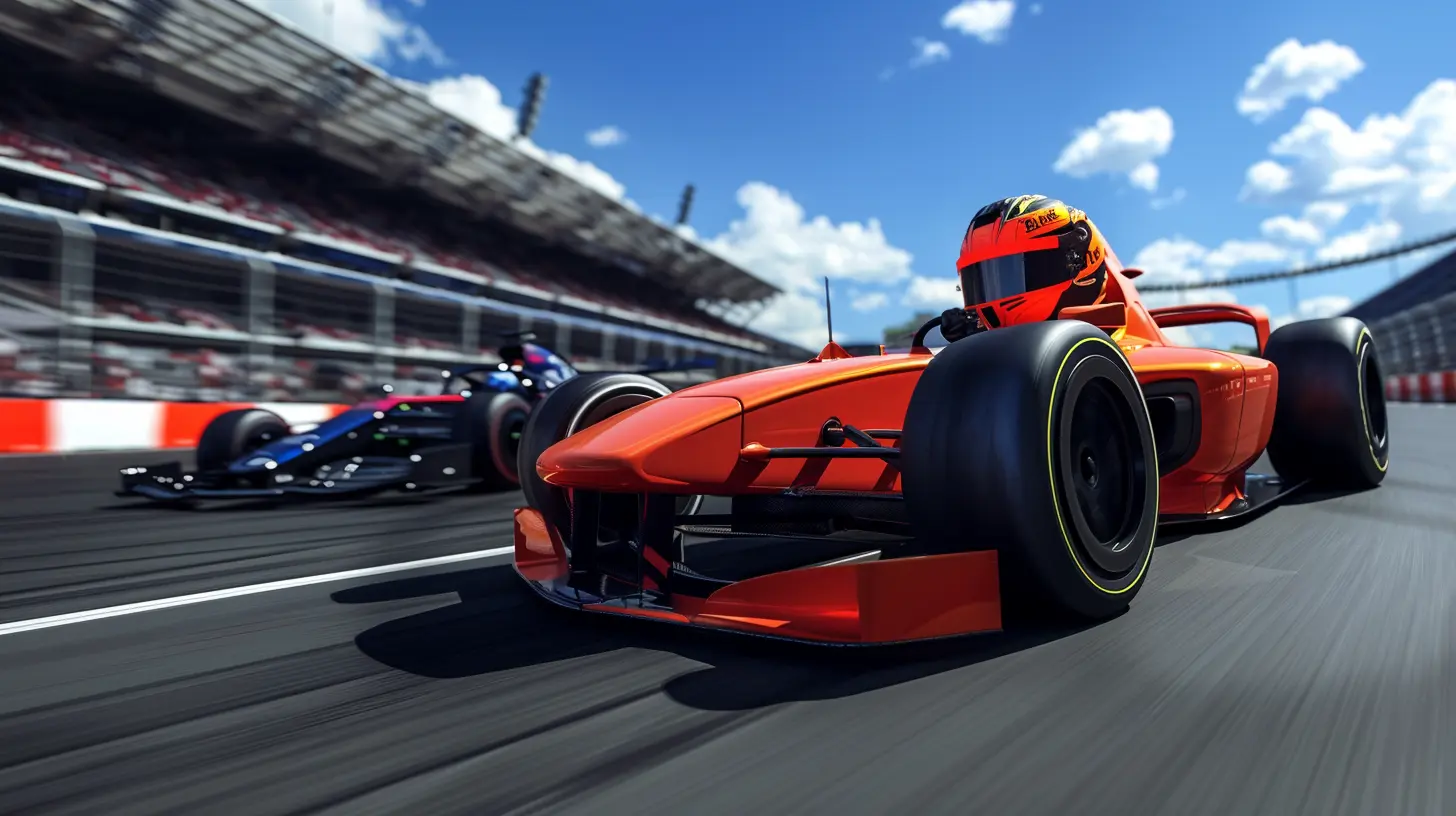
The Shift into High Gear: How Virtual Racing Gained Speed
So, how did a niche community of sim racers evolve into a million-dollar industry with massive audiences?1. The Pandemic Effect
Let’s face it—the COVID-19 pandemic transformed everything, including motorsports. With physical tracks shut down and events canceled, professional drivers and fans were left high and dry. Enter virtual racing. Suddenly, F1 drivers like Charles Leclerc and Lando Norris were livestreaming races from their living rooms. NASCAR launched the eNASCAR iRacing Pro Invitational Series, bringing real-world racers and virtual rigs together.It wasn’t just a backup plan—it was a blockbuster success. TV networks aired virtual races. Fans tuned in by the millions. For the first time, the racing world saw sim racing not as a Plan B, but as a legitimate motorsport in its own right.
2. Technology Caught Up
Let’s be real—racing games used to be more about fun than realism. But now? The simulators are so advanced that teams use them to train actual drivers. The software and hardware combo recreates real-world racing dynamics—traction, tire wear, fuel load, aerodynamics—you name it.We’re talking 4K visuals, frame-perfect input lag, and racing rigs costing more than some used cars. It’s no longer just a game; it’s a science lab for speed demons.
3. Accessibility and Inclusivity
Unlike traditional motorsports, which require enormous budgets, virtual motorsports are way more affordable and accessible. Wanna drive a Formula 1 car? Try doing that in real life without a billionaire’s trust fund. But in sim racing? All you need is a decent PC or console, a wheel setup, and some grit.This low barrier to entry means drivers from all backgrounds can showcase their skill purely on merit, not money. It’s shaking up the gatekeepers and redefining who gets to wear the racing crown.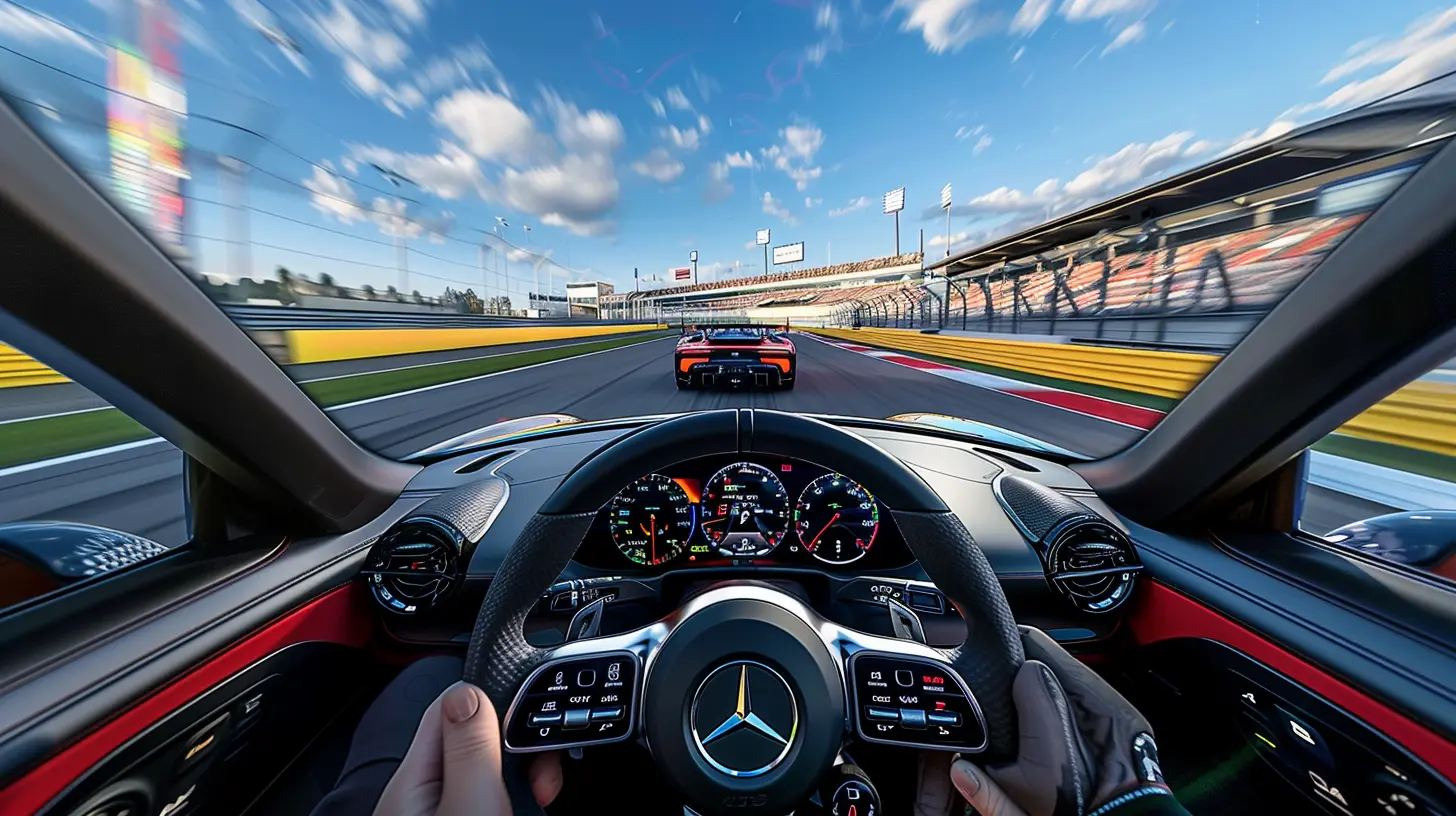
Virtual vs. Real: How Close Are We?
Alright, let’s cut to the chase—how does sim racing stack up against the real deal?Realism in Physics and Feedback
Modern simulators offer shockingly realistic racing physics. Drivers feel every bump, curb, and slipstream. They learn how to manage tire wear, fuel loads, and weather changes. Many professional drivers say sim racing is an essential tool in their training toolkits.In fact, F1’s Max Verstappen spends hours on sim rigs before a race weekend. He claims it keeps his reflexes sharp and helps with track memorization.
The Psychological Challenge
While sim racing avoids the G-forces and physical strain of real-world racing, the mental game is just as intense. Reaction times, strategic thinking, and concentration levels are off the charts, especially during long endurance events like the Virtual 24 Hours of Le Mans.Missing the Human Element?
Of course, there’s something about real-world racing that even the best sim can’t replicate—the smell of fuel, the roar of the crowd, or that gut-punching impact of a crash. Sim racing isn’t about replacing traditional motorsports, but rather expanding its horizons.It's like comparing vinyl and Spotify—both deliver music, but the experience differs.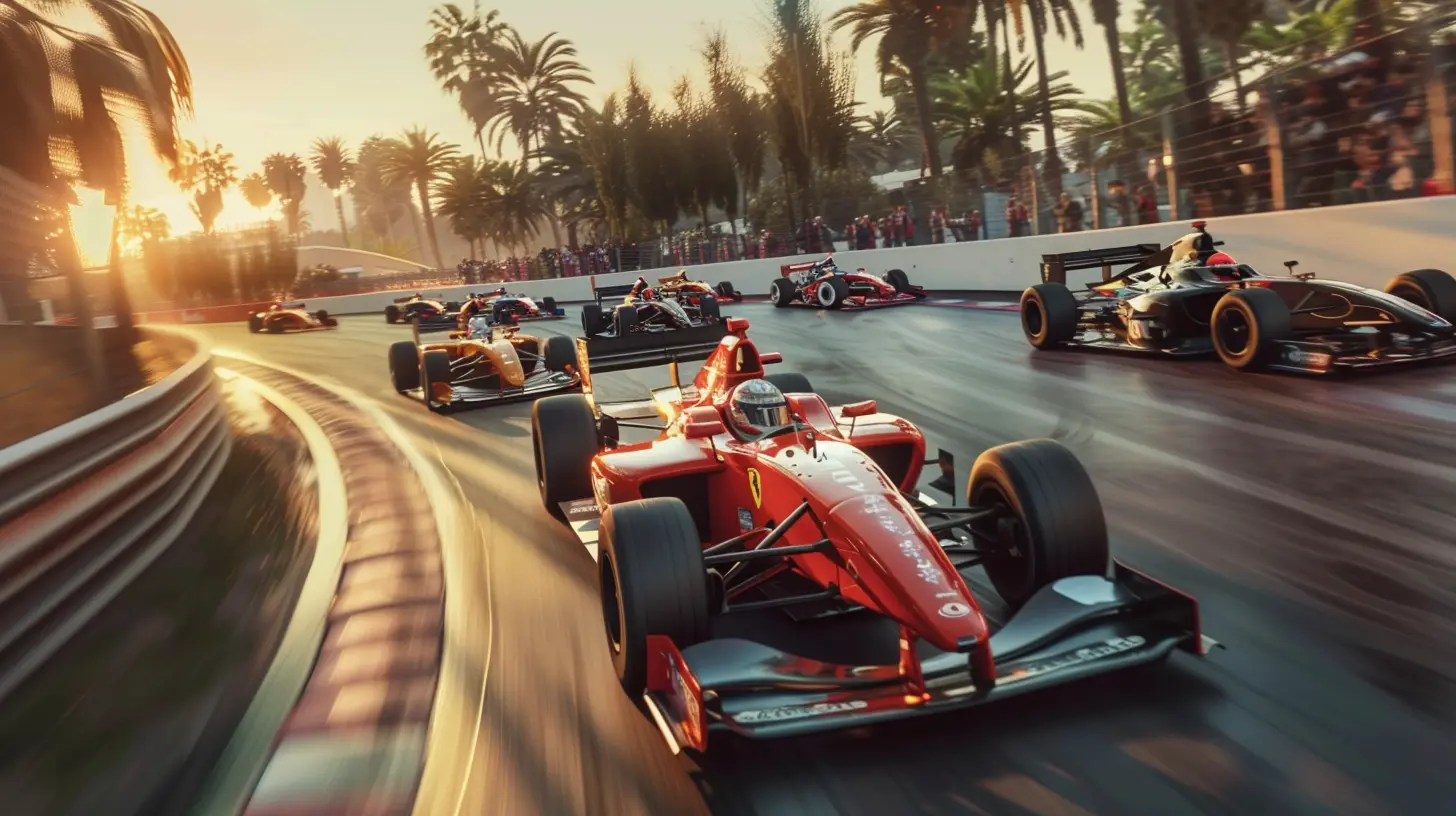
Professional Drivers in the Virtual World
The digital track isn’t just for armchair racers anymore. Top drivers are logging serious hours online—and not just for fun.Drivers like Lando Norris, Max Verstappen, and Dale Earnhardt Jr. are all heavily involved in sim racing. In fact, some professional teams even scout talent from virtual races. Yep, real-world racing opportunities are being handed out to sim racing champions.
Take Jann Mardenborough, for example. He went from racing Gran Turismo in his bedroom to driving professionally in real-world events, including 24 Hours of Le Mans. That’s like going from Guitar Hero to headlining Coachella.
The Rise of Esports Racing Leagues
Virtual motorsports isn't some underground hobby anymore. It’s a legit esports powerhouse.Major Racing Leagues and Events
Organizations like:- FIA-certified Gran Turismo Championships
- F1 Esports Series
- Porsche Esports Supercup
- iRacing World Championship Series
These competitions come with prize pools in the hundreds of thousands, massive online audiences, and real-world sponsorships. Big brands are taking notice—Red Bull, Mercedes, and Logitech are all investing in sim racing.
The lines between gaming and traditional sports aren’t just blurring—they’re overlapping like tire tracks on a tight corner.
The Future of Racing Is Hybrid
Where does this road go from here? That’s the billion-dollar question.We're likely to see a hybrid future—one where virtual racing complements real-world racing. Think of it like flight simulators for pilots. Sim rigs will continue to serve as training tools, and more virtual racers will get real-world chances.
We’re already seeing the emergence of full-time sim racers—athletes who compete entirely in the virtual world but with the prestige, contracts, and fanbases of real-world stars.
And with VR, AI, and 5G tech on the rise, virtual motorsports is about to become even more immersive. Imagine racing in a VR cockpit where every twitch of the wheel feels real. We’re talking Ready Player One levels of insane.
Why You Should Care (Even If You’re Not a Racing Nerd)
Now, if you’ve made it this far and you're thinking, “I’ve never touched a racing game in my life,” here’s why this matters anyway:1. Virtual motorsports democratizes competition. Skill matters more than budget.
2. It’s reshaping how talent is discovered, giving underdogs a real shot.
3. It’s the future of fan engagement. Sim racing opens new doors for interactive experiences.
4. It’s a new career path. You can be a pro racer without setting foot on a real track.
And let’s be honest—racing from your bedroom with people watching across the globe? That’s pretty epic.
Final Thoughts: The Thrill of the (Virtual) Chase
Whether you’re behind the wheel of a million-dollar McLaren or a pixel-perfect replica on a screen, the adrenaline is real. The strategies are real. The rivalries? Also very real.Virtual motorsports aren’t replacing traditional racing—they’re enhancing it, creating a whole new arena where anyone with talent, drive, and a good Wi-Fi connection can compete.
So the next time you see a Twitch stream of a sim race, don’t brush it off. You might just be watching the next big thing in racing.
all images in this post were generated using AI tools
Category:
Virtual SportsAuthor:

Ruben McCloud
Discussion
rate this article
2 comments
Brooke Wilkins
The article brilliantly captures the surge of virtual motorsports, highlighting how technology seamlessly bridges the gap between traditional racing and digital competition. It’s exciting to see how this evolution is redefining the sport and expanding opportunities for aspiring racers worldwide.
March 24, 2026 at 1:55 PM
Ruben McCloud
Thank you! I'm glad you enjoyed the article and see the potential of virtual motorsports in expanding opportunities for racers.
Rose Price
Who needs a racetrack when you have a gaming chair? Virtual motorsports are zooming ahead, proving that speed and fun can happen from your living room!
February 4, 2026 at 4:42 AM
Ruben McCloud
Absolutely! Virtual motorsports bring the thrill of racing right to our homes, making it accessible and exciting for everyone.