The Role of Leadership in Team Sports Success
27 February 2026
So, what separates a group of incredibly talented athletes from a championship-winning team? It’s not just about mad skills, fast feet, or insane hand-eye coordination—nope. What really puts the sparkle on that winner’s cup is leadership. Yup, the L-word. The Role of Leadership in Team Sports Success is massive, and trust me, it’s way more than just wearing the captain’s armband or yelling out plays from the sidelines.
Whether you're hooping on a court, sprinting down the field, or spiking on the sand, one truth remains the same: leaders build legends. Let’s get into the nitty-gritty of how leadership fuels greatness in team sports.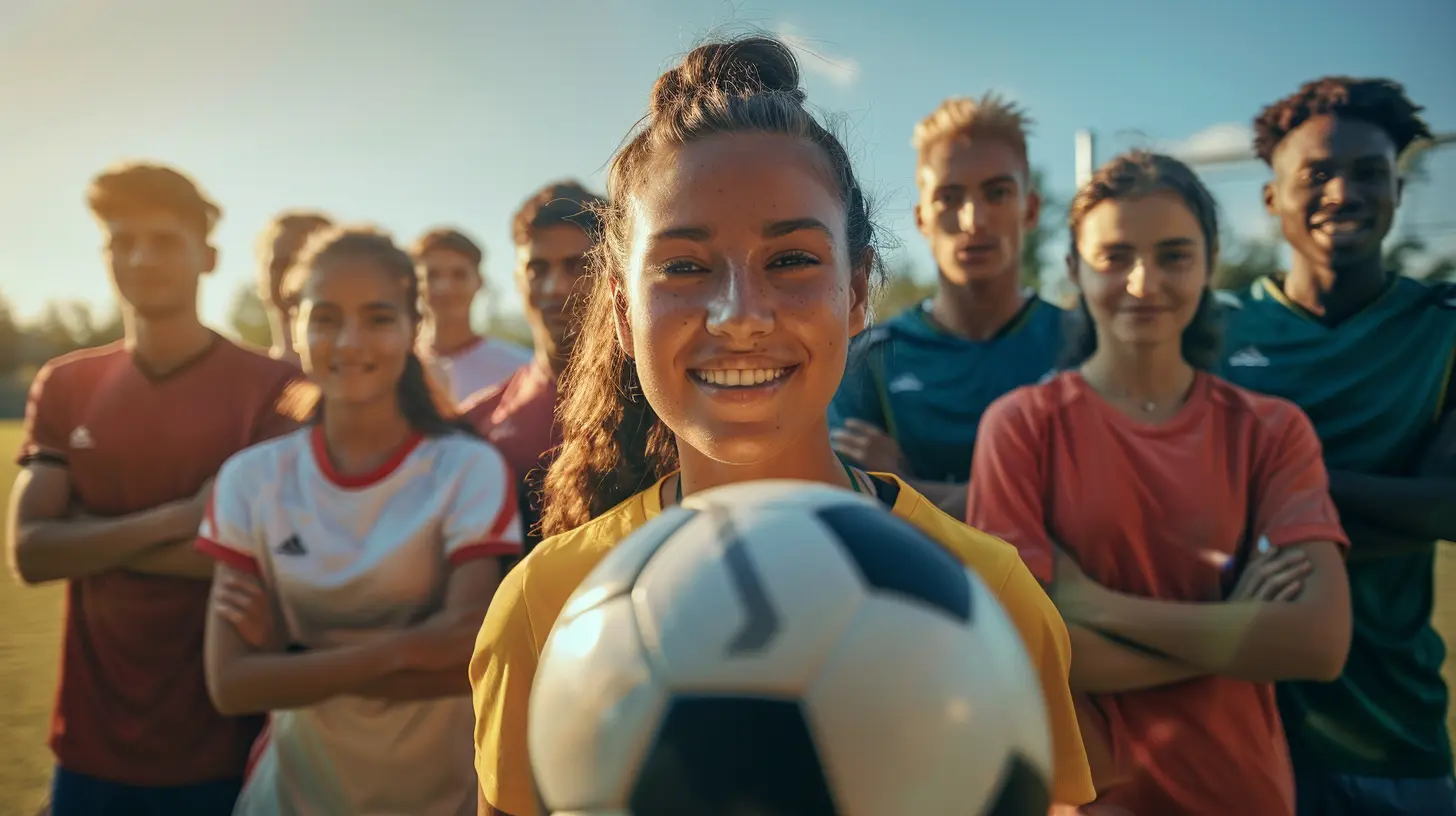
What Is Leadership in Sports, Really?
Let’s clear one thing up: leadership isn't just about giving pep talks and flexing authority. In sports, leadership is about influence, accountability, and inspiration. It’s not about being the loudest in the locker room; it’s about being the one everyone turns to when the game gets tight and hearts start pounding.Leadership in team sports means:
- Keeping the team focused when the score says otherwise.
- Motivating teammates without pointing fingers.
- Being the calm in chaos.
- And sometimes, being the spark in a dull moment.
It’s like being the engine of a high-performance car. You don’t always see what’s humming beneath the hood, but without it, that ride’s not going anywhere.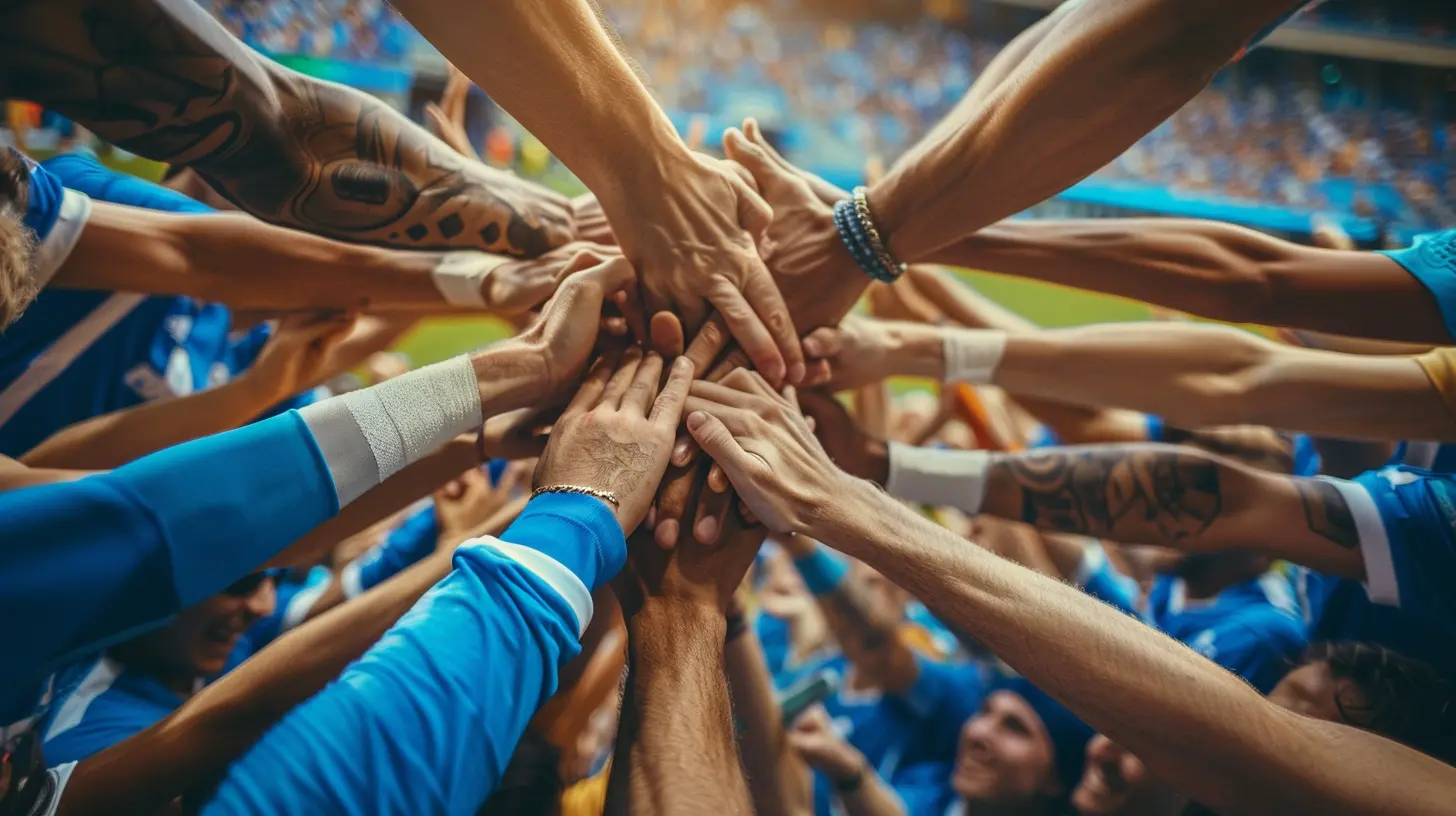
The Different Flavors of Leadership
Let's be real: leadership isn’t one-size-fits-all. Some leaders are loud like a halftime speech from a fired-up coach, and others are smooth operators leading by example. But no matter the style, great leaders all have one thing in common—they influence outcomes.1. The Vocal Leader
Think LeBron James or Serena Williams when they’re rallying the squad. These athletes talk the talk and walk the walk. They’re the ones keeping the vibe alive during those tough stretches. Their voice? A literal GPS guiding the team.2. The Silent Assassin
This one leads with actions. They might not say a word, but their performance screams commitment. They show up, grind it out, and inspire through sheer willpower. Think Tim Duncan vibes—nothing flashy, just greatness.3. The Emotional Anchor
Every team needs that one person who feels everything and keeps everyone emotionally grounded. They’re the teammates who check on your mindset after a bad play, not just your stats.4. The Strategic Commander
They’ve got a game plan for the game plan. This type of leader reads the field like a chessboard and keeps the team moving in sync like a symphony. A coach-on-the-field, if you will.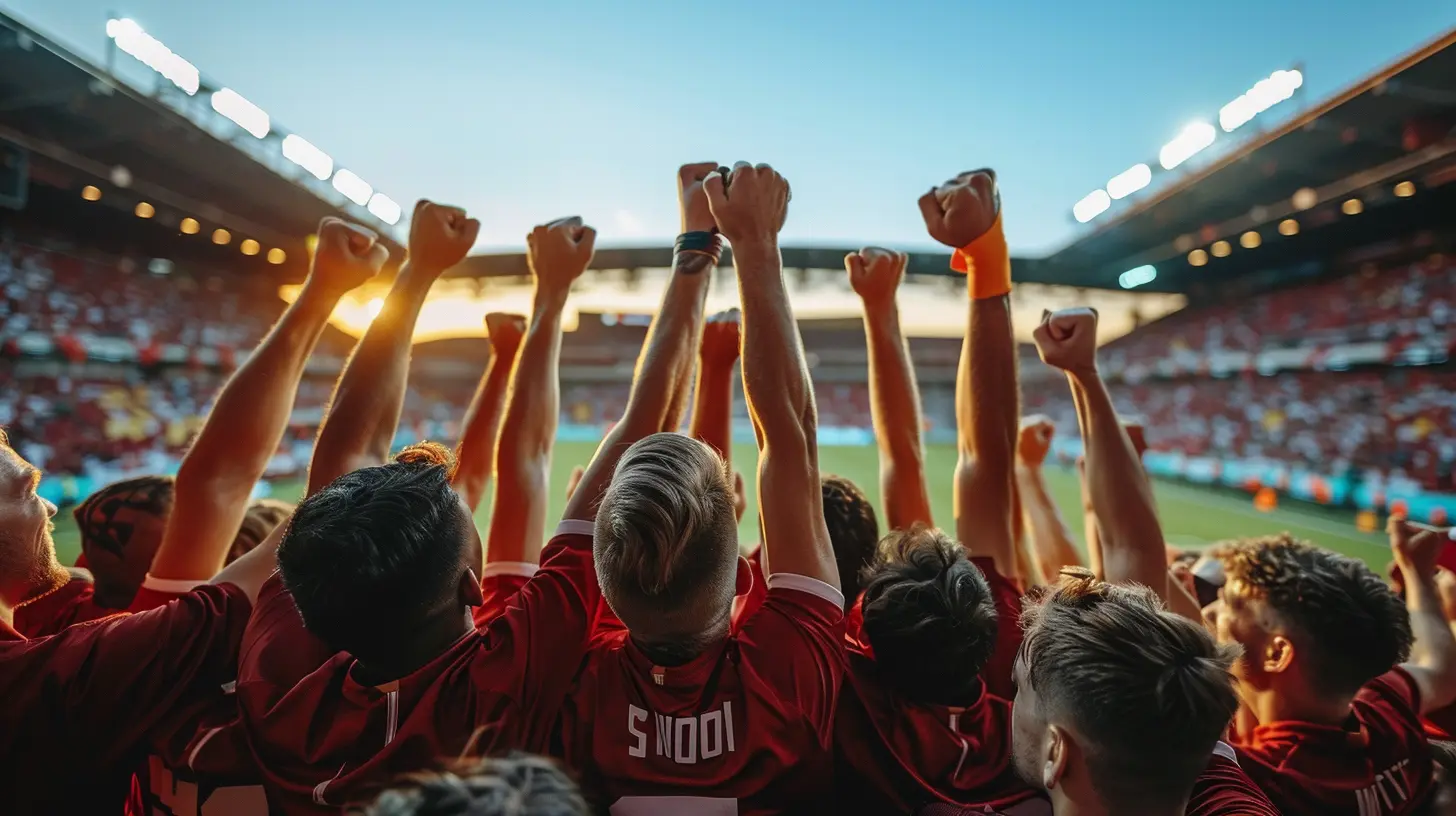
Why Leadership Matters More Than You Think
Let me hit you with some cold, hard truth: teams with great leadership win—even when they’re not the most talented squad. Why? Because leadership is the glue when things fall apart and the fuel when momentum builds.Here's how leadership runs the show:
1. Creating Team Cohesion
You can have the best individual players on the planet, but if they’re not clicking as a unit, it’s game over. Good leaders build that unbreakable bond. They create trust, squash egos, and make sure everyone’s eating from the same plate of goals.2. Inspiring Confidence
Ever notice how one good leader can light up a locker room? That confidence is contagious. It spreads like wildfire when the pressure is on. In crunch time, a solid leader says, “We got this,” and suddenly—boom—everyone believes.3. Handling Adversity
Let’s be honest. Losing sucks. So does making mistakes. But you know what makes bouncing back possible? A leader who owns the moment and shows others how to rise back up. Leaders rewrite the narrative when things go south.4. Setting the Standard
Leaders don’t just talk; they live the culture. They show up early, grind their faces off, and never settle for mediocrity. Their example sets the tone for everyone else to step up or step off.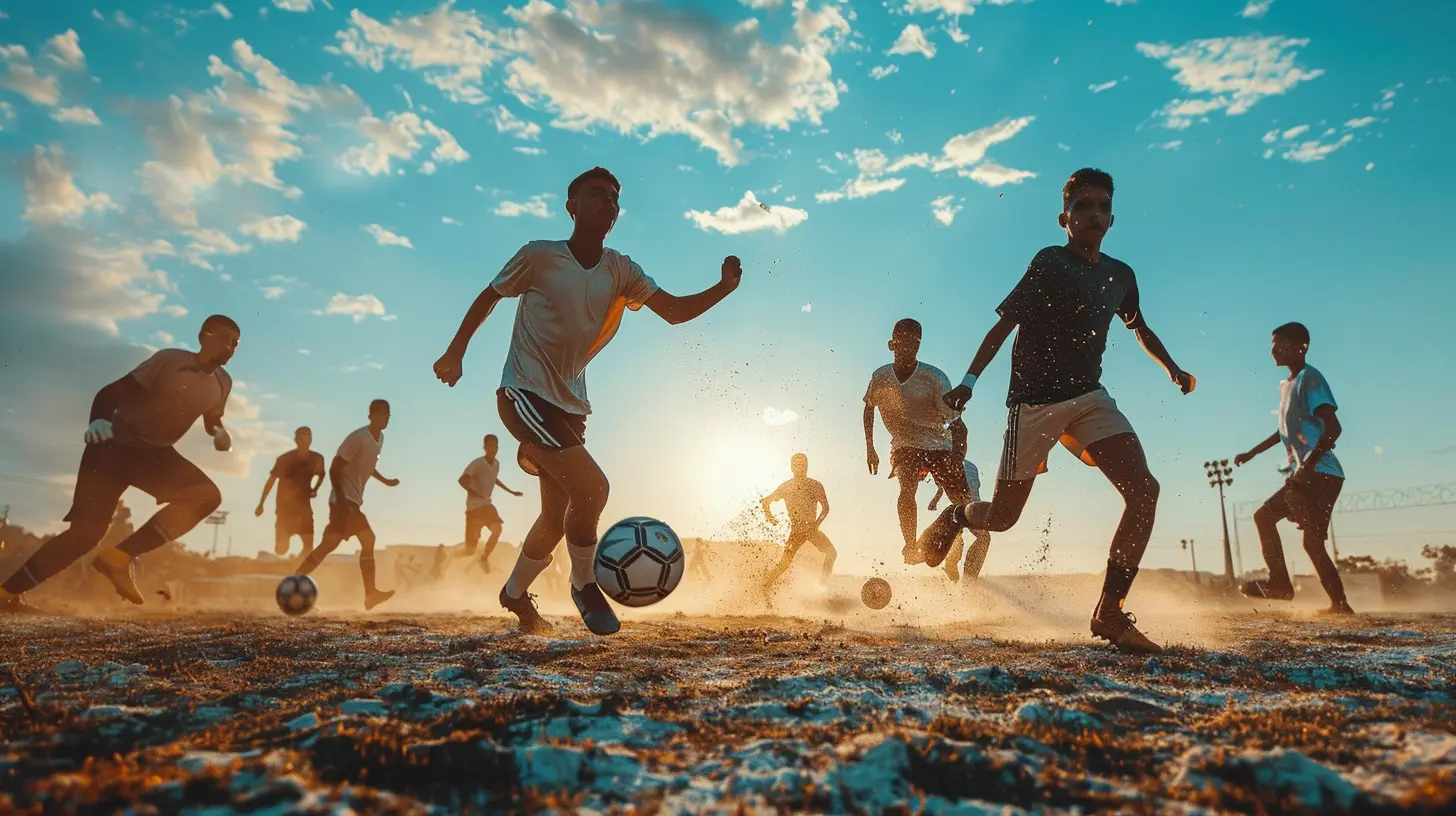
The Coach-Athlete Leadership Dynamic
Coaches aren’t just clipboard-holders—they're the lead architects of team culture and direction. But here’s the kicker: the best coaches share leadership with their athletes.That’s right. Effective leadership in team sports isn’t just top-down—it’s collaborative. Coaches empower players to take ownership, make decisions, and be leaders themselves. When athletes feel that ownership, they play differently—boldly, freely, and as a unit.
Think of it like a band: the coach is the conductor, but the captains are the lead instruments.
Leadership in Action: Real-World Examples That Slap
Let’s look at where leadership literally turned the tide.Example 1: Michael Jordan and the Bulls
MJ wasn’t just the GOAT because of his skill—he led by demanding greatness. He pushed teammates past their limits, held them brutally accountable, and forced them to rise with him. That leadership lifted everyone, from Pippen to bench players, to six rings.Example 2: Megan Rapinoe and the USWNT
Rapinoe used her voice both on and off the field. Her leadership wasn’t just in scoring goals—it was in uniting a team under pressure, advocating for fairness, and holding everyone, including herself, to the highest standard.Example 3: Tom Brady and Any Team He Touches
This man leaves New England, walks into Tampa Bay, and immediately turns a struggling franchise into Super Bowl champs. That’s more than just talent—that’s leadership that shifts culture and belief.How to Spot a Great Leader in a Team
Sometimes, the real leaders aren’t the ones wearing the captain’s band. So how do you spot them? Here's what to look for:- They speak up—even when it's hard.
- They listen first, talk second.
- They show up in big moments.
- They give credit and take blame.
- They make everyone around them better.
In short, they’re the glue, the gas, and the gears all in one.
Can Leadership Be Taught?
Short answer? Heck yes.Leadership might come naturally to some, but it’s also a skill. Just like you train for speed or strength, you can train to be a better leader. It takes:
- Self-awareness: Know your strengths and your flaws.
- Empathy: Understand different personalities.
- Communication: Talk less, say more.
- Accountability: Own your words, actions, and outcomes.
Leadership is like building muscle—it grows when you push it.
Leadership Beyond the Game
Here’s the juice: leadership in sports doesn’t just stay on the field. The skills athletes grow in these pressure-filled, high-stakes environments? Oh, they carry into life.- Teamwork in the workplace.
- Confidence in personal struggles.
- Resilience when life throws curveballs.
- Communication that actually works.
That’s why leadership in team sports isn't just about winning games—it’s about building people.
Final Whistle: Leadership Is the Edge You Can’t Coach Out
Look, talent gets you noticed. Strategy gets you competitive. But leadership? That’s the secret sauce that wins rings, trophies, and respect.If you’re an athlete, be the kind of leader that shows up when things go sideways. If you’re a coach, create space for leaders to rise naturally. And if you’re a fan—appreciate the leaders who quietly make magic happen behind the scenes.
Because let’s be real: without that fierce, focused, and fearless leadership? Team sports success is just a pipe dream.
all images in this post were generated using AI tools
Category:
Team SportsAuthor:

Ruben McCloud
Discussion
rate this article
2 comments
Caelestis Kim
Effective leadership fosters trust, communication, and motivation, driving team success in sports.
April 1, 2026 at 3:00 AM
Ruben McCloud
Thank you! I completely agree—strong leadership is essential for building a cohesive team and achieving success in sports.
Kian Baxter
Great article! Leadership truly shapes team dynamics and success. Strong leaders inspire collaboration, boost morale, and drive performance. Excited to see how teams evolve through effective leadership!
February 28, 2026 at 3:28 AM
Ruben McCloud
Thank you for your insightful comment! I completely agree—effective leadership is pivotal in shaping team dynamics and driving success in sports.