The Role of Public Perception in Shaping Betting Lines
18 March 2026
Let’s be real—sports betting isn’t just a game of numbers and stats anymore. It’s a booming industry with emotional swings, heart-pounding highs, and crushing lows. But here’s the kicker: betting lines aren’t solely crafted by bookies analyzing team stats and injury reports. Nope. There’s a less talked-about player in the game—public perception.
Yeah, that’s right. The collective buzz, the Twitter debates, the hype around a team or player—all that noise? It matters. A lot more than most people think.
In this deep-dive, we’ll break down how public perception shapes betting lines, why sportsbooks consider the average fan’s opinion, and how smart bettors can use this to their advantage. Ready? Let’s jump in.
What Exactly Are Betting Lines?
Before we go down the rabbit hole, let’s clear up what betting lines are. Betting lines (also called odds or spreads) are the numbers set by sportsbooks to even out the action on both sides of a bet. Whether it's the point spread in football or the moneyline in baseball, the goal is simple: get equal money on both sides.Think of betting lines as the seesaw on a playground. Sportsbooks want both sides balanced equally. If one side gets too heavy (more bets/money), they adjust the line to level it out again.
And here's the plot twist: they don’t just use stats. They factor in opinion. Yours, mine, everyone's.
Public Perception: The Invisible Hand Guiding the Odds
Now here’s where things get juicy. Public perception doesn’t always align with reality. Actually, it rarely does. Sports bettors aren’t strictly logical. We’re emotional beings (yeah, even you, Bob), and our biases shape our betting habits.For instance, say the Dallas Cowboys are on a hot streak. Even if they’re facing a tougher team with better analytics, the buzz from fans, media, and social platforms might drive tons of bets their way. Sportsbooks know this. They expect it. So they inflate the Cowboys' betting line to compensate.
It’s like pricing a concert ticket based on the band’s popularity, not how well they actually sing. Makes sense?
Why Do Sportsbooks Care About What the Public Thinks?
Because sportsbooks aren’t trying to predict outcomes—they’re trying to balance risk. They make their money by taking a small cut (usually called the vigorish or “vig”) from the losing side.So, if everyone is piling money on one team, the book has a lopsided risk. That’s bad for business. To fix it, they adjust the line until casual fans—also known as the “public”—start betting on the other side.
Think of it like a market reacting to investor sentiment. The price of a stock can inflate not because the company is killing it, but because people think it is. Same deal here.
Overhyped Teams = Inflated Lines
This is betting gold right here, especially for value hunters.Let’s say the public falls in love with a "media darling" team after a couple of big wins. Suddenly, they’re being talked up like they're the next-coming of the '85 Bears. Sportsbooks ride that wave by adjusting the lines to reflect this newfound love.
The result? Overvalued teams. Betting on them usually means worse odds, less payout potential, and increased risk. Meanwhile, the quieter, less “sexy” team on the other side? They’re offering real value if you can look past the noise.
Lesson here? Don’t fall for the hype. Analyze matchups, not media coverage.
The Psychology Behind Public Biases
Ever heard of “recency bias”? Or what about “confirmation bias”? These are just fancy psychology terms that creep into nearly every bettor’s mind, whether you're a rookie or a seasoned pro.Let’s break a few down:
Recency Bias
We tend to overvalue what just happened. So if a team just crushed their opponent on national TV, the public assumes they’ll do it again. But every game is different.Confirmation Bias
We look for info that backs up what we already believe. So if you think your favorite team is great, you'll ignore their flaws and bet on them no matter what.Herd Mentality
If everyone is betting on the Patriots, shouldn’t you do it too? Wrong. Popular doesn’t mean right. It just means… popular.Public perception is soaked in these biases. Recognizing them can help you cut through the fog and spot value where others see risk.
Case Study: Super Bowls and Public Overreaction
Let’s look at an example that perfectly captures public perception’s influence.In 2016, the Panthers went 15-1 and had Cam Newton playing like a video game character. The public was ALL IN. Meanwhile, the Broncos limped into the Super Bowl with an aging Peyton Manning and a whole lot of question marks.
Guess who most of the public bet on? Yep, the Panthers. Line opened around Panthers -3.5 and got pushed even further thanks to public money.
But who won? The Broncos. Not just won—they dominated. That’s the power of misperception. The odds didn’t reflect the actual matchup. They reflected the public’s love affair with one team.
How Sharps Use Public Perception Against Sportsbooks
Here’s where the sharks swim.Professional bettors (a.k.a. “sharps”) love it when the public overreacts. Why? Because it creates betting value. They wait for the line to move thanks to public money, then swoop in and place their bets on the more favorable side.
It’s like buying a stock when it’s undervalued, knowing it will bounce back. Sharps fade the public—meaning they often bet against the team everyone else is riding with.
They read the market, not just the stats.
Media Influence: The Megaphone of Public Perception
Let’s not ignore the elephant in the room. ESPN pundits, Twitter wars, TikTok hot takes—they all fuel perception.When a headline screams “Mahomes Can’t Be Stopped”, you better believe the betting public listens. The media acts as an amplifier, and sportsbooks know how to read the room.
When a narrative goes viral, the books already adjusted the odds. They’re not reacting; they’re anticipating your reaction.
Using Public Perception to Bet Smarter
Alright, now for the good stuff. How can you use all this info to become a sharper bettor?Here’s a few pointers:
1. Track Line Movement
Watch how a line changes from when it opens to right before game time. Sudden shifts? That’s often the result of public money. Look for opportunities when a line moves too far.2. Follow Reverse Line Movement
If the betting line moves in the opposite direction of where most of the public money is going, that’s a hint sharps are hitting the other side. Pay attention—it’s like watching footprints in the snow.3. Fade the Crowd
Not always, but often. If a team is getting 80% of the bets, but the line moves against them? That’s a red flag. Ask yourself why.4. Avoid Betting With Your Heart
This one’s tough. We love our teams. But emotion is a bettor’s worst enemy. If you can’t be objective, maybe skip that wager.5. Remember: You’re Not Betting on Teams, You’re Betting on VALUE
A great team at a bad price is a bad bet. A decent team at a great price? That’s where the money’s made.The Future: Can AI Outthink Public Perception?
AI and algorithms are changing the game. Some books and bettors are using machine learning to separate perception from reality. But here’s the thing—public perception is human. Emotional. And that makes it unpredictable.As long as fans exist, so will irrational bets. And that means smart bettors will always find opportunity in the chaos.
Final Thoughts
Sports betting isn’t just about who’s stronger, faster, or better. It’s a psychological battleground where perception meets probability. If you can resist the crowd, challenge the narratives, and think independently, you’ll find value where others see risk.Public perception may shape the line, but you shape your bets.
So next time you hear the noise, take a step back. Block out the hype. And remember: while the public's shouting their bets, the sharps are quietly counting their winnings.
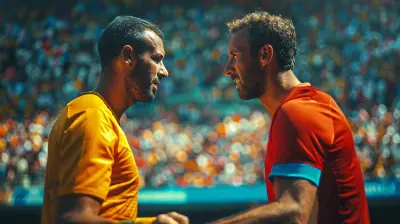
all images in this post were generated using AI tools
Category:
Sports BettingAuthor:

Ruben McCloud
Discussion
rate this article
2 comments
Renata Mathews
This article effectively highlights how public sentiment influences betting lines, emphasizing the need for bettors to recognize market psychology for making informed wagering decisions.
April 20, 2026 at 4:23 AM
Ruben McCloud
Thank you! I'm glad you found the article insightful. Understanding market psychology is indeed crucial for informed betting decisions.
John Beck
Great article! It's fascinating how public perception can sway betting lines. Remember, it’s all part of the game—keep your wits about you, and may the odds be ever in your favor!
March 19, 2026 at 1:26 PM
Ruben McCloud
Thank you! I'm glad you enjoyed the article. Public perception truly plays a crucial role in the betting landscape. Stay savvy and informed!