The Tactical Importance of Full-Backs in Football
14 January 2026
Ah, the full-back. The unsung hero of football. The guy sprinting up and down the touchline like they’ve lost something… only to turn around and leg it back because someone definitely forgot to track the winger. If football positions were high school stereotypes, full-backs would be the multitasking overachiever who aces biology while captaining the debate team—and still finds time to bake cookies for the fundraiser. Yeah, they’re that important.
But let’s not get ahead of ourselves. In today’s game, the full-back isn’t just a defender who hugs the sidelines. Nope, they’re now tactical chess pieces, vital to both attack and defense, and often the difference between a solid backline and a leaking tap.
So buckle up, footy nerds. We’re diving deep (but not too deep, relax) into the tactical importance of full-backs in football. And yes, we’ll keep it fun and jargon-free—unless absolutely necessary.
What Even Is a Full-Back?
Alright, let’s start with the basics. A full-back is the player positioned on either side of the center-backs in a traditional back four formation. So that’s your right-back and left-back.Think Dani Alves. Think Marcelo. Think Cafu flying past defenders like he’s late to a barbecue. These legends didn't just stay back and defend—they terrorized the flanks, assisted goals, and occasionally hit screamers that made goalkeepers question their life choices.
Traditionally, full-backs focused on one job: defend your side of the pitch. But modern football laughed at that job description and threw in about five more responsibilities.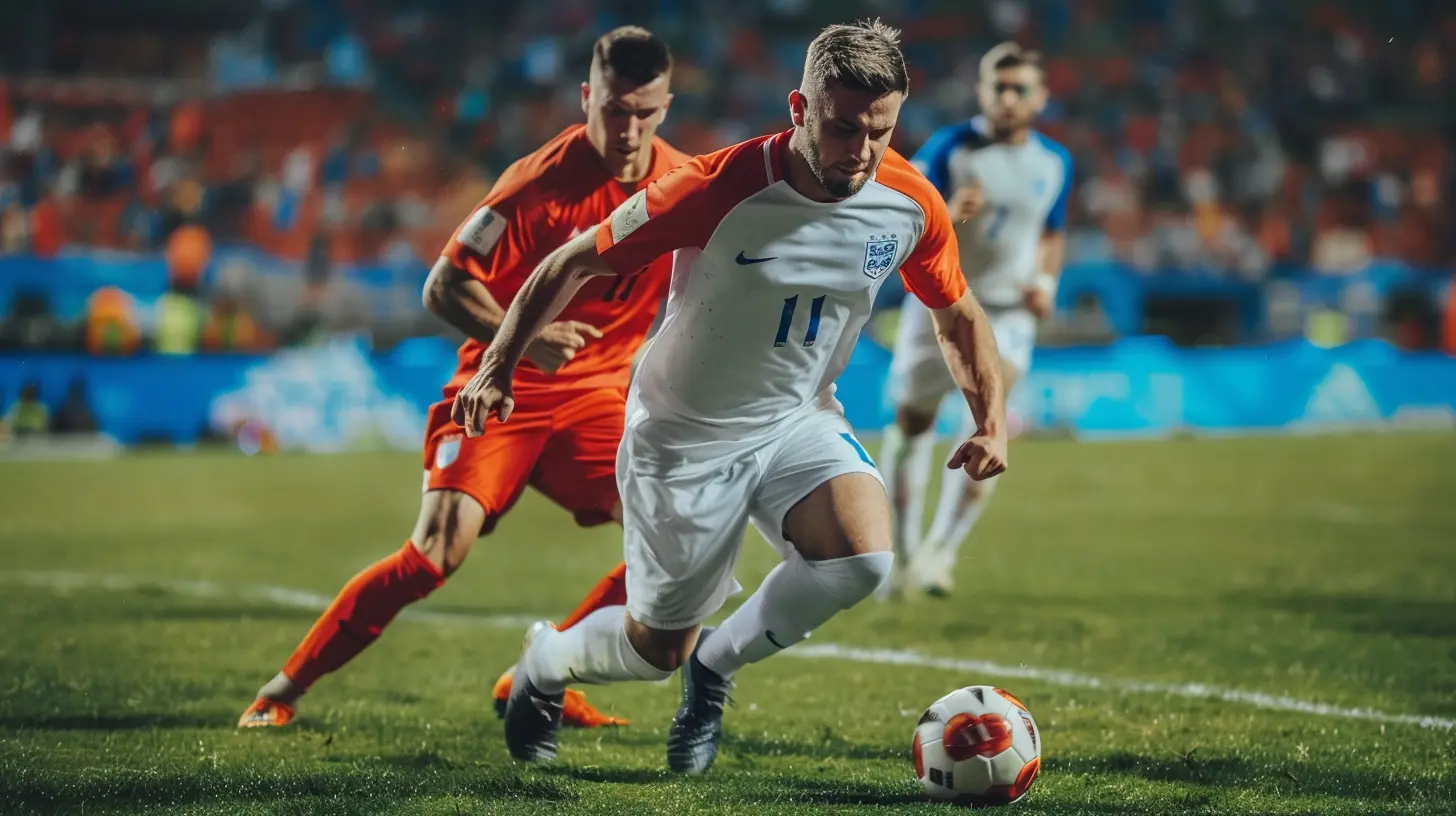
The Evolution of the Full-Back: From Defensive Wall to Swiss Army Knife
Once upon a time (aka pre-2000s), full-backs were less flashy, more gritty. They tackled. They cleared the ball. They'd shout a lot and wear their socks low like warriors.Now? These guys are expected to press high, recover quickly, cross like Beckham, and sometimes join the midfield like undercover spies.
Why The Change?
Simple. Football evolved. Total Football came and went, but the idea that players need to be more versatile stuck around longer than your uncle’s conspiracy theories at a family BBQ.Possession-based play and high pressing became the norm. Managers like Guardiola, Klopp, and even Conte began using full-backs as crucial outlets for both defense and attack. Suddenly, the humble full-back became a weapon.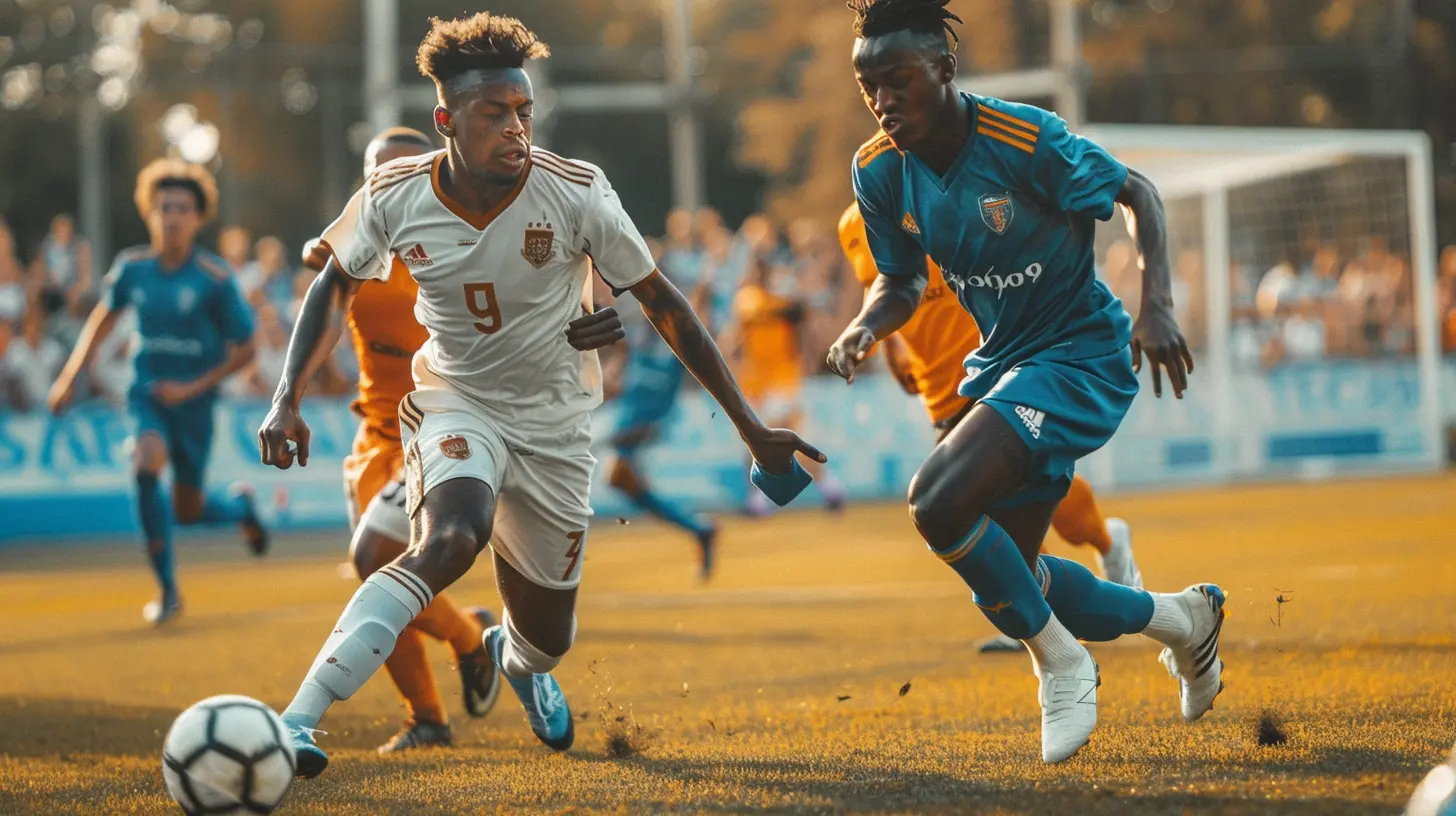
The Modern Full-Back’s Job Description (Spoiler: It’s Long)
Let’s break it down. Modern full-backs are:- Defenders: Still their day job.
- Crossing Machines: Whip it in like Trent Alexander-Arnold.
- Ball Progressors: Carry the ball forward or pass through lines.
- Pressers: Apply pressure high up the pitch.
- Inverted Midfielders: Step into midfield, mess with heads, confuse opponents.
- Goal Contributors: Score or assist. Preferably both.
And they do this while running 10+ kilometers a match. Honestly, if your full-back isn’t collapsing on the bus ride home, are they even trying?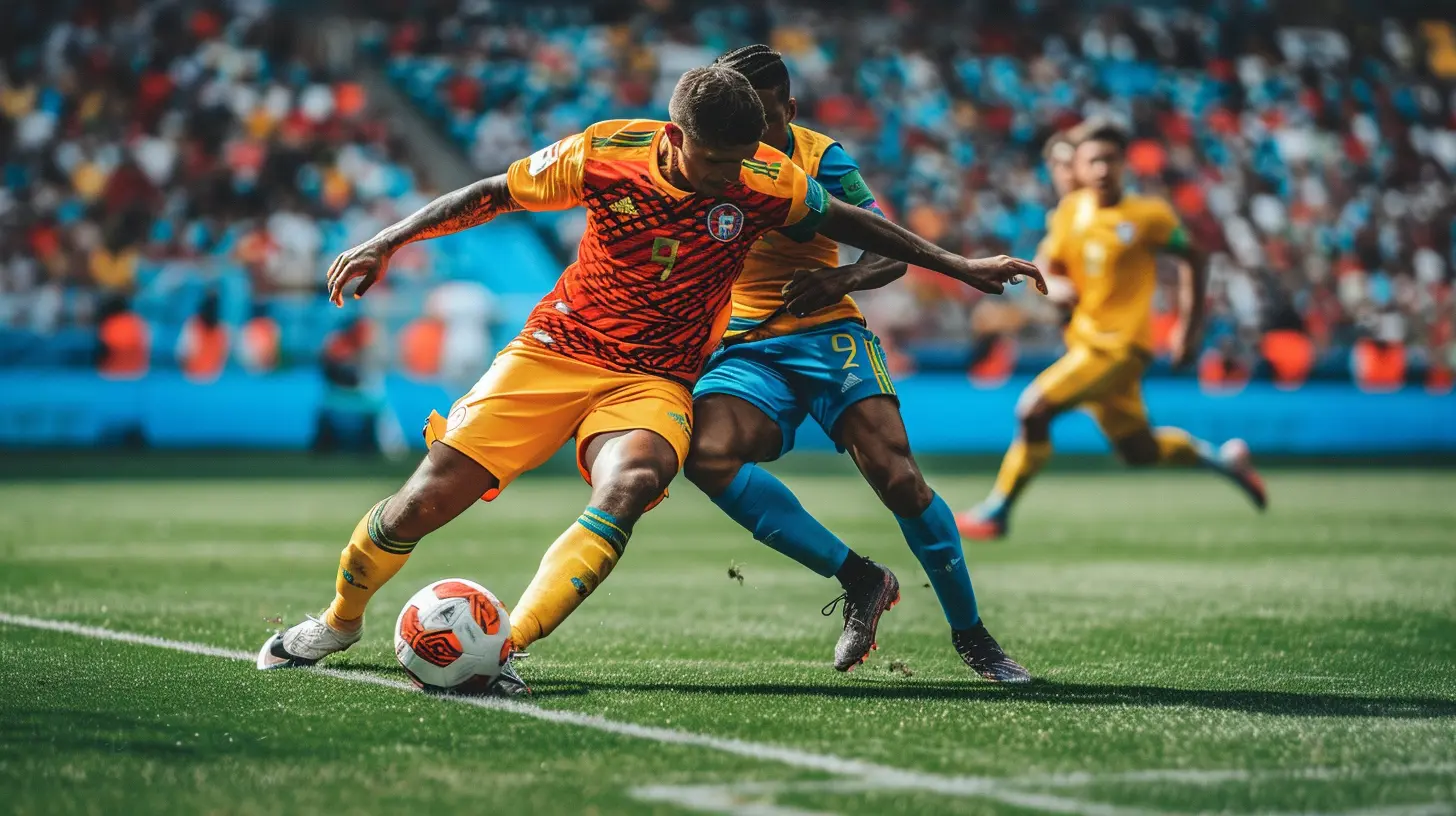
Full-Backs in Tactical Systems: Where the Magic Happens
1. 4-3-3 Formation
In this setup, full-backs provide width while the wingers tuck inside. They often overlap, turning into de facto wingers and creating overloads. Add a cheeky underlap here and there, and boom—you’ve got chaos in the opponent’s box.Example: think of Liverpool’s Robertson and Alexander-Arnold. One’s a delivery boy with a rocket left foot, the other’s a quarterback disguised as a right-back. Together? Menace.
2. 3-5-2 / 3-4-3: The Wing-Back Revolution
When you’ve got three center-backs behind you, full-backs (or “wing-backs” in this case) get a license to go wild. They bomb forward, fly past midfielders, and send in crosses like their life depends on it.Example: Antonio Conte’s Chelsea made Marcos Alonso look like prime Roberto Carlos. That’s saying something.
3. Inverted Full-Backs: Guardiola’s Science Experiment
Instead of overlapping, these full-backs drift inside like sneaky midfielders. Why? To outnumber the opponent in the middle, control possession, and keep buildup tight. Bonus: it gives cover if you're playing high up.Example: Joao Cancelo. One minute he’s overlapping, the next he’s in central midfield sipping a latte. Ridiculous.
Why Teams Good at Using Full-Backs Thrive
Let’s get one thing straight: most top teams dominate because they know how to exploit width. And guess who brings that width? You guessed it—our track-star full-backs.Offensive Width
Full-backs stretch the pitch horizontally. It forces opponents to spread out, opening pockets centrally for attacking midfielders or strikers to operate.Defensive Solidity
They drop back into a solid back four (or five), closing off the flanks and dealing with those pesky wingers. Tactical flexibility at its finest.Transition Play
Something modern managers froth over. Full-backs are often the first players involved in turning defense into attack. Quick tackle, pass forward, and boom—you’re halfway to a counter-attack.Full-Backs vs Wing-Backs: Know the Difference
Yes, they both live on the edges of the pitch. But they’re not the same beast.- Full-back: Found in a back four. More defensive duties.
- Wing-back: Found in a back three. Way more attacking freedom.
To use an analogy: if full-backs are cappuccinos—balanced with foam and espresso—then wing-backs are straight-up espresso shots. Strong, bold, and guaranteed to wake up the opposition.
Famous Full-Back Pairings That Made Football Beautiful
It's not just about individual brilliance. Sometimes, it’s the duo down the flanks that make a team tick.- Dani Alves & Jordi Alba (Barcelona): Absolute mayhem on both wings.
- Trent & Robertson (Liverpool): Like peanut butter and jelly, but with long-range passes.
- Ashley Cole & Lauren (Arsenal’s Invincibles): Rock solid and stylish.
These pairs practically ran the wings, offering balance, creativity, and relentless energy. If one bombed forward, the other stayed. They were tactically aware, physically capable, and technically sound. Full-back harmony at its peak.
The Unsung Glory: Why Full-Backs Don’t Get the Love They Deserve
Here’s the sad truth: full-backs rarely get Ballon d’Or nominations. They don’t rack up 30 goals a season. Their assists don’t make headlines like a striker’s hat-trick.But if you’ve ever watched your team crumble because the full-back was out of position or too slow to recover, you know—full-backs can make or break a match.
They get carded for tactical fouls, run till their hamstrings scream, and still rarely make it onto the post-match highlight reels.
Give them love. Give them credit. Heck, buy your local full-back a drink if you see one. They've earned it.
Young Guns Rising: The Future of the Full-Back Position
The next generation is here, and they’re not playing around. These kids grew up watching Marcelo do crazy flicks and Dani Alves yell instructions like a tiny general.Players like Reece James, Alphonso Davies, Nuno Mendes, and Jeremie Frimpong aren’t just prospects—they’re redefining the role. Expect more pace, more flair, and even more goals.
Don’t be surprised if, in a few years, full-backs are outscoring midfielders. The way football’s going, anything can happen.
So... Are Full-Backs the Most Important Players on the Pitch?
Okay, easy there. We’re not saying they’re the most important. But when your full-backs are firing, your team almost always performs better.They influence:
- Build-up play
- Defensive resilience
- Width in attack
- Pressing shape
- Counterattacks
In short? They do a bit of everything—and often don’t get paid like it. How rude.
Final Whistle: Respect the Full-Backs
If you’ve made it this far, congrats—you now appreciate full-backs more than the average football fan. You understand their tactical value, appreciate their evolution, and maybe, just maybe, you’ll shout their name when they make a crucial block instead of only cursing when they get skinned by a winger.Next time you watch a match, keep an eye on those tireless warriors on the flanks. Chances are, they’re influencing more of the game than you think.
And if you're a full-back reading this—thank you. You are seen. You are appreciated. Never stop sprinting.
all images in this post were generated using AI tools
Category:
TacticsAuthor:

Ruben McCloud
Discussion
rate this article
2 comments
William McElhinney
Great insights on full-backs! Their versatility and tactical role truly shape a team's performance.
February 23, 2026 at 5:06 AM
Ruben McCloud
Thanks! I'm glad you found the insights valuable. Full-backs really are key to a team's strategy.
Enid McPherson
Full-backs are crucial for both defense and attack, providing width and supporting wingers in modern football tactics.
January 14, 2026 at 5:52 AM
Ruben McCloud
Absolutely! Full-backs are vital, balancing defensive stability and offensive support, which enhances overall team dynamics.