The Voice of a Generation: The Athletes Who Speak for More Than Sport
6 November 2026
Athletes have long been seen as figures of excellence in their respective sports, but in recent years, many have transformed into powerful voices for social change. They are no longer just competitors; they are advocates, influencers, and role models. This article delves into how athletes are speaking for more than just sport, examining their impact on society, the challenges they face, and the responsibilities that come with their platforms.
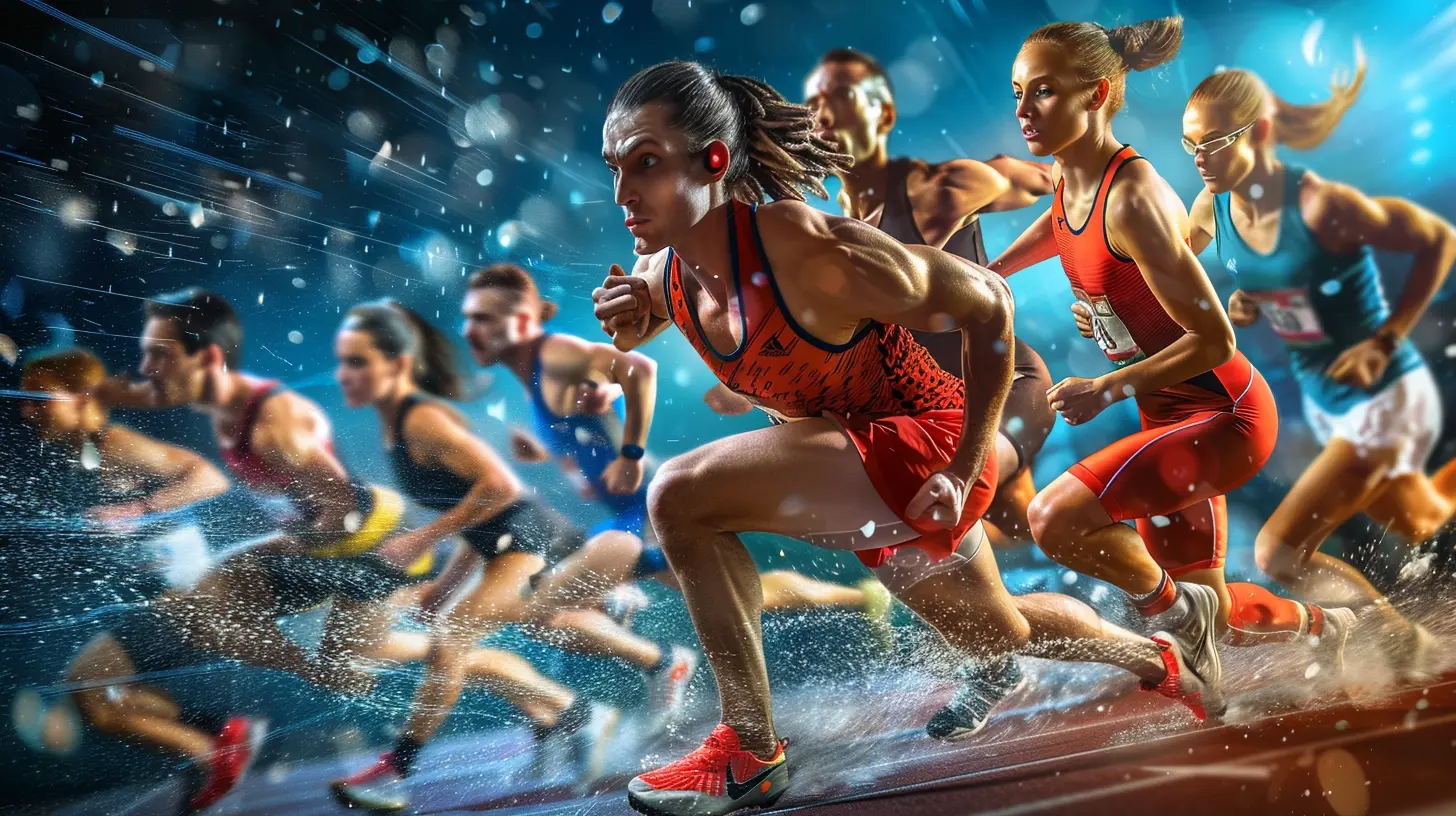
The Evolution of Athlete Activism
Historically, athletes have used their platforms to address social issues, but the intensity and visibility of this activism have surged in recent years. The rise of social media has enabled athletes to reach broader audiences, amplify their messages, and engage with fans in unprecedented ways.The Historical Context
Before diving into recent examples, it's important to acknowledge the foundation laid by earlier athletes. Figures like Muhammad Ali, Jim Brown, and Billie Jean King challenged societal norms and fought for civil rights and gender equality. Their legacies have paved the way for modern athletes who now feel empowered to take a stand on various issues.The Role of Social Media
Today's athletes operate in a digital landscape where social media is a primary communication tool. Platforms like Twitter, Instagram, and TikTok allow athletes to express their views directly to fans without the filter of traditional media. This immediacy can be both a blessing and a curse.Advantages
- Direct Engagement: Athletes can connect with fans in real-time, sharing their thoughts and experiences as events unfold.- Viral Potential: A single tweet or post can gain traction quickly, raising awareness for causes that matter to them.
Disadvantages
- Public Scrutiny: With the spotlight comes criticism. Athletes may face backlash for their opinions, and the pressure of public perception can be intense.- Misinformation: The rapid spread of information can lead to misunderstandings or misinterpretations of an athlete's intentions.

Prominent Athlete Activists and Their Causes
Several athletes have taken significant steps to advocate for social justice, equality, and mental health awareness. Their actions illustrate how sports figures can influence broader societal conversations.Colin Kaepernick: A Catalyst for Protest
Colin Kaepernick's decision to kneel during the national anthem in 2016 sparked a nationwide debate about race, justice, and patriotism. While it was initially met with backlash, Kaepernick's actions ignited a movement that encouraged other athletes to express their dissent regarding systemic racism and police brutality.Key Takeaways
- Courage: Kaepernick demonstrated that standing up for one's beliefs often comes with personal sacrifice, including professional repercussions.- Legacy: His protest has inspired a new generation of athletes to use their platforms for activism, illustrating the potential of sports to influence social issues.
LeBron James: More Than Just Basketball
LeBron James has consistently used his status as one of the NBA's top players to advocate for education reform, racial equality, and mental health awareness. His establishment of the "I PROMISE School" in Akron, Ohio, exemplifies his commitment to making a tangible difference in his community.Key Takeaways
- Community Impact: James' initiatives show that athletes can create lasting change through direct action, not just words.- Comprehensive Advocacy: His multifaceted approach addresses various issues, demonstrating that athletes can be holistic advocates for change.
Naomi Osaka: Champion for Mental Health
Naomi Osaka has been vocal about mental health issues, especially following her withdrawal from the 2021 French Open. By prioritizing her mental well-being and speaking openly about it, she challenged the stigma around mental health in sports.Key Takeaways
- Breaking Taboos: Osaka's candidness has encouraged others to discuss their mental health struggles, which is especially crucial in a high-pressure environment like professional sports.- Self-Advocacy: Her actions underline the importance of self-care and the need for athletes to advocate for their own well-being.

The Responsibility of Athlete Activism
While many athletes are passionate about social issues, they also face a unique set of challenges and responsibilities.Navigating Public Opinion
Athletes must be prepared for mixed reactions from fans and media. While some will support their activism, others may oppose it. This duality can create internal conflict and pressure.Best Practices for Engaging in Activism
1. Staying Informed: Athletes should educate themselves about the issues they are advocating for to speak authentically and effectively.2. Collaborating with Experts: Partnering with organizations and individuals who specialize in the issues at hand can lend credibility and depth to their advocacy.
3. Balancing Personal Beliefs with Professional Obligations: Athletes should consider how their activism aligns with their team's values and the expectations of their sport.
The Risk of Commercialization
As athlete activism gains popularity, there is a concern that it may become commercialized. Companies may seek to align themselves with athlete causes for marketing purposes, potentially diluting the message.Navigating Commercial Relationships
- Choosing Authentic Partnerships: Athletes should align with brands that genuinely support their causes rather than those that seek to profit from their activism.- Maintaining Integrity: It's crucial for athletes to remain true to their message, even in the face of lucrative endorsements.
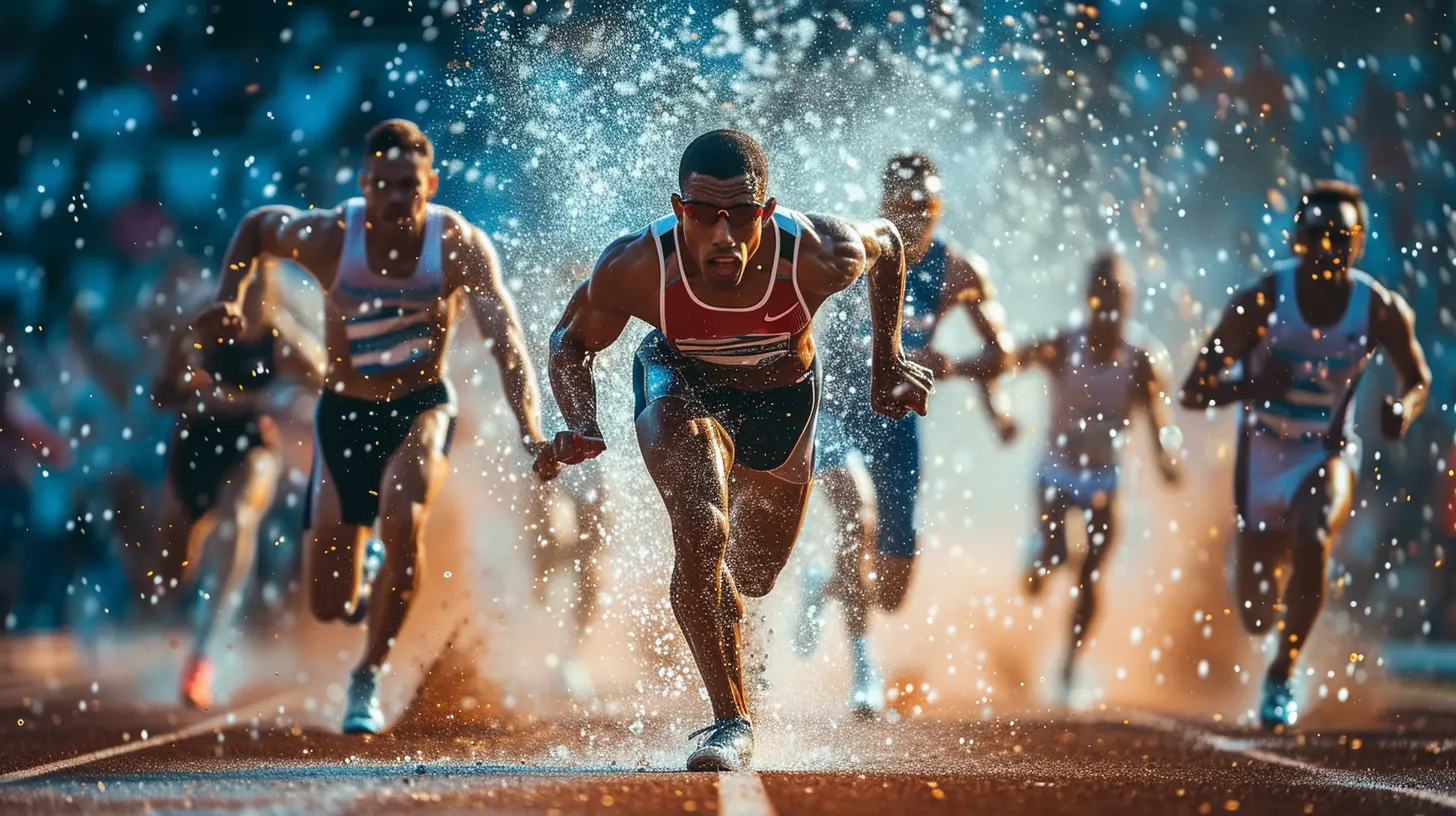
The Future of Athlete Activism
As the landscape of sports continues to evolve, so too will the role of athletes as activists. The dialogue surrounding social issues is becoming more urgent, and athletes are likely to play a pivotal role in shaping that conversation.Trends to Watch
1. Increased Participation: More athletes across various sports are likely to engage in activism, expanding the range of issues addressed.2. Collective Action: Teams and leagues may unite to take stands on social issues, thereby amplifying their voices and impact.
3. Long-Term Commitment: Rather than fleeting moments of activism, there will likely be a push for sustained efforts that create real change.
Conclusion
Athletes have the power to influence society far beyond the confines of their sports. As they navigate the complexities of activism, they confront challenges that require both courage and discernment. By speaking out, they not only advocate for change but also inspire future generations to use their platforms for good.The impact of athlete activism can be profound, serving as a reminder that sports are not just about competition but also about community, responsibility, and the enduring quest for justice and equality.
all images in this post were generated using AI tools
Category:
Sports JournalismAuthor:

Ruben McCloud