Virtual Sports and Their Role in Youth Development
25 June 2026
In today’s digital-first world, screen time often gets a bad rap—especially when it comes to kids and teens. But what if I told you that not all screen time is created equal? Picture this: your child is glued to a screen, yes, but instead of mindless scrolling or zombie-like gaming, they're actually learning teamwork, strategy, and decision-making. Welcome to the world of virtual sports. Yep, it’s a thing—and it’s changing the way we think about both sports and youth development.
So, what exactly are virtual sports, and why are they becoming such a big deal for young minds? Let’s break it down.
What Are Virtual Sports?
Virtual sports are simulated sports games where real-world sports meet digital technology. Think FIFA, NBA 2K, Madden NFL, or even simulated racing games like F1 Esports. They're not just video games; many are built on real-world data and physics engines that mimic actual gameplay. Some are used for entertainment, others for training, and many fall into both buckets.They can be played solo or competitively, and thanks to online connectivity, they’re as socially engaging as they are mentally stimulating. They’ve even carved out space in international competitions and education systems.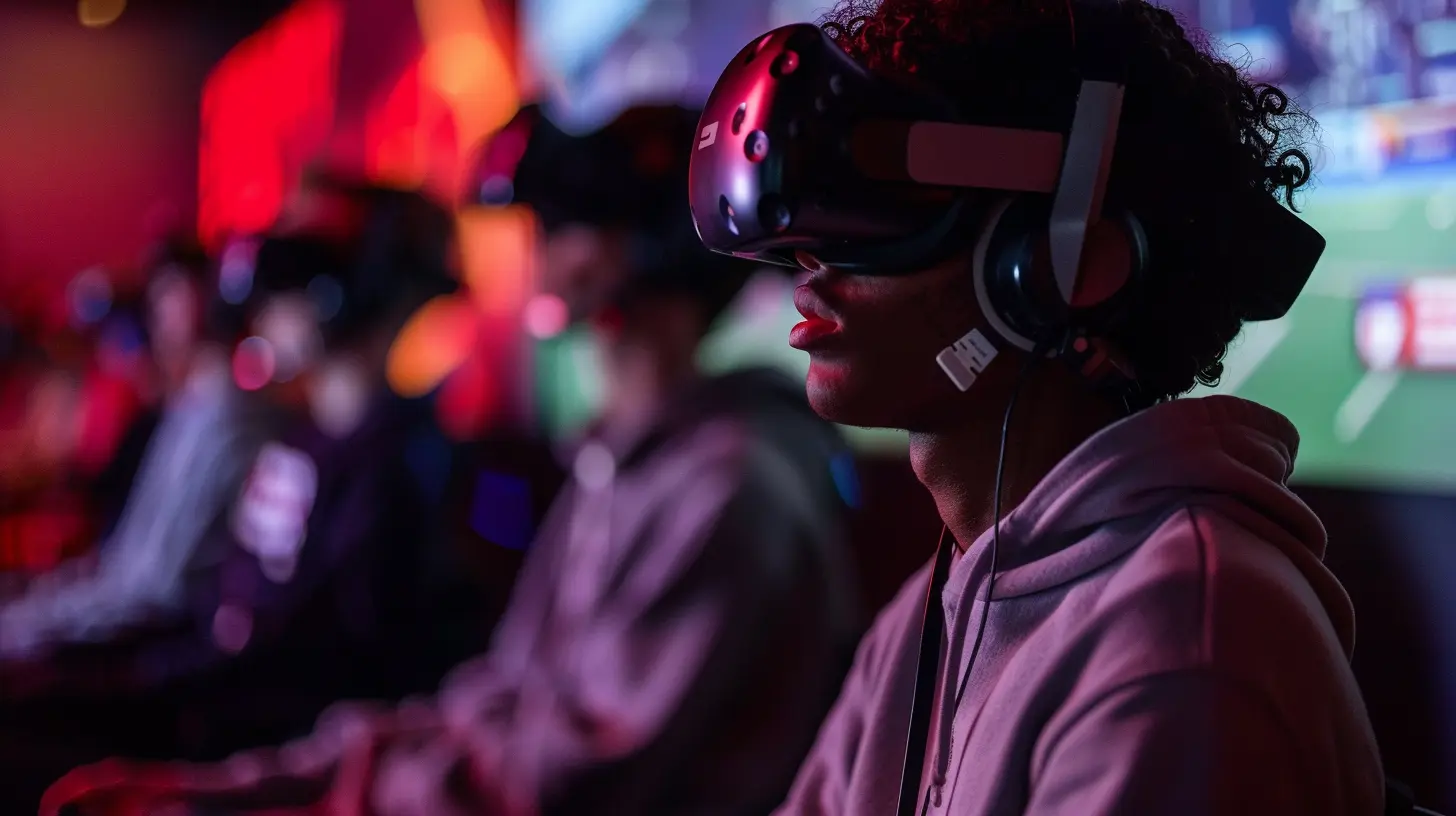
The Rise of Virtual Sports Among Youth
Let’s be real—kids today are digital natives. They’ve grown up with tablets in their hands and Wi-Fi as a basic necessity. So, it’s no surprise that they’re naturally drawn to technology-driven experiences. According to recent studies, more than 70% of teens actively engage in virtual sports or esports in some form.But here's the kicker: it’s not just about having fun. These games are teaching important life skills and offering a new avenue for personal growth. From learning the value of practice to understanding complex tactics, virtual sports are becoming a powerful tool in youth development.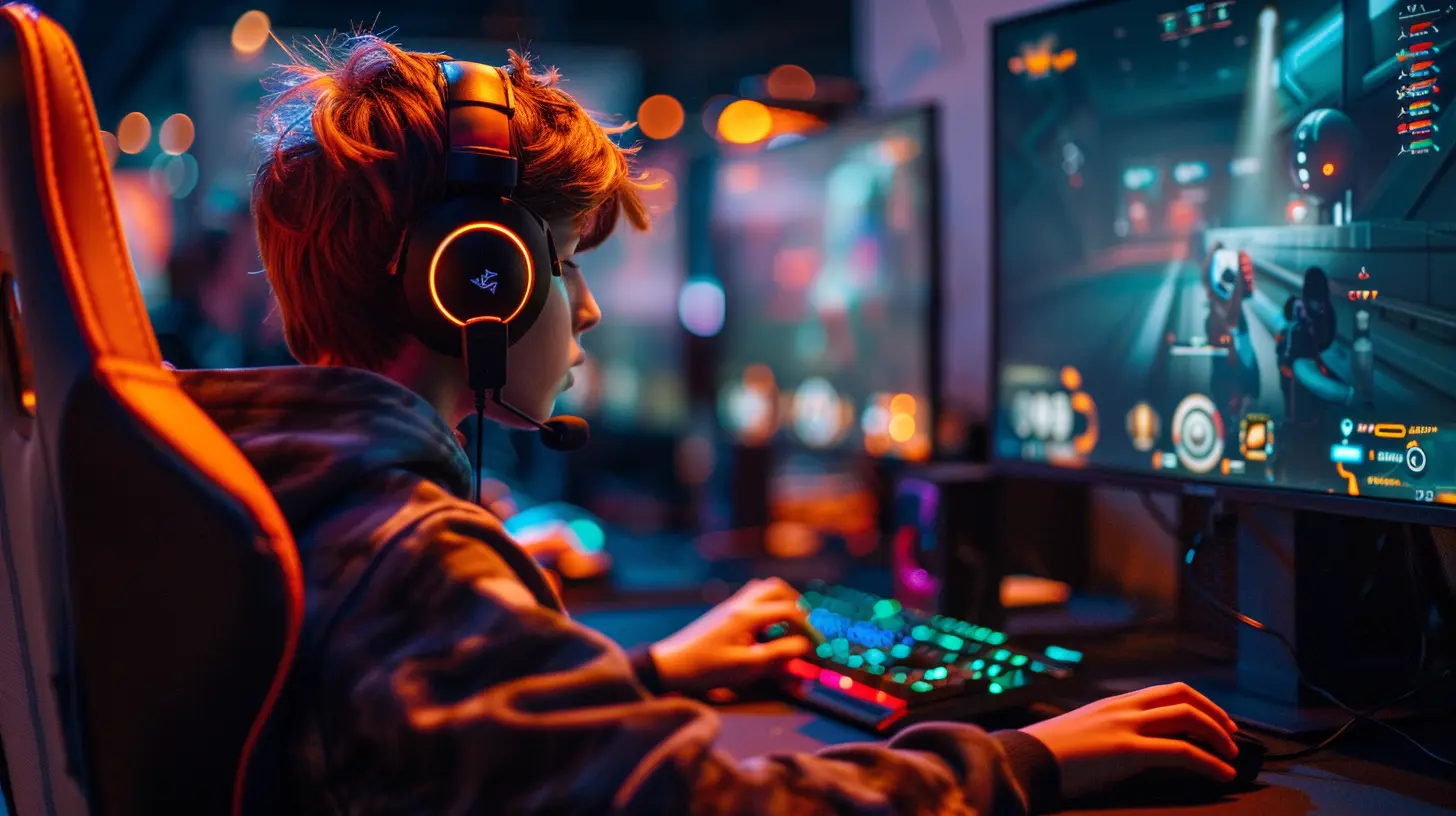
Skill Development Through Virtual Sports
1. Cognitive Growth and Strategic Thinking
Virtual sports are not just about smashing buttons or memorizing cheat codes. Many games require deep levels of strategy, spatial awareness, and decision-making. Think of FIFA: you’re not just trying to kick a ball around. You’re managing your squad, understanding formations, reading your opponent’s play, and making real-time decisions. That’s big brain stuff.Young players learn how to:
- Analyze situations quickly
- Develop game plans
- Think multiple steps ahead
- Adapt to changing circumstances
Not so different from how chess or even real-life sports work, right?
2. Hand-Eye Coordination and Motor Skills
Games like NBA 2K or racing simulators put your reflexes to the test. They require players to process visual information and react immediately. While it’s not the same as dribbling a ball or running laps, it definitely sharpens reflexes and motor responses.For kids who aren’t into traditional sports, this can be a physically engaging alternative. It keeps their minds and fingers moving, which isn’t a bad compromise when looking at the tech-health balance.
3. Teamwork and Communication
Many virtual sports are multiplayer-centric. Whether you’re in voice chat during Call of Duty League or working as part of an online football team, communication is key. Players coordinate, assign roles, and build chemistry—just like they would on a real-life soccer field.These environments help young players:
- Collaborate with others
- Resolve conflicts
- Build leadership skills
- Foster mutual respect
In fact, some schools and youth programs are using virtual team games to boost soft skills in kids who might struggle in traditional group settings.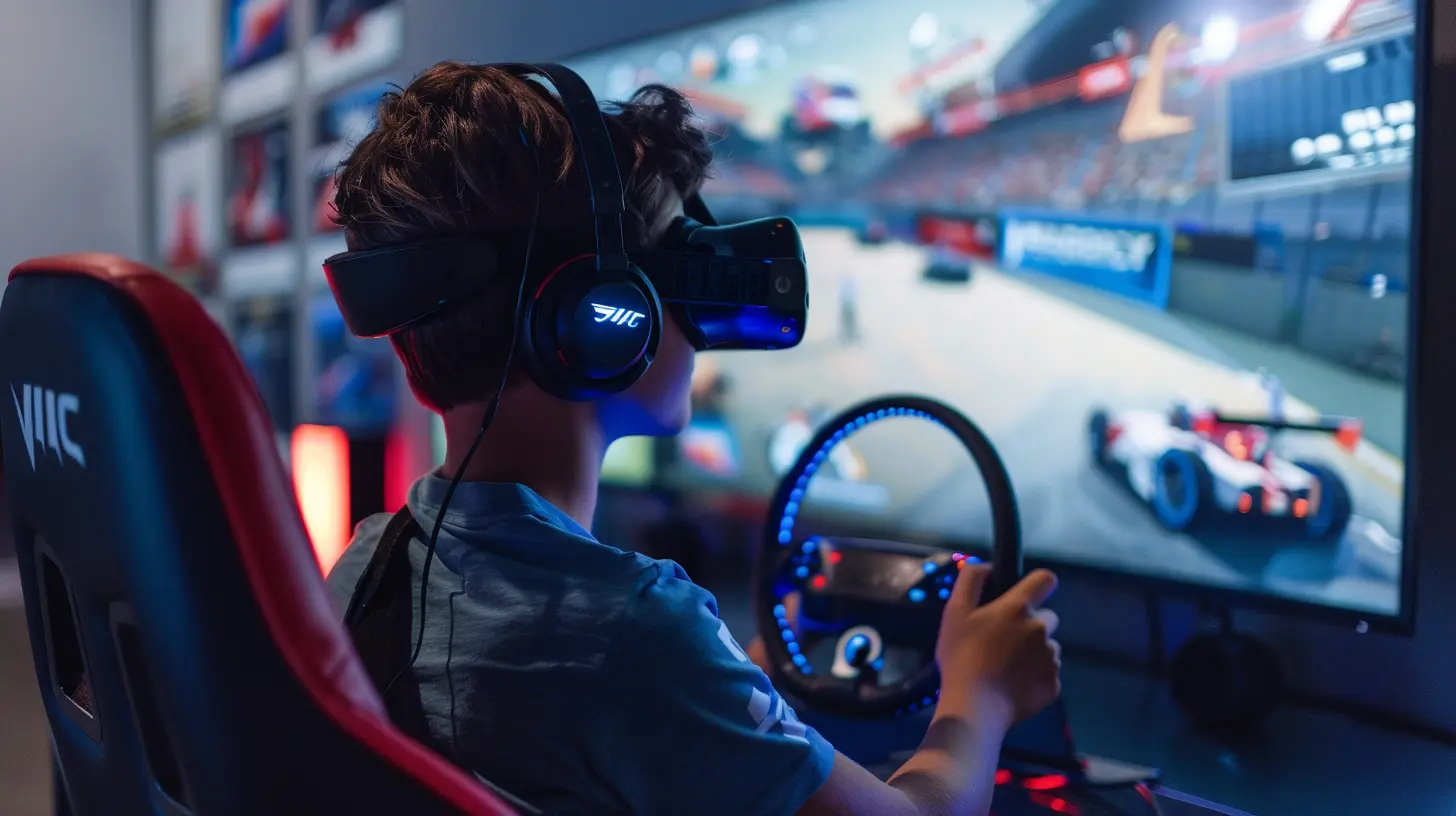
Boosting Confidence and Self-Esteem
Let’s not underestimate how empowering it is for a young person to be really good at something. Not everyone can dunk a basketball or score goals on the pitch. But in the virtual arena? Everyone gets a fair shot.A kid might discover they're a natural strategist in FIFA or a lightning-fast tactician in a racing game. These wins build confidence. They fuel self-esteem. And most importantly? They remind young people that success can come in many forms—not just the traditional ones.
Providing Equitable Access to Sports
One of the best things about virtual sports? Accessibility.1. Breaking Financial Barriers
Let’s face it: sports can be expensive. Gear, uniforms, travel—these costs can pile up fast. Virtual sports, on the other hand, usually require just a console or computer and an internet connection. That levels the playing field a lot.2. Inclusion for Physically Limited Youth
For kids with disabilities or health issues, traditional sports may not always be feasible. Virtual sports open up new ways for them to engage, compete, and thrive—without the physical strain.This kind of inclusivity reminds us of what sports are really about: participation, fun, and growth.
The Role of Virtual Sports in Education
Yep, you read that right. Schools and after-school programs are slowly but surely embracing virtual sports as legit educational tools. Some even have esports teams as part of their athletic departments.Why? Because research shows that kids who participate in structured virtual sports programs often:
- Perform better in school
- Show improved attendance
- Develop stronger social ties
- Learn time management
Sound familiar? These are the same benefits we associate with traditional school sports. Only now, the playing field looks a bit more pixelated.
Mental Health Benefits
Believe it or not, virtual sports can be great for mental health—if managed properly.1. Safe Space for Expression
Online sports provide an outlet. A space where kids can vent stress, connect with others, and just have fun. For shy or introverted youth, it’s a way to socialize without the overwhelming pressure of face-to-face interactions.2. Mentorship and Guidance
Many virtual sports communities are moderated and structured. Players can receive coaching, feedback, and positive reinforcement from mentors or older peers. It mirrors the mentorship seen in traditional team sports, which has been shown to reduce risky behavior in youth.The Flip Side: Potential Risks
Alright, time for a little reality check. While virtual sports have tons of benefits, they’re not all sunshine and rainbows.1. Screen Time Concerns
Too much of anything isn't great. Kids need balance—physical activity, face-to-face interaction, and time offline. That’s why it’s important for parents and educators to create structured playtime, where virtual sports supplement real-world activities—not replace them.2. Toxic Online Behavior
Not all online spaces are friendly. Exposure to bad language, cyberbullying, or aggressive competition can affect young minds. It’s crucial to monitor these environments and educate kids on how to deal with negativity online.3. In-Game Spending and Addiction
Those in-game purchases? They add up. And some games are designed to keep players hooked. Teaching financial literacy and self-control becomes just as important as teaching gameplay skills.How Parents and Educators Can Support Positive Growth
So, how can we make sure virtual sports are a net positive in a child’s life?Here’s how:
- Set Healthy Limits: Encourage a mix of activities—virtual and physical.
- Engage Together: Play with your kids. Ask them to teach you the game!
- Stay Informed: Know what games they’re playing and who they’re playing with.
- Promote Reflection: Talk about what they learned from the game. Did they improve? Did they work well with their team? What could they do better next time?
These conversations not only keep kids safe but also deepen the value they get from virtual sports.
Virtual Sports: A Glimpse Into the Future of Youth Engagement
Let’s not sugarcoat it—technology is here to stay. Our goal shouldn’t be to ban screens but to bend them in ways that benefit young minds. Virtual sports are a perfect example of how we can strike that balance.They blend the thrill of competition with real-world learning. They offer safe, inclusive platforms for growth. And they give kids—no matter their skill level or background—a chance to shine.
So whether your child dreams of becoming a pro gamer, a sports analyst, or just someone who loves a good challenge, virtual sports can play a powerful role in their personal development.
Let’s start treating them as what they are: tools for learning, growth, and connection—one match at a time.
all images in this post were generated using AI tools
Category:
Virtual SportsAuthor:

Ruben McCloud
Discussion
rate this article
1 comments
Zelda Gates
Virtual sports can offer unique avenues for youth development, blending competition with creativity. They foster teamwork and strategic thinking, but balance with physical activity is essential for holistic growth.
June 28, 2026 at 8:58 PM
Ruben McCloud
I appreciate your insights. Balancing virtual sports with physical activity is crucial for well-rounded development. It's great to see this conversation around teamwork and creativity.