What to Look for When Buying a Tennis Racket
25 March 2026
If you're serious about tennis, picking the right racket is just as important as perfecting your backhand or nailing that killer serve. Choosing the wrong one? That’s like trying to drive a race car with bicycle wheels — you’re setting yourself up for failure before you even hit the court.
But don’t worry, whether you're a beginner or a seasoned player, this guide will help you understand exactly what to look for when buying a tennis racket. Let’s break it all down step by step so you can walk into that sporting goods store (or browse online) with confidence!
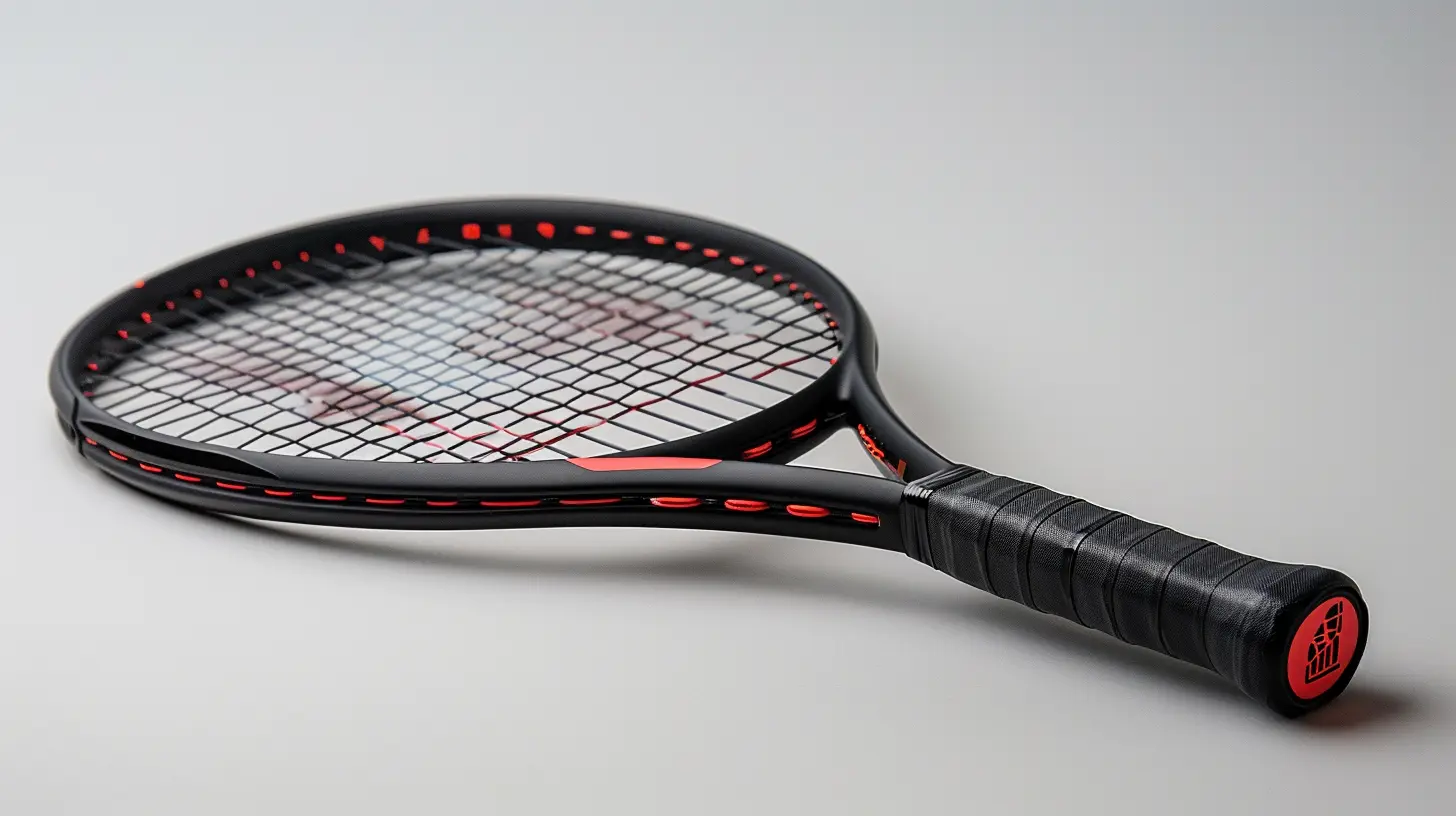
1. Know Your Skill Level
Before you even start looking at racket specifications, ask yourself: What’s my skill level?- Beginner: If you're new to tennis, you need a racket that’s forgiving and helps you generate power with minimal effort.
- Intermediate: By now, you have a pretty good idea of your playing style. A racket with a nice balance of control and power would suit you best.
- Advanced: You’re in control of your game, and you need a racket that enhances precision, spin, and feel.
Understanding where you stand helps narrow down your choices. A pro racket in a beginner’s hands? It’s like giving a Formula 1 car to a learner driver—not ideal.
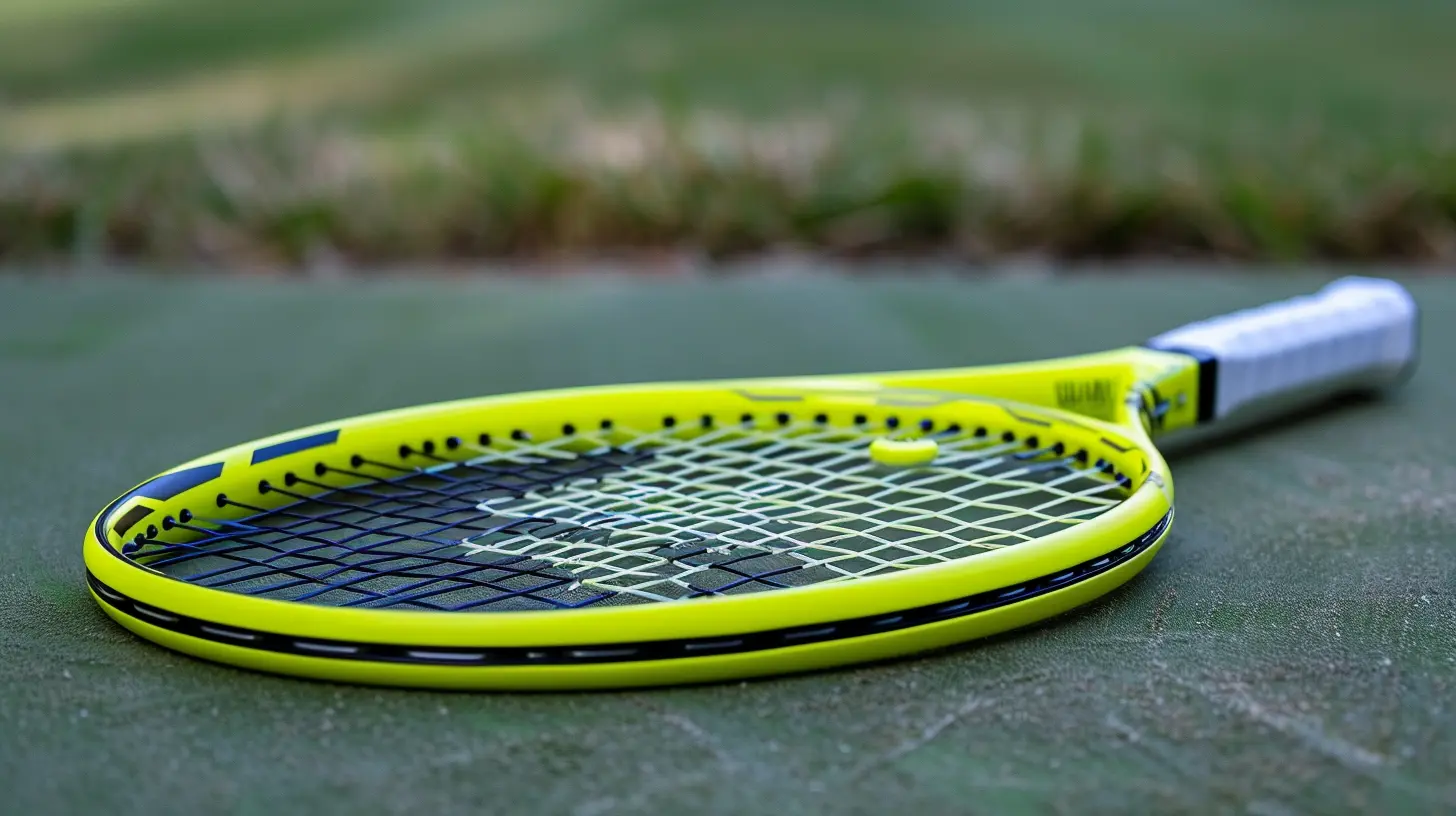
2. Racket Head Size: Bigger or Smaller?
The racket head size affects both power and control. Here’s a simple breakdown:- Oversized (105+ sq in.) – More power, bigger sweet spot, great for beginners.
- Midplus (95-105 sq in.) – Balanced power and control, great for intermediates.
- Midsize (85-95 sq in.) – Precision and control, best for advanced players.
If you're just starting, a bigger head size means a larger sweet spot—which basically means you won’t have to be super precise to hit decent shots.
3. Weight and Balance: Light or Heavy?
Weight plays a huge role in how a racket feels.- Light Rackets (250-300g) – Easier to handle, great for beginners, allows for faster swings.
- Heavy Rackets (300g+) – More stability, more power, absorbs more vibrations, preferred by advanced players.
Balance matters too:
- Head-Heavy Rackets – More power, great for baseline players.
- Head-Light Rackets – Better control and maneuverability, ideal for net players.
Think about your playing style. Are you a powerhouse from the baseline, or do you love quick volleys at the net? Pick accordingly.

4. Racket Length: Standard or Extended?
A typical tennis racket length is 27 inches, but some rackets go up to 29 inches.- Standard Length (27 inches) – More control, easier to maneuver.
- Extended Length (28-29 inches) – Extra reach, more power, but slightly harder to control.
If you want to add a bit more power to your serve and extend your reach, an extended-length racket might be worth considering.
5. Grip Size: The Right Fit Matters
This one’s often overlooked, but grip size is crucial. Using the wrong grip size can lead to discomfort, loss of control, and even injuries like tennis elbow.Here’s a quick way to check your grip size:
- Hold the racket in your dominant hand like you would for a handshake.
- There should be about a finger’s width of space between your fingertips and the base of your palm.
If you’re unsure between two sizes, go for the smaller one—you can always build it up with an overgrip.
6. String Pattern: Open vs. Dense
The way your racket’s strings are arranged affects how the ball interacts with your racket.- Open String Pattern (16x19) – More power and spin, but strings wear out faster.
- Dense String Pattern (18x20) – More control and durability, but less spin potential.
If you love adding spin to your shots, an open string pattern is your best friend. If you prefer control over power, go for a denser pattern.
7. Material Matters: Graphite, Aluminum, or Something Else?
Rackets come in different materials, each offering unique benefits:- Graphite – Lightweight, powerful, and great for all levels.
- Aluminum – Heavier but cheaper, often used in beginner rackets.
- Kevlar & Carbon Fiber – Used in high-performance rackets for added stiffness and control.
Most intermediate and advanced players prefer graphite for its balance of power and control.
8. Power vs. Control: Which One Do You Need?
Let’s keep it simple:- Power Rackets – Bigger head size, lighter weight, head-heavy balance. Ideal for beginners and those who don’t generate a ton of power on their own.
- Control Rackets – Smaller head size, heavier weight, head-light balance. Perfect for advanced players who generate their own power and want precision.
Decide based on your natural playing style. If you're strong and like to take big swings, go for control. If you need a little help generating pace, a power racket is the way to go.
9. Budget: How Much Should You Spend?
Rackets range from $50 to $300+, so how much should you spend?- Under $100 – Entry-level rackets, great for beginners or casual players.
- $100-$200 – Mid-range rackets, best for intermediate players.
- $200+ – High-performance rackets, used by advanced and pro players.
If you’re just starting, don’t break the bank. A solid mid-range racket will serve you well. Once you improve, you can always upgrade.
10. Try Before You Buy!
This is the golden rule. If possible, demo a few rackets before making a final decision. Many pro shops and tennis clubs offer demo programs.- Play a few games with different rackets.
- See how each one feels in your hand.
- Choose the one that feels the most natural to you.
At the end of the day, no matter how great a racket looks on paper, it has to feel right in your hands.
Final Thoughts
Picking the right tennis racket isn’t just about grabbing the first one you see on sale. Consider your skill level, playing style, and what you need most—power, control, or something in between. Whether you're a beginner, intermediate, or advanced player, there’s a perfect racket out there for you.So, next time you’re shopping for one, keep these key factors in mind, and you’ll be holding the best weapon for your game in no time!
all images in this post were generated using AI tools
Category:
Sports GearAuthor:

Ruben McCloud
Discussion
rate this article
2 comments
Emily Bass
Choosing the right tennis racket involves understanding your playing style, skill level, and physical attributes. Weight, grip size, and balance are crucial factors that can affect your performance. Testing different rackets before committing is vital; comfort and feel ultimately determine how well you play on the court.
May 14, 2026 at 12:02 PM
Ruben McCloud
Great points! Comfort and feel truly make a difference. Testing different rackets is key to finding the perfect match for your game.
Jolene Hudson
When choosing a tennis racket, prioritize your playing style, skill level, and comfort. Test different weights and grips to find your perfect match. Remember, the right racket can elevate your game significantly. Don’t settle for less; invest wisely and watch your performance soar. Stay sharp and play your best!
March 25, 2026 at 1:25 PM
Ruben McCloud
Great advice! Finding the right racket can truly make a difference in your game. Testing it out is key. Happy playing!