What You Need to Know About High-Altitude Sports Gear
14 December 2025
When it comes to pushing your limits, there’s nothing quite like high-altitude sports. Whether you're trekking up a mountain, skiing in the Rockies, or participating in a high-altitude marathon, the challenge doesn’t just come from the physical effort, but from the environment itself—thinner air, colder temperatures, and unpredictable weather. These unique conditions make it essential to have the right gear.
But what makes high-altitude sports gear different from your everyday athletic equipment? And why is it so critical? Let’s dive in and break it all down so you can be fully prepared to conquer the heights.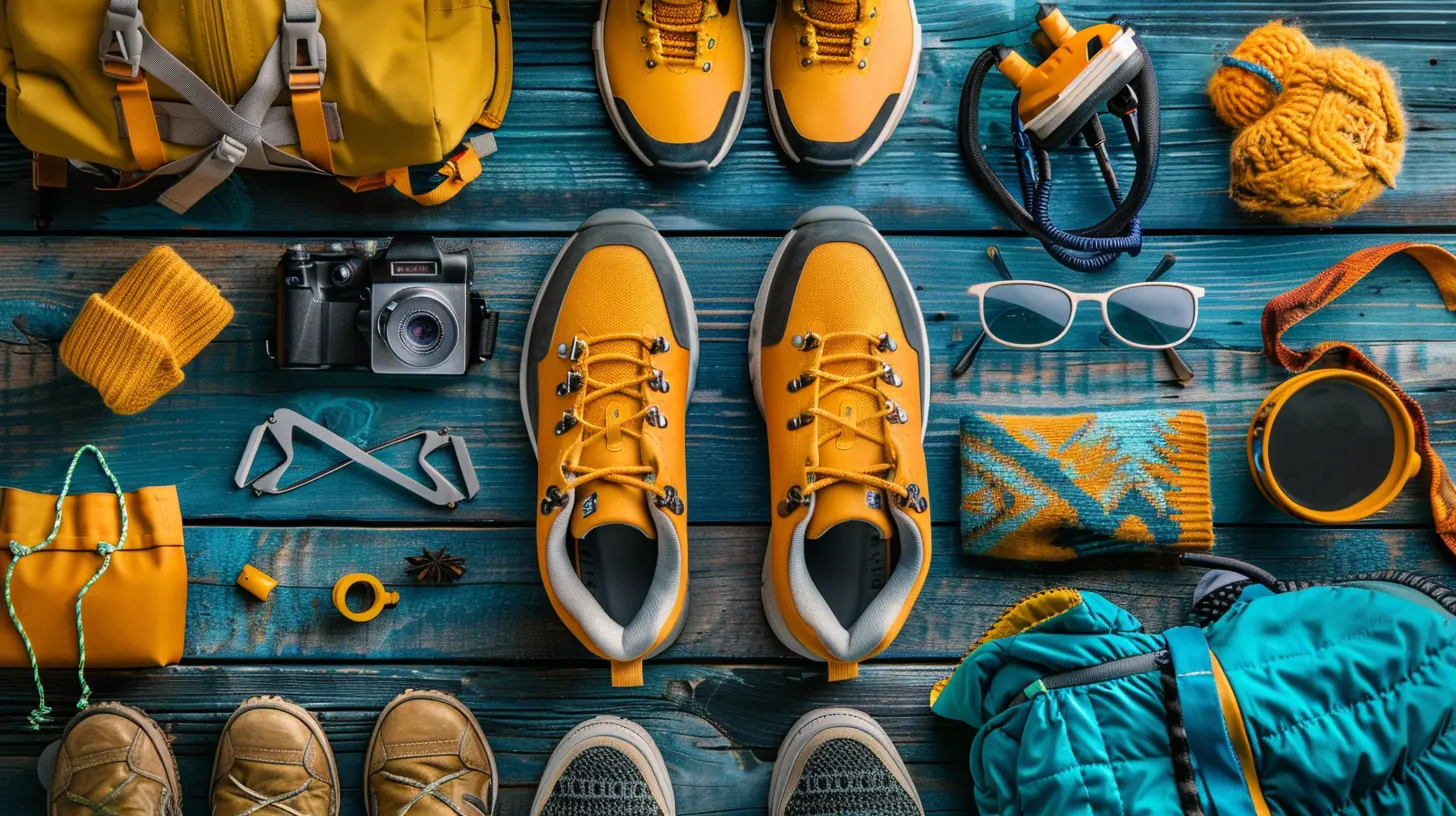
The Importance of Specialized High-Altitude Gear
Imagine climbing Mount Everest, or even hiking up to a 10,000-foot peak, in your everyday gym clothes. Yeah, not a good idea, right? High-altitude sports require gear that can withstand extreme environments, provide adequate protection, and support your body’s performance in challenging conditions.At higher altitudes, oxygen levels drop, temperatures plummet, and the risk of exposure to wind, snow, and even UV radiation increases. Without the right equipment, you're not just uncomfortable—you could be putting yourself in serious danger. Specialized gear is designed to help you stay warm, breathe easier, and maintain your energy levels, even when you're pushing yourself to the limit.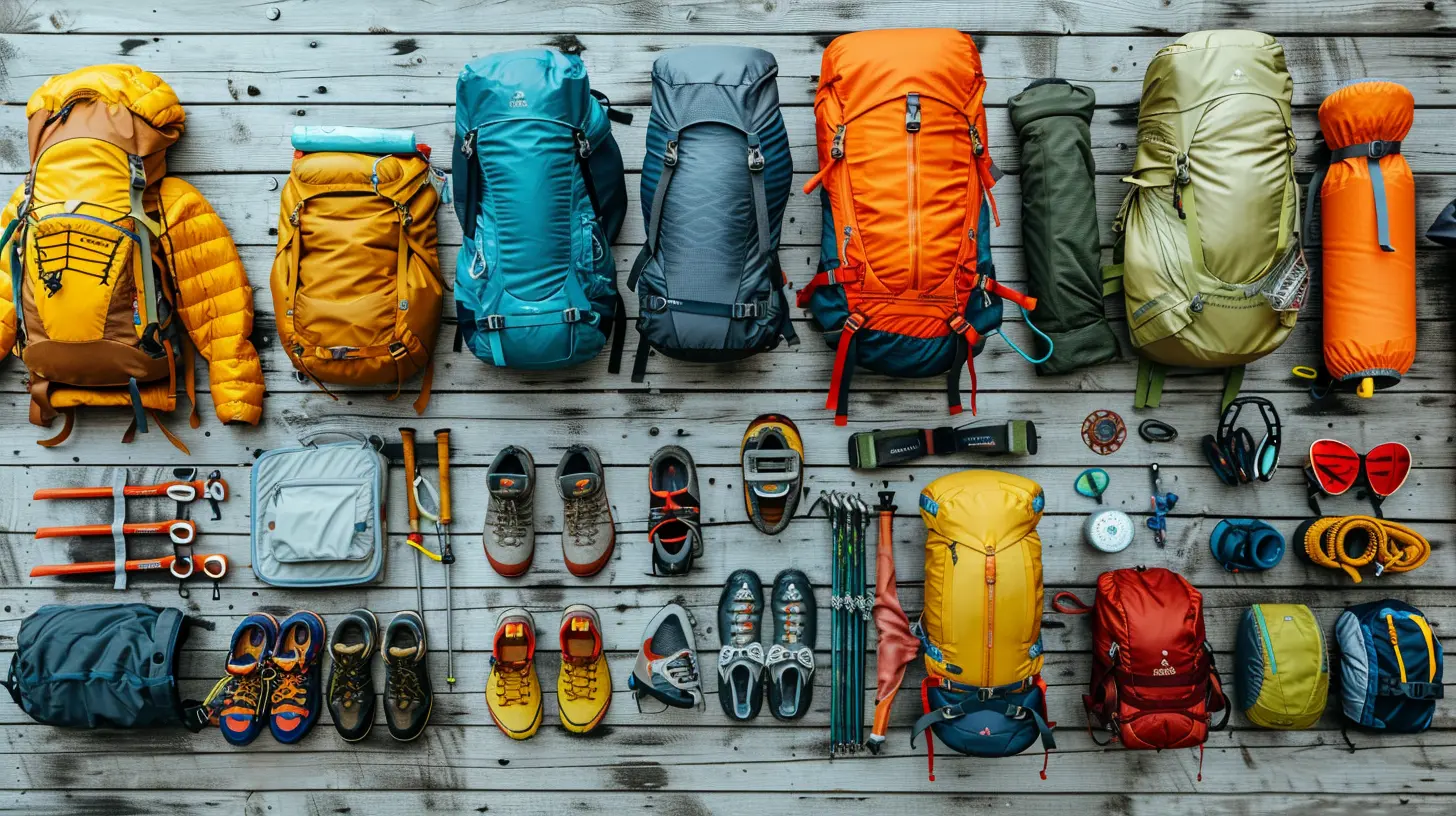
What Makes High-Altitude Sports Gear Special?
So, what exactly makes high-altitude sports gear different? It’s all about the details. Whether it's clothing, footwear, or equipment, every piece of gear is designed with specific technologies and materials to handle the unique challenges of high-altitude environments. Here are a few standout features:1. Breathability and Insulation
At high altitudes, temperatures can fluctuate dramatically, with freezing cold nights and sunny but chilly days. That’s why layering is key. Your gear should be breathable enough to prevent overheating during intense activity but insulated enough to keep you warm when the temperature drops. Synthetic materials like fleece and merino wool are often used for insulation because they trap heat without adding bulk. On the flip side, fabrics like Gore-Tex are popular for their breathability and moisture-wicking properties, keeping sweat from turning into an icy problem.2. Lightweight but Durable
At higher altitudes, every ounce of weight matters. You want to carry as little as possible, but you also need gear that can take a beating. High-altitude sports gear is designed to be lightweight without sacrificing durability. Think of materials like ripstop nylon, which can hold up against rugged terrain and intense use, yet won’t weigh you down.3. Wind and Waterproofing
High altitudes are notorious for unpredictable weather. One minute it's sunny, the next you're battling fierce winds and snow flurries. That’s why your outer layer—whether it’s a jacket, pants, or gloves—needs to be windproof and waterproof. This helps protect you from the elements while keeping your body temperature regulated. A good hardshell jacket made from materials like eVent or Gore-Tex is a must-have for keeping the wind and moisture out while allowing your skin to breathe.4. UV Protection
You might not think about it, but UV radiation is stronger at higher altitudes due to thinner air. The higher you go, the more exposed you are to harmful UV rays, which can lead to sunburn or even snow blindness. Many high-altitude sports clothes are designed with built-in UV protection (often labeled as UPF), so you won’t have to worry about getting fried by the sun when you're miles above sea level.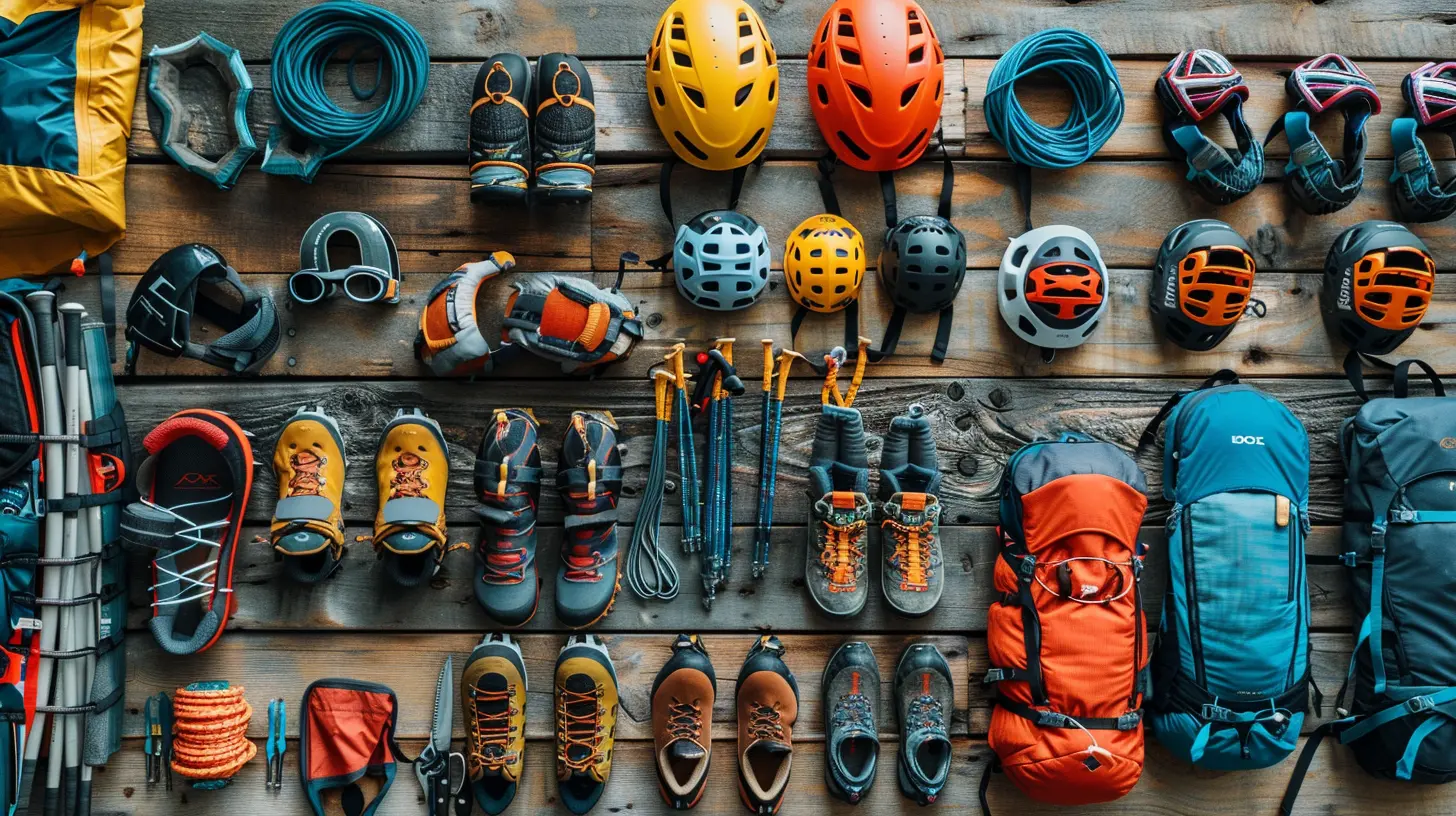
Essential High-Altitude Gear Categories
Now that you know what makes high-altitude sports gear special, let’s talk specifics. What essential items should you have in your bag when heading into thin air?1. Clothing
Base Layer
Your base layer is the foundation of your outfit, and it’s crucial in managing moisture. A good base layer will wick away sweat, keeping you dry and preventing hypothermia. Look for options made from synthetic fabrics or merino wool. Cotton is a big no-no—it absorbs moisture and takes forever to dry, which is the last thing you need at high altitudes.Insulating Layer
This is your mid-layer, designed to trap heat close to your body. Think fleece jackets, down vests, or insulated pants. Down feathers are lightweight and extremely warm, but they lose their insulation power when wet, so consider synthetic alternatives if you’re expecting wet conditions.Outer Layer
The outer layer, or shell, is your first line of defense against wind, snow, and rain. A waterproof, windproof, and breathable jacket is essential. Gore-Tex is a popular choice for its excellent weatherproofing capabilities, but there are other options like Pertex or eVent that perform similarly.2. Footwear
At high altitudes, your feet take a beating. Whether you’re hiking, skiing, or climbing, you need footwear that offers support, insulation, and protection from the elements.Boots
For extreme altitudes, mountaineering boots are a must. These boots are often insulated and have stiff soles designed for walking on rocky or icy terrain. Some models even feature built-in gaiters to keep snow and water out. If you're hiking at a less extreme altitude, sturdy hiking boots with proper ankle support and waterproofing can do the job.Socks
Don’t underestimate the importance of a good pair of socks. Merino wool socks are a favorite among high-altitude adventurers because they provide warmth, wick moisture, and have natural anti-odor properties. You’ll want multiple pairs so you can change them out regularly—dry feet are happy feet.3. Headgear and Gloves
Hats
A lot of your body heat escapes through your head, so keeping it covered is crucial. A wool or synthetic beanie is a great option for retaining heat. If you’re at risk of sun exposure, consider a hat with UV protection to shield your face and neck.Gloves
Keeping your hands warm and dexterous is critical at high altitudes. A good pair of gloves should offer insulation without sacrificing mobility. Layering your gloves can help—wear a thin liner glove for warmth and a waterproof, windproof glove over it for protection. It’s a bit like dressing your hands in tiny sleeping bags!4. Eyewear
Remember how we talked about UV protection? Well, that applies to your eyes too. Snow blindness is no joke, and the sun’s reflection off snow can be brutal. High-quality sunglasses or goggles with UV protection are essential for any high-altitude activity. Polarized lenses can help reduce glare, giving you a clearer view of your surroundings.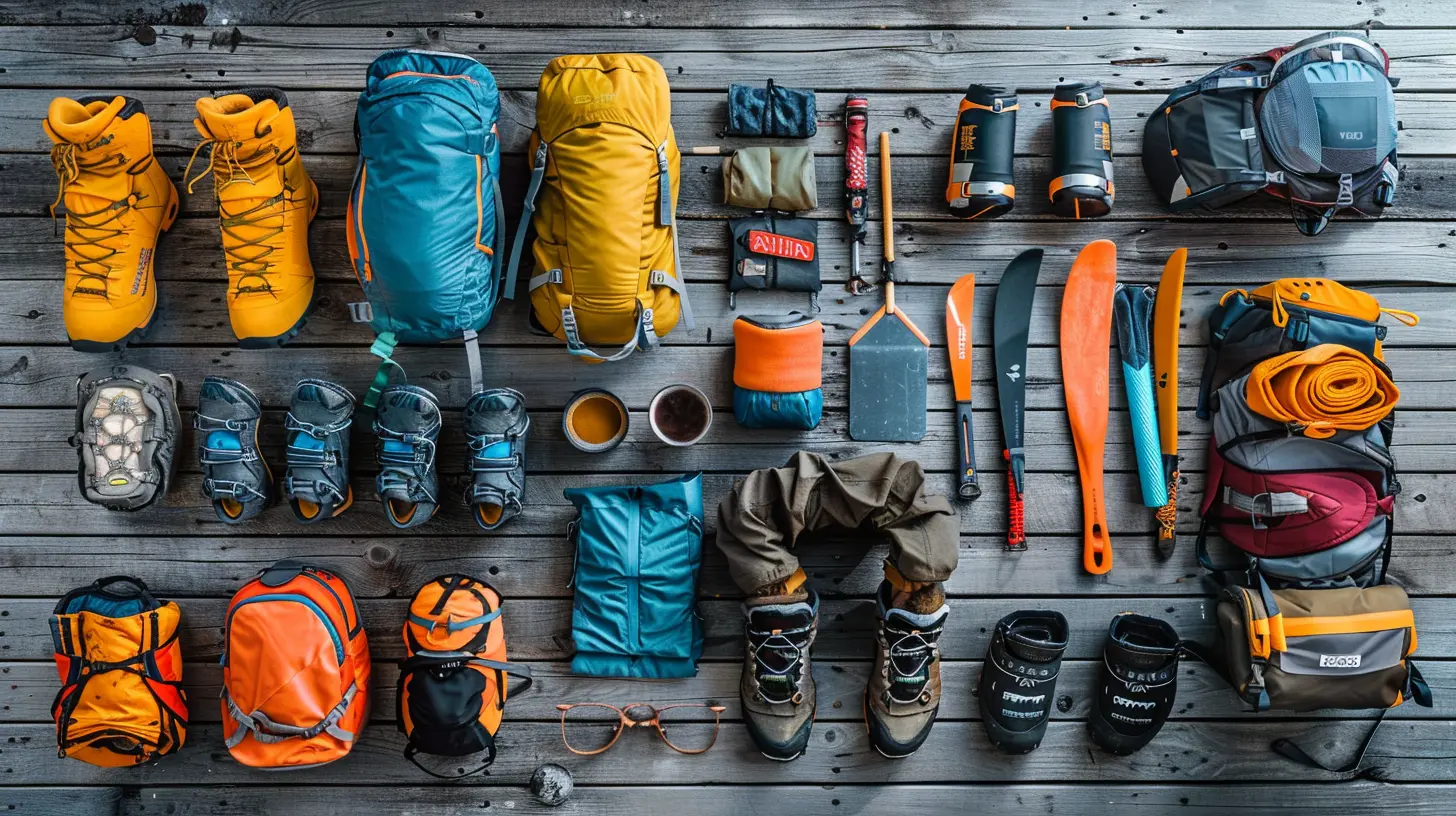
Other Crucial High-Altitude Gear
Beyond clothing and footwear, there are a few other key items that will make your high-altitude adventure safer and more comfortable:1. Backpack
A lightweight, durable backpack is a must. Look for one with plenty of compartments for organizing your gear and enough space for hydration systems, snacks, and extra layers. Many high-altitude backpacks feature adjustable straps and padded hip belts for better weight distribution, making those long treks more bearable.2. Hydration System
Dehydration is a big risk at high altitudes because the air is dryer and your body loses moisture faster. A hydration bladder with a tube allows you to sip water without stopping, but always carry extra water bottles as a backup. And don’t forget—you may need to melt snow for water, so having a lightweight stove or water purification system can be a lifesaver.3. Trekking Poles
Trekking poles help reduce strain on your knees and improve your balance on rough terrain. Look for models that are lightweight and collapsible, so you can easily stash them in your backpack when not in use.4. Emergency Kit
At high altitudes, you’re often far from immediate help, so an emergency kit is essential. This should include basic first aid supplies, a thermal blanket, a whistle, and a multi-tool. It’s also a good idea to carry a portable GPS or satellite phone in case you need to signal for help.Adapting to High Altitude: Don’t Forget the Mental Game
While having the right gear is crucial, it’s not the only thing that will get you through a high-altitude adventure. Your mental and physical preparation is just as important. Altitude sickness can strike even the fittest athletes, so it’s essential to listen to your body, stay hydrated, and give yourself time to acclimate. Sometimes, the hardest part of a high-altitude challenge isn’t the gear or the terrain—it’s staying mentally tough when your body wants to quit.Final Thoughts
Conquering high altitudes is an extraordinary experience, but it requires careful planning and the right equipment. From specialized clothing to durable footwear and essential accessories, high-altitude sports gear is designed to keep you safe, comfortable, and performing at your best in extreme conditions. Remember, the higher you go, the more critical your gear becomes—so choose wisely, pack smart, and get ready for the adventure of a lifetime!all images in this post were generated using AI tools
Category:
Sports GearAuthor:

Ruben McCloud
Discussion
rate this article
2 comments
Quentin Mendez
Embrace the challenge of high-altitude sports! Equip yourself with the right gear and conquer peaks—your adventure awaits! Elevate your performance!
January 25, 2026 at 11:29 AM
Ruben McCloud
Thank you! Embracing challenges and having the right gear is key to enjoying high-altitude sports safely and effectively. Adventure truly awaits!
Colton Carr
High-altitude sports gear is essential for performance and safety. Prioritize lightweight materials, insulation, and breathability. Investing in quality gear can enhance your experience and help you tackle challenging conditions with confidence.
December 16, 2025 at 5:29 AM
Ruben McCloud
Thank you for your insights! Prioritizing quality gear is indeed crucial for safety and performance in high-altitude sports.