When Sports Celebrities Take a Stand: The Most Powerful Moments of Athlete Activism
11 July 2026
Sports have always been an arena for pushing boundaries, breaking records, and making history. But sometimes, athletes make their mark not by their performance on the field, but by taking a stand off it. When sports celebrities use their platform to advocate for change, speak out against injustices, or inspire social movements, they remind us that they are more than just athletes. They’re influential figures with the power to shape society’s conversations, and, in some cases, shift the course of history.
In this article, we’re going to dive into some of the most powerful moments of athlete activism. From standing up for racial equality to advocating for human rights, these athletes have shown that their voices can be just as impactful as their talents. Let’s take a look.
The Power of the Platform
Before we jump into specific moments, let’s acknowledge something important: athletes have a unique platform. Whether they’re superstars in the NBA, world-renowned soccer players, or Olympic champions, they often have millions of eyes on them. And with that kind of attention, they also have the responsibility to decide how they use their voice.Some athletes choose to stay out of the political or social spotlight, focusing solely on their sport. Others, however, take a stand, risking their careers, endorsements, and even personal safety to make their message heard. It’s a high-stakes decision, but for many, the cause is worth the sacrifice.
Muhammad Ali: The Champ Who Refused to Fight
You can't talk about athlete activism without mentioning Muhammad Ali. No athlete in history has wielded their platform with as much passion, charisma, and resilience as Ali. Known for his incredible boxing skills, Ali became one of the most well-known figures of the 20th century, not just because of his talent in the ring, but because of his outspoken nature on issues like racial inequality and the Vietnam War.In 1967, at the height of his career, Ali made headlines for refusing to be drafted into the U.S. military during the Vietnam War. His reasoning? He opposed the war on religious grounds and famously declared, “I ain’t got no quarrel with them Viet Cong... No Viet Cong ever called me [a racial slur].”
For his stance, Ali was stripped of his boxing titles and banned from the sport for several years. But his refusal to fight in the war wasn’t just about avoiding conflict — it was a profound statement about civil rights and racial injustice. His willingness to sacrifice his career for his beliefs cemented his legacy as a fighter, not just in the ring, but in life.
Colin Kaepernick: Kneeling for Justice
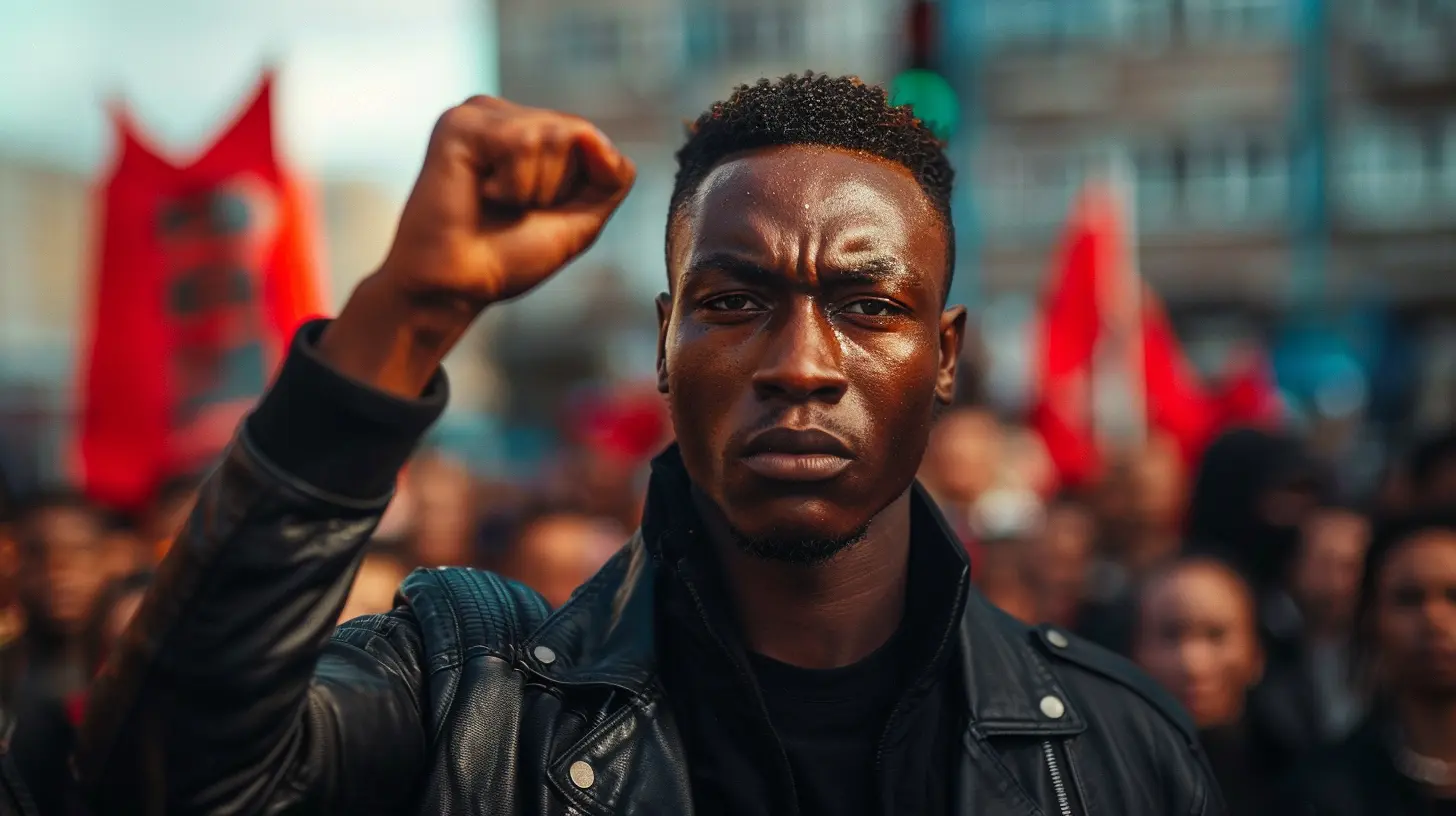
Fast forward to the 21st century, and we find Colin Kaepernick, the former NFL quarterback, who has become synonymous with athlete activism. In 2016, Kaepernick began kneeling during the national anthem before games as a peaceful protest against police brutality and systemic racism in the United States. His decision sparked a nationwide debate that transcended sports.By taking a knee, Kaepernick brought attention to issues that had long been ignored by the mainstream. But his actions also came with consequences. He faced backlash from fans, pundits, and even politicians. Eventually, Kaepernick found himself without a team, as no NFL franchise was willing to sign him after the 2016 season.
Despite being effectively blacklisted from the NFL, Kaepernick’s activism has had a lasting impact. His protest became a symbol of the fight for racial justice and inspired other athletes to speak out and use their platforms to advocate for change. Kaepernick’s legacy goes far beyond football — he's now a cultural and social icon, reminding us that some things are bigger than sports.
Billie Jean King: Fighting for Gender Equality
While many people think of athlete activism in terms of race and politics, it’s also been a battleground for gender equality. Enter Billie Jean King, one of the greatest tennis players of all time and a trailblazer for women’s rights.In 1973, King famously participated in the "Battle of the Sexes" tennis match against Bobby Riggs, a former men’s tennis champ who claimed that no woman could beat him. The high-profile match was about more than just tennis; it was a statement about gender equality in sports and society. King won the match, proving that women could compete at the highest levels and deserve the same respect and opportunities as men.
But King’s activism didn’t stop there. Throughout her career, she pushed for equal pay for female athletes and founded the Women’s Tennis Association (WTA) to help promote women’s professional tennis. King’s relentless fight for gender equality has had a lasting impact on sports, with many of today’s female athletes standing on her shoulders.
LeBron James: More Than an Athlete
Few athletes today have embraced their role as activists as fully as LeBron James. The NBA superstar has used his platform to speak out on a range of social issues, including racial injustice, voting rights, and education.In 2018, after being criticized by a prominent media figure who told him to "shut up and dribble," LeBron responded with the now-iconic phrase, “I am more than an athlete.” Those words have since become a rallying cry for athletes across the globe who refuse to be silenced on issues that matter to them.
LeBron’s activism extends beyond words. He has put his money where his mouth is, founding the I PROMISE School in his hometown of Akron, Ohio, which provides education and support for at-risk children. He’s also been vocal about the Black Lives Matter movement and has spoken out against police violence and voter suppression. LeBron’s efforts show that athletes can make a significant difference both on and off the court.
Megan Rapinoe: Championing LGBTQ+ Rights and Equality
When you think of athletes who stand up for what they believe in, Megan Rapinoe is a name that quickly comes to mind. The U.S. Women’s National Soccer Team star is not just known for her incredible skills on the field, but also for her activism off it.Rapinoe has been a vocal advocate for LGBTQ+ rights, gender equality, and racial justice. As an openly gay athlete, she’s used her platform to push for greater acceptance and inclusion for LGBTQ+ individuals in sports and society. In addition to her advocacy for LGBTQ+ rights, Rapinoe has also been at the forefront of the fight for equal pay in women’s sports, famously suing the U.S. Soccer Federation for gender discrimination.
In 2019, after leading the U.S. Women’s National Team to victory in the FIFA World Cup, Rapinoe used her moment in the spotlight to call for social change. She’s not just a soccer star — she’s a fearless advocate for justice, proving that athletes can be leaders on the field and in the world.
Tommie Smith and John Carlos: The Black Power Salute
Let’s take a trip back to the 1968 Summer Olympics in Mexico City, where one of the most iconic moments of athlete activism took place. Tommie Smith and John Carlos, two African American sprinters, made history not just for their athletic achievements, but for their powerful protest on the podium.After winning gold and bronze medals in the 200-meter race, Smith and Carlos raised their fists in the air during the playing of the U.S. national anthem. This gesture, known as the Black Power salute, was a powerful act of defiance against racial inequality and a statement in support of civil rights.
The consequences were swift and severe. Both athletes were expelled from the Olympics and faced harassment and death threats upon their return to the U.S. However, their bold stance in the face of injustice became a lasting symbol of the fight for racial equality and remains one of the most famous moments of athlete activism in history.
Naomi Osaka: Speaking Through Silence
In recent years, tennis sensation Naomi Osaka has emerged as one of the most influential young voices in sports. Osaka has not only dominated on the court but has also used her platform to stand up for social justice causes, particularly in support of the Black Lives Matter movement.During the 2020 U.S. Open, Osaka wore masks bearing the names of Black individuals who had been victims of police violence, including George Floyd and Breonna Taylor. Her silent protest spoke volumes and brought attention to the ongoing struggle against racial injustice.
Osaka’s activism has also extended to mental health advocacy. After withdrawing from the 2021 French Open to prioritize her mental well-being, Osaka sparked an important conversation about the pressures athletes face and the importance of self-care. Her willingness to be vulnerable and speak out on these issues has made her a role model for athletes and fans alike.
The Ripple Effect of Athlete Activism
What makes athlete activism so powerful? It’s the ripple effect. When a high-profile athlete takes a stand, it inspires others to do the same. Their influence transcends sports, reaching people who might not otherwise engage with social issues. These athletes remind us that change often begins with courage — the courage to speak out, even when it’s unpopular, even when it’s risky.Athletes like Muhammad Ali, Colin Kaepernick, and Megan Rapinoe have shown that sports can be a platform for more than just entertainment. They’ve used their voices to spark conversations, challenge injustices, and inspire action. And while the road hasn’t always been easy, their efforts have left a lasting impact on both sports and society.
In Conclusion
The intersection of sports and activism is not a new phenomenon, but it feels more relevant than ever. In a world where athletes are idolized and their every move is scrutinized, their decisions to speak out on social issues can have lasting consequences — both positive and negative. But as we’ve seen, many athletes choose to take that risk, understanding the power of their platform and the importance of their message.As fans, we often look to athletes for inspiration. But sometimes, it’s not their athletic prowess that inspires us the most — it’s their willingness to stand up for what’s right. When sports celebrities take a stand, they remind us that we all have a role to play in shaping the world we want to live in.
all images in this post were generated using AI tools
Category:
Sports CelebritiesAuthor:

Ruben McCloud
Discussion
rate this article
1 comments
Mika Brooks
Athlete activism reshapes the sports landscape profoundly.
July 16, 2026 at 4:48 AM
Ruben McCloud
Absolutely. When athletes use their platform for change, it can inspire and mobilize millions, sparking conversations far beyond the field.