When Sports Legends Retire: What’s Next for Icons After the Game?
29 June 2026
Sports legends spend years, sometimes decades, dominating their respective fields. Whether it's the basketball court, football field, or boxing ring, they become household names, idolized by millions.
But what happens when the final whistle blows? When the cheers fade and the spotlight dims? Retirement from professional sports can be a major turning point. Some struggle, others thrive. But one thing’s for sure—life after sports is a whole new game.
Let’s dive into what happens when legends hang up their jerseys and what paths they take once they step away from competition. 
The Emotional Toll of Retirement
For many athletes, retirement isn’t just about stepping away from a career—it’s about saying goodbye to a lifelong passion. Imagine working your whole life for something, then suddenly it’s over. That’s what athletes face.Loss of Identity
From the moment they step onto the field, athletes build their identity around the sport. They live and breathe it. Suddenly, when they retire, they’re left wondering: Who am I without the game?Some struggle to find a new purpose, feeling lost without the structure and adrenaline that sports provide. This identity crisis can lead to depression and mental health struggles if not properly addressed.
Adjusting to a New Routine
Athletes spend years following strict training schedules. Their days revolve around practice, diet, and games. Retirement throws all of that into disarray. While some embrace the freedom, others feel aimless, not knowing what to do with all their time.
Common Career Paths for Retired Sports Stars
Not all athletes sit around reminiscing about their glory days. Many find new passions, reinvent themselves, and build successful second careers.1. Coaching & Mentoring
One of the most natural transitions for retired athletes is stepping into coaching roles. From high school teams to professional leagues, legends pass down their knowledge to the next generation.Take Zinedine Zidane—after retiring as one of football’s greatest midfielders, he went on to coach Real Madrid to multiple titles. His story is proof that great players can also become great mentors.
2. Broadcasting & Sports Analysis
Ever watched a game and heard an ex-player breaking down plays? Many retired athletes move into sports media, offering analysis and commentary.Tony Romo, a former NFL quarterback, became one of the most praised sports analysts in the game. His ability to read plays before they happen makes him a fan favorite in the broadcast booth.
3. Business & Entrepreneurship
Athletes often have strong personal brands, making business ventures a natural next step. Many legends launch their own businesses, endorse products, or invest in startups.Take Magic Johnson—after his incredible NBA career, he became a successful businessman, owning restaurants, movie theaters, and even a stake in sports franchises.
4. Acting & Entertainment
Some athletes transition into the entertainment world. Whether it’s movies, TV shows, or podcasts, their fame helps them make the leap.Think Dwayne "The Rock" Johnson—he went from wrestling champion to one of Hollywood’s biggest movie stars. His charisma and drive helped him build an entirely new career outside the ring.
5. Philanthropy & Giving Back
Some legends dedicate their post-sports life to making an impact. From charities to youth programs, they use their fame and fortune for good.Look at LeBron James, who funded a school for underprivileged kids. His I PROMISE School provides education and support to children who need it most.
6. Staying in the Game with Front Office Roles
Some former athletes choose to stay involved at an executive level—becoming team owners, general managers, or consultants.Take Michael Jordan—after dominating basketball, he became the owner of the Charlotte Hornets, proving that great players can also excel in business. 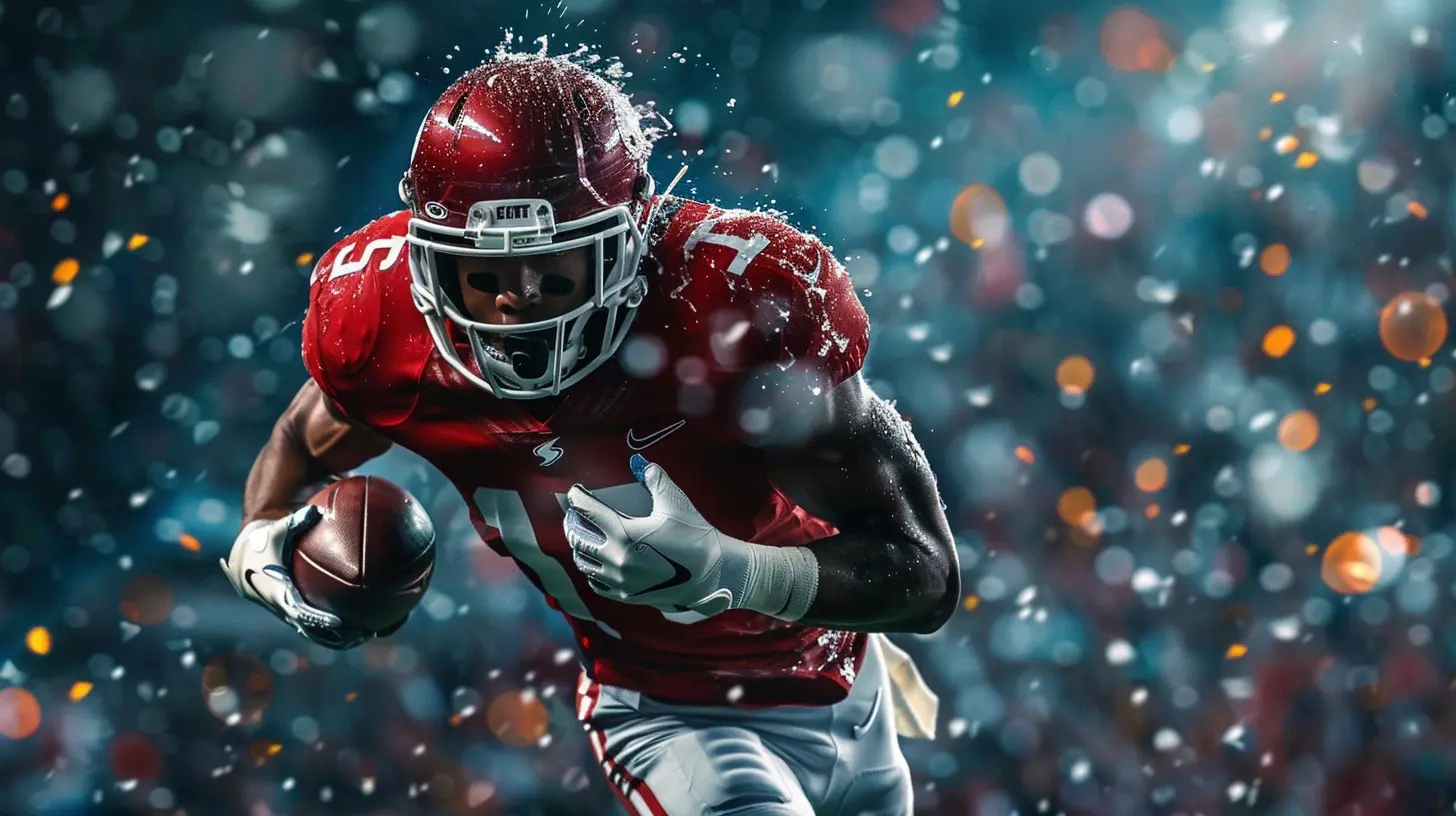
The Dark Side of Retirement
For all the success stories, there are also cautionary tales. Not every athlete adjusts smoothly to life after sports.Financial Struggles
Despite earning millions during their careers, some athletes mismanage their money and go broke. Lavish spending, bad investments, and lack of financial planning leave some legends struggling.Remember Allen Iverson? He made over $200 million in his career but later faced financial difficulties. Poor money management and excessive spending put him in a tough spot.
Health Issues
Years of physical strain take a toll. Many retired athletes deal with chronic pain, injuries, or even long-term neurological issues like CTE (chronic traumatic encephalopathy) from contact sports.NFL players, in particular, have faced severe consequences from repeated head injuries, with many speaking out about the toll football takes on their bodies and minds.
Mental Health Challenges
The mental shift from being in the spotlight to living a regular life can be tough. Depression, anxiety, and even substance abuse affect some retired athletes who struggle to redefine their purpose.Former Olympic swimmer Michael Phelps has been open about his battles with depression after retiring, proving that even the greatest champions face internal struggles. 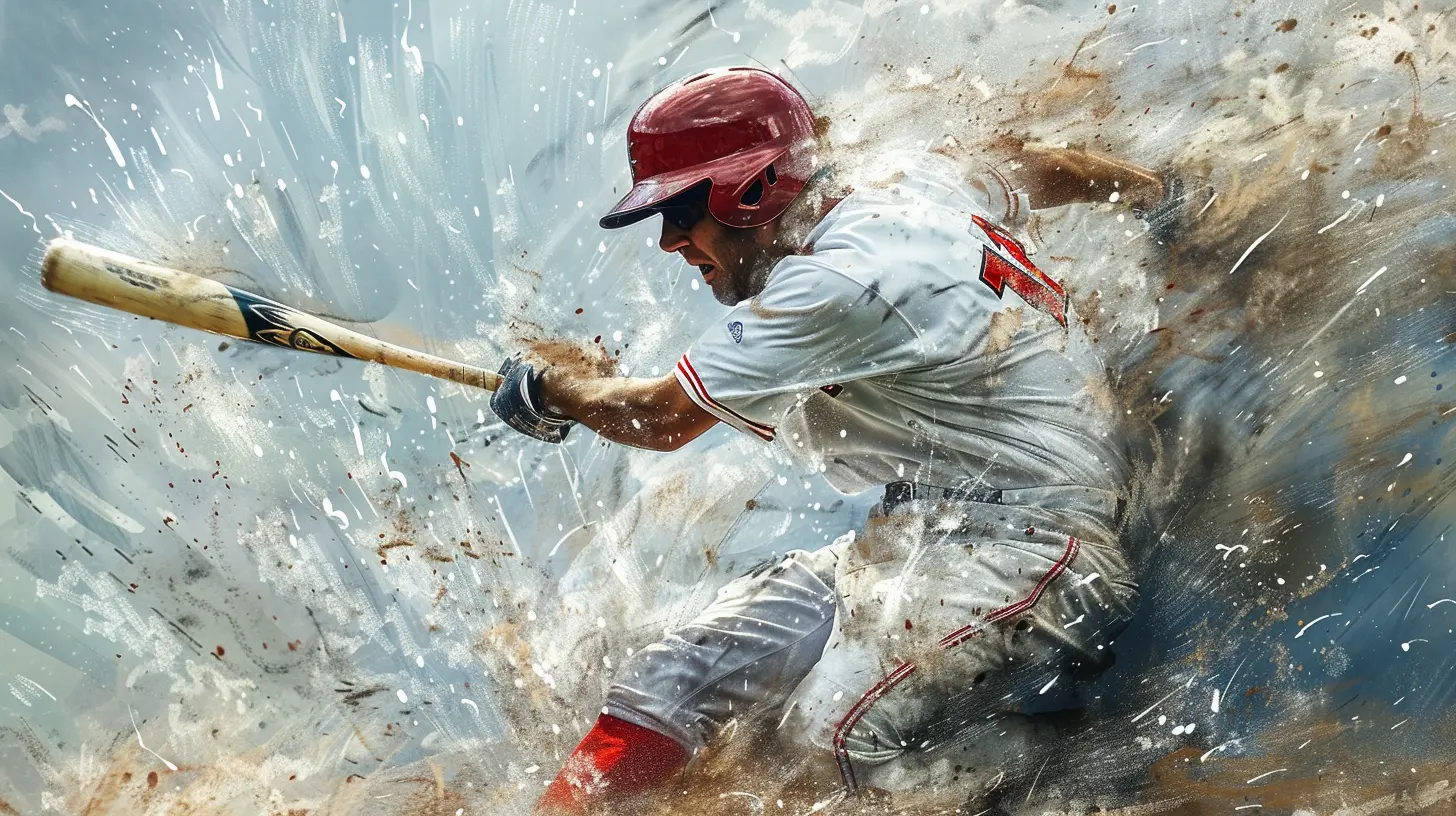
How Athletes Can Prepare for Life After Sports
The key to a smooth transition? Planning. The best athletes don’t just focus on their playing careers—they think ahead.1. Financial Literacy & Smart Investments
Athletes who take control of their finances early on are better prepared for retirement. Many hire financial advisors, invest wisely, and build wealth beyond their playing days.2. Education & Skill Development
Some athletes pursue college degrees or certifications to help them transition into new careers. Whether it’s business, media, or coaching, having a backup plan is crucial.3. Mental & Emotional Preparation
Therapy, mentorship programs, and career coaching can help athletes adjust to post-sports life. Seeking support makes the transition easier.Final Thoughts: Life After the Game Is Just the Beginning
Retiring from sports is a major life shift, but it’s not the end—it’s just a new chapter. Some legends go on to greater success, while others struggle to find their footing. But one thing remains true: the skills that made them great on the field—discipline, resilience, and determination—can help them conquer life after the game.Whether they become coaches, entrepreneurs, or philanthropists, sports icons prove that greatness doesn’t end when they stop playing. It simply takes a different form.
all images in this post were generated using AI tools
Category:
Sports CelebritiesAuthor:
Ruben McCloud
Discussion
rate this article
1 comments
Lyra Perry
Oh sure, because we all know that once legends retire, they just kick back and sip piña coladas on the beach. Forget mentoring the next generation or starting a charity... relaxing is the ultimate goal, right?
July 20, 2026 at 4:16 AM