Why Some Athletes Turn to Doping: A Deep Dive
6 March 2026
Sports are all about pushing limits. Whether it's breaking records, achieving personal bests, or winning championships, athletes dedicate their lives to reaching the pinnacle of performance. But in a world where even a fraction of a second can determine victory, some athletes turn to doping.
Now, you might be wondering—why would someone risk their reputation, career, and even health just to gain an edge? Well, it's not as simple as just wanting to cheat. The world of doping is complex, full of pressure, temptation, and sometimes even desperation.
So, let’s take a deep dive into why some athletes turn to performance-enhancing drugs (PEDs), the motivations behind it, and the consequences that follow. 
The Unrelenting Pressure to Win
Professional sports aren’t just about talent. They're about results. Coaches, teams, sponsors, and fans all expect athletes to perform at the highest level—consistently.Imagine spending years training, sacrificing normal life for grueling routines, only to fall short because your competitor was just slightly stronger or faster. That kind of pressure can push an athlete toward extreme measures.
Athletes know that careers are short. One bad season, one injury, or one underwhelming performance can mean losing endorsements, contracts, and even a place on the team. Some believe doping is the only way to stay on top. 
The Temptation of the “Magic Boost”
Would you take a pill if you knew it could make you stronger, faster, and more competitive—without immediate side effects? Many athletes face this question at some point in their careers.Doping can offer incredible benefits:
- Increased endurance – Allows an athlete to train harder and longer.
- Enhanced strength & speed – A crucial advantage in many sports.
- Faster recovery – Helps reduce downtime between intense workouts.
When the difference between first and second place is razor-thin, PEDs can seem like a golden ticket to victory. 
The “Everyone Else Is Doing It” Mentality
One of the biggest reasons athletes turn to doping? The belief that they’re already competing against others who dope.In highly competitive sports, some athletes assume that performance-enhancing drugs are widespread. If they think their rivals are already using them, they may feel like they’re at a disadvantage if they stay clean. This mindset creates a vicious cycle—one athlete dopes, then another, then another, making it seem like the norm rather than the exception.
Take cycling, for example. The Lance Armstrong doping scandal exposed how deep the problem ran in professional cycling. Many cyclists felt that doping was necessary just to level the playing field. 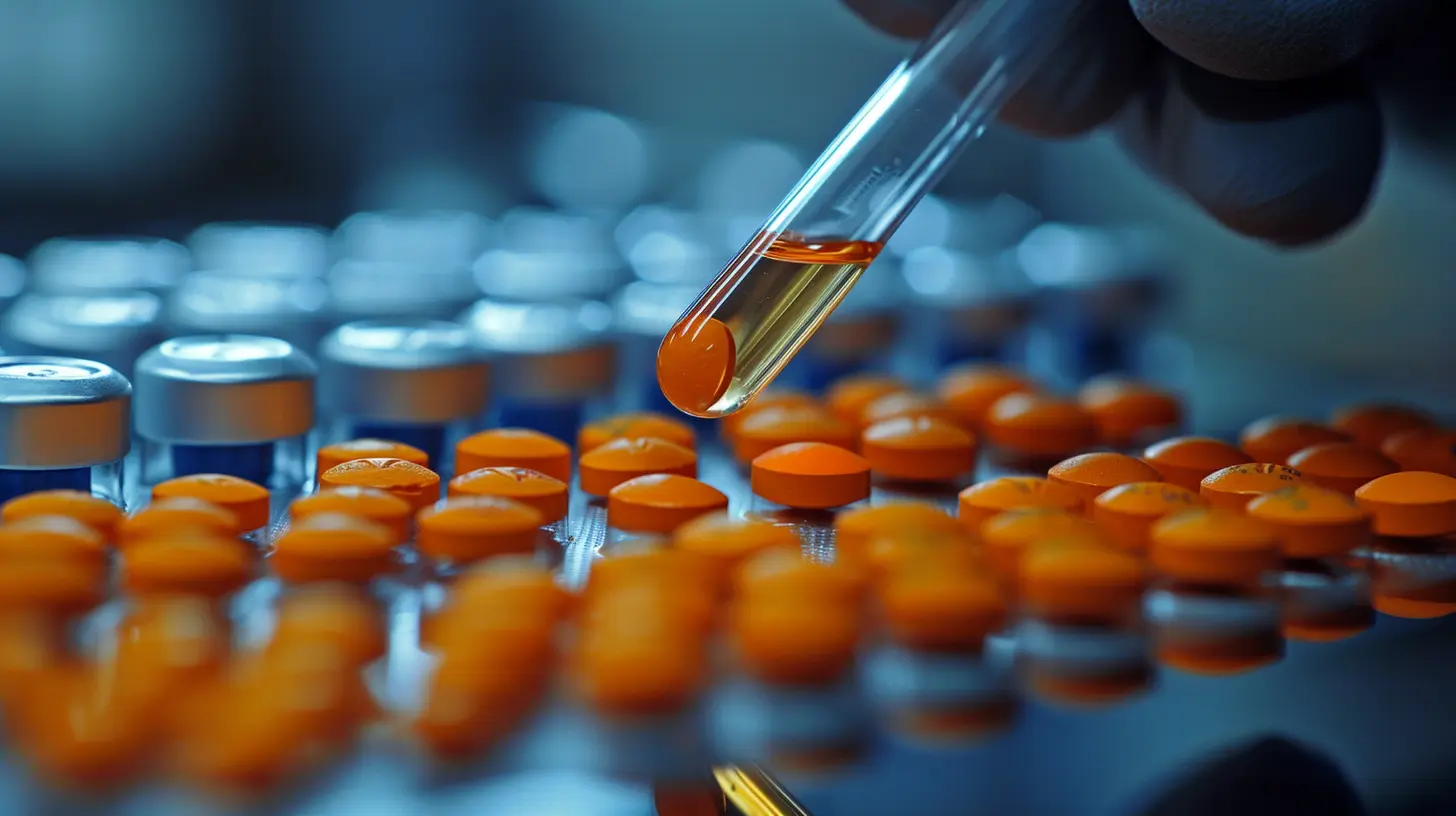
The Role of Coaches and Medical Staff
Not all athletes who dope do it on their own. In some cases, the pressure comes from those around them—coaches, trainers, doctors, or even entire teams.Some athletes are introduced to PEDs through their training staff, often under the guise of "recovery treatments" or "supplements." Others may feel pressured by their teams to do whatever it takes to win.
In extreme cases, state-sponsored doping programs (like what was uncovered in Russia) show just how deep the problem can go. When an entire system is built around doping, athletes have little choice but to comply.
The Fear of Falling Behind
Imagine being an athlete on the rise, training your hardest, and still watching competitors outperform you effortlessly. Frustrating, right?For some, doping feels like the only way to stay competitive. They don’t necessarily want to cheat—they just don’t want to get left behind.
This fear can be even stronger in sports where physical performance is everything. If an athlete sees their career slipping away, the lure of PEDs can become almost impossible to resist.
The False Sense of Security
Many athletes believe they won’t get caught.Anti-doping tests have improved over the years, but so have doping methods. Some PEDs leave the system quickly, while others are masked using sophisticated techniques. Athletes who use them often assume they can outsmart the system.
Some even justify it by thinking, "If I never test positive, am I really cheating?"
But the reality is that testing agencies are always evolving and catching up. Many athletes who thought they were safe eventually got exposed—sometimes years after their careers ended.
The Mental and Emotional Toll
Doping isn’t just about physical performance. It can take a serious mental and emotional toll.Athletes who dope often live with constant fear—fear of getting caught, fear of side effects, fear of being exposed as a fraud. The pressure to maintain secrecy can be overwhelming.
Additionally, PEDs can have psychological side effects, including mood swings, aggression, and even depression. What starts as a shortcut to success can quickly turn into a nightmare.
The Consequences of Doping
For those who get caught, the fallout is brutal.- Career-damaging bans – Some athletes never compete again.
- Stripped titles and records – Years of hard work erased in an instant.
- Destroyed reputations – Fans may never look at them the same way again.
- Health risks – PEDs can cause serious long-term damage, from heart issues to hormonal imbalances.
Take someone like Lance Armstrong—once a global icon, now remembered more for his doping scandal than his victories. The damage to his legacy was irreversible.
What’s Being Done to Stop It?
Sports organizations worldwide are constantly updating anti-doping measures. Stricter testing, longer bans, and whistleblower programs aim to deter athletes from cheating.However, the battle is far from over. As long as the pressure to win exists, some athletes will always look for shortcuts. The challenge is to create an environment where clean competition is encouraged and doping is seen as not just risky, but unnecessary.
Final Thoughts
Doping in sports isn’t just about cheating—it’s about the intense pressure, temptations, and ethical dilemmas athletes face. While some may justify their choices, the consequences can be career-ending and, in some cases, life-threatening.At the end of the day, true greatness comes from hard work, dedication, and natural ability. No shortcut can replace that.
So next time you watch an incredible athletic performance, remember: the best victories are the ones earned honestly.
all images in this post were generated using AI tools
Category:
DopingAuthor:

Ruben McCloud
Discussion
rate this article
2 comments
Zevonis Coffey
Because winning isn’t as easy as napping!
April 3, 2026 at 4:15 AM
Ruben McCloud
Absolutely, the pressure to win can drive athletes to extreme choices. It's a complex issue that goes beyond mere competition.
Brooks McMahon
Doping is a cowardly shortcut that undermines true athletic achievement. While some athletes may justify their choices with the pressure to win, it ultimately reveals a weakness of character. Real champions rely on hard work and dedication, not synthetic boosts. Integrity in sports should never be compromised for fleeting glory.
March 10, 2026 at 1:05 PM
Ruben McCloud
Thank you for your thoughtful perspective. It's crucial to explore the pressures athletes face and the complex motivations behind doping, as understanding these factors can lead to more effective solutions for fostering integrity in sports.