Will Digital Twins of Stadiums Influence Live Fan Experience by 2027?
30 September 2026
The short answer is yes, but not in the way most technology headlines suggest. By 2027, digital twins of stadiums will influence live fan experience mostly behind the scenes. They will shape how venues manage crowds, how operators respond to incidents, and how clubs decide what to build or renovate. The visible, dramatic changes on the concourse will arrive more slowly.
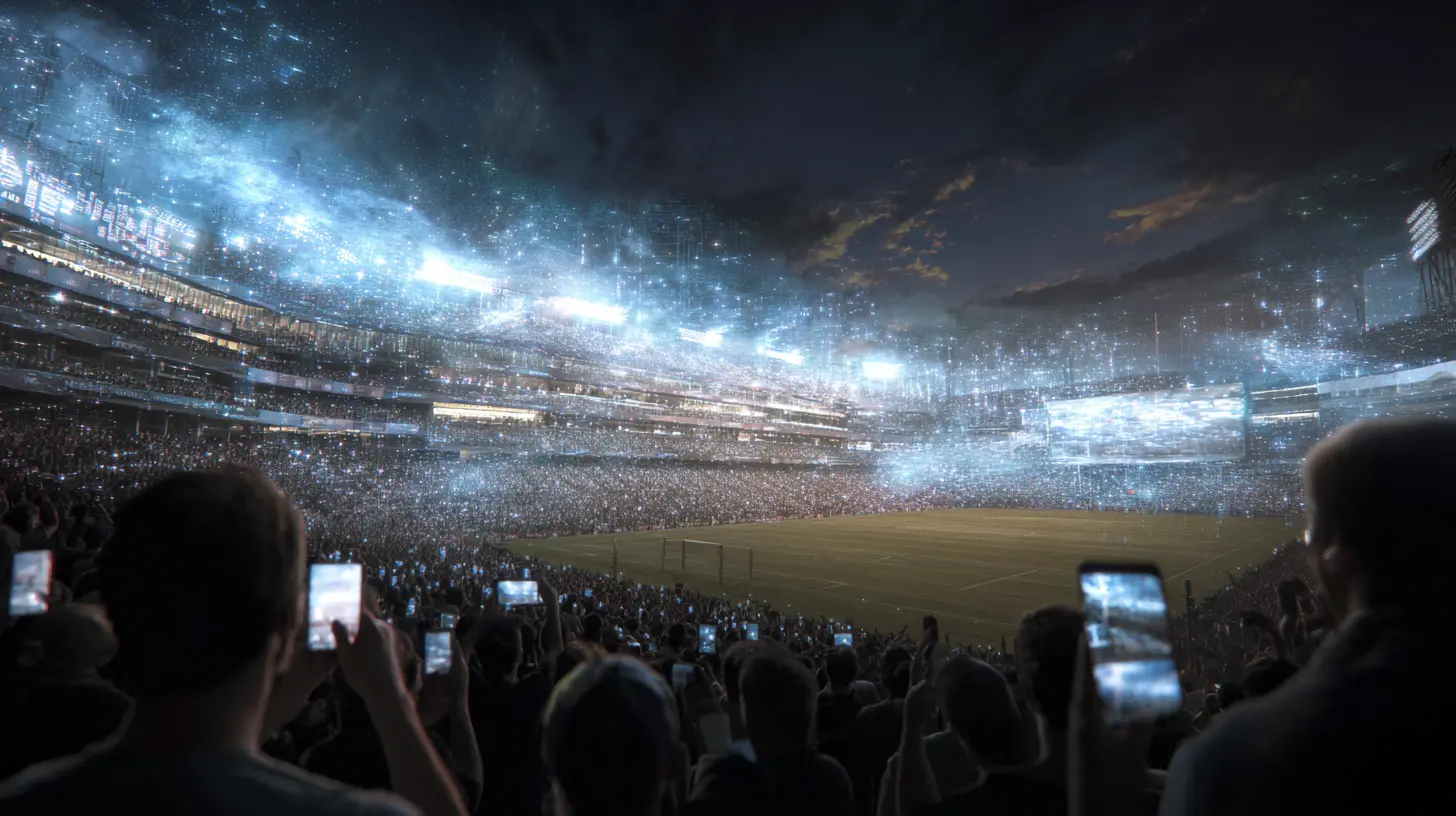
That distinction matters. When people hear "digital twin," they often picture a holographic replica of a stadium that fans navigate with their phones. The reality is more practical and more interesting. A digital twin is a live, data-fed virtual model of a physical venue. It connects sensors, cameras, ticketing systems, weather feeds, and building management software into one simulation that updates in real time. Its value comes from prediction and coordination, not from spectacle.
By 2027, that value will be felt by fans, but often indirectly. Shorter queues. Faster incident response. Better accessibility routing. Smarter scheduling of events. Let us break down what is realistic, what is hype, and what stadium operators and clubs should actually do about it.
What a Stadium Digital Twin Actually Is
A digital twin is not a 3D model sitting on a laptop. A 3D model is a snapshot. A digital twin is a living system. It ingests continuous data from the physical venue and mirrors conditions as they change.Think of it like a flight simulator that is permanently connected to a real aircraft. The simulator knows the plane's speed, altitude, fuel, and weather. It can test what happens if an engine fails. A stadium twin does the same thing for a venue. It knows how many people are in each section, where the concourse is congested, how the HVAC system is performing, and what the security cameras see.
The core components are consistent across implementations:
- A geometric model of the venue, often built from BIM (building information modeling) data
- A data layer that pulls from IoT sensors, turnstiles, point-of-sale terminals, and cameras
- A simulation engine that models crowd flow, energy use, or structural conditions
- A visualization interface for operators, sometimes in a control room, sometimes on a tablet
The important part is the feedback loop. Data flows in, the model updates, operators or automated systems respond, and the results feed back into the model. Without that loop, you have a visualization tool, not a twin.
Why 2027 Is the Realistic Inflection Point
Timing questions deserve honest answers. Digital twins are not new. Aerospace and manufacturing have used them for years. Stadium adoption has been slower for predictable reasons: cost, complexity, and the difficulty of integrating legacy systems.Several forces are converging to make 2027 a plausible turning point.
First, sensor costs have dropped sharply. LiDAR, thermal cameras, and people-counting sensors that once required major capital outlays are now affordable at scale. Second, 5G and Wi-Fi 6E deployments inside venues have matured, giving operators the bandwidth to move data in near real time. Third, cloud compute and GPU rendering have become cheap enough to run complex crowd simulations without owning a data center.
Fourth, and perhaps most important, fan expectations have shifted. Post-pandemic crowds returned with less patience for bottlenecks and more willingness to complain publicly. Venues that cannot manage flow and safety efficiently face reputational risk.
None of this guarantees universal adoption by 2027. Large, well-funded venues in major leagues will lead. Smaller clubs and older stadiums will lag. The influence on live fan experience will therefore be uneven, concentrated in the venues that can afford the investment.
The Fan-Facing Effects That Are Realistic by 2027
Let us separate what fans will actually notice from what operators will notice.Crowd Flow and Queue Management
This is the most immediate and visible benefit. Digital twins can simulate how crowds move through gates, concourses, restrooms, and concession stands. When the model detects a bottleneck forming, it can trigger interventions: opening additional gates, redirecting staff, or pushing notifications to fans suggesting a less crowded entrance.The mechanism works because crowd dynamics are predictable enough to model. People move toward the shortest visible queue, which creates the very congestion they are trying to avoid. A twin can see this happening across the whole venue and intervene before it becomes a problem.
What fans experience is simple: less time standing still. What they do not see is the simulation running behind the scenes.
Dynamic Wayfinding
Static signage has limits. A digital twin can feed a mobile app or digital displays with real-time routing. If the north concourse is jammed, the app can route fans through the south side. If a section is closed for maintenance, the twin updates routes automatically.The trade-off here is adoption. Fans must use the app for this to work. Venues that push app downloads aggressively, sometimes in exchange for perks or discounts, will see better results. Venues that rely on passive signage will capture less value from the twin.
Accessibility and Inclusion
This is an underrated application. Digital twins can model how fans with mobility challenges navigate the venue. They can identify routes that avoid stairs, measure the actual time it takes to reach a seat from a specific entrance, and flag areas where wheelchair users might face difficulty.By 2027, venues that take accessibility seriously will likely use twins to audit and improve their layouts. This is not just a compliance issue. It is a genuine fan experience improvement that affects a large and often underserved audience.
Safety and Incident Response
This is where digital twins may have their biggest impact, even if fans never see it directly. In an emergency, a twin can simulate evacuation routes, identify where crowds will bottleneck, and guide staff to the most effective response.Consider a medical emergency in a crowded section. The twin knows exactly where the person is, which medical team is closest, and which route avoids the densest crowd. That information reaches responders in seconds rather than minutes.
The fan experience benefit is indirect but real. Faster response times save lives. Better evacuation planning reduces panic. These are not marketing points, but they are the kind of improvements that matter most.
What Will Not Happen by 2027
Honesty about limitations is as important as enthusiasm about potential.Full AR Overlays for Every Fan
Augmented reality overlays that show player stats, replays, or navigation arrows through a phone camera have been demoed for years. They remain expensive, battery-draining, and socially awkward in a crowded stadium. By 2027, some venues will offer limited AR features, but mass adoption is unlikely.Real-Time Personalization at Scale
The idea that a digital twin will know your preferences and tailor your entire stadium experience is technically possible but practically difficult. It requires deep integration between ticketing, loyalty, concession, and app data. Privacy concerns and data silos within clubs make this hard to execute well. Some personalization will exist. Ubiquitous personalization will not.Replacement of Human Staff
Digital twins augment human decision-making. They do not replace it. A twin can suggest opening a gate. A human decides whether to do it. The judgment, empathy, and improvisation that stadium staff provide cannot be simulated. Venues that try to automate too aggressively will learn this the hard way.The Operational Realities Behind the Scenes
For stadium operators, the digital twin is less about fan-facing features and more about decision support. This is where the technology earns its keep.Predictive Maintenance
Stadiums are complex physical assets. HVAC systems, escalators, lighting, and plumbing all require maintenance. A digital twin can monitor equipment performance and predict failures before they happen. This reduces downtime and avoids the embarrassing situation of a broken escalator on match day.The value here is straightforward. Unplanned maintenance is expensive. Planned maintenance is cheaper. A twin shifts the balance toward planning.
Energy Management
Stadiums consume enormous amounts of energy, often in short bursts around events. A digital twin can model energy use and optimize systems to reduce waste. This matters for cost and for sustainability goals, which many clubs now publicize.Event Planning and Simulation
Before a concert or a match, operators can run simulations in the twin. How will 60,000 people enter? Where will the bottlenecks be? How many staff are needed at each gate? This kind of planning used to rely on experience and guesswork. A twin makes it data-driven.
Common Mistakes and Misconceptions
Digital twins are not a plug-and-play solution. Several pitfalls are common.Treating It as a Technology Project
The biggest mistake is treating a digital twin as an IT purchase. It is an operational transformation. It requires buy-in from security, operations, concessions, and facilities teams. Without that, the twin becomes an expensive dashboard that nobody uses.Underestimating Data Quality
A twin is only as good as its data. Garbage in, garbage out. Venues that do not invest in sensor calibration, data governance, and integration will find their twin produces misleading simulations. This is a common failure mode.Expecting Immediate ROI
Digital twins are long-term investments. The benefits compound as the model learns and as operators become comfortable using it. Clubs expecting a quick return will be disappointed.Ignoring Privacy Concerns
Collecting data on fan movement raises legitimate privacy questions. Venues must be transparent about what they collect and how they use it. Anonymizing data where possible and complying with regulations is not optional. It is a trust issue that can affect attendance and reputation.Best Practices for Venues Considering a Digital Twin
For operators evaluating this technology, a few principles hold up.Start with a specific problem. Do not build a twin because it sounds impressive. Identify a concrete pain point, such as gate congestion or energy waste, and build toward solving it. This keeps the project focused and measurable.
Invest in data infrastructure first. Sensors, network, and integration layers are the foundation. Without them, the twin has nothing to work with. This is unglamorous but essential.
Involve operations staff early. The people who run the venue know where the problems are. They should be involved in defining what the twin models and how it is used.
Plan for privacy and transparency. Communicate clearly with fans about data collection. Offer opt-outs where feasible. Build trust rather than eroding it.
Measure and iterate. Define success metrics upfront. Track them. Adjust the model and the use cases based on what works.
The Competitive Landscape
By 2027, digital twins may become a differentiator between venues. Clubs that adopt early will have advantages in safety, efficiency, and fan satisfaction. Clubs that lag may find themselves at a disadvantage, especially in markets where fans have choices about where to spend their entertainment budget.This does not mean every club needs a twin. Smaller venues with lower attendance and simpler operations may not see sufficient ROI. The technology makes most sense for large venues with complex logistics and high event frequency.
Conclusion: Influence Yes, Transformation Partial
Digital twins of stadiums will influence live fan experience by 2027, but the influence will be concentrated and often invisible. Fans will benefit from shorter queues, faster incident response, and better accessibility. They will rarely see the technology itself.The venues that succeed will be those that treat the twin as an operational tool, not a marketing gimmick. They will invest in data infrastructure, involve staff, and respect fan privacy. They will measure results and iterate.
The venues that fail will treat it as a shiny object, buy the software, and wonder why nothing changes. The technology is not the hard part. The hard part is the organizational discipline to use it well.
For fans, the takeaway is simple. Your stadium experience is likely to improve in ways you will notice but not attribute to any single technology. For operators, the takeaway is more direct. Start with a problem, build the data foundation, and let the twin earn its place.
all images in this post were generated using AI tools
Category:
Crowd InfluenceAuthor:

Ruben McCloud