Betting on College Sports: What Makes it Different?
3 July 2026
Let’s face it—sports betting is everywhere nowadays. From flashy ads during game day to apps that make wagering as easy as scrolling your feed, we’re living in a whole new age of gambling. But when we shift gears from the pros to the college scene, things change in some pretty big ways. So what makes betting on college sports such a unique beast?
Buckle up, because we’re diving deep into this fascinating topic. Whether you're a seasoned bettor, a curious sports fan, or just want the scoop on why college games are a whole different ball game (pun totally intended)—this article has you covered.
The Emotional Rollercoaster of College Sports
Let's start with the vibe. If you've ever watched a college football game in a packed stadium, you know the energy is electric. There's something raw and emotional about it. These are not multi-millionaire athletes playing for flashy contracts—they’re mostly kids. College athletes are out there wearing their school colors, laying it all on the line for pride, dreams, and maybe a shot at going pro.That emotional volatility? It spills over into the bet too. Unlike the more predictable patterns of professional sports, college games are way more prone to surprises. A powerhouse team might completely fall apart against an underdog. Why? Because momentum swings fast in college sports. Nerves, crowd intensity, and even weather can change the outcome in an instant.
And if you’re betting? That unpredictability makes it a beautiful chaos—but also a heck of a risk.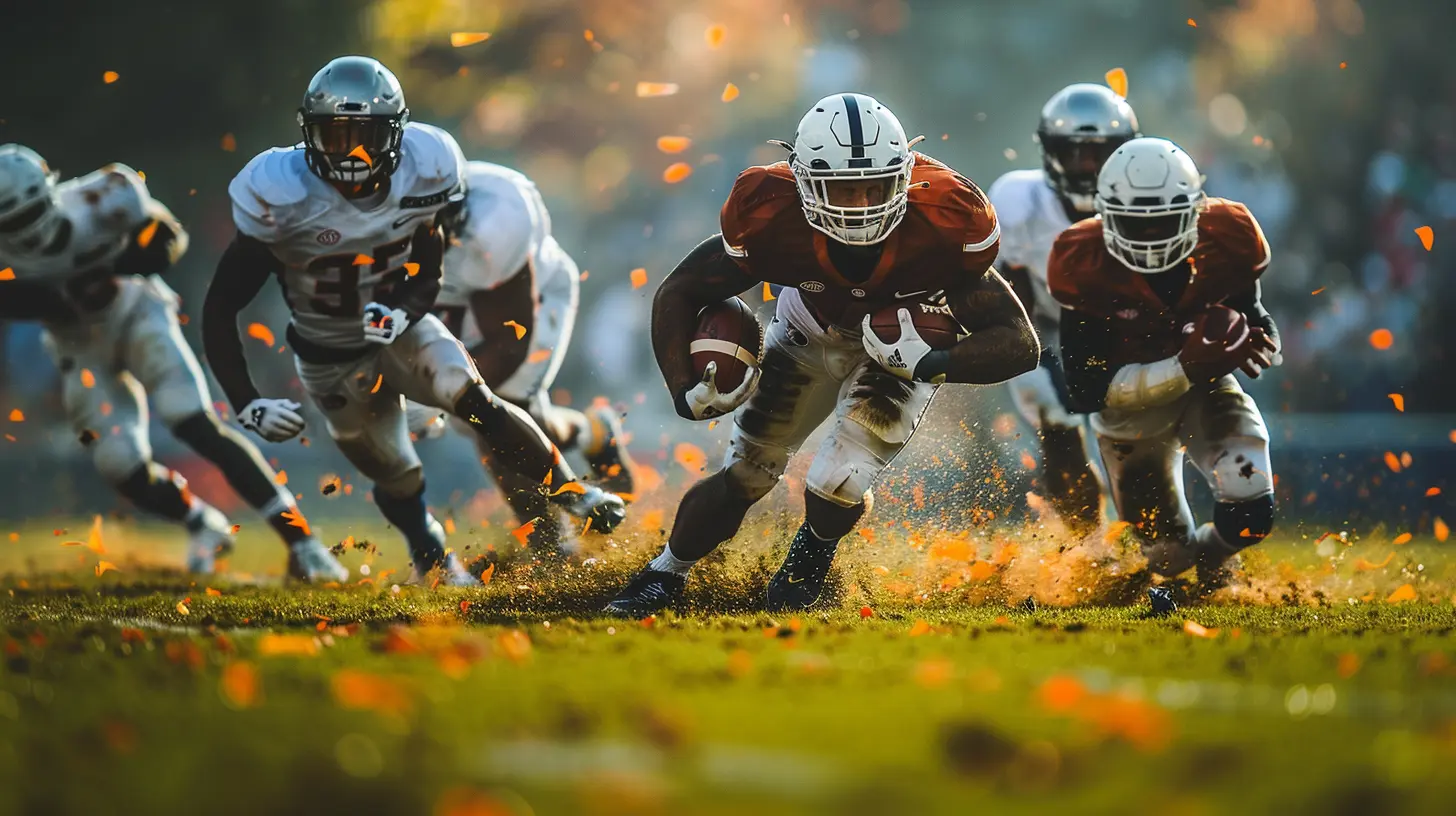
More Teams, More Games, More Madness
Here’s the thing—college sports encompass WAY more teams than professional leagues. NCAA Division I football alone includes over 130 programs. And don't even get us started on March Madness in basketball. Sixty-eight college teams competing in a single-elimination tournament? Absolute mayhem.So, what does that mean for bettors?
More games, more lines, and more opportunities—but also more homework. With such a huge pool of teams, oddsmakers can’t always fine-tune betting lines as precisely as they do for, say, the NFL. That opens doors for smart bettors to spot value... if they’re diligent (and lucky).
The Information Gap: A Double-Edged Sword
We all love having the inside scoop, right? When it comes to professional sports, there’s a constant stream of stats, analysis, and expert takes at your fingertips. But in the college world? Not so much.Think about it: your average college game isn’t getting the same level of coverage as an NBA playoff game. Injuries might go unreported until game time. Depth charts are sometimes kept under lock and key. Sometimes, you're betting in the dark.
But oddly enough, that’s part of the thrill. If you’re willing to dig deeper—reading local papers, following student reporters, watching tape—you might just find nuggets of gold that most people overlook.
Still, that also means the risk is higher. Less information = more room for error. It's like trying to navigate a storm with half a map.
Motivations Matter: Why They Play Changes Everything
Let’s talk motivation for a second. Pro athletes are playing—let’s be real—for money, legacy, and sometimes ego. But college athletes have different motives. Many are hoping to make it to the next level. Some are just trying to keep their scholarships. Others are chasing personal records or conference titles.And motivation can massively affect gameplay—and by extension, your bet.
Take bowl games, for example. Some star players might opt out to avoid injury ahead of the NFL draft. So while the team is technically “whole,” it might be missing key pieces. If you didn’t know that before placing your bet, you’re in for an unwelcome surprise.
On the flip side, some players give it everything they've got in their final college game. That passion? It can fuel game-changing performances—and make betting a real wild card.
The Home Field Advantage Is Just Different
If you've ever seen a college rivalry game in person, you know it feels more like a festival than a football game. The chants, the traditions, the student sections going absolutely bonkers—it’s all part of the magic.That home-field advantage is no joke in college sports.
It’s not just about the crowd noise throwing off the visiting team. It's about comfort, pride, and local support. These student-athletes often spend years in their college towns, and playing at home can give them that extra boost they need to outperform.
As a bettor, ignoring this would be a massive mistake. Pay close attention to whether a game is home or away—because in college sports, the crowd can truly be the 12th man.
Rules, Regulations, and The Impact of the NCAA
Here’s where things get a little sticky. The NCAA, which governs most college sports, has its own set of rules—and they’re strict.Unlike the pros, where betting is sort of baked into the culture, college sports have a complicated relationship with gambling. Universities are deeply protective of their athletes, and for good reason. Point-shaving scandals and betting controversies have happened in the past, and nobody wants history repeating itself.
That’s why some states outright ban college prop bets or restrict betting on local teams. The rules vary depending on where you are, which makes navigating the college betting landscape a little like walking through a legal minefield.
So always—always—check the rules in your state before placing any bets.
Point Spreads Swing Wildly
If you’ve been betting a while, you know the point spread is where the money’s at. But in college sports? These lines can swing wildly.Why?
Because of mismatches. In the NFL, you rarely see blowouts by 40+ points. But in college football? It happens all the time when powerhouses like Alabama face off against smaller schools.
Oddsmakers have to set spreads that reflect the skill gap—but also entice bettors on both sides. Sometimes you’ll see lines that make you do a double take. Like, “Wait...my team is favored by how much?”
That’s why understanding matchups, team strengths, coaching styles, and even weather forecasts is key. A spread might seem outrageous until you realize a team’s running back is averaging 200 yards per game against weaker opponents.
It’s all about doing your homework and not blindly trusting the numbers.
Spotting Letdowns and Trap Games
College athletes are human—young, emotional, and sometimes inconsistent. That makes things like "letdown games" and "trap games" way more common in college sports than in the pros.What’s a letdown game? It’s when a team comes off a huge win and then underperforms the following week. Maybe they got too hyped up, maybe they underestimated their next opponent, or maybe they were just straight-up exhausted.
And a trap game? That’s when a team is looking ahead to a major rivalry match and ends up losing to a team they should have beaten.
These emotional swings can wreck your bets if you’re not paying attention. But if you are? They can also be golden opportunities to pick a smart upset.
The Human Element: Why We Love It (And Why It’s Risky)
You know what's funny? What makes betting on college sports so tricky is exactly what makes it so lovable.It's raw. It's unpredictable. It's emotional. And it's real.
These athletes aren’t risking their bodies for million-dollar contracts (at least, not yet). They’re doing it for love of the game. For their teammates. For school pride.
As bettors, we have to respect that. Because when you’re betting on college sports, you’re not just betting on stats—you’re betting on heart.
And man, heart is hard to quantify.
Responsible Betting: The Real MVP
Let’s get real for a second—betting can be a blast, but it’s not without risks. Add in the unpredictability of college sports, and the rollercoaster can get intense fast.Set a budget. Know your limits. And never chase a loss thinking another bet will fix it. College sports are beautiful and exciting, but they’re not worth wrecking your finances over.
If you ever feel like things are getting out of control, reach out. There are resources and support systems that can help.
This is supposed to be fun. Let’s keep it that way.
Final Thoughts
So, what makes betting on college sports different?Everything.
From the emotions on the field to the unpredictability in the odds, it’s a whole different world compared to pro sports. It’s more volatile, more personal, and honestly? More thrilling.
But it also demands more care, more research, and more respect.
Because behind every bet is a student-athlete chasing their dream—not just a number on a betting slip.
So next time you’re gearing up to place a wager on that Saturday night college football game or March Madness upset special, remember what makes it different—and bet smart.
all images in this post were generated using AI tools
Category:
Sports BettingAuthor:

Ruben McCloud
Discussion
rate this article
1 comments
Maverick Flores
In the thrill of youthful dreams, where passion meets chance, college sports ignite a fire, weaving tales of heart, hope, and unexpected triumphs...
July 3, 2026 at 11:30 AM
Ruben McCloud
You captured the essence perfectly. College sports have a unique energy that fuels both dreams and bold bets.