Beyond the Rivalry: The Unexpected Benefits of Sportsmanship
25 May 2026
Let’s be honest—when we think about sports, our minds rush straight to the big games, the nail-biting finishes, the rivalries that divide cities and families during the playoffs. It’s all about winning… or is it?
Well, not entirely.
Sure, the adrenaline rush of clashing teams and the pursuit of glory make sports exciting. But beneath the roaring crowds and final scores lies something even more powerful—sportsmanship. It’s that handshake after a tough loss, the pat on the back to a struggling opponent, or even the gesture of helping someone up after a hard tackle.
You might be surprised, but there’s way more to sportsmanship than just being “nice.” In fact, the benefits go far beyond the field. Let’s dive deep into how sportsmanship shapes players, transforms communities, and even impacts society as a whole.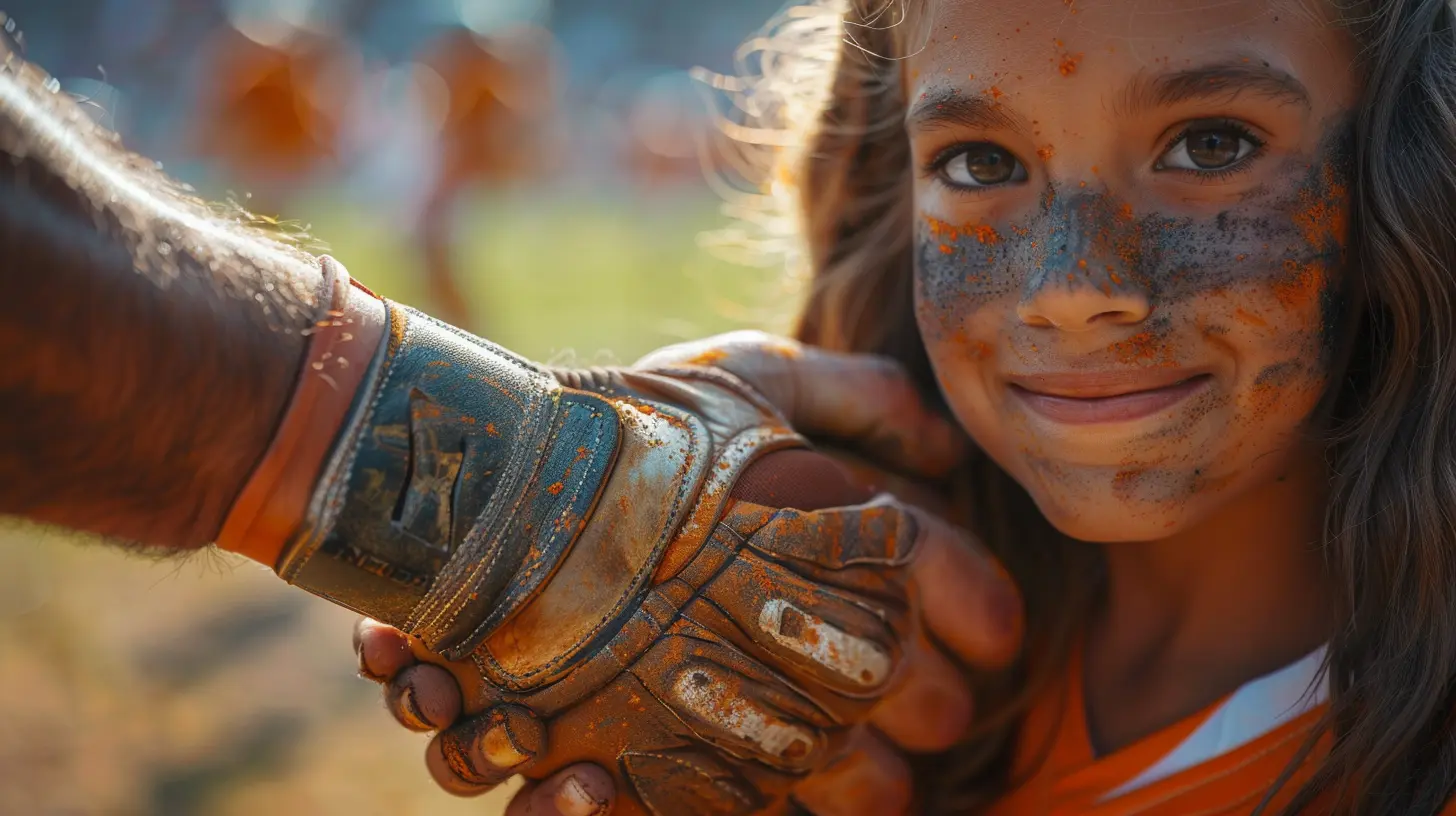
What Is Sportsmanship, Really?
Before we dig into the good stuff, let’s get clear on what sportsmanship actually is. It’s not just shouting “good game” at the end of a match or staying out of fights—though that’s part of it.At its core, sportsmanship is about respect—for the game, for opponents, for teammates, and for yourself. It’s grounded in fairness, humility, and integrity. It’s playing hard but clean. It’s competing fiercely but graciously. And it’s knowing how to win and lose with class.
It’s what separates a true competitor from a sore loser or a boastful winner.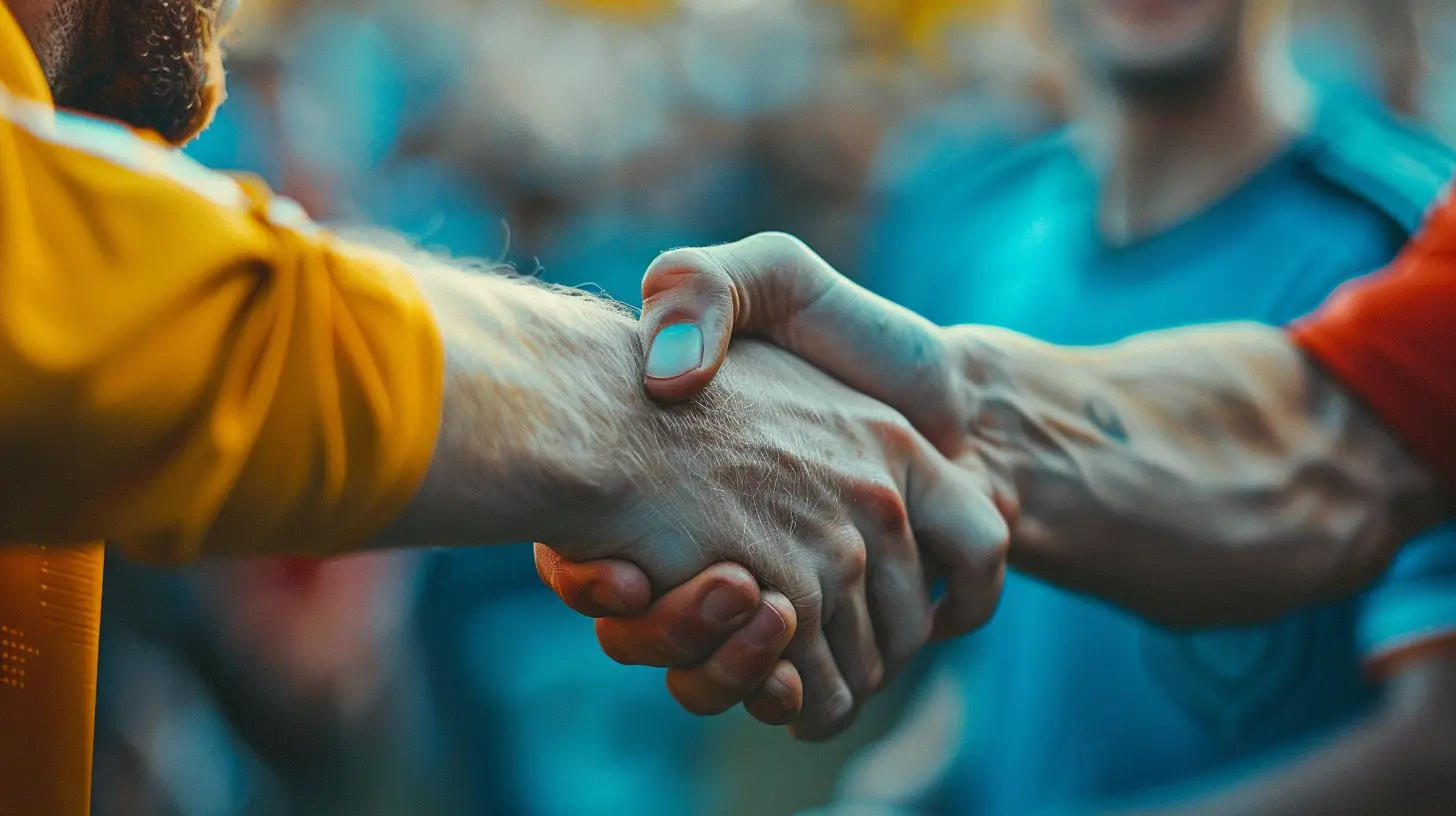
The Hidden Power of Sportsmanship
You might think sportsmanship is a feel-good, fluffy concept—but dig a little deeper, and you'll see it's packed with real, tangible benefits. Let’s break down some of the most powerful, and frankly unexpected, rewards of prioritizing sportsmanship on and off the field.1. Builds Character That Lasts a Lifetime
Ever met someone who just exudes integrity and respect? Odds are, they played sports the right way.Sportsmanship teaches life lessons that stick. When athletes learn to respect others, handle wins without ego, bounce back after losses, and own their mistakes, they build character traits that last long beyond their playing days.
Think about it: in life, we don’t always win. Jobs fall through, relationships fail, and plans change. The resilience and humility learned through sportsmanship help athletes handle those real-life curveballs like pros.
2. Strengthens Team Bonds and Unity
Ever seen a team fall apart because of one player’s ego? Yeah, it’s ugly.Now picture this: a team that has each other’s backs no matter what, celebrates together, keeps each other in check, and picks each other up during tough times. That right there is a team built on sportsmanship.
When athletes support each other, share credit, and play for the team instead of individual glory, it creates trust. And trust? That’s the glue that holds any successful team together.
3. Transforms Rivalries into Respect-Fueled Relationships
Rivalries bring heat, no doubt about it. But some of the most iconic rivalries in sports are also built on deep mutual respect.Why? Because athletes who practice sportsmanship understand one vital thing: you can compete passionately without demeaning your opponent.
Look at fierce tennis rivals like Roger Federer and Rafael Nadal. They battled for major titles for years but always praised each other. Fans respected them not just for their game but for their grace.
When you play with honor, even your rivals can become your biggest motivators—or, someday, friends.
4. Encourages Positive Fan Behavior
Let’s not kid ourselves—how athletes act on the field heavily influences how fans behave off it.When players trash-talk, argue, or fight dirty, it gives fans the green light to behave the same. But when athletes show class, fans take notice—and often follow suit. That ripple effect can shift the mood of an entire arena or even a community.
Sportsmanship turns games from battle zones into celebrations of skill, passion, and unity.
5. Enhances Mental Strength and Emotional Intelligence
Here’s the thing: good sportsmanship isn’t just about outward behavior—it sharpens what’s going on inside, too.Managing disappointment after a loss? Staying cool under pressure? Encouraging a struggling teammate instead of blaming them?
Yeah, that takes emotional intelligence. Athletes who prioritize sportsmanship develop strong self-control, empathy, and mindfulness. They learn how to stay grounded in chaos. And let’s be real—those are some pretty priceless life skills.
6. Leaves a Lasting Legacy
We remember champions, sure. But we admire those who win with grace and lose with dignity.Legacies aren’t just made in the win column—they’re built in the moments people show who they really are. Whether it’s a heartfelt post-game embrace, a selfless assist, or an apology after a dirty play, sportsmanship leaves a mark on hearts, not just highlight reels.
Ask yourself: when people remember your name, do you want them to say, “Wow, they were good,” or “Wow, they were GOOD people”?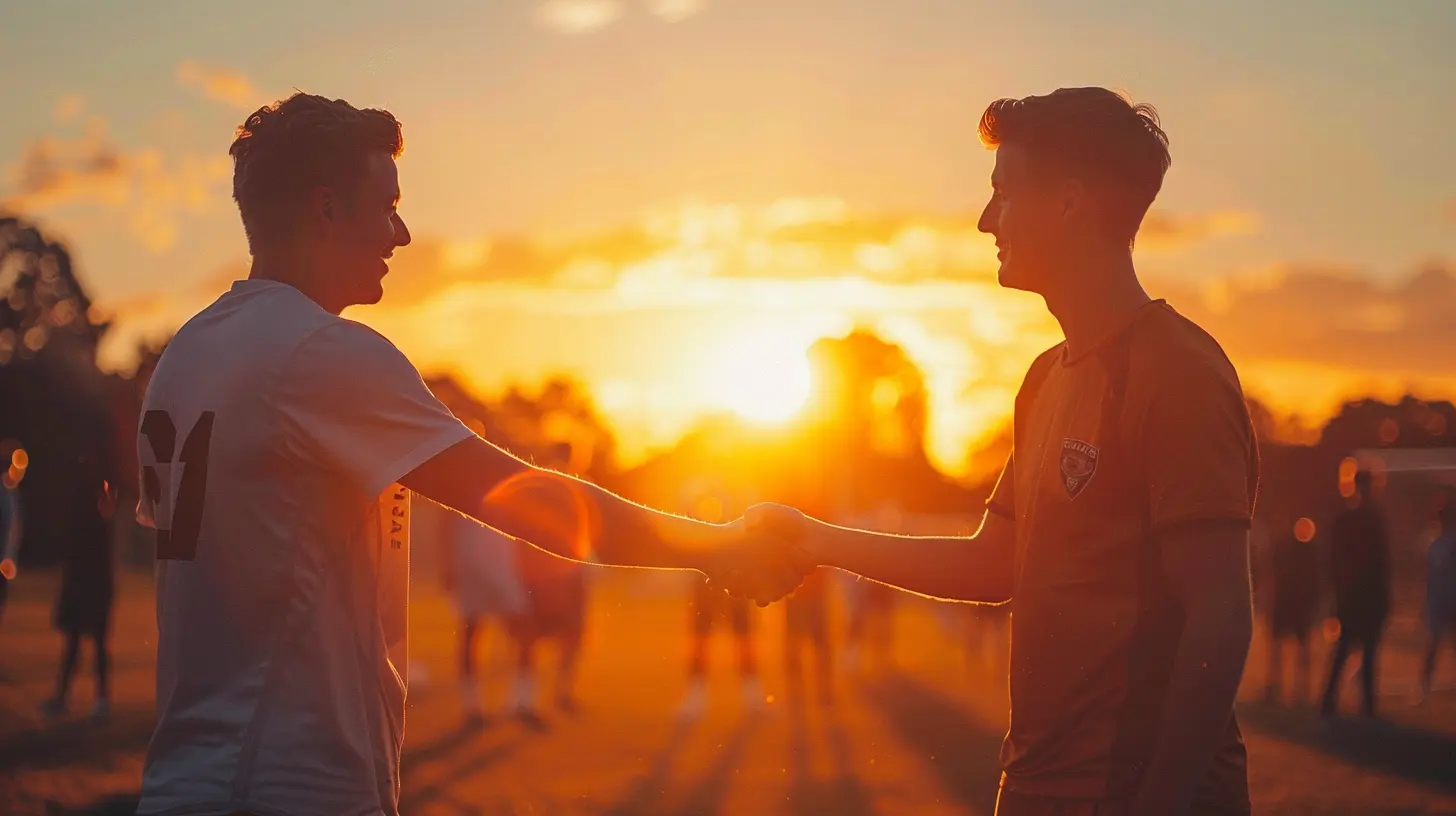
Sportsmanship Off the Field: The Ripple Effect
Okay, you get it—sportsmanship rocks. But guess what? It doesn’t stop at the final whistle. The habits and values it teaches extend far beyond the court, pitch, or rink.Let’s talk real-life impact.
1. Better Leaders in Business and Life
Athletes who embrace sportsmanship grow into leaders who can take feedback, respect competition, and lift others up. They’re the ones guiding companies with integrity or managing teams with empathy.Why? Because good sportsmanship teaches conflict resolution, compromise, and collaboration. And those are must-haves in today’s fast-paced, people-driven world.
2. Stronger Communities
Kids learn by watching—and when young athletes see their heroes showing class under pressure, it plants seeds. Seeds that grow into community respect, empathy, and unity.Local leagues, school teams, Sunday morning pickup games—they all thrive when sportsmanship is present. It creates an inclusive environment where everyone feels valued, no matter their skill level.
3. Promotion of Diversity and Inclusion
Let’s face it: sports can and should be a unifying force. But that only happens when respect is central.Sportsmanship creates space for different backgrounds, beliefs, and perspectives to be embraced—not just tolerated. It reminds us that while we may wear different jerseys, we’re playing the same game.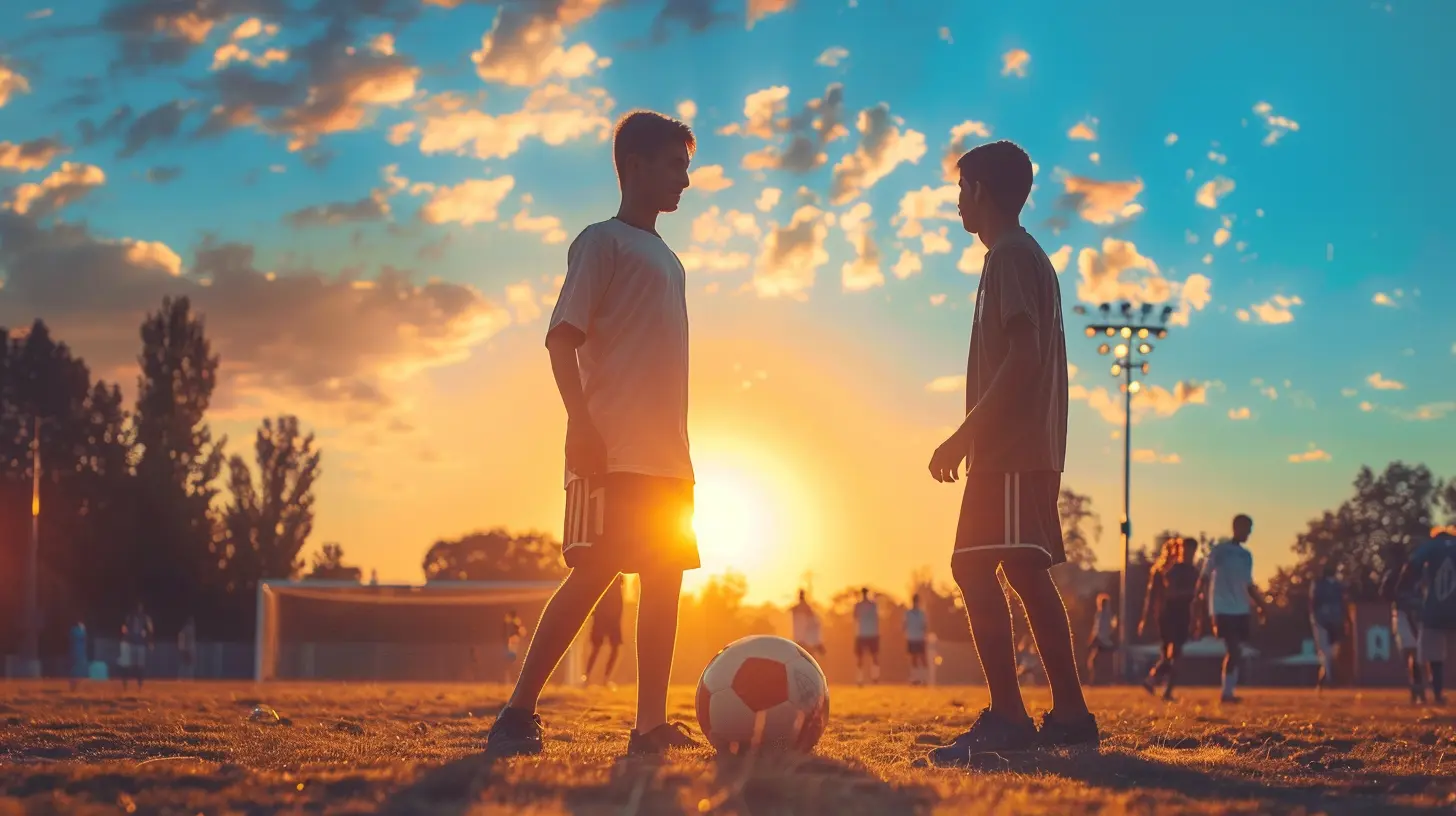
Overcoming the Win-at-All-Costs Mentality
Now, let’s call out the elephant in the room. In a world obsessed with being #1, it’s easy to think that sportsmanship equals weakness.Wrong.
Having integrity doesn’t make you soft. Being respectful doesn’t make you less competitive. In fact, it makes you more dangerous—because you're not just playing hard; you're playing smart, centered, and with purpose.
We need to redefine what “winning” really means. Because at the end of the day, trophies gather dust. But who you are? That lasts.
Simple Ways to Practice Sportsmanship Every Day
Ready to put it into action? Here are some easy, powerful ways to make sportsmanship part of your game:- ? Shake hands before AND after games (yes, even after you lose)
- ? Praise your opponent’s good plays
- ? Own up to mistakes and fouls—no excuses
- ? Uplift teammates instead of tearing them down
- ? Speak respectfully to referees and coaches
- ? Compete with intensity, but never hostility
It’s not about being perfect. It’s about choosing the high road, even when emotions run wild.
Final Whistle: Let’s Play the Long Game
Sports are more than a scoreboard. They’re a gateway to connection, growth, and transformation. Yes, rivalries will always be part of the thrill—but imagine a world where every athlete understood the deeper purpose of play.A world where grit and grace coexist. Where fierce competitors can still be allies in humanity. Where young athletes are raised not just to win, but to lead, lift, and inspire.
That’s not just wishful thinking—it starts with each of us.
So next time you step onto the court, field, or track, remember this: the real victory isn’t just about how hard you play… but how well you respect the game.
Let’s go beyond the rivalry.
Let’s elevate the sport—and ourselves.
all images in this post were generated using AI tools
Category:
SportsmanshipAuthor:

Ruben McCloud
Discussion
rate this article
1 comments
Zephyrwind Jacobs
In a world fueled by competition, it's fascinating how kindness on the field can shift the game's dynamics. Each act of sportsmanship unlocks hidden potential, fostering connections that can transcend rivalry. What if this camaraderie is the true secret to greatness?
June 6, 2026 at 2:51 AM
Ruben McCloud
You make a great point. Kindness can transform competition into something more meaningful, revealing strengths we didn't know we had and building lasting bonds. It's a game changer.