Coaching Decisions That Defined the 2026 Title
23 September 2026
Championships are rarely won by the team with the most talent alone. They are won by the staff that reads the moment, adjusts before the opponent can react, and makes the call everyone else is too cautious to make. The 2026 title race offered a masterclass in this truth. Across a long season, a handful of coaching decisions tilted the outcome, and each one carries lessons that apply far beyond a single trophy presentation.
This article breaks down the categories of decisions that shaped the 2026 championship, why they worked, when the same approach can backfire, and how coaches and analysts should think about similar choices in their own seasons. The goal is not to relitigate results but to extract repeatable principles from pressure-filled moments.
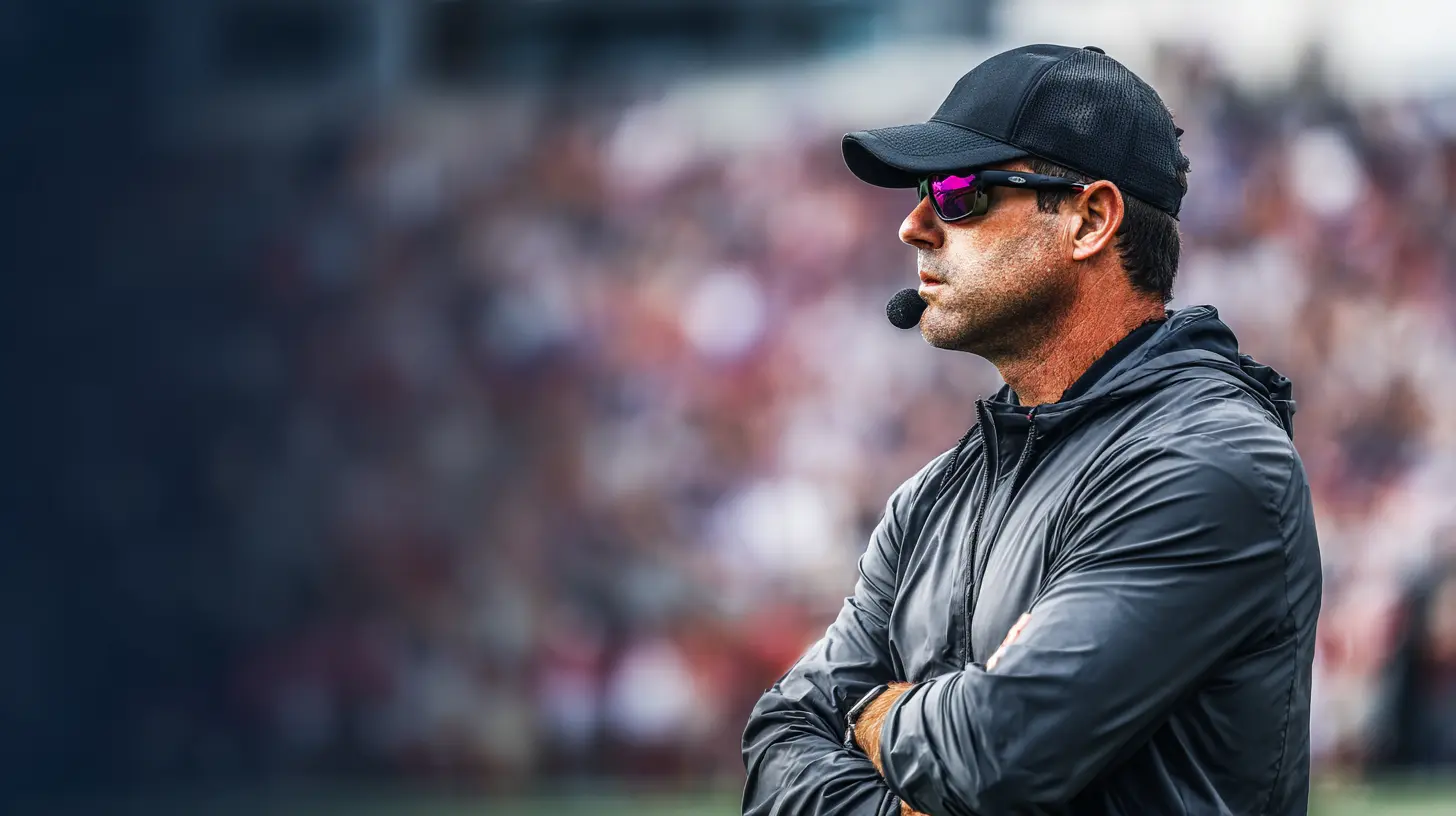
Why Coaching Decisions Matter More Than Ever
Modern sport has compressed the margins. Talent is distributed more evenly than at any point in history. Scouting is global, analytics are accessible, and preparation is standardized. When everyone has access to the same information, the differentiator shifts to interpretation and timing. A coach who knows when to trust data and when to override it holds an edge that cannot be copied overnight.The 2026 season reflected this. Teams that relied purely on reputation or habit struggled against opponents who adapted mid-game. The champions were not always the deepest roster. They were the group whose staff consistently converted information into action faster than the competition.

The Four Categories of Decisive Decisions
Before examining specific moments, it helps to organize coaching choices into four broad types. Each demands a different mindset and a different tolerance for risk.1. Pre-Game Structural Decisions
These are the choices made before the first whistle: lineup construction, matchup planning, tempo, and the overall game model. They set the ceiling for what is possible. A brilliant in-game adjustment cannot fully rescue a flawed structural plan.2. In-Game Tactical Adjustments
These are the live reads. Substitutions, scheme shifts, pressure changes, and momentum management. They determine whether a team survives the chaos that every championship run inevitably produces.3. Rotation and Load Management
Who plays, when, and for how long. In a long season, this is where championships are quietly lost. Fatigue compounds, injuries accumulate, and the team that reaches the final stretch healthiest often wins.4. Culture and Psychological Decisions
How a staff handles adversity, egos, and pressure. These decisions rarely appear on a stat sheet, but they shape whether a group holds together when the season turns hostile.
Pre-Game Structural Decisions That Set the Tone
The 2026 champions built their title on a structural choice made long before the playoffs. Rather than optimizing for a single style, the staff designed a system flexible enough to shift identity depending on the opponent. This is harder than it sounds. Most teams specialize. Specialization wins regular-season games because it is efficient. But in a championship run, opponents exploit predictability.The key insight is that flexibility must be rehearsed, not improvised. A team cannot suddenly become a defensive powerhouse in the finals if it never practiced that identity during the season. The 2026 staff seeded multiple identities early, accepting occasional regular-season losses as the cost of building optionality.
The Trade-Off of Versatility
Versatility is not free. It costs reps, it costs clarity, and it can confuse players who thrive in defined roles. The common mistake is chasing flexibility without a clear hierarchy. A team needs a primary identity it can execute under pressure and a secondary identity it can switch to when the primary is neutralized. Trying to be equally good at everything usually means being mediocre at all of it.Before adopting a multi-identity approach, ask three questions. Can your players execute the secondary system without thinking? Do you have the practice time to maintain both? And does your staff have the discipline to commit to a switch rather than wavering?

In-Game Adjustments: The Moments That Turned the Series
The most memorable decisions of the 2026 title run came in the middle of games, when the original plan was clearly failing. This is where coaching separates itself. Anyone can follow a script. The skill is recognizing when to tear it up.Reading Momentum Before the Scoreboard Does
One of the defining traits of the championship staff was a willingness to act on momentum indicators before the scoreboard confirmed them. Possession quality, shot selection, and physical energy often shift several minutes before points follow. Coaches who wait for the score to change are already late.This requires trusting internal metrics over the visible result. It is uncomfortable because it means making a bold change while the game still looks close. But the alternative is reacting after the damage is done.
The Deliberate Use of a Timeout
Timeouts are among the most misunderstood tools in coaching. Many staffs hoard them for late-game situations. Others burn them impulsively. The 2026 champions used timeouts with a specific logic: to interrupt an opponent's rhythm, not merely to stop their own bleeding.The distinction matters. A timeout called purely to halt a run can sometimes give the opponent rest and confidence. A timeout called to install a specific counter, with a clear instruction, changes the game's direction. The best timeouts are teaching moments, not panic buttons.
When to Abandon a Star Matchup
One of the boldest decisions of the title run involved moving away from a favorable individual matchup that had gone cold. The staff recognized that the opponent had adjusted coverage, and continuing to force the same action was playing into their hands. The switch created a new problem for the defense and reopened the floor.The lesson is that a good matchup on paper is only good if the opponent has not solved it. Coaches who fall in love with a plan lose to coaches who fall in love with winning.
Rotation and Load Management: The Invisible Championship Edge
Fans remember the clutch plays. They rarely remember the rest decisions that made those plays possible. In 2026, the champions treated load management as a competitive weapon rather than a concession to sports science.The Difference Between Resting and Rebuilding
Resting a player is passive. Rebuilding a player is active. The distinction is that rebuilding includes targeted work, recovery protocols, and a clear plan for reintegration. Teams that simply sit players often find them rusty on return. Teams that manage load with intention find their key contributors peaking at the right time.The Risk of Over-Resting
There is a real cost to being too cautious. Rhythm matters. A player who has not faced live pressure in weeks can struggle to find form in a decisive game. The 2026 staff balanced this by keeping load-managed players engaged in high-intensity practice scenarios, simulating game conditions without the physical toll.Coaches should consider the specific demands of their sport. In sports with frequent stoppages, load management is more forgiving. In continuous-flow sports, rhythm is harder to rebuild and rest must be used more sparingly.
Culture and Psychological Decisions: The Foundation Nobody Sees
Tactics win games. Culture wins seasons. The 2026 title was built on a set of psychological decisions that rarely made headlines but shaped every other choice.Defining Roles Before Crisis Hits
Role clarity is the most underrated coaching tool in sport. When players know exactly what is expected of them, they perform with less hesitation and less resentment. The 2026 staff invested heavily in early conversations about roles, including the difficult ones with talented players who would not start.The common mistake is delaying these conversations to avoid conflict. That delay guarantees a larger conflict later, usually during the playoffs when the stakes are highest.
Handling Adversity Without Panic
Every championship run includes a moment when the season appears to be slipping away. How a staff responds in that window often determines the outcome. The 2026 champions responded with consistency: same standards, same messaging, same calm. This steadiness gave players permission to focus on execution rather than anxiety.The Balance Between Accountability and Support
Great coaches hold players accountable without breaking their confidence. This is a narrow path. Too much criticism creates fear. Too little creates complacency. The 2026 staff managed this by separating the person from the performance. Mistakes were addressed directly, but the player's value to the team was never questioned.Comparing Approaches: Data-Driven vs. Instinct-Driven Coaching
The 2026 season renewed an old debate. Should coaches lean on analytics or trust their gut? The honest answer is that the best coaches use both, and they know when each is appropriate.What Data Does Well
Data excels at revealing patterns humans miss. It exposes inefficiencies, identifies undervalued matchups, and provides a baseline for decision-making. In preparation, data is nearly indispensable. It reduces bias and forces coaches to confront uncomfortable truths.What Data Cannot Do
Data cannot read a locker room. It cannot sense when a player needs encouragement rather than correction. It cannot account for the emotional weight of a moment. In live decision-making, instinct and experience still matter enormously. The 2026 champions used data to inform their plans and instinct to execute them.The Best Practice: Data-Informed, Human-Led
The most effective model is not data-driven or instinct-driven. It is data-informed and human-led. Data provides the map. The coach decides the route. Teams that forget the second part often look smart on paper and confused on the field.
Common Mistakes That Cost Teams Titles
Understanding what works is useful. Understanding what fails is essential. The 2026 season exposed several recurring errors.Clinging to a Plan That Has Been Solved
The most damaging mistake is stubbornness disguised as conviction. Adjusting is not weakness. It is awareness. Coaches who refuse to change because they believe in their system often watch that system get dismantled.Overreacting to a Single Result
The opposite error is panic. One bad quarter, one poor performance, or one loss does not require a total overhaul. The art is distinguishing a genuine trend from noise. The 2026 staff demonstrated patience when patience was warranted and urgency when it was not.Ignoring the Human Element
Tactical brilliance means nothing if players do not believe in it. Coaches who treat players as chess pieces eventually lose the room. Trust is the currency that buys execution under pressure.Practical Takeaways for Coaches at Any Level
The decisions that defined the 2026 title are not exclusive to elite programs. They scale. Here is how to apply them.First, build optionality early. Do not wait until the playoffs to develop a second identity. Second, define roles clearly and revisit them often. Third, use timeouts and substitutions with purpose, not reflex. Fourth, treat load management as a competitive advantage, not a compromise. Fifth, let data inform you but never let it replace your judgment.
Most importantly, stay consistent in your standards. Players will forget specific plays. They will remember how you behaved when things went wrong.
Final Thoughts
The 2026 title was not decided by a single genius call. It was decided by a series of disciplined, well-timed, and sometimes uncomfortable decisions made by a staff that understood the difference between looking smart and winning. That is the quiet truth of championship coaching. The moments that define a season are rarely the loudest ones. They are the ones made with clarity, courage, and a clear-eyed understanding of what the moment actually required.
all images in this post were generated using AI tools
Category:
Championship ReviewsAuthor:

Ruben McCloud