Fan Rituals That Intimidate Opposing Teams
3 November 2026
Every athlete who has played in a hostile environment remembers the noise before they remember the score. The wall of sound at a college basketball arena, the coordinated scarves raised in a European football stand, the tomahawk chop echoing through a baseball stadium on a warm October night. These are not accidents of crowd behavior. They are rituals, repeated with intention, passed down through generations of supporters, and they carry real psychological weight for the people on the field.
This article examines why fan rituals intimidate opposing teams, which rituals tend to work best and why, when they backfire, and how organizers, coaches, and supporters can think about building an atmosphere that gives their team an edge without crossing lines that damage the sport. The focus is on mechanisms and practical judgment, not on a list of chants to copy.

What Makes a Ritual Intimidating
Not every tradition creates fear. A mascot waving a flag is entertainment. A stadium full of people performing the same action in unison at the same moment is something else entirely. The difference comes down to a handful of psychological levers.Synchrony Signals Unity and Numbers
Human beings are wired to notice when large groups move as one. Research on group behavior has long suggested that synchronized action, whether it is chanting, clapping, or marching, increases perceived cohesion and makes a group feel more formidable. When an opposing player sees fifty thousand people singing in perfect rhythm, the message is not "these people are having fun." The message is "these people are united, and we are alone against them."That contrast matters. The visiting athlete is already isolated: unfamiliar locker room, hostile crowd, travel fatigue. A synchronized ritual sharpens that isolation into something closer to anxiety.
Anticipation and Conditioned Dread
The most intimidating rituals are predictable. Fans know exactly when the chant starts. Players who have faced the team before know too. Over repeated meetings, the ritual becomes a conditioned cue. The visiting team hears the opening notes and their bodies respond before their minds catch up, because last time those notes preceded two hours of misery.This is why established traditions often outperform louder but newer ones. Novelty does not create dread. Repetition does.
Sensory Overload
Sound is the primary weapon, but not the only one. Visual uniformity, such as a full stadium holding up the same color, and physical vibration, such as coordinated stomping on wooden bleachers, compound the effect. When multiple senses are hit at once, the brain has less capacity to process the game itself. Communication on the field breaks down, and breakdowns produce mistakes.The Ritual Is About the Home Team, Not the Visitor
Here is a subtle point that separates effective rituals from empty theater. The best traditions are performed for the home team and the community first. The intimidation of the opponent is a byproduct. When fans perform a ritual specifically to taunt a visiting player, it often reads as insecurity rather than power. When they perform it because it is who they are, the confidence is genuine, and genuine confidence is what actually unsettles people.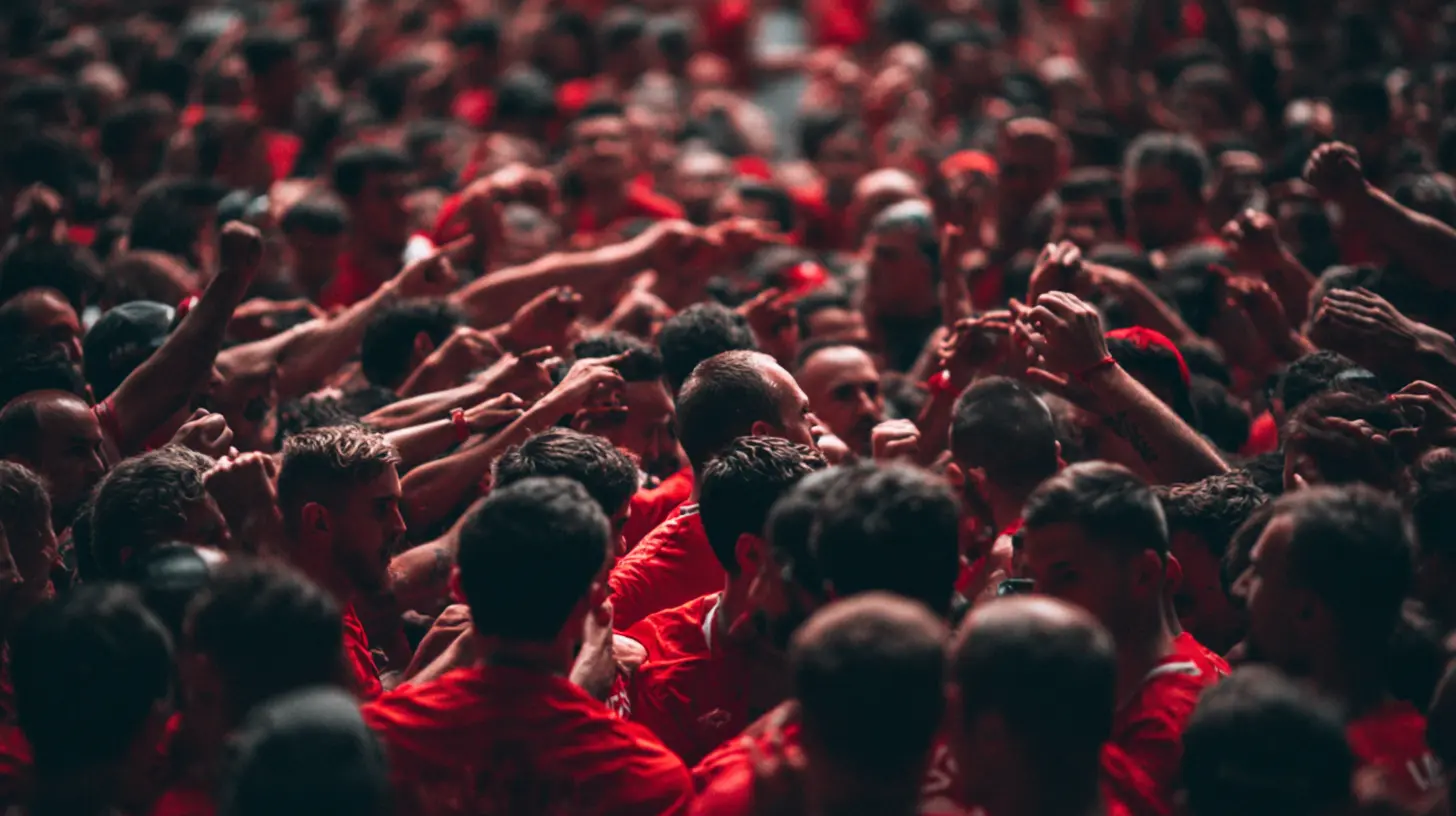
Categories of Intimidating Fan Rituals
Rituals take several forms, and each has different mechanics, strengths, and risks. Understanding the categories helps explain why some endure and others fade.Chants and Songs
The football terraces of Europe and South America are the reference point here. Thousands of voices singing a club anthem in unison, often with no instruments, creates a wall of sound that is hard to replicate in any other sport. The key features are length, melody, and participation. A short barked chant can be loud but fades quickly. A full song sustains pressure across the match and gives fans something to do during lulls, which prevents the atmosphere from dying.The trade-off is accessibility. Songs require cultural knowledge. A new fan cannot join a three verse anthem on day one. Clubs that want this kind of atmosphere usually invest in teaching materials, printed lyric sheets, and designated sections where experienced supporters anchor the singing.
Coordinated Visual Displays
Tifos, card stunts, and full stadium color schemes are the visual equivalent of a chant. Done well, they produce a moment of awe that players notice. Done poorly, they look like a school project. The difference is almost always organization: thousands of hours of volunteer coordination, precise timing, and rehearsal.Visual displays have a short window of impact. They dominate the pregame and the first few minutes, then the effect fades. They work best as punctuation, not as the main event.
Rhythmic Sound and Stomping
Basketball arenas with wooden bleachers and old baseball parks with metal stands have a natural acoustic advantage. Coordinated stomping produces a low frequency rumble that players feel in their chests. It is simple, requires no rehearsal, and spreads quickly through a crowd. The risk is that it can escalate into something uncontrolled, which is where safety concerns begin.Silence as a Weapon
One of the most underrated rituals is the sudden hush. A crowd that goes completely silent before a crucial free throw or a game winning kick creates a pressure chamber. The absence of noise is more unnerving than noise, because the athlete suddenly hears their own breathing and the weight of the moment becomes audible. College basketball student sections have built reputations on this, and it costs nothing but discipline.Pre-Game and In-Game Traditions
Specific traditions, such as a particular song played before kickoff, a mascot entrance, or a hand gesture performed at set moments, function as ritual bookends. They frame the experience and give the crowd a shared clock. Their intimidation value comes from consistency across seasons and decades, which is why attempts to manufacture new traditions usually fail.
Why Rituals Affect Visiting Players
Athletes are trained to block out noise. Coaches simulate hostile environments in practice with speakers and crowd recordings. So why does it still work?Attention Is a Limited Resource
Focus is finite. A player who has to consciously filter out a chant has less attention available for reading the defense. The effect is small per moment but compounds across a game. Visiting teams commit more procedural penalties, burn timeouts earlier, and make slower decisions. None of this shows up as fear on a broadcast, but it shows up on the scoreboard.Routine Disruption
Most athletes thrive on routine. A ritual that interrupts routine, such as a deafening anthem during warmups or a coordinated countdown that forces players to wait, chips away at the sense of control. Teams that travel well often bring their own rituals to counter this: a specific warmup order, a fixed pregame walk, a handshake sequence. The battle is between two sets of rituals.Social Pressure and Identity
When a crowd performs a ritual, it is asserting identity. The visiting player is, for those two hours, the outsider. For some athletes this is fuel. For others it is genuinely draining. Coaches who understand their roster know which players feed on hostility and which ones shrink. This is one reason home field advantage varies by sport and by team.The Expectancy Effect
Players who expect a stadium to be difficult may perform worse simply because they expect to. This is not mysticism; it is the well documented relationship between arousal, expectation, and performance. Rituals that carry a reputation, such as a famously loud arena or a notorious student section, do part of their work before the game even starts, through media coverage and word of mouth.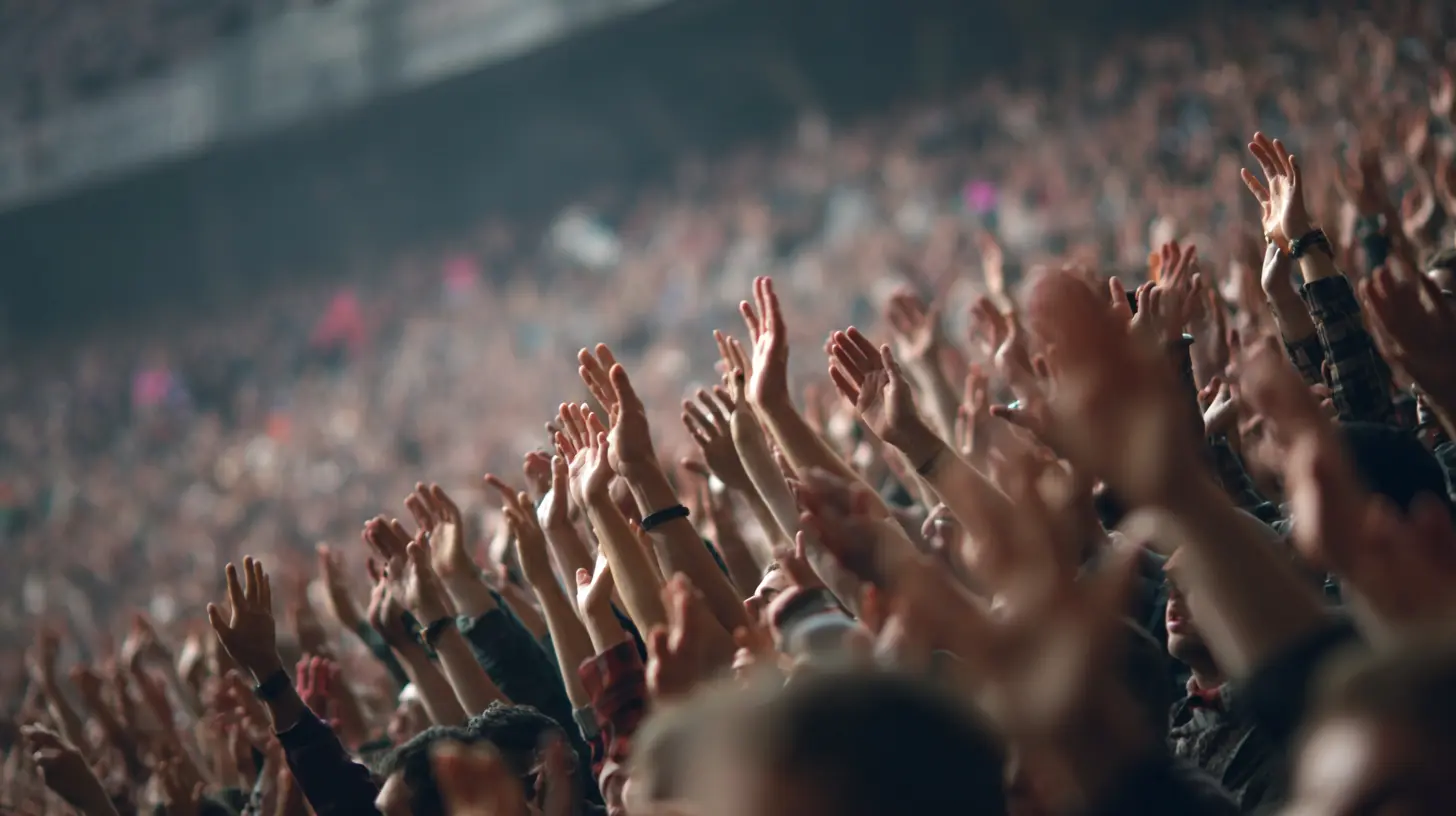
Real-World Examples Worth Studying
Specific examples help ground the analysis. These are widely known traditions, described generally rather than with invented statistics.- European football terrace culture. Clubs across Germany, England, and Italy have supporter groups that sing continuously for ninety minutes. The model works because of standing sections, capos who lead chants, and decades of shared repertoire. The trade-off is that it depends on stadium design and a culture of participation that cannot be imported overnight.
- College basketball student sections. Schools like Duke and Kansas have built identities around proximity, choreography, and sustained noise. The key ingredient is that students are close to the court and organized by class, which creates density and coordination that general admission crowds rarely match.
- American football crowd noise. Stadiums such as Seattle's have reputations for decibel levels that disrupt offensive communication. This works because the crowd understands the game situation and times its noise to the opponent's snap count, which is a form of collective tactical intelligence rather than random yelling.
- Baseball rituals tied to specific moments. The seventh inning stretch, rally towels, and stadium specific songs create shared beats in a slow game. Their intimidation value is modest but their role in keeping a crowd engaged over three hours is significant.
- International tournaments. National anthems sung by full stadiums before major matches produce some of the most intense pregame atmospheres in sport. The ritual is universal, which makes it a useful comparison point: the same act can feel unifying in one context and menacing in another depending on who is singing and who is listening.
Notice that none of these examples rely on cruelty toward individuals. The intimidation comes from scale, unity, and consistency.
Where Rituals Cross the Line
This is the part that organizers and supporters must confront honestly. Some behaviors that feel like passion from inside the stand feel like threat from the field, and some cross into abuse.Personal Targeting
Chants aimed at a specific player's family, health, race, religion, or personal tragedy are not intimidation in any defensible sense. They are harassment performed at scale. Beyond the ethical problem, they often backfire: they unite the opposing team, motivate the targeted player, and invite sanctions that hurt the home club.Physical Risk
Crowd surges, thrown objects, and rituals that involve pushing or climbing create real danger. A tradition that injures people is not a tradition worth keeping. Clubs that manage large active sections usually invest in stewarding, barrier design, and clear rules about what supporters can bring into the ground.When the Ritual Becomes the Story
If a ritual draws more attention than the match, it has become a liability. Leagues increasingly punish clubs for crowd behavior, and repeated incidents can lead to partial stadium closures. A closed section is the opposite of intimidation; it is a gift to the visiting team.The Difference Between Hostile and Unsafe
Hostile is fine. Hostile is the point. Unsafe is not. The line is usually clear in practice: noise, color, synchronized movement, and clever psychological pressure are hostile. Threats, projectiles, and targeted cruelty are unsafe. Any supporter group that cannot tell the difference needs leadership, not more enthusiasm.
How to Build an Intimidating Atmosphere
For clubs, athletic departments, and supporter groups who want to develop this, the process is more organizational than creative.Start With the People Who Already Care
New traditions rarely come from marketing departments. They come from the most committed supporters, who then spread them outward. The job of the institution is to remove obstacles: allow flags, designate a singing section, publish lyrics, coordinate with security so that passion is not treated as a problem by default.Design for Participation, Not Spectacle
A ritual that requires every fan to do one simple thing at one known moment will outperform an elaborate production that only a few people understand. Card stunts and tifos are impressive, but they are performed by a fraction of the crowd. Chants and stomping are performed by everyone. Prioritize the low barrier rituals and use the high effort ones as occasional highlights.Use the Game Clock
The most effective rituals are tied to game events: before a free throw, after a goal, at the start of the fourth quarter. Tying a ritual to a moment gives the crowd a trigger and gives the ritual meaning. Random noise is just noise. Noise at the exact moment the visiting team is trying to communicate is a weapon.Teach Newcomers
Every tradition needs an onboarding path. Printed guides, short videos, and pregame explanations from the club all help. The goal is that a first time attendee can participate by the second half. Traditions that require secret knowledge die with the people who hold it.Measure and Adjust
Clubs can track decibel levels, survey fans about participation, and review footage of how visiting teams respond. If a ritual is not landing, change the timing or simplify it. If it is landing, protect it and resist the urge to commercialize it into oblivion.Common Mistakes and Misconceptions
Several assumptions about fan intimidation do not survive contact with reality.- "Louder is always better." Volume without timing is background noise. A crowd that screams constantly trains players to ignore it. A crowd that explodes at the right moment is far more disruptive.
- "We need a new tradition every season." Novelty is the enemy of ritual. The power comes from repetition across years. Constant reinvention signals that nothing the fans do actually matters.
- "Intimidation means being rude." Cruelty is the lazy version. The most respected hostile environments are famous for creativity and consistency, not for abuse.
- "It only works in huge stadiums." Small venues with dense, organized crowds can be more intimidating than half empty mega stadiums. Proximity and coordination beat raw capacity.
- "Players don't hear it." They hear it. They may manage it, but they hear it. The question is whether the crowd uses that attention wisely.
- "Marketing can manufacture tradition." Marketing can amplify a tradition. It cannot create one from nothing. The seed has to come from genuine supporter culture.
Trade-Offs to Weigh Before Investing
Every approach to atmosphere has costs, and decision makers should weigh them deliberately.- Standing sections produce the best noise and the strongest culture, but they require safety planning, sightline adjustments, and patience with fans who prefer to sit.
- Strict security protects the club from sanctions but can smother the very passion that makes the venue feared. The best venues train stewards to distinguish enthusiasm from disorder.
- Commercializing rituals, such as selling branded towels or playing a chant over the PA, can spread participation but risks turning organic culture into a promotion. Fans can tell the difference, and they respond accordingly.
- Chasing decibel records can encourage unsafe behavior. Noise is a means, not an end.
- Targeting visiting players may produce short term heat, but it invites retaliation, sanctions, and a reputation that follows the club into future matches.
What Readers Should Consider
If you are a supporter, think about what your ritual says about your club. The strongest traditions are ones you would be comfortable explaining to a child. If the explanation requires excuses, the ritual needs to change.If you are a coach preparing a team for a hostile venue, treat the crowd as a known variable. Practice communication in noise, rehearse set pieces under distraction, and build routines that travel. You cannot silence the crowd, but you can reduce the number of moments where it matters.
If you are an administrator, remember that atmosphere is an asset that takes years to build and one incident to damage. Invest in supporter liaison, clear rules, and the infrastructure that lets organized fans do their thing safely.
The Bottom Line
Fan rituals intimidate because they combine synchrony, anticipation, sensory overload, and social identity into a single repeated experience. They work best when they are organic, simple, tied to the game, and performed for the home community rather than against a specific opponent. They fail when they become cruel, unsafe, or so commercialized that no one participates.The most feared venues in sport are not the loudest or the rudest. They are the most consistent. A crowd that shows up, knows its cues, and performs the same ritual for decades builds a reputation that does half the work before kickoff. That is the real mechanism, and it is available to any club willing to protect and cultivate its supporter culture rather than manufacture one.
all images in this post were generated using AI tools
Category:
Crowd InfluenceAuthor:

Ruben McCloud

